
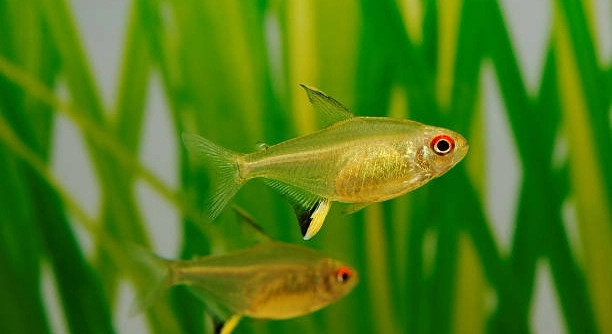
Are your Arowanas more lively when the lights go out? Many fish owners notice their aquatic pets becoming more active in the evening or at night, which can seem unusual at first. Observing these behaviors can be fascinating.
Arowanas are naturally crepuscular, meaning they are more active during low-light conditions. Their nocturnal behavior is influenced by instincts, hunting patterns, and environmental factors, allowing them to explore and feed efficiently while feeling safer under dim lighting.
Understanding this behavior can help you create a more suitable environment for your fish. Adjusting lighting, tank setup, and feeding schedules can improve their health and overall well-being.
Why Arowanas Are More Active at Night
Many Arowanas show higher activity levels in the evening or at night due to their natural instincts. In the wild, they often hunt when light is low, which helps them avoid predators while searching for food. Even in home aquariums, this behavior persists. Observing your fish moving gracefully across the tank, exploring corners, or investigating decorations is a normal part of their behavior. Light levels in the room and tank can directly affect their energy, making them more or less active depending on the time of day. Feeding schedules also play a role; fish tend to anticipate mealtime and may show bursts of movement in the hours surrounding it. Ensuring a balanced routine with consistent lighting cycles helps your Arowana adjust to its environment. Watching this behavior can also give insights into their health, appetite, and comfort, allowing for better care and a deeper understanding of your pet’s needs.
Adjusting tank lighting and feeding times can influence your Arowana’s nocturnal activity. A calm, predictable environment encourages natural movement patterns.
Tracking night-time activity helps identify changes in behavior or health. Observing patterns ensures your fish remains active, healthy, and stress-free.
Factors That Influence Nocturnal Activity
Temperature changes in the tank affect Arowanas’ energy levels and behavior. Cooler water may slow activity, while slightly warmer temperatures can stimulate movement. Maintaining a stable temperature ensures your fish does not experience unnecessary stress. Light exposure is another major factor; sudden bright lights can startle Arowanas and disrupt their natural rhythm. Using dim lighting during evening hours can create a more comfortable setting. The tank setup also matters—open swimming space, hiding spots, and proper decorations allow them to explore safely. Nutrition plays a role as well. A balanced diet with protein-rich foods ensures sustained energy for nighttime activity. Even subtle environmental changes, such as moving decorations or adding new tankmates, can influence activity patterns. Monitoring these variables helps maintain a consistent routine and supports the fish’s well-being. Observing your Arowana over several weeks can reveal patterns in its nocturnal behavior and highlight any potential issues that might need attention.
Providing a steady environment, proper temperature, and regular feeding can help maintain your Arowana’s natural activity cycle, reducing stress and promoting long-term health. Regular monitoring ensures that behavior changes are noticed early and addressed appropriately.
Adjusting Lighting for Night Activity
Dim lighting encourages Arowanas to explore naturally without stress. Sudden bright lights can startle them, while consistent low light helps maintain their natural rhythm.
Using timers to control light cycles can create a predictable environment. Gradually dimming lights in the evening simulates dusk, triggering natural nocturnal behaviors. Positioning the tank away from direct sunlight or bright room lights prevents sudden flashes that can disrupt their activity. Some owners add floating plants or soft decorations to diffuse light, giving the fish a sense of security. Proper lighting not only supports activity patterns but also reduces stress, allowing your Arowana to swim freely and comfortably during its peak hours. Maintaining consistency helps the fish adapt and stay healthy over time.
Monitoring how your Arowana responds to lighting adjustments is important. Changes should be gradual, as abrupt shifts can confuse or stress the fish. Observing behavior over several days ensures the new setup works effectively.
Feeding Schedules and Nighttime Behavior
Feeding times strongly influence nocturnal activity. Arowanas often become more alert before scheduled feedings, anticipating food. Predictable schedules encourage healthy patterns.
Providing small meals in the evening aligns with their natural activity. Overfeeding or irregular schedules can cause lethargy or erratic movements. High-protein foods, such as pellets, insects, or small fish, offer sustained energy for evening activity. Alternating food types keeps them engaged and supports overall nutrition. Watching how they respond during feeding helps detect appetite issues or stress. Proper timing ensures your fish remains active at night while maintaining a balanced diet. Consistent routines also reinforce a sense of security, reducing anxiety and promoting healthier behavior in the tank.
Keeping feeding times steady and matching them to low-light periods enhances your Arowana’s natural activity. Small adjustments, combined with careful observation, allow you to fine-tune their schedule for optimal health and comfort.
Tank Environment and Night Activity
Providing hiding spots and open swimming areas helps Arowanas feel secure at night. Decorations, rocks, and plants give them places to explore and rest.
A clutter-free tank encourages natural movement. Too many obstacles can limit swimming space, while strategic placement of décor allows the fish to feel safe and active during low-light hours.
Water Quality Impact
Clean, well-oxygenated water directly affects nocturnal behavior. Poor water conditions can stress Arowanas, causing lethargy or erratic swimming. Maintaining proper filtration and regular water changes supports healthy activity patterns. Monitoring pH, ammonia, nitrite, and nitrate levels ensures the environment stays stable, promoting consistent movement during night hours.
Observing Natural Instincts
Arowanas use night activity to practice hunting behaviors. Even in captivity, this instinct drives swimming patterns and interaction with food or objects.
FAQ
Why is my Arowana more active at night than during the day?
Arowanas are naturally crepuscular, meaning they are more active during low-light periods. In the wild, they hunt when visibility is lower, which helps them avoid predators. Even in a home aquarium, this behavior continues. Night activity is normal and shows your fish is healthy and comfortable in its environment.
Is it normal for Arowanas to swim constantly at night?
Yes, constant swimming at night is a typical behavior for Arowanas. They use this time to explore the tank, patrol their territory, and simulate hunting behavior. As long as they are eating well and not showing signs of stress, this activity is natural and healthy.
Can night activity indicate stress or illness?
Increased night activity can sometimes signal stress or illness, especially if paired with other symptoms like loss of appetite, clamped fins, or erratic swimming. Checking water quality, temperature, and lighting can help determine if environmental factors are causing discomfort. Monitoring behavior over several nights provides a clearer picture.
Should I adjust lighting to control nighttime activity?
Adjusting lighting can influence activity but should be done gradually. Using dim lights in the evening simulates natural dusk and helps regulate the fish’s rhythm. Avoid sudden bright lights at night, as they can startle your Arowana and disrupt its normal behavior. Timers are useful for creating consistent light cycles.
How does feeding schedule affect nocturnal behavior?
Feeding schedules play a significant role. Arowanas may become more alert before expected meals, anticipating food. Offering small, protein-rich meals in the evening aligns with their natural activity periods and prevents overfeeding. Consistency encourages predictable activity patterns and supports healthy metabolism.
Can tank setup influence nighttime activity?
Yes, tank layout strongly affects behavior. Open swimming areas and hiding spots help Arowanas feel secure while exploring at night. Overcrowding or cluttered tanks may reduce movement and increase stress. Strategic placement of decorations and plants encourages natural nocturnal exploration and comfort.
Does water quality impact night activity?
Poor water quality can reduce activity or cause erratic movements. Maintaining stable temperature, proper filtration, and regular water changes supports healthy behavior. Monitoring pH, ammonia, nitrite, and nitrate levels ensures the environment is safe, allowing the fish to remain active without stress.
Are certain Arowana species more nocturnal than others?
Yes, some species display stronger night activity due to their natural habitats. For example, silver Arowanas are more active in low light, while others may show moderate nocturnal patterns. Knowing your species helps anticipate behavior and create a suitable tank environment tailored to their natural tendencies.
How can I tell if my Arowana’s night activity is healthy?
Healthy nocturnal activity includes smooth, steady swimming, interaction with the environment, and alert responses to food. Lethargy, frantic darting, or hiding constantly may indicate stress or illness. Observing consistent patterns and comparing behavior across several nights gives the best assessment.
Can adjusting feeding and lighting reduce excessive night activity?
Yes, gradual changes in feeding times and evening lighting can help manage activity. Aligning meals with low-light periods supports natural behavior. Avoid abrupt changes, as these can cause stress. Observing responses after adjustments allows fine-tuning for comfort and stability.
Is it okay if my Arowana ignores me at night?
It is normal. Night activity is driven by instinct rather than interaction with owners. Arowanas may explore, hunt for food, or rest in hiding spots, which is not a sign of neglect or health problems. Daytime interaction is sufficient for bonding and monitoring their well-being.
Can tank mates influence nocturnal activity?
Yes, the presence of other fish can affect night behavior. Compatible, calm tank mates can encourage exploration, while aggressive or overly active species may stress your Arowana, reducing nighttime movement. Choosing appropriate companions supports natural activity patterns and a stable environment.
How often should I monitor night activity?
Regular observation, several times per week, is ideal. Tracking patterns over time helps detect changes in health, environment, or behavior. Short video recordings or notes can provide insights into consistency, alerting you to potential issues before they become serious.
Does tank size affect night activity?
Arowanas require ample space to swim and feel secure. Small tanks may limit movement, reduce exploration, and cause stress. Larger tanks with open areas and hiding spots promote natural nocturnal behavior, allowing your fish to maintain healthy activity levels without restrictions.
Are there signs that nighttime activity is excessive?
Excessive night activity may involve frantic swimming, repeated collisions with tank walls, or restless behavior without resting periods. These signs can indicate stress, poor water quality, or insufficient hiding spots. Adjusting the environment and monitoring health can reduce overactivity and restore balance.
Can adding plants or decorations help regulate night activity?
Yes, plants and soft décor provide cover and reduce stress, encouraging calm exploration. They simulate natural habitats and help the Arowana feel secure at night. Thoughtful placement creates both open swimming areas and safe hiding spots, promoting healthy nocturnal behavior.
How long should night activity last?
Night activity varies by species and individual temperament but typically lasts several hours. Arowanas will swim, explore, and sometimes rest in shaded areas. Consistent patterns indicate healthy behavior, while abrupt changes may warrant checking environmental conditions or health factors.
Can supplements or diet changes influence nocturnal behavior?
High-quality, protein-rich diets support energy for night activity. Occasional variety, such as insects or live foods, can stimulate natural hunting instincts. Overfeeding or imbalanced nutrition may cause lethargy or irregular movement, so careful portion control is important for sustaining healthy nocturnal behavior.
How do I know if night activity is becoming a problem?
Night activity becomes concerning if it is paired with stress signs, injury, or changes in appetite. Frequent collisions, erratic swimming, or hiding excessively suggest issues. Checking water quality, tank setup, and diet can help identify causes and restore normal behavior.
Can I use red lighting to observe night activity?
Red lighting is less intrusive and can be used to monitor your Arowana without disturbing its natural patterns. It allows observation of swimming, feeding, and interactions while maintaining a low-light environment that supports nocturnal behavior.
Does temperature affect night activity?
Yes, cooler water may slow activity, while slightly warmer conditions increase movement. Maintaining stable temperatures prevents stress and supports consistent behavior. Sudden fluctuations can disrupt patterns, so using a reliable heater and thermometer helps regulate a comfortable environment.
Is it normal for Arowanas to be more active during the evening than late at night?
Yes, Arowanas often show peak activity during dusk and early night hours, gradually slowing as darkness deepens. This mimics natural behavior in the wild, balancing energy use and safety, and is not a cause for concern.
Can stress reduce night activity?
Stress from poor water quality, aggressive tank mates, or sudden environmental changes can reduce activity. A stressed Arowana may hide, swim less, or avoid feeding. Identifying and correcting stressors helps restore normal nocturnal behavior and overall health.
Are there behavioral signs to track over time?
Consistent swimming patterns, interaction with objects, and anticipation of feeding are positive signs. Changes such as erratic movement, lethargy, or hiding indicate potential issues. Keeping a record helps detect trends and maintain your fish’s health.
How can I encourage healthy night activity without disturbing the fish?
Provide low lighting, ample open space, hiding spots, and consistent feeding schedules. Avoid sudden changes in environment, and monitor behavior from a distance or with red light. These practices allow natural activity while minimizing stress and maintaining overall well-being.
Does tank cover or lid influence activity?
Yes, a secure lid prevents stress from perceived threats above the tank. It also allows the fish to swim freely without fear of escaping. Properly fitted lids support natural nocturnal exploration and reduce anxiety.
Can overstocking the tank reduce night activity?
Overcrowding limits swimming space and increases competition for food. This often reduces nocturnal movement and can increase stress. Providing adequate tank size for your Arowana ensures it remains active and comfortable during low-light periods.
Is it normal for Arowanas to interact with their reflection at night?
Yes, reflections can trigger curiosity or territorial behavior. This is a natural response and generally not harmful. Ensuring the tank has adequate space and hiding spots reduces potential stress from repeated interaction with reflections.
How long should I observe to understand normal night activity?
Observing over several weeks gives the most accurate picture. Nighttime patterns can vary slightly day to day, so tracking multiple nights helps identify consistent behaviors and distinguish between normal activity and potential problems.
Can water flow or filtration noise affect night activity?
Strong currents or noisy filters may disrupt nighttime swimming. Adjusting flow to moderate levels and using quiet equipment allows natural exploration without stress, encouraging calm and consistent nocturnal behavior.
Should I be concerned if my Arowana rests more at night than usual?
Occasional resting is normal, but prolonged inactivity can signal illness or environmental stress. Checking water quality, temperature, diet, and tank setup helps ensure the fish remains healthy while allowing normal rest periods.
Do live plants or floating cover impact activity?
Yes, they provide shaded areas that mimic natural habitats, making the Arowana feel secure while swimming. This encourages calm exploration, supports natural instincts, and can reduce unnecessary stress during nighttime hours.
Can seasonal changes affect nocturnal behavior?
Seasonal variations in room temperature and light exposure can influence activity. Maintaining consistent tank conditions year-round helps minimize disruptions and supports steady nighttime behavior regardless of external changes.
Is it normal for Arowanas to explore decorations at night?
Yes, exploring tank décor is part of their natural hunting and curiosity behavior. Safe, strategically placed decorations encourage movement and engagement without causing stress, supporting healthy nocturnal activity.
What should I do if night activity suddenly decreases?
Sudden decreases may indicate illness, poor water quality, or environmental stress. Check temperature, lighting, water parameters, and diet. Observing for other symptoms like loss of appetite or abnormal swimming helps determine necessary adjustments to restore normal activity.
Can lighting color affect activity patterns?
Low-intensity lighting or red-tinted lights minimally disrupt behavior while allowing observation. Bright or white lights at night can startle Arowanas, reduce activity, and increase stress. Proper lighting supports natural rhythms and comfortable exploration.
Are there any tools to track nighttime activity?
Video cameras or night-vision equipment allow monitoring without disturbing the tank. Observing over multiple nights helps identify patterns, detect behavioral changes, and maintain a stable routine that supports health and comfort.
Does the type of food influence nighttime movement?
Yes, protein-rich foods provide energy for active periods. Offering small amounts in the evening aligns with natural activity, supporting hunting instincts. Overfeeding or unbalanced diets may reduce movement or cause irregular nocturnal behavior, so careful portion control is essential.
How can I differentiate normal activity from agitation?
Normal activity is smooth and exploratory, with occasional bursts during feeding. Agitation includes frantic swimming, bumping into objects, or repeated erratic movement. Monitoring over several nights and correlating behavior with environmental factors helps distinguish healthy patterns from stress.
Can water temperature changes at night cause unusual activity?
Yes, sudden drops or spikes in temperature can cause restlessness or reduced movement. Maintaining a stable, appropriate range ensures natural nocturnal behavior and reduces stress-related disruptions during evening hours.
Does tank location in a room affect night activity?
Yes, tanks near windows, high-traffic areas, or bright lights can disrupt night activity. Positioning the tank in a calm, dimly lit area supports natural movement and reduces stress during nocturnal periods.
Is increased night activity always a sign of good health?
Generally, active nocturnal behavior indicates health and comfort, but it must be paired with proper eating habits, steady swimming, and normal coloration. Excessive or frantic activity may suggest stress, environmental issues, or illness, requiring attention.
Can night activity patterns help identify personality differences in Arowanas?
Yes, some Arowanas are naturally more energetic, curious, or territorial. Observing night activity can reveal individual traits, helping tailor care and tank setup to suit each fish’s temperament and preferences.
Does tank size influence how long Arowanas are active at night?
Larger tanks encourage longer, more natural activity, while smaller tanks may limit movement and reduce exploration. Providing sufficient space allows healthy nocturnal behavior, reflecting natural swimming patterns and instincts.
Can water chemistry changes at night influence activity?
Fluctuations in pH, ammonia, nitrite, or nitrate levels may cause restlessness or reduced movement. Maintaining stable water chemistry supports predictable nocturnal behavior and overall health.
Is it normal for Arowanas to occasionally rest at the bottom during night hours?
Yes, resting at the bottom or near decorations is natural and part of their energy conservation. Occasional periods of stillness complement active swimming, maintaining balance in their nighttime routine.
Can Arowanas become nocturnal in a bright environment?
They may adjust slightly, but their instincts favor low-light activity. Providing dim lighting or gradual transitions in brightness encourages natural patterns, even in well-lit rooms.
Do different tank shapes affect night activity?
Yes, elongated tanks allow more continuous swimming, while cramped tanks may restrict movement. Adequate space and unobstructed swimming lanes support healthy nocturnal exploration and reduce stress-related behavior.
Can observing night activity help detect early health issues?
Yes, changes in swimming patterns, interaction with decorations, or resting behavior may indicate stress, illness, or environmental problems. Early detection through consistent observation supports prompt intervention and improved care.
Are nocturnal behaviors influenced by the age of the fish?
Juvenile Arowanas tend to be more active and exploratory, while older fish may have slower, more deliberate movements. Understanding age-related patterns helps set realistic expectations for night activity and care needs.
Does background noise affect night activity?
Loud or sudden sounds can startle Arowanas, reducing activity or causing stress. A calm environment with minimal disturbances promotes natural nocturnal movement and exploration.
How long should I monitor to understand typical night activity patterns?
Monitoring over several weeks provides accurate insights. Short-term observation may miss variations, while long-term tracking helps identify trends, detect early issues, and maintain a healthy, predictable routine for your Arowana.
Can changing tank decorations suddenly disrupt night activity?
Yes, sudden rearrangements can cause stress and confusion. Gradual changes allow the fish to adjust while maintaining natural exploration and nocturnal movement. Providing familiar hiding spots reduces disruption.
Do Arowanas show preference for certain areas of the tank at night?
Yes, they often favor open swimming areas for exploration and shaded zones for rest. Observing these preferences helps optimize tank layout for comfort and natural activity patterns.
Can tank maintenance affect nocturnal behavior?
Frequent or abrupt maintenance, like water changes or filter cleaning, may temporarily reduce night activity. Performing tasks consistently and calmly minimizes stress, allowing the fish to resume normal patterns quickly.
Does feeding frequency influence night activity levels?
Yes, regular small meals align with natural hunting instincts, keeping Arowanas active during evening hours. Irregular feeding can cause unpredictable behavior, either excessive searching or lethargy, impacting overall nocturnal activity.
Are there seasonal lighting adjustments that benefit night activity?
Gradually adjusting light duration and intensity to mimic seasonal changes supports natural rhythms. Sudden shifts can confuse the fish, while gentle transitions help maintain consistent nocturnal behavior.
Can tank mates disrupt normal night activity?
Yes, aggressive or overly active tank mates may stress Arowanas, reducing movement or causing hiding. Calm, compatible companions support natural exploration and maintain healthy nocturnal patterns.
Is it normal for Arowanas to explore the surface more at night?
Yes, occasional surface exploration reflects hunting instincts or curiosity. As long as it is smooth and controlled, this behavior is typical and not a cause for concern.
Can water oxygen levels affect night activity?
Low oxygen can reduce movement or cause rapid, shallow swimming. Proper aeration and filtration ensure sufficient oxygen, supporting natural nocturnal behavior and overall health.
Should I separate an Arowana showing unusual night activity?
Separation may be necessary only if aggression or stress is present. Observing interactions carefully and ensuring adequate space often resolves issues without permanent separation.
Can lighting timers improve consistency in nocturnal behavior?
Yes, timers create predictable light cycles, simulating natural dusk and night periods. Consistency helps Arowanas maintain healthy activity patterns, reducing stress and supporting overall well-being.
Are some Arowanas more sensitive to environmental changes at night?
Yes, individual temperament varies. Sensitive fish may react to minor changes in lighting, temperature, or tank layout. Gradual adjustments and stable conditions minimize disruption and support natural nocturnal behavior.
Does tank water clarity influence nighttime activity?
Clear water allows natural exploration and interaction with the environment. Murky or dirty water may reduce confidence in movement, limiting activity and potentially causing stress. Regular maintenance promotes both visibility and healthy behavior.
Can sudden noises or vibrations disturb night activity?
Yes, abrupt disturbances can startle Arowanas, causing erratic swimming or hiding. Maintaining a calm environment during evening hours helps sustain normal nocturnal exploration and reduces stress.
Are there behavioral cues that indicate contentment during night activity?
Smooth, deliberate swimming, regular exploration, and interaction with food or tank features suggest comfort. Avoidance of hiding, frantic movements, or unusual stillness indicates normal, healthy behavior during low-light periods.
Do older Arowanas show reduced night activity naturally?
Yes, aging can slow metabolism and movement. Older fish may rest more and explore less, which is normal if overall health and appetite remain stable. Adjustments in tank space and food portions can accommodate these changes.
How important is routine for night activity?
Routine is critical. Consistent feeding, lighting, and maintenance schedules support predictable patterns, reducing stress and promoting natural nocturnal behavior. Disruptions can cause anxiety, erratic movements, or reduced activity.
Can observing night activity inform tank enrichment decisions?
Yes, noticing favorite swimming areas, hiding spots, and interactions with objects helps design an engaging, safe environment. Proper enrichment supports natural instincts and sustained nocturnal activity.
Are Arowanas less active during new moon or darker nights?
Some may reduce activity slightly under minimal light, reflecting instinctual patterns. Maintaining stable tank lighting ensures consistent exploration regardless of external conditions.
Does tank lid material or transparency affect behavior?
Opaque lids reduce reflections and perceived threats, creating a sense of security. Clear lids may trigger curiosity or territorial responses, affecting movement. Choosing appropriate lids supports calm nocturnal activity.
Can sudden temperature spikes at night cause frantic behavior?
Yes, abrupt increases can induce rapid swimming, stress, or erratic movements. Using heaters with thermostats prevents spikes and maintains stable conditions, supporting natural patterns.
How do I know if night activity is linked to hunting instincts?
Arowanas are naturally more active at night because of their instincts and environmental preferences. Observing your fish moving gracefully across the tank or exploring different areas is a sign that it is healthy and comfortable. Night activity is part of their normal behavior, and it reflects how they would act in the wild. Many Arowanas are crepuscular, meaning they are naturally more alert during low-light periods. Their movements during the evening or night are not random; they often simulate hunting, patrol their territory, and interact with objects in the tank. Even in a home aquarium, these behaviors continue because they are driven by instinct, not just external stimuli. Understanding this behavior helps you better care for your fish and create an environment that supports its natural rhythms. Observing your Arowana at night can be fascinating, but it is also a useful way to monitor health and comfort. If your fish swims actively, explores, and responds to feeding, it indicates that it is thriving in its environment.
Creating the right environment is essential for maintaining healthy night activity. Lighting plays a major role in influencing nocturnal behavior. Dim or soft lighting in the evening simulates dusk and encourages natural exploration. Bright or sudden lights at night can startle your fish and disrupt its normal behavior, so using timers and gradual dimming is helpful. Tank setup also affects activity; open swimming spaces, hiding spots, and safe decorations allow Arowanas to move freely and feel secure. Water quality is equally important. Stable temperature, proper filtration, and regular monitoring of pH and other parameters prevent stress and support healthy activity patterns. Feeding schedules impact night behavior as well. Offering small, protein-rich meals in the evening aligns with the Arowana’s natural rhythm, ensuring it has energy for exploration while avoiding overfeeding. These combined factors create a predictable and comfortable environment that supports healthy nocturnal activity. By paying attention to lighting, tank layout, water quality, and feeding routines, you help your fish maintain natural behavior without stress or disruption.
Regular observation is key to understanding and supporting your Arowana’s nighttime habits. Watching for smooth, controlled swimming, interaction with objects, and anticipation of feeding allows you to gauge health and comfort. Changes in behavior, such as reduced movement, frantic swimming, or hiding, may indicate stress, illness, or environmental problems that need attention. Recording patterns over time can reveal individual preferences, such as favorite swimming areas, hiding spots, and periods of rest. This information is valuable for adjusting tank conditions and routines to better suit your fish’s needs. Night activity is not just a curiosity; it is an important part of an Arowana’s well-being and development. By providing a stable, enriched environment and maintaining consistent feeding and lighting schedules, you encourage natural nocturnal behavior and overall health. Supporting these instincts creates a tank where your Arowana feels secure, energetic, and content. Observing your fish at night can be both informative and enjoyable, giving insights into its personality, preferences, and lifestyle. Paying attention to these details ensures that your Arowana thrives in its home and remains active, healthy, and happy for years to come.

Hello,
If you enjoy the content that we create, please consider saying a "Thank You!" by leaving a tip.
Every little bit helps us continue crafting quality advice that supports the health, happiness, and well-being of pets around the world, for pets of all shapes, sizes, and species.
We really appreciate the kindness and support that you show us!