
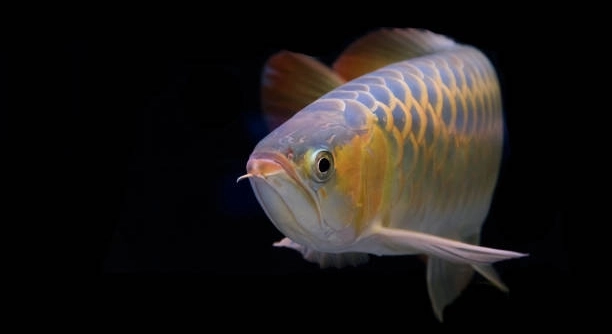
Are your Arowanas moving slowly or appearing uninterested in their surroundings? Many fish owners may not realize that mental stimulation is as important as water quality and diet for keeping these majestic creatures healthy and active.
Arowanas can become understimulated when their environment lacks enrichment, interaction, or challenges. Signs include reduced activity, loss of appetite, repetitive swimming patterns, aggression, fading colors, and diminished response to external stimuli. Addressing these factors ensures their overall well-being and prevents behavioral issues.
Observing subtle changes in your Arowana’s behavior can reveal hidden needs, making it easier to create a more engaging and enriching environment for your fish.
Reduced Activity and Lethargy
Arowanas are naturally active swimmers that explore their tank and interact with their environment. When an Arowana begins to move less or appears sluggish, it often signals a lack of stimulation. Reduced activity can be caused by a barren tank, minimal hiding spots, or few objects for exploration. Even a perfectly maintained tank with clean water and proper temperature cannot replace the need for mental engagement. These fish thrive on small challenges, such as floating toys, plants, or varied decorations that mimic their natural habitat. Observing your Arowana for long periods of inactivity or excessive resting at the bottom of the tank can indicate that it is not being mentally or physically stimulated enough. Introducing enrichment gradually can help improve their behavior and health. Over time, adding new elements and occasionally rearranging the tank can rekindle their curiosity and restore normal activity levels.
Monitoring inactivity carefully ensures timely action to prevent further health decline.
Gradually changing the tank setup, adding floating or sinking objects, and rotating decor encourages movement, exploration, and interest, keeping the Arowana engaged.
Loss of Appetite
A loss of appetite is one of the most noticeable signs of understimulation in Arowanas. When fish stop eating or show less interest in food, it often reflects stress or boredom rather than illness. Environmental monotony, such as a tank without visual or physical challenges, can lead to disinterest in feeding. Some Arowanas may refuse their favorite foods, while others eat smaller amounts than usual, signaling a drop in engagement. Maintaining a stimulating environment with occasional rearrangements, live plants, or floating objects can reignite feeding interest. Feeding routines that include variation in food type, presentation, and timing help prevent monotony. For example, alternating between live, frozen, and pellet foods can spark curiosity and motivate the fish to feed actively.
Providing mental and physical stimulation ensures appetite returns, contributing to overall health. Reintroducing toys, rearranging decorations, or hiding food in different spots encourages natural foraging instincts, improving both diet and activity levels. A healthy feeding response reflects not only physical well-being but also an engaged and mentally active fish. Observing your Arowana during feeding time can help identify boredom-related disinterest. Combining environmental enrichment with varied feeding strategies creates a more dynamic habitat, enhancing both nutrition and engagement. This approach promotes better behavior, reduces stress, and supports long-term health. Adjustments can be subtle, but consistent attention prevents prolonged loss of appetite and ensures the Arowana remains vibrant and active.
Repetitive Swimming Patterns
Repetitive swimming, such as pacing along the tank walls or circling the same route, often indicates understimulation. This behavior shows that the Arowana is restless and needs environmental challenges to stay mentally engaged.
Providing objects like floating plants, driftwood, or rocks can break monotony and encourage varied movement. Repositioning tank items regularly creates new exploration paths and stimulates natural curiosity. Repetitive swimming is often linked to boredom, and altering the tank layout can redirect energy toward healthy exploration. Observing these patterns helps identify which changes engage the fish most effectively. Introducing small variations gradually prevents stress and promotes natural behaviors.
Rearranging decor and introducing occasional new elements helps reduce repetitive swimming. Active engagement with the environment improves both mental and physical health.
Aggressive Behavior
Aggression toward tankmates or even reflections in the glass can signal understimulation. Arowanas deprived of enrichment may lash out or display territorial tendencies. Regularly altering tank features and providing visual barriers helps reduce stress and channel energy positively.
Aggressive behavior often stems from excess energy without outlets. When Arowanas lack challenges, they may target other fish or objects repeatedly. Creating spaces for hiding and establishing territories can reduce conflict. Engaging them with floating toys or occasional live food stimulates natural hunting instincts. Over time, aggression decreases as the fish adapts to a more enriched and engaging environment. Mental stimulation reduces frustration, making Arowanas calmer and more interactive. Tracking behavioral changes allows for timely adjustments in tank setup.
Consistently providing enrichment and rearranging tank elements ensures energy is directed toward exploration instead of conflict. Gradual introduction of new items maintains curiosity and keeps aggression in check.
Fading Colors
Arowanas with dull or faded colors often indicate understimulation. Lack of environmental enrichment and mental challenges can cause their natural vibrancy to diminish.
Introducing plants, rocks, or floating objects helps restore interest in the surroundings. Active engagement encourages better coloration over time and supports overall well-being.
Diminished Response to Stimuli
Arowanas that no longer react to movements, tapping, or feeding cues may be understimulated. Mental inactivity can reduce alertness and awareness. Creating opportunities for interaction, like moving objects or occasional changes in decor, can revive responsiveness and promote natural behaviors.
Excessive Hiding
Hiding for extended periods often reflects boredom or stress. When an Arowana lacks engaging elements, it may withdraw to corners or under decorations to pass time.
Erratic Movements
Sudden darting or unusual swimming patterns can indicate restlessness caused by understimulation. Observing these behaviors allows timely adjustments to the environment.
FAQ
How can I tell if my Arowana is understimulated?
Signs of understimulation include reduced activity, repetitive swimming, loss of appetite, aggression, fading colors, excessive hiding, and diminished response to stimuli. Observing daily behaviors helps detect subtle changes early. Environmental enrichment and mental challenges often restore normal activity and interest in the tank.
What types of enrichment work best for Arowanas?
Floating plants, driftwood, rocks, and occasional live objects encourage natural exploration. Rearranging decorations periodically creates new paths for swimming and investigation. Even simple changes, like hiding food in different spots or introducing varied objects, stimulate curiosity and physical activity.
Can diet affect my Arowana’s behavior?
Yes, a varied diet is essential for both physical and mental stimulation. Alternating between pellets, frozen, and live foods encourages natural foraging instincts and prevents boredom. Feeding in different locations or hiding treats can keep your Arowana engaged and active.
How often should I change the tank setup?
Gradual changes every few weeks work best. Frequent, drastic alterations can stress the fish. Small adjustments, like rotating decorations, adding new plants, or moving hiding spots, maintain interest and encourage exploration without overwhelming your Arowana.
Is aggression always caused by understimulation?
Not always, but it is a common factor. Aggression can also stem from territorial instincts, overcrowding, or poor water conditions. Ensuring an enriched environment with hiding spaces and visual barriers helps reduce frustration and misdirected aggression.
Why does my Arowana hide so much?
Excessive hiding often indicates boredom, stress, or fear. Providing objects to explore and rearranging tank elements encourages the fish to be more active. A balance of open swimming areas and hiding spots helps your Arowana feel safe while remaining engaged.
Can understimulation affect my Arowana’s health?
Yes, mental inactivity can lead to physical issues such as poor appetite, weakened immune response, and slower growth. Stimulating the fish with new objects, varying food types, and encouraging exploration helps maintain overall health and longevity.
How do I reduce repetitive swimming?
Introduce objects, rearrange decor, and occasionally hide food in different spots. These changes provide mental challenges and redirect energy toward exploration instead of repetitive movement. Gradual changes are most effective in modifying behavior.
Will Arowanas respond to human interaction?
Some Arowanas may become familiar with their owners and respond to gentle tapping or hand movements. Interaction should remain consistent but not excessive. Combining this with environmental enrichment increases alertness and engagement.
How long does it take to see improvement?
Behavioral improvements vary depending on the fish and environmental changes. Some Arowanas respond within a few days, while others take weeks. Consistent enrichment, varied feeding, and careful observation ensure gradual and lasting improvement.
Are certain tank sizes better for mental stimulation?
Larger tanks naturally allow more exploration and activity. Adequate swimming space combined with objects, hiding spots, and visual interest promotes engagement. A cramped tank limits movement, which can worsen signs of understimulation.
What should I avoid when enriching the tank?
Avoid sudden, drastic changes that can stress the fish. Sharp decorations, overcrowding, or introducing aggressive tankmates can negatively impact behavior. Focus on gradual adjustments and safe, smooth-edged objects for stimulation.
How can I monitor progress effectively?
Keep a daily observation log of activity, feeding, color, and interactions. Noting small improvements or persistent issues helps identify which enrichment strategies are most effective and informs further adjustments.
Can understimulation affect social behavior with other fish?
Yes, a bored Arowana may act aggressively or avoid interactions with tankmates. Introducing enrichment, visual barriers, and proper spacing helps reduce tension and promotes healthier social behavior.
What is the simplest way to start enriching my Arowana’s tank?
Start with a few floating or sinking objects and rearrange existing decor. Introduce new feeding methods and monitor how your fish responds. Gradual and consistent enrichment is the most effective approach for mental stimulation.
How important is water quality in preventing understimulation signs?
While enrichment is crucial, poor water quality can exacerbate stress and inactivity. Maintaining proper temperature, pH, and cleanliness ensures your Arowana can benefit fully from mental and physical stimulation.
Can Arowanas become overstimulated?
Yes, excessive changes, bright lights, or constant disturbance can stress the fish. Balance is key: provide challenges without overwhelming them. Monitor reactions and adjust enrichment levels as needed.
What are some signs that enrichment is working?
Increased activity, improved appetite, brighter coloration, less hiding, and reduced repetitive swimming indicate that your Arowana is responding positively to changes. Gradual improvement in behavior shows that stimulation strategies are effective.
Is it necessary to rotate enrichment items regularly?
Yes, periodic rotation prevents monotony. Moving plants, rocks, or toys every few weeks keeps the environment engaging. Gradual rotation ensures the fish adapts without experiencing stress from sudden changes.
How can I balance hiding spaces with open swimming areas?
Provide both by arranging rocks or plants along the tank edges while leaving the center open for swimming. This balance reduces stress, encourages exploration, and maintains mental stimulation for your Arowana.
What role does natural behavior play in preventing understimulation?
Encouraging natural instincts, like foraging, hunting, and exploration, keeps your Arowana mentally active. Providing varied food types, objects to investigate, and changes in the tank environment supports these behaviors effectively.
How often should I review my enrichment strategies?
Assess every few weeks. Observe activity, feeding, and social behavior to determine which strategies are effective. Adjust decor, feeding methods, or object placement based on responses to maintain engagement and prevent boredom.
Can understimulation cause long-term behavioral issues?
Yes, prolonged boredom can lead to chronic aggression, stress, and physical decline. Consistent mental and environmental stimulation helps prevent lasting behavioral and health problems, ensuring a happier, more active Arowana.
Are live plants better than artificial ones for stimulation?
Both can provide enrichment. Live plants offer natural textures and hiding spots, while artificial plants are durable and easy to move. A combination ensures variety and ongoing mental engagement.
How do I know if my Arowana is stressed or just bored?
Stress often includes erratic swimming, rapid gill movement, and refusal to eat. Boredom shows as repetitive movement, hiding, or reduced interest in surroundings. Monitoring these behaviors helps tailor enrichment appropriately.
What is the easiest way to hide food for stimulation?
Place food behind plants, under driftwood, or inside decorative objects. This encourages natural foraging and problem-solving while keeping the Arowana engaged and active.
How can I prevent understimulation in a small tank?
Even in limited space, rotate decorations, provide floating objects, and vary feeding techniques. Small tanks require more creativity to maintain mental engagement without overcrowding the fish.
Is changing lighting helpful for stimulation?
Moderate changes in lighting can create interest, but avoid sudden bright flashes or constant changes. Gradual adjustments mimic natural conditions and support natural activity patterns.
How do I maintain long-term interest in the tank?
Regularly rotate objects, vary feeding, introduce occasional new elements, and monitor behavior. Consistent attention to environmental enrichment prevents stagnation and keeps your Arowana mentally and physically active.
Can adding new tankmates improve stimulation?
New fish can increase activity, but compatibility is essential. Aggressive or incompatible tankmates may cause stress. Introduce companions carefully and monitor interactions to ensure positive engagement.
How can I combine multiple enrichment strategies effectively?
Mix feeding variation, object rotation, hiding spots, and occasional interaction. Combining strategies addresses physical, mental, and social stimulation, providing a well-rounded environment for your Arowana.
What should I do if signs of understimulation persist?
Reevaluate tank conditions, water quality, enrichment strategies, and diet. Consulting an experienced aquarist or veterinarian may help identify underlying issues and ensure proper behavioral and physical health support.
Final Thoughts
Keeping an Arowana healthy and happy goes beyond maintaining clean water and proper nutrition. Mental stimulation is equally important for their well-being. These fish are naturally curious and active, and a lack of environmental enrichment can lead to visible behavioral and physical issues. Signs such as reduced activity, repetitive swimming, loss of appetite, aggression, fading colors, excessive hiding, or diminished responsiveness are often linked to understimulation. Observing your Arowana daily can help you identify these changes early. The small details, like where it swims, how it responds to food, or how it interacts with tankmates, provide insight into its mental state. Addressing understimulation promptly improves not only behavior but also overall health, supporting a longer and more active life for your fish.
Creating a stimulating environment does not need to be complicated. Simple changes, such as adding floating plants, driftwood, or rocks, can provide new areas for exploration and activity. Rearranging these elements occasionally keeps the surroundings fresh and engaging. Incorporating varied feeding techniques, like hiding food in different spots or offering a combination of live, frozen, and pellet foods, also encourages natural foraging behaviors. Providing both open swimming areas and safe hiding spaces creates a balanced environment, giving the Arowana the freedom to explore while offering comfort. Even small adjustments can make a significant difference in reducing boredom, promoting curiosity, and improving interactions within the tank. Consistency in maintaining stimulation ensures that your Arowana remains active and engaged over time.
Monitoring the effectiveness of these strategies is essential. Keep track of changes in activity levels, appetite, color, and social behavior to determine what works best for your fish. Gradual adjustments allow the Arowana to adapt without stress. While overstimulation is possible, careful planning of environmental enrichment can prevent this. Mental engagement, combined with good water quality, proper nutrition, and adequate space, forms the foundation of a healthy habitat. Understanding your Arowana’s behaviors and responding to its needs reinforces a supportive environment that encourages natural instincts, reduces stress, and promotes long-term health. Observing, adjusting, and maintaining enrichment ensures your Arowana thrives physically and mentally, leading to a more active, vibrant, and balanced life.

Hello,
If you enjoy the content that we create, please consider saying a "Thank You!" by leaving a tip.
Every little bit helps us continue crafting quality advice that supports the health, happiness, and well-being of pets around the world, for pets of all shapes, sizes, and species.
We really appreciate the kindness and support that you show us!