
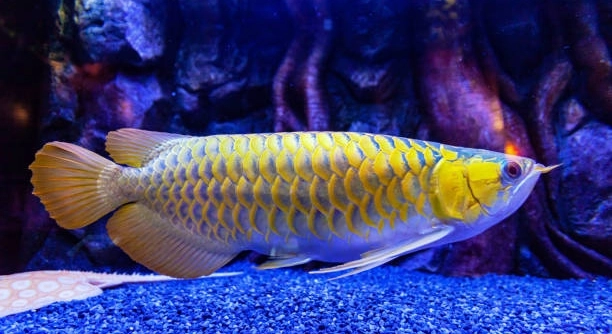
Arowanas are striking, powerful fish, but their tendency to ram into tank glass can be worrying for owners. This behavior is common and can signal stress, territorial instincts, or environmental discomfort within their aquarium.
The primary approach to prevent arowanas from ramming into glass involves adjusting tank conditions, including providing adequate space, minimizing reflections, and ensuring stable water quality. Structural enrichment and proper feeding schedules also reduce aggressive or anxious behaviors effectively.
Recognizing why this behavior occurs is key to maintaining arowanas’ well-being. Small adjustments in their environment can significantly improve their comfort and reduce repeated collisions.
Understanding Why Arowanas Ram the Glass
Arowanas are naturally active and territorial fish. When they repeatedly ram into the tank glass, it is often a sign of stress or frustration. Factors like a tank that is too small, sudden changes in water conditions, or aggressive tank mates can trigger this behavior. Bright lighting or reflective surfaces may also confuse the fish, causing it to see its own reflection as a rival. Young arowanas may display more frequent collisions due to their higher energy levels and curiosity. Additionally, improper feeding schedules can increase activity and anxiety, prompting them to swim rapidly toward the glass. Observing the tank closely and noting when these behaviors occur is essential. By identifying patterns and environmental triggers, you can adjust the setup to better suit the fish. Incorporating decorations, hiding spaces, and proper filtration can create a more comfortable habitat, which significantly reduces the chance of stress-induced collisions.
Regular observation of your arowana helps you detect stress signs early, allowing for timely changes that improve its overall behavior.
Small changes in lighting and tank placement can make a significant difference. Adjusting reflections and visual stimuli reduces confusion and prevents repeated ramming.
Tank Adjustments and Enrichment
Making adjustments to the tank environment is crucial for reducing glass-ramming incidents. Positioning the aquarium away from direct sunlight and heavy traffic areas minimizes external stress. Adding driftwood, rocks, or plants provides visual barriers and hiding spaces, which helps the fish feel more secure. Proper tank size is critical; arowanas require ample space to swim freely. A tank that is too small encourages frustration, resulting in repeated collisions. Filtration and water movement should be moderate to prevent additional stress. Ensuring stable water temperature, pH, and oxygen levels reduces environmental triggers for anxiety. Feeding routines also play a role, as irregular or insufficient feeding can make the fish more aggressive or restless. Gentle tank maintenance and avoiding sudden changes in water conditions keep the fish comfortable. By carefully managing these factors, owners can create an environment that supports both the health and natural behaviors of their arowanas, reducing stress and preventing injury.
Even simple rearrangements and consistent routines often lead to calmer, safer behavior in your arowana.
When you implement these changes, the fish quickly adapts to its environment. Visual barriers like plants or background panels help it feel secure, while proper spacing and water quality reduce irritability. Over time, the arowana becomes less likely to collide with glass, and daily observation ensures that any new stress triggers are addressed promptly. Regular feeding, consistent lighting, and gentle interaction also contribute to a calmer, healthier fish. These adjustments create a more natural and enriched habitat that satisfies the arowana’s swimming needs, reduces anxiety, and prevents potential injuries. Consistency in care reinforces positive behavior, and minor environmental tweaks can dramatically improve the fish’s overall well-being.
Monitoring Health and Behavior
Regular health checks are essential when an arowana frequently rams the glass. Look for injuries, stress signs, or abnormal swimming patterns. Addressing health issues early prevents further complications and reduces aggressive behaviors.
Keeping a close eye on your arowana’s behavior helps you identify triggers for glass ramming. Observe its interactions with other fish, response to feeding, and activity levels at different times of the day. Stress can manifest in subtle ways, such as rapid fin movement, loss of appetite, or erratic swimming. Recording observations over several weeks provides insight into patterns, making it easier to implement changes. Immediate action when you notice unusual behavior can prevent injuries and maintain long-term health. Regular water tests and proper filtration complement these observations.
Behavioral adjustments like adding visual barriers or rearranging tank decorations can significantly improve comfort. Providing hiding spaces and reducing reflections gives the fish a sense of security. Social factors, such as tank mates, must also be considered, as aggressive or incompatible companions may trigger stress and collisions. Environmental enrichment, such as floating plants or gentle water currents, encourages natural activity without promoting frantic swimming. Combined with consistent feeding routines, these adjustments help stabilize behavior. Gradually, your arowana will show calmer swimming patterns, and repeated glass collisions should decrease, improving both safety and overall well-being.
Feeding Practices and Routine
Arowanas respond positively to predictable feeding routines. Scheduled meals help reduce stress and prevent erratic swimming toward the glass. Maintaining consistency in portion sizes and timing is key to controlling behavior.
Overfeeding or irregular feeding can increase energy levels, causing arowanas to swim aggressively and ram the glass. Providing a balanced diet with high-quality pellets, live foods, or frozen options ensures nutritional needs are met while limiting overexcitement. Observing the fish during feeding helps gauge appetite and prevent leftovers from fouling the water. Introducing foods gradually and rotating types encourages engagement and prevents boredom, which can lead to repeated collisions. Clean feeding areas and proper removal of uneaten food maintain water quality and reduce additional stress. Proper nutrition, combined with a calm feeding environment, directly influences the fish’s behavior and overall health.
Consistent feeding routines also support mental well-being. A predictable schedule allows the arowana to anticipate meals without becoming restless. Timing meals with natural light cycles reinforces a sense of security. Avoid sudden changes in food type or quantity, as these may increase anxiety and frantic activity. Observing reactions to different foods provides insight into preferences and possible dietary deficiencies. Using feeding tools, like tongs or designated feeding areas, limits competition and maintains order in the tank. Over time, these practices help reduce stress-induced collisions, support healthy growth, and contribute to a more stable, content fish.
Tank Size and Space
Arowanas need ample swimming space. A tank that is too small limits movement and increases collisions with glass. Ensuring sufficient length, width, and height reduces stress and supports natural swimming patterns.
Providing a roomy environment allows the fish to explore comfortably. Overcrowding or tight spaces intensify aggressive or anxious behavior, leading to frequent ramming. Proper dimensions improve both safety and overall well-being.
Managing Reflections
Reflections in the tank often confuse arowanas, making them see themselves as rivals. Using background panels or frosted glass reduces visual triggers.
Adjusting lighting angles or placing the tank away from bright light sources minimizes reflections. Covering one or more sides of the aquarium can help the fish focus on its environment instead of perceived competitors, calming behavior effectively.
Consistency in Care
Regular maintenance and stable routines support arowanas’ mental and physical health. Keeping water quality, feeding, and tank inspections consistent prevents stress-induced ramming.
Why does my arowana keep ramming into the glass?
Repeated glass ramming usually signals stress, frustration, or environmental issues. Small tanks, reflective surfaces, or sudden changes in water conditions can make arowanas anxious. Overcrowding, aggressive tank mates, or bright lights may also trigger this behavior. Understanding these factors helps prevent injuries and improves the fish’s well-being.
Can injuries occur from glass collisions?
Yes, frequent collisions can lead to bruises, torn fins, or damaged scales. Monitoring your arowana for cuts or abrasions is essential. Addressing environmental triggers promptly and creating hiding spaces reduces the risk of physical harm, keeping the fish healthier and calmer.
How big should an arowana tank be?
Arowanas require large tanks, typically at least 250–300 gallons for adults. The tank should provide enough length and width for swimming freely. Small tanks restrict movement, increase stress, and can intensify ramming behavior, so investing in proper dimensions is crucial.
Do reflections make arowanas more aggressive?
Reflections can confuse arowanas, making them see their own image as a rival. This often results in repeated ramming or territorial displays. Using background panels, frosted glass, or repositioning the tank away from bright light helps minimize visual triggers and aggressive responses.
Will feeding routines affect this behavior?
Yes, inconsistent feeding or overfeeding can make arowanas more restless and prone to ramming. Scheduled meals with balanced portions reduce anxiety and hyperactivity. Observing the fish during feeding ensures it receives proper nutrition without overstimulating it, helping maintain calmer behavior.
What role do tank mates play?
Tank mates can influence arowana behavior significantly. Aggressive or incompatible companions increase stress and territorial disputes, prompting glass collisions. Careful selection of peaceful, appropriately sized tank mates helps reduce stress and encourages harmonious interactions.
Can decorations prevent ramming?
Adding driftwood, plants, or rocks provides visual barriers and hiding spaces. These enrich the environment, reduce stress, and give the arowana areas to explore safely. Proper placement also breaks up reflections, making the fish less likely to collide with glass repeatedly.
How often should water conditions be checked?
Regular monitoring of temperature, pH, and ammonia levels is critical. Sudden changes in water quality can stress arowanas and increase glass ramming. Weekly tests, proper filtration, and gradual adjustments maintain a stable, healthy environment.
Does lighting affect arowana behavior?
Bright or fluctuating lights can trigger stress and erratic swimming. Positioning the tank away from direct sunlight and using consistent, moderate lighting reduces confusion and promotes calmer movement, decreasing the likelihood of collisions.
What should I do if my arowana is injured from glass?
Immediate care is essential. Clean the affected area gently, maintain optimal water conditions, and consider isolation if necessary to prevent further injury. Providing a stress-free environment allows healing while reducing anxiety-driven behavior.
Is there a way to train or discourage ramming?
Behavioral conditioning is limited, but consistent routines, environmental enrichment, and minimizing stress triggers help reduce repeated collisions. Over time, the fish adapts to the improved environment and demonstrates calmer swimming patterns.
How long does it take for behavior to improve?
Behavioral improvements vary depending on the cause. Minor adjustments, like reducing reflections or adding hiding spaces, may show results within weeks. Larger issues, such as tank size or incompatible tank mates, may take months to fully resolve.
Can multiple arowanas be kept together safely?
Yes, but space, size, and temperament must be considered carefully. Overcrowding or mismatched sizes can cause stress, aggression, and increased glass collisions. Proper planning and monitoring are essential when housing multiple arowanas.
Does water flow influence collisions?
Strong currents can make arowanas swim erratically, increasing the chance of hitting glass. Moderate, gentle filtration and water flow allow the fish to move naturally without stress, promoting calmer behavior.
What long-term measures prevent repeated ramming?
Ensuring adequate tank size, stable water conditions, consistent feeding, environmental enrichment, and careful selection of tank mates are all essential. These measures collectively create a safe, comfortable habitat, reducing stress, promoting natural behavior, and minimizing collisions over time.
How can I tell if the behavior is stress-related or health-related?
Observe the fish closely for signs like loss of appetite, rapid breathing, discoloration, or fin damage. Stress usually correlates with environmental factors, while health issues may present physical symptoms. Identifying the root cause allows targeted intervention for safer, healthier conditions.
Can supplements or vitamins help?
Balanced nutrition supports overall health, but supplements alone won’t stop glass ramming if the behavior is stress-related. Providing high-quality food, varied diet, and proper feeding schedules ensures the fish is healthy and less prone to anxious swimming.
Are there signs the tank environment is insufficient?
Frequent collisions, erratic swimming, hiding, or aggression indicate that the environment may be inadequate. Insufficient space, poor water quality, strong lighting, or lack of enrichment can all contribute, signaling a need for adjustments to improve comfort and safety.
Does age or size affect behavior?
Young, energetic arowanas often ram glass more frequently due to curiosity and activity levels. Adults may continue occasional collisions if stressed or bored. Tank size and enrichment must be adjusted according to the fish’s growth to maintain appropriate conditions and prevent repeated incidents.
How important is daily observation?
Daily monitoring helps detect early stress signals or health issues. Consistent observation allows timely interventions, like adjusting water quality, rearranging decorations, or modifying feeding routines, ensuring the arowana remains healthy and less likely to engage in harmful glass collisions.
What is the best combination of measures to reduce ramming?
A combination of a large tank, stable water conditions, consistent feeding, environmental enrichment, reduced reflections, and appropriate tank mates is most effective. Together, these strategies create a comfortable, secure environment, allowing the arowana to swim naturally and significantly reduce repeated glass collisions.
Final Thoughts
Arowanas are remarkable and powerful fish, but their tendency to ram into the glass can be stressful for both the fish and the owner. This behavior is often a sign that something in the environment is not fully meeting their needs. By observing the fish closely and paying attention to patterns in its behavior, it becomes easier to identify the factors causing stress or agitation. Common triggers include small tank size, reflections in the glass, bright lighting, and aggressive or incompatible tank mates. Even changes that seem minor, like sudden water temperature fluctuations or irregular feeding times, can increase anxiety and encourage repeated collisions. Understanding that these behaviors are a form of communication is important. The fish is not “misbehaving” but reacting to its surroundings in the only way it knows. Adjustments to the tank setup, feeding routines, and daily care can significantly reduce this behavior while supporting the arowana’s overall health.
Tank size is a particularly crucial factor to consider. Arowanas need large, open spaces to swim freely, which helps prevent frustration and stress-induced behaviors like ramming. Decorations, hiding spaces, and visual barriers also improve the environment by providing security and breaking up reflections. Stable water quality and proper filtration are equally important, as sudden changes in water chemistry or oxygen levels can trigger panic or hyperactivity. Feeding routines play a role too; predictable schedules and a balanced diet help keep energy levels steady, reducing restlessness that might lead to glass collisions. Monitoring health closely ensures that injuries or illnesses are addressed promptly, preventing stress from compounding. Each of these steps works together to create an environment that meets both the physical and psychological needs of the fish, helping it feel secure and less likely to collide with the tank glass.
Consistency and attention are the keys to preventing repeated glass collisions. Arowanas thrive in stable, predictable environments with sufficient space, proper nutrition, and visual enrichment. Small changes, like covering reflective surfaces, adjusting lighting, or providing hiding spots, can make a noticeable difference in behavior over time. Observing the fish daily allows owners to spot potential issues early, whether they are health-related or environmental. By maintaining a routine and addressing problems as they arise, the arowana gradually becomes calmer and more confident in its surroundings. These adjustments not only prevent injuries but also support long-term growth, natural swimming patterns, and overall well-being. With patience and careful attention, repeated glass ramming can be minimized, creating a safer and more comfortable habitat where the arowana can thrive.

Hello,
If you enjoy the content that we create, please consider saying a "Thank You!" by leaving a tip.
Every little bit helps us continue crafting quality advice that supports the health, happiness, and well-being of pets around the world, for pets of all shapes, sizes, and species.
We really appreciate the kindness and support that you show us!