
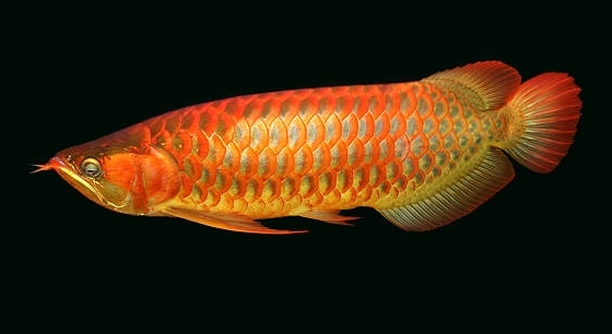
Observing an arowana can be both exciting and calming for enthusiasts. These elegant fish move gracefully through their tanks, often capturing attention with their shimmering scales and poised swimming patterns. Watching them closely can reveal much about their temperament.
A confident arowana exhibits steady, purposeful movements and maintains a strong posture while swimming. Its fins remain extended, and it responds calmly to environmental changes, showing no signs of stress, fear, or erratic behavior within its habitat.
Recognizing these traits can improve how you care for your arowana and ensure it thrives in your aquarium environment.
Steady Swimming Patterns
A confident arowana moves through the water with consistent, smooth strokes. It doesn’t dart or hesitate, and its movements appear controlled rather than frantic. Watching it glide across the tank, you can see a clear rhythm in how it navigates obstacles, surfaces, and decorations. This steady swimming indicates the fish is comfortable and secure in its environment. When the arowana explores new areas of the tank, it does so deliberately, showing curiosity without panic. In contrast, a nervous or unsettled arowana often skitters, hides, or freezes in corners. Observing these differences over time helps you understand its personality and current state of wellbeing. Tank layout also plays a role; open areas allow the fish to display confidence more visibly. Proper feeding, water quality, and minimal disturbances support these healthy swimming behaviors. Watching the arowana can become a calm, rewarding routine, as you notice how consistently it maintains composure even during minor environmental changes.
Consistent, purposeful swimming shows the fish is comfortable, secure, and well-adjusted to its surroundings, reflecting its confidence and calm nature.
Tracking these swimming patterns allows you to identify changes quickly. By noting how your arowana moves daily, you can address stress triggers early. Smooth, deliberate strokes also signal that the fish is physically healthy, with no fin or muscle issues affecting movement. Maintaining consistent observations strengthens your ability to spot confident behaviors and provides insight into its overall wellbeing.
Alert Posture and Fin Display
A confident arowana holds its body straight, with fins fully extended, scanning its environment calmly.
Maintaining a strong, upright posture while moving or resting is a clear sign of self-assurance. The dorsal, pectoral, and caudal fins remain open and flexible, not clamped, reflecting physical health and readiness. Subtle movements of the fins allow for balance and agility, which are necessary for exploring the tank and reacting to stimuli without panic. A confident arowana will often patrol the mid to upper levels of the tank, showing comfort with both space and height. Observing fin behavior over time can reveal gradual changes in confidence or health. If fins start to droop or clench frequently, it may indicate stress, water issues, or illness. Maintaining clean water, stable temperatures, and a balanced diet supports both posture and fin display. These physical traits not only signify confidence but also contribute to the fish’s ability to interact with its environment safely and efficiently.
Focusing on posture and fin extension helps you identify which arowanas are truly confident, ensuring proper care and observation.
Calm Response to Feeding
Confident arowanas approach feeding without rushing or snapping aggressively. They wait for the food, showing patience and controlled behavior while maintaining steady swimming and alert posture.
During feeding time, a confident arowana observes the surroundings before striking at food. It doesn’t thrash or fight with other fish over meals. Instead, it takes measured bites, ensuring no energy is wasted. This controlled approach reflects both self-assurance and familiarity with its tank environment. Watching how the fish interacts with food provides insight into temperament. Aggressive or hesitant reactions may indicate insecurity or stress, whereas calm, deliberate feeding shows a healthy, confident personality. Repeating this observation daily helps track behavioral consistency over time.
Feeding behavior also interacts with the fish’s environment. Open space, proper water conditions, and minimal sudden disturbances enhance calmness. Confident arowanas learn to anticipate meals without panic, demonstrating trust in routine and safety within the tank. Over time, this steady response to feeding signals both mental and physical well-being, which is essential for maintaining long-term health and growth.
Social Awareness and Territory
Confident arowanas recognize other fish and respect personal space, maintaining boundaries without showing unnecessary aggression.
When placed in a shared tank, confident arowanas monitor other fish carefully. They establish clear territory but do not overreact to intrusions unless necessary. Subtle movements, such as shifting closer or displaying fins slightly, communicate ownership without escalating to violence. The fish adapts to companions’ behaviors, avoiding stress and maintaining a stable social environment. Observing interactions over days allows you to identify which individuals are dominant yet secure versus anxious or reactive. This awareness helps prevent conflicts and promotes harmony, which contributes to overall confidence.
Territorial behavior in a confident arowana is deliberate and controlled. The fish patrols boundaries, ensuring no one encroaches, but avoids chasing or constant confrontation. It distinguishes between real threats and neutral presence, which reduces unnecessary energy expenditure. Such balance between vigilance and composure reflects experience and self-assurance. Confident arowanas often return to familiar resting areas after brief patrols, demonstrating predictable routines. Consistent observation of these patterns ensures proper care and minimizes stress in a mixed-species tank, supporting long-term health and stable behavior.
Clear Observation of Surroundings
Confident arowanas continuously scan their environment, moving their eyes and adjusting their body position calmly. They notice changes without panic and react in a measured way, reflecting awareness and comfort in the tank.
They respond to new objects or movements without erratic behavior. Their attention is steady, indicating mental alertness and security.
Smooth Interaction with Tank Decor
Confident arowanas navigate decorations and plants with care, avoiding collisions. They show dexterity, moving gracefully around obstacles and exploring areas without fear or hesitation. This controlled interaction demonstrates familiarity with their environment and confidence in their swimming abilities, ensuring both safety and stability.
Consistent Resting Spots
Confident arowanas return to familiar resting areas regularly, demonstrating trust in their tank setup and comfort with their surroundings.
How can I tell if my arowana is confident?
A confident arowana swims steadily and maintains a strong, upright posture. Its fins stay open, and it interacts with its environment calmly. The fish approaches food without rushing and reacts to other tank inhabitants with measured responses. Observing these behaviors consistently indicates comfort and assurance in its surroundings.
Why is steady swimming important for a confident arowana?
Steady swimming shows that the arowana is physically healthy and mentally secure. Erratic or fast movements often point to stress, fear, or environmental discomfort. Watching the fish glide smoothly around its tank demonstrates both balance and familiarity with its habitat, which is a key sign of confidence.
How do fins reveal confidence?
Fully extended fins, including dorsal, pectoral, and caudal fins, indicate a confident arowana. Clamped or drooping fins often suggest stress or illness. Confident arowanas use subtle fin movements to maintain stability and maneuver around obstacles efficiently, reflecting comfort and strength.
What role does feeding behavior play in identifying confidence?
A confident arowana waits patiently for food, taking measured bites without thrashing. Aggressive snapping or hesitation signals insecurity or stress. Calm, consistent feeding behavior shows familiarity with routine and trust in the environment, providing a reliable measure of the fish’s temperament.
How does arowana respond to other fish when confident?
Confident arowanas respect territory and recognize other tank inhabitants without excessive aggression. They patrol boundaries carefully, displaying subtle movements to communicate dominance but avoiding unnecessary conflict. Observing how the fish interacts socially helps identify which behaviors are secure versus anxious or reactive.
Can environmental factors affect confidence?
Yes. Stable water conditions, adequate space, proper lighting, and minimal disturbances support confident behavior. Arowanas in poor water quality or crowded tanks may exhibit stress, erratic swimming, or clamped fins. Maintaining a consistent environment is essential for reinforcing calm and controlled behavior.
How do resting spots reflect confidence?
Confident arowanas return to familiar resting areas predictably. This behavior shows trust in the tank setup and comfort with surroundings. Avoiding constant hiding or restless movement indicates the fish feels secure in both open spaces and near decorations or plants.
What should I do if my arowana shows signs of insecurity?
Check water quality, tank size, and temperature first, as poor conditions often trigger stress. Reduce disturbances, avoid sudden changes, and ensure a balanced diet. Adding hiding spots or rearranging decorations gradually can help the fish feel safer while encouraging natural behaviors.
How long does it take for an arowana to show confidence?
The timeframe varies depending on the fish’s age, health, and prior environment. Some arowanas adjust within weeks, while others take months. Consistent care, minimal stress, and a stable environment accelerate confidence development, but patience is essential.
Are confident arowanas healthier overall?
Yes. Confidence usually aligns with mental stability, proper feeding, and effective interaction with the environment. A confident arowana displays strong swimming, clear eyes, and vibrant scales, all indicators of good physical health and wellbeing. Monitoring these traits ensures long-term care success.
Can I improve my arowana’s confidence?
Yes. Provide stable water conditions, proper nutrition, ample swimming space, and controlled interactions with other fish. Observe daily routines, reinforce calm behaviors, and avoid sudden disturbances. Gradual exposure to new objects or changes helps build experience and self-assurance.
Why is observation important for understanding confidence?
Careful observation reveals patterns in swimming, feeding, fin display, social interactions, and resting behavior. Tracking these consistently allows you to distinguish normal confident behaviors from stress or illness. Observing changes early helps prevent problems and supports long-term wellbeing.
Do confident arowanas react differently to tank changes?
Yes. Confident arowanas notice changes but respond calmly. They explore new decorations or rearrangements without panic, moving deliberately and assessing surroundings. Insecure fish may freeze, dart, or hide, so these reactions provide a clear measure of self-assurance.
What physical traits accompany confidence?
Steady posture, open fins, smooth movements, and alert eyes indicate confidence. Vibrant scales and consistent feeding are also positive signs. These traits reflect both physical health and comfort in the tank environment.
How does tank size influence confidence?
Arowanas need ample space to swim freely. Crowded tanks can cause stress, erratic swimming, and aggression. Larger tanks allow the fish to patrol territory, explore confidently, and maintain calm behavior, all of which reinforce natural self-assurance.
Can confident behavior change over time?
Yes. Changes in water quality, health, social dynamics, or stress levels can affect confidence. Continuous observation and proper care ensure that the arowana maintains steady behavior, and any changes can be addressed promptly to restore comfort.
Is social interaction necessary for confidence?
Interaction with other fish is important but should be monitored. Confident arowanas understand boundaries, but overcrowding or incompatible species can induce stress. Balanced exposure helps the fish develop strong awareness without fear, maintaining stable and confident behavior.
How do I maintain long-term confidence in my arowana?
Ensure clean water, appropriate tank size, steady feeding schedules, and controlled interactions with other fish. Minimize sudden disturbances and provide consistent resting areas. Observation and patience reinforce confidence, supporting both physical and mental wellbeing throughout the fish’s life.
Can confident arowanas be aggressive?
Confident arowanas may show controlled aggression, such as establishing territory or displaying fins. However, it is measured and purposeful, unlike erratic or nervous aggression, which reflects insecurity. Proper monitoring ensures interactions remain safe and balanced.
Does diet affect confidence?
Yes. A well-fed arowana maintains energy, strength, and composure. Irregular or inadequate feeding can trigger stress, nervous behaviors, or competition with other fish. Balanced nutrition directly supports both physical health and confidence.
What signs indicate a sudden loss of confidence?
Clamped fins, erratic swimming, hiding, hesitation to eat, or excessive reactions to other fish indicate stress or discomfort. Identifying these signs early allows for corrective measures, such as checking water conditions, improving tank layout, or addressing health issues.
How can I observe confidence without disturbing the fish?
Use indirect observation by watching from outside the tank. Note swimming patterns, fin positions, interactions, and resting spots. Avoid tapping or startling the fish, allowing you to accurately assess natural, confident behavior.
What role does routine play in confidence?
Consistent feeding schedules, stable lighting, and minimal sudden changes help the arowana anticipate its environment. Predictable routines reduce stress, reinforce trust, and encourage controlled, confident behaviors.
Can water quality issues mimic lack of confidence?
Yes. Poor water conditions cause stress, leading to clamped fins, erratic swimming, and hiding. Ensuring stable parameters like temperature, pH, and cleanliness is critical to distinguish between health problems and behavioral confidence.
How do I know if confidence is genuine or temporary?
Genuine confidence is consistent over weeks, with steady swimming, calm feeding, and controlled social interactions. Temporary confidence may appear after minor environmental improvements but quickly reverts under stress. Long-term observation confirms true assurance.
Are younger arowanas less confident than adults?
Generally, younger arowanas may appear more hesitant as they adapt to new surroundings. Adults with stable routines and proper care often display stronger, more predictable confidence, though patience and observation help younger fish develop self-assurance.
How do tank decorations influence confidence?
Proper placement of plants, hiding spots, and open swimming areas provides security and exploration opportunities. Decorations that are too crowded or sharp can trigger stress, while well-arranged environments encourage controlled movements and confident behaviors.
Can confident arowanas coexist with other species?
Yes, if species are compatible and the tank is large enough. Confident arowanas recognize boundaries without excessive aggression, maintaining stable social interactions. Observation ensures safety and minimizes conflict.
How do I track changes in confidence?
Keep notes on swimming patterns, feeding behavior, fin positions, resting spots, and interactions. Monitoring these indicators over time helps identify shifts in temperament and informs timely adjustments to care and environment.
Does tank lighting affect confidence?
Yes. Balanced lighting allows the fish to see its surroundings clearly, promoting calm exploration. Too bright or inconsistent lighting can cause stress, while proper illumination enhances alertness and comfort.
How important is mental stimulation?
Providing variety in tank decor, occasional changes, and proper enrichment encourages curiosity and deliberate exploration. Mental stimulation supports alertness, reduces boredom, and reinforces confident behaviors.
Can stress reduce confidence permanently?
Chronic stress can have long-term effects on behavior and health. Addressing water quality, diet, social interactions, and environment promptly helps restore confidence before negative patterns become ingrained.
Are confident arowanas easier to care for?
Generally, yes. Confident arowanas exhibit predictable behaviors, making feeding, cleaning, and monitoring easier. Their calm, controlled actions reduce risks of injury, aggression, or stress-related health issues.
Do confident arowanas have better growth rates?
Often, yes. Reduced stress and consistent feeding allow energy to focus on growth and overall health. Observing confident behaviors correlates with proper nutrition absorption and strong physical development.
How often should I observe my arowana for confidence?
Daily observation is ideal. Noting patterns in swimming, feeding, social interactions, and resting behaviors ensures timely detection of changes, supports wellbeing, and reinforces steady, confident behavior in the long term.
Can confidence be affected by tank size changes?
Yes. Moving to a smaller or overcrowded tank can trigger stress, clamped fins, and erratic swimming. Gradual adjustments and proper acclimation help maintain confidence during transitions.
Does temperature stability impact confidence?
Yes. Sudden temperature shifts or prolonged inappropriate temperatures can stress arowanas, causing behavioral changes. Maintaining stable, optimal water conditions supports calm, controlled movements and consistent confidence.
Can confident arowanas be playful?
Yes. Confident arowanas explore their environment actively, interact with objects or companions, and swim with purpose. This controlled curiosity reflects security and mental stimulation.
How do I distinguish between confidence and dominance?
Confidence is calm, deliberate, and steady. Dominance may include assertive displays or boundary enforcement. Confident fish maintain balance between vigilance and composure, while dominance alone does not guarantee calm, secure behavior.
Are there signs of overconfidence?
Overconfidence can appear as unnecessary aggression, excessive patrolling, or disregard for other fish. Balanced, controlled behaviors indicate healthy confidence rather than reckless actions.
Can confident arowanas adapt to new tanks easily?
With proper acclimation, yes. Gradual introduction, stable water conditions, and familiar routines reduce stress and help the fish transfer confident behaviors to a new environment.
Is observation enough to maintain confidence?
Observation alone is not enough. It must be paired with proper care, stable environment, and consistent routines to reinforce behaviors and support both mental and physical wellbeing.
Can confident arowanas handle occasional disturbances?
Yes. They react calmly to minor changes, such as brief lighting adjustments or human presence. Insecure fish are more likely to panic under similar conditions.
Does confidence affect lifespan?
Indirectly, yes. Confident fish experience less stress, maintain healthy feeding, and interact safely with the environment, supporting overall health and potentially extending lifespan.
How do I reinforce positive behavior?
Consistently provide stable care, balanced feeding, controlled social interactions, and gradual environmental enrichment. Reinforcing calm, steady behavior encourages long-term confidence and mental stability.
Can confident arowanas become stressed suddenly?
Yes. Sudden changes in water quality, tankmates, or environment can trigger stress. Continuous observation and proper adjustment help minimize negative impacts on confidence.
Are confident arowanas more visually appealing?
Often, yes. Healthy, calm, and active fish display vibrant scales, smooth movements, and steady fins, enhancing visual appeal in the tank.
Do confident arowanas need less intervention?
They are more predictable, but regular care is still required. Confidence reduces stress-related issues but does not replace proper feeding, cleaning, or health monitoring.
How do I identify subtle signs of insecurity?
Look for clamped fins, hesitation in swimming, hiding, or irregular feeding. Tracking these subtle cues helps prevent long-term stress and reinforces confidence early.
Can confidence be restored after stress?
Yes. Stabilizing water conditions, minimizing disturbances, and reinforcing routines can rebuild confidence gradually. Patience is key to allowing the fish to regain security and steady behavior.
Does confident behavior differ between species?
Yes. Different arowana species have unique temperaments and activity levels. Observing species-specific behaviors helps distinguish natural confidence from stress-related actions.
How do I balance confidence with caution?
Provide space, structure, and predictable routines. Confident fish should explore safely without becoming reckless, maintaining a balance between curiosity and awareness.
Is confident behavior innate or learned?
Both. Some traits are natural, but stable care, environment, and consistent routines help develop and reinforce confidence over time.
How do tank cleaning routines affect confidence?
Gentle, predictable cleaning minimizes stress. Sudden, aggressive cleaning may cause hiding, erratic swimming, or fin clamping. Regular, careful maintenance reinforces stability.
Can confident arowanas coexist with aggressive species?
Careful monitoring and adequate space are required. Confident fish may hold territory, but aggressive species can cause stress if boundaries are insufficient.
What daily habits support confidence?
Consistent feeding, observation, stable water, controlled interactions, and gradual environmental changes help maintain calm, steady behavior.
Are confident arowanas easier to breed?
Yes. Reduced stress and predictable behavior promote healthier mating interactions, feeding, and overall reproductive success.
How does diet variety impact confidence?
A balanced diet with occasional enrichment items supports energy, alertness, and controlled behaviors, contributing to steady confidence.
Can confident arowanas recover from illness faster?
Typically, yes. Reduced stress and steady routines help maintain immunity and recovery, but proper treatment is still essential.
Does tank location affect confidence?
Yes. Quiet areas with minimal foot traffic and stable lighting support calm, secure behavior, while high-traffic areas may trigger stress.
How do I recognize long-term confidence?
Consistent calm swimming, controlled feeding, steady fin posture, predictable resting spots, and measured social interactions over weeks or months indicate true confidence.
What environmental adjustments support confidence?
Adequate swimming space, structured decor, stable water conditions, predictable lighting, and minimal sudden disturbances encourage calm, steady behaviors.
How important is patience in building confidence?
Essential. Confidence develops gradually with consistent care, observation, and minimal stress. Impatience can trigger fear or insecure behaviors.
Can confident arowanas handle occasional new fish introductions?
Yes, if introductions are gradual and monitored. Confident fish adapt by observing, maintaining boundaries, and interacting carefully, avoiding unnecessary aggression or stress.
Do confident arowanas show consistent color?
Generally, yes. Vibrant, stable coloring reflects good health, calm behavior, and proper nutrition, which correlate with confident behaviors.
How do I combine all observations to assess confidence?
Track swimming patterns, posture, fin positions, feeding habits, interactions, and resting behaviors over time. A combination of steady, calm behaviors indicates true confidence.
Can confident arowanas become nervous?
Yes. Sudden environmental changes, poor water quality, or aggressive tankmates can temporarily affect behavior, though recovery is faster with stable conditions.
How does space influence social confidence?
Ample swimming area reduces stress, allows territorial boundaries, and encourages calm interactions with other fish, reinforcing measured, confident behaviors.
Does a confident arowana respond differently to humans?
Yes. Confident fish may approach or observe calmly, without erratic movements or panic, reflecting comfort with routine interactions.
Can confident behavior be a sign of dominance?
Not always. Confidence reflects self-assurance and comfort. Dominance may be displayed through territorial actions but doesn’t automatically indicate calm, secure behavior.
How often should I check water parameters to maintain confidence?
Regularly, ideally weekly, to ensure stable temperature, pH, ammonia, nitrites, and nitrates. Stable water supports calm, steady behaviors.
Does confident behavior affect tank aesthetics?
Yes. Calm, deliberate swimming, open fins, and vibrant scales enhance visual appeal, creating a more harmonious tank display.
Can confident arowanas adapt to new routines?
Yes, with gradual changes. Predictable adjustments, minimal disturbances, and consistent care allow the fish to maintain self-assurance while adapting.
Are confident arowanas more resilient?
Generally, yes. Reduced stress and steady behavior support immunity, feeding, and recovery from minor disturbances or health issues.
Do confident arowanas need mental stimulation?
Yes. Introducing new objects or rearranging decor occasionally encourages exploration, alertness, and controlled behaviors, reinforcing confidence.
Can confident arowanas handle low-level stress?
Yes. They respond calmly to minor disturbances, unlike insecure fish that may panic, hide, or show erratic behavior.
Does consistent care strengthen confidence?
Absolutely. Steady feeding, cleaning, environment, and monitoring reinforce calm, controlled behavior, supporting long-term health and self-assurance.
Are confident arowanas predictable?
Yes. Predictable swimming, feeding, resting, and social patterns make observation and care easier, reducing risks associated with stress or erratic behavior.
Can confident arowanas develop habits?
Yes. Regular feeding, resting in specific spots, and controlled interaction become habitual, reinforcing stability and security in their environment.
Does tank enrichment affect confidence long-term?
Yes. Providing exploration opportunities, resting spots, and interactive elements keeps the fish mentally stimulated and reinforces steady, self-assured behaviors.
Can confident arowanas recover from stress quicker?
Yes. Their steady behavior, calm response, and reduced energy spent on panic allow for faster adjustment and recovery with proper care.
How do I distinguish between confident and overly aggressive behavior?
Confidence is calm, steady, and deliberate. Aggression without purpose or excessive chasing indicates insecurity or environmental stress. Observation helps differentiate healthy confidence from reactive aggression.
Can confident arowanas coexist in mixed-species tanks?
Yes, with adequate space, compatible species, and clear boundaries. Confident fish maintain control without unnecessary conflict.
Does confidence influence feeding hierarchy?
Confident fish often eat efficiently without panic or aggression, understanding territory and timing. Insecure fish may compete aggressively or hesitate to feed.
How do I maintain consistent observation routines?
Observe at the same times daily, noting swimming, feeding, fin positions, resting, and interactions. Consistency allows accurate tracking of confidence and behavior trends.
Can confident arowanas tolerate occasional disturbances?
Yes, minor disturbances like short lighting changes or human presence are handled calmly, while insecure fish may panic or hide.
**
Observing a confident arowana can be a rewarding experience, as it allows you to see the fish interact with its environment in a calm and composed manner. Confidence in arowanas is not just about appearance; it is reflected in steady swimming, proper posture, extended fins, and consistent feeding behavior. A fish that glides through the tank with controlled movements demonstrates both physical health and comfort with its surroundings. Over time, these behaviors become more predictable, making it easier to identify patterns and maintain proper care. Watching the arowana navigate the tank, approach food calmly, and interact with other fish in a measured way provides reassurance that it is thriving. Confidence in these fish is closely tied to their environment, diet, and routine, meaning that the way you manage these factors directly influences their wellbeing. Providing a stable and supportive tank environment allows the fish to display its natural behaviors with ease.
Maintaining a confident arowana requires consistent observation and attention to detail. Factors such as water quality, tank size, feeding schedules, and the arrangement of decorations all impact the fish’s sense of security. Sudden changes or poor conditions can quickly reduce confidence, leading to stress and erratic behavior. By monitoring the fish daily, you can identify subtle changes in movement, posture, or social interactions before they become serious problems. Confident fish often display controlled responses to other inhabitants in the tank, signaling that they understand boundaries and feel secure in their territory. Supporting this behavior involves careful introductions when adding new tankmates, providing ample space for movement, and minimizing unnecessary disturbances. Gradually introducing new objects or rearranging decor can encourage exploration while maintaining a sense of safety. Arowanas also benefit from predictable routines, as consistent feeding and care reduce stress and reinforce calm, confident behavior.
Confidence in arowanas is closely linked to their overall health and long-term wellbeing. Fish that exhibit calm, steady behaviors are more likely to feed properly, maintain vibrant scales, and recover quickly from minor stressors or illness. Observing these behaviors consistently allows you to tailor care practices, such as adjusting tank conditions, providing enrichment, and ensuring balanced nutrition, to support both physical and mental health. Confident fish tend to establish clear resting spots and interact with their environment deliberately, which helps reduce unnecessary energy expenditure and minimizes the risk of injury or conflict. By fostering an environment where the arowana feels secure and supported, you can promote behaviors that reflect confidence and stability. Over time, these efforts lead to a healthier, more balanced fish that demonstrates steady movement, strong posture, and calm interactions. Paying close attention to the fish’s behavior not only enhances your ability to care for it but also strengthens the bond you develop through observation and understanding.

Hello,
If you enjoy the content that we create, please consider saying a "Thank You!" by leaving a tip.
Every little bit helps us continue crafting quality advice that supports the health, happiness, and well-being of pets around the world, for pets of all shapes, sizes, and species.
We really appreciate the kindness and support that you show us!