
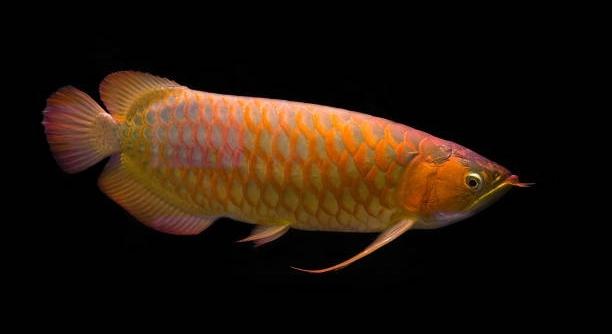
Is your arowana only eating from one side of the tank? This behavior can be surprising and a bit concerning for any fish keeper. Many owners notice this pattern and wonder what might be causing it.
Arowanas may favor one side of the tank due to environmental factors, tank setup, or minor health issues. Uneven lighting, water flow, or hidden stressors can influence feeding behavior, making the fish prefer one area for comfort and safety.
Understanding why your arowana behaves this way can improve its feeding habits and overall well-being. Exploring these details will help ensure your fish stays healthy and happy in its environment.
Common Reasons Arowanas Eat From One Side
Many arowanas eat from only one side because of simple environmental factors. Lighting that is brighter on one side of the tank can make the fish feel safer feeding in the shaded area. Water flow also matters, as strong currents can discourage them from exploring certain corners. Decorations and hiding spots can influence their preference. If one side has more cover or feels secure, the arowana may stick to that side. Sometimes, minor health issues like slight fin discomfort or mouth sensitivity cause the fish to avoid turning or stretching too much. Even the position of the food during feeding can make a difference. Fish quickly learn patterns and may consistently choose the side that feels easiest to reach. Observing the tank carefully can reveal subtle factors like uneven temperature or reflections from glass that affect their feeding habits. Adjustments are often simple but effective.
Changing the layout slightly can encourage more balanced feeding.
By adjusting decorations, moving food locations, and monitoring water flow, you can help your arowana feel more comfortable eating across the tank. Gradually altering the lighting or introducing new hiding spots may encourage exploration. Feeding from different angles or using floating versus sinking food can prompt the fish to try both sides. Small health checks ensure there are no underlying issues preventing movement. Sometimes, a minor tweak like reducing tank clutter or ensuring consistent temperatures can lead to immediate improvement. Over time, these changes can make feeding less stressful and more even. Patience is key because fish adapt slowly. Observing behavior after each change helps you understand what works best for your specific arowana. These steps not only improve feeding habits but also enhance overall well-being and reduce stress in the tank environment.
Feeding Techniques to Balance Sides
Start by placing food in alternate spots in the tank consistently.
Changing feeding techniques can help balance side preferences. Offering food on both sides or using feeding tools like tongs encourages movement. Floating pellets, live food, or slow sinking options give the fish choices and can prevent reliance on one side. Rotate feeding locations daily to stimulate natural movement and exploration. Over time, the arowana adapts, improving both appetite and activity levels.
Observing your arowana during feeding can provide insights into its habits. Note which side it prefers and how it reacts to different food types. Gradually, introduce new feeding patterns to reduce side preference. Ensuring consistent water quality, proper temperature, and minimal stress complements these feeding adjustments. Each change supports healthier behavior and promotes a more balanced tank environment. With careful observation, feeding techniques, and minor environmental tweaks, most arowanas will start using both sides of the tank naturally, leading to better nutrition, reduced stress, and a happier, more active fish overall.
Tank Environment Adjustments
Small changes in the tank setup can make a big difference in feeding behavior. Rearranging decorations, moving hiding spots, or adjusting lighting encourages the arowana to explore the entire space. Even minor shifts in water flow can help the fish feel more comfortable eating in all areas.
Arowanas are sensitive to their surroundings, and uneven conditions often lead them to favor one side. Checking the tank for bright reflections, drafts, or noisy equipment is important. Adding plants, rocks, or floating objects in different positions can create interest and balance. Make sure there are clear swimming paths and no sharp objects near the preferred side. Adjusting flow by repositioning filters or pumps ensures the fish can move freely. Temperature should be consistent throughout the tank because even small variations can make one side more appealing.
Monitoring these adjustments closely helps identify which changes have the most impact. Introduce new elements gradually so the arowana can adapt without stress. Observing feeding patterns daily shows how the fish responds to altered flow, lighting, or decorations. Over time, repeated exposure to both sides of the tank encourages natural movement and reduces side preference. Balancing the environment improves appetite, overall health, and confidence in swimming. Simple, thoughtful adjustments are often enough to correct one-sided feeding behavior effectively.
Health and Diet Considerations
Diet plays a critical role in feeding habits. Ensure the arowana receives balanced nutrition and varied food types. Inconsistent or poor-quality food can make the fish pickier, reinforcing one-side preference.
Arowanas may develop side preference due to minor health issues such as jaw sensitivity, fin discomfort, or internal stress. Checking for injuries, parasites, or unusual swimming patterns is necessary. Offering small portions on both sides can encourage consistent feeding. Maintain water quality, as poor conditions can stress the fish and affect appetite. Introduce supplements or high-quality pellets to keep nutrition balanced. Variety in food type and presentation can stimulate interest and reduce reliance on one feeding side.
Monitoring overall health is essential when addressing feeding behavior. Regular observation of swimming, breathing, and interactions with tank mates can reveal underlying issues affecting appetite. Providing enriched feeding experiences, such as live or frozen food, encourages natural hunting instincts. Adjust portion sizes and feeding frequency based on activity and appetite to ensure balanced growth. Combining careful health checks with consistent, varied feeding practices improves nutrition, reduces stress, and gradually corrects one-sided feeding tendencies, creating a healthier, more active arowana.
Observing Feeding Patterns
Pay attention to when and how your arowana eats. Note which side it prefers, the type of food it takes, and how it reacts to movement or changes in the tank. Patterns often reveal environmental or behavioral triggers.
Consistent observation helps identify minor issues. Even small changes in feeding behavior can indicate stress, illness, or tank imbalances. Recording these patterns makes it easier to adjust feeding techniques and environment effectively.
Adjusting Feeding Locations
Move food gradually across the tank to encourage the arowana to explore both sides. Feeding from different angles prevents habit formation and promotes more balanced movement. Introduce small amounts in new spots to avoid overwhelming the fish.
Water Quality Importance
Maintaining clean water is essential for consistent feeding. Poor conditions can stress the arowana, causing one-sided eating habits or reduced appetite.
Encouraging Exploration
Introduce new hiding spots, floating plants, or gentle currents to stimulate movement. Changing tank layout slightly encourages the arowana to swim and feed in all areas, promoting balanced behavior and overall activity.
FAQ
Why does my arowana only eat from one side of the tank?
Arowanas are sensitive to their environment. Uneven lighting, water flow, or tank decorations can make one side feel safer. Minor stressors or slight health issues may also influence which side the fish chooses. Observing its behavior carefully can help pinpoint the cause.
Is one-sided eating harmful to my arowana?
One-sided feeding is not always harmful, but over time it can lead to uneven growth or muscle development. Ensuring proper nutrition and encouraging the fish to explore both sides helps maintain overall health and reduces stress.
How can I encourage my arowana to eat from both sides?
Gradually move food to different areas of the tank during each feeding. Introduce floating, sinking, or live food at varying locations. Small changes in decorations, lighting, or water flow can make both sides more appealing and reduce side preference.
Could tank setup affect feeding behavior?
Yes. Decorations, hiding spots, lighting, and water current all impact where an arowana feels comfortable eating. Providing even lighting and gentle water flow, while ensuring clear swimming paths, can encourage exploration and more balanced feeding.
Does diet type influence one-sided feeding?
Diet plays a key role. Fish may favor one side if certain foods are easier to reach or more appealing there. Offering a variety of foods and changing feeding locations helps prevent habits that favor only one side of the tank.
Can stress make arowanas eat from one side?
Stress from noisy equipment, sudden movements, or tankmates can cause arowanas to avoid certain areas. Reducing disturbances, maintaining stable water conditions, and providing hiding spots encourages natural feeding across the tank.
Should I check for health issues if my arowana only eats from one side?
Yes. Minor issues like jaw sensitivity, fin discomfort, or internal stress may affect movement and feeding. Regular health checks, including observation of swimming patterns and appetite, help ensure there are no underlying problems.
How often should I adjust feeding spots?
Introduce small changes daily or every few days. Consistency in observation allows you to track progress while encouraging exploration. Avoid sudden large changes, which can stress the fish and reduce appetite.
Can water quality impact feeding behavior?
Poor water quality can stress fish, leading to side preference or reduced appetite. Regular monitoring of ammonia, nitrite, nitrate, and pH levels ensures a healthy environment that promotes balanced feeding habits.
What if my arowana still prefers one side after adjustments?
Some fish have strong habits and may take time to adapt. Continue gentle encouragement with varied feeding locations, decorations, and minor environmental tweaks. Over weeks, the arowana usually becomes more balanced in its feeding pattern.
Are there tools to help feed both sides evenly?
Tongs, feeding rings, or small cups can help place food precisely. Using these tools allows controlled feeding in different areas, encouraging the arowana to explore both sides while reducing competition or stress from tankmates.
How long does it take to correct one-sided feeding?
Correction depends on the fish and environment. Minor adjustments may show results in days, while long-standing habits may take weeks. Patience and consistent observation are essential for long-term improvement.
Does tank size matter for side preference?
Yes. Smaller tanks may limit movement, making one side easier to access. Larger tanks provide more options, but uneven conditions can still influence preference. Ensure even lighting, flow, and access throughout the tank.
Is it okay to use live food to encourage balanced feeding?
Live food can stimulate natural hunting instincts and encourage movement. Introducing small portions in different areas promotes exploration and reduces reliance on one side. Monitor the fish to prevent overfeeding or aggressive competition.
Can tankmates affect which side my arowana eats from?
Other fish may compete for food or create stress in certain areas. Observing interactions and separating feeding spaces can help the arowana feel secure and explore both sides of the tank.
What is the most common reason for one-sided feeding?
The most frequent cause is environmental preference. Fish feel safer or more comfortable in certain areas due to lighting, flow, hiding spots, or reflections. Minor health or stress issues may contribute but are less common.
Should I track feeding behavior daily?
Daily observation helps identify patterns and assess the effectiveness of adjustments. Note which side the fish prefers, appetite, and response to new feeding spots. This data guides decisions to improve balanced feeding.
Are there signs that my arowana is stressed during feeding?
Signs include hesitation to approach food, erratic swimming, hiding, or rapid gill movement. Stress can reinforce side preference. Reducing disturbances, ensuring stable conditions, and gradual environmental changes alleviate stress.
How does lighting affect side preference?
Bright or uneven lighting can make one side less comfortable. Fish may prefer shaded areas or spots with softer light. Adjusting lighting for even coverage encourages exploration and more balanced feeding.
Is it normal for young arowanas to show side preference?
Yes, young fish are often more cautious. They may stick to one side until they feel comfortable. Gradual exposure to both sides, gentle environmental adjustments, and consistent feeding routines encourage balanced behavior.
Can adjusting water flow help correct one-sided feeding?
Yes. Strong currents on one side can discourage feeding. Repositioning filters, pumps, or adding flow-deflecting decorations can create more balanced water movement, encouraging the arowana to feed evenly throughout the tank.
Will side preference affect growth?
If persistent, one-sided feeding may cause minor uneven muscle development or reduced activity. Encouraging exploration, balanced feeding, and consistent nutrition helps maintain healthy growth and overall fitness.
How can I know if adjustments are working?
Look for increased movement to the previously avoided side, consistent appetite, and reduced hesitation. Gradual improvement over days to weeks indicates the fish is adapting to new feeding locations and environmental changes.
Can temperature variations influence feeding side preference?
Yes. Slightly warmer or cooler areas may feel more comfortable. Ensure stable temperatures across the tank to reduce bias toward one side and support overall health and feeding consistency.
Are there signs of recovery from one-sided feeding?
Signs include approaching both sides willingly, balanced swimming patterns, and consistent appetite. Over time, the arowana will show increased confidence and explore the entire tank naturally.
Is it necessary to consult a vet for one-sided feeding?
Consult a vet if side preference is accompanied by unusual behavior, rapid weight loss, injuries, or signs of illness. Most cases are environmental, but professional advice ensures no underlying health issues are missed.
How important is patience when correcting feeding habits?
Patience is key. Fish adapt slowly, and consistent, gentle adjustments are more effective than sudden changes. Observing patterns, maintaining stable conditions, and gradually encouraging exploration lead to lasting improvement.
Can alternating food types speed up adaptation?
Yes. Using pellets, frozen, live, or sinking food in different areas stimulates movement and curiosity. Variety encourages exploration, reduces boredom, and helps correct one-sided feeding habits efficiently.
Are reflections in the tank a factor?
Reflections on glass or equipment can make fish feel unsafe, causing avoidance of certain sides. Adjusting background, lighting, or tank placement reduces stress and encourages feeding across the entire space.
Does overfeeding influence side preference?
Overfeeding can reinforce habits. Fish may associate one side with easy access to food. Feeding controlled portions in varying locations encourages movement and balanced eating behavior.
How does tank cleanliness relate to side preference?
Dirty areas can stress fish or make them avoid certain sides. Maintaining clean water, removing debris, and monitoring filter performance support overall health and encourage even feeding habits.
Can seasonal changes affect side preference?
Seasonal shifts in room temperature or lighting may make one side more comfortable. Consistent tank conditions reduce these effects and promote balanced feeding year-round.
Is it normal for adult arowanas to suddenly change feeding side preference?
Yes. Changes in environment, health, or stress levels can cause sudden side preference. Observing behavior, checking water conditions, and minor adjustments usually restore balanced feeding over time.
Can tank size changes impact side preference?
Yes. Introducing a larger tank may shift behavior as fish explore new space. Smaller or crowded tanks can reinforce one-sided habits. Even minor changes in layout influence movement and feeding patterns.
How do I maintain long-term balanced feeding?
Rotate feeding spots, monitor water quality, maintain stable lighting and flow, and observe health. Gradual environmental adjustments and variety in food types encourage consistent exploration of both sides, keeping the arowana healthy and active.
What’s the best approach overall?
Combine observation, environmental tweaks, varied feeding, and health monitoring. Consistent, patient effort ensures gradual adaptation, balanced feeding, and improved well-being for your arowana, reducing stress and promoting natural behavior throughout the tank.
Final Thoughts
Observing your arowana closely is the first step to understanding its feeding habits. Fish are highly sensitive to their surroundings, and small changes in the tank can have a big impact on behavior. Side preference is often linked to environmental factors such as lighting, water flow, and tank layout. Even minor adjustments like moving decorations, repositioning hiding spots, or adjusting food placement can encourage the fish to explore more areas. Paying attention to these details allows you to create a more balanced and comfortable environment for your arowana, which often leads to improved feeding behavior and overall health. Regular observation helps identify patterns in how your fish responds to different conditions. Tracking these behaviors over time can reveal triggers for one-sided feeding and guide effective adjustments.
Feeding techniques also play a significant role in encouraging balanced eating. Offering food in varying locations and using different types, such as floating pellets, sinking food, or live options, helps stimulate natural hunting instincts. Rotating feeding spots daily or every few days encourages exploration and prevents habit formation. Over time, the arowana becomes more confident in approaching different areas of the tank. Maintaining a consistent feeding schedule, while monitoring portion sizes and overall appetite, ensures the fish receives proper nutrition. Diet diversity not only supports physical health but also keeps the fish mentally engaged. Combining varied feeding methods with environmental adjustments creates a supportive system where the arowana feels safe, stimulated, and motivated to use the entire tank.
Health and water quality are equally important for balanced feeding behavior. Minor injuries, stress, or uneven water conditions can make a fish favor one side. Regular health checks, including observation of fins, gills, swimming patterns, and appetite, help detect potential problems early. Maintaining clean water, stable temperatures, and proper filtration supports comfort and encourages movement throughout the tank. Stress reduction is key, as disturbances from sudden noises, aggressive tankmates, or sharp reflections can reinforce one-sided feeding habits. Small, thoughtful changes, combined with patience, gradually improve behavior. By addressing environmental factors, feeding techniques, and overall health together, you create a consistent and healthy setup. Over time, these efforts lead to a more balanced, active, and confident arowana that enjoys exploring and eating from all areas of the tank, supporting long-term well-being and vitality.

Hello,
If you enjoy the content that we create, please consider saying a "Thank You!" by leaving a tip.
Every little bit helps us continue crafting quality advice that supports the health, happiness, and well-being of pets around the world, for pets of all shapes, sizes, and species.
We really appreciate the kindness and support that you show us!