
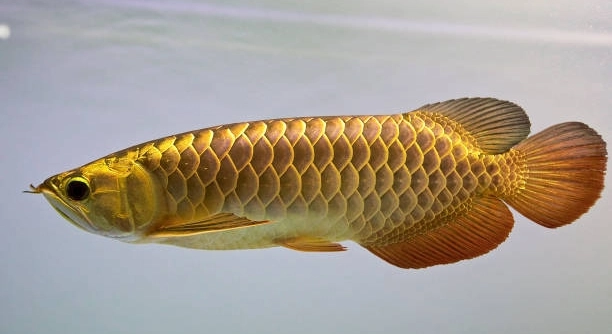
Keeping an Arowana can be both exciting and challenging, especially when considering the environment it thrives in. Many hobbyists enjoy observing these majestic fish in a natural light setting. The light can affect their behavior and appearance.
Arowanas can be kept in a room with natural light, provided the light is controlled to prevent excessive exposure. Too much direct sunlight can stress the fish and encourage algae growth, while indirect light supports healthy activity and coloration.
Proper lighting management ensures a balanced environment, and understanding its effects will help maintain the fish’s health and vitality.
Understanding Natural Light for Arowanas
Natural light can have a significant impact on Arowanas, influencing their health, color, and behavior. Arowanas are tropical fish that thrive in carefully controlled lighting conditions. While indirect sunlight can enhance their coloration, too much direct exposure may cause stress and promote excessive algae growth in the tank. Observing how the fish react to light throughout the day can help determine the ideal placement of the aquarium. Using sheer curtains or placing the tank near a north-facing window often provides a good balance. Seasonal changes also matter, as longer days in summer may increase light intensity, requiring adjustments in shading or additional tank cover. The temperature of the room can change with sunlight as well, which affects the water quality. Regular monitoring of both light and temperature ensures the fish remain healthy. Maintaining a consistent environment is essential for their long-term wellbeing.
Careful placement and moderate exposure can provide Arowanas with enough light without risking stress or overheating.
Balancing natural light in a room involves monitoring daily intensity and duration. Using adjustable blinds or curtains allows flexibility. If light is too strong, partial shading or repositioning the tank is necessary. Observing the fish for signs of stress, like hiding or reduced activity, helps identify issues early. Artificial lighting can supplement natural light when days are short or sunlight is insufficient. Consistent maintenance of tank conditions, including regular water changes, prevents algae buildup and ensures a stable environment. The goal is to mimic a natural habitat while keeping the fish safe from extremes. Over time, owners develop an understanding of how their Arowanas respond to light, which makes it easier to manage the aquarium effectively.
Tips for Maintaining Light Control
Monitoring the intensity and duration of natural light is crucial for healthy Arowanas.
Controlling natural light involves using barriers like blinds, curtains, or strategic tank placement. Limiting direct exposure helps prevent overheating, algae growth, and stress. It’s important to provide a stable, calm environment where fish can swim without disturbances.
Adjusting the tank’s location to balance light and temperature is often the simplest method to create a suitable habitat. In addition to physical barriers, timing exposure can make a difference. Providing a consistent day-night cycle helps regulate the fish’s behavior and feeding patterns. Combining natural light with a low-intensity artificial light source ensures the tank remains illuminated during darker periods, maintaining the fish’s natural rhythms. Algae management also improves with controlled lighting, reducing cleaning frequency and keeping water quality optimal. Monitoring water temperature is equally important, as sunlight can warm the tank unevenly, stressing the fish. Using a thermometer and making incremental adjustments to tank placement or shading can stabilize conditions. This approach creates a healthier, more vibrant environment, enhancing the Arowana’s coloration and activity while minimizing risks associated with excessive sunlight.
Positioning the Tank
Placing the tank away from direct sunlight prevents overheating and stress. A north-facing window or shaded area offers gentle natural light while minimizing algae growth.
Choosing the right location means considering room temperature, sunlight intensity, and foot traffic. A stable environment keeps Arowanas calm and encourages natural behavior. Avoid spots near doors, vents, or heaters that can cause sudden temperature changes. Observing how light shifts through the day helps identify areas with consistent, moderate exposure. Elevating the tank slightly or using furniture to block harsh light can improve conditions. Ensuring easy access for maintenance while protecting the fish from sudden disturbances is also important for long-term care.
Room layout affects light exposure and fish comfort. Windows with sheer curtains or blinds help regulate sunlight while allowing some natural illumination. Monitoring the tank for temperature fluctuations and algae buildup informs adjustments. Combining thoughtful placement with occasional artificial lighting provides consistency, maintaining proper day-night cycles. Using plants or decorative covers inside the tank can reduce glare and create shaded areas. These strategies prevent stress, support healthy activity, and promote vibrant coloration. Adjusting the tank setup gradually allows the fish to adapt comfortably to the environment without sudden changes that could impact health.
Controlling Light Intensity
Consistent light levels support Arowanas’ activity and overall health. Too much intensity can trigger stress or excessive algae growth.
Light control can be achieved through window coverings, tank positioning, and timing. Blinds, curtains, or sheer panels reduce direct sunlight while still providing ambient illumination. Adjusting exposure throughout the day mimics natural cycles, encouraging normal feeding and swimming patterns. When natural light is insufficient, low-intensity artificial lighting supplements the tank, keeping the environment stable. Combining partial shading with periodic observation ensures the fish are neither stressed nor deprived of necessary light. Regular water testing and cleaning complement light management by maintaining optimal tank conditions, preventing algae overgrowth caused by fluctuating intensity, and stabilizing temperature.
Properly managing light ensures Arowanas remain active and colorful. Using adjustable shades, indirect positioning, and careful timing reduces stress and prevents unwanted growth in the tank. Monitoring the fish for behavioral changes indicates whether adjustments are effective. Artificial lights help maintain stability when sunlight varies or days are shorter. Shaded areas in the tank allow resting spots, supporting natural behavior. Consistent observation, combined with strategic placement and supplemental lighting, keeps water quality stable and reduces cleaning frequency. Over time, these measures create a healthier environment, promoting longevity and vibrant coloration for the fish while maintaining balanced light exposure.
Shading Options
Using blinds, curtains, or sheer panels helps reduce direct sunlight while allowing some natural light. This keeps the tank illuminated without overheating the water.
Adding floating plants or decorative covers inside the tank provides extra shading. These elements create resting spots and help control light intensity effectively.
Monitoring Water Temperature
Natural light can raise water temperature, affecting Arowana health. Regularly checking the tank with a thermometer ensures stable conditions. Small fluctuations can stress the fish, so adjusting shade or room temperature is necessary to maintain comfort and stability.
Using Artificial Lighting
Artificial lights can supplement natural light during shorter days or cloudy periods. Low-intensity LED lights help maintain consistent illumination without stressing the fish, supporting regular feeding and swimming patterns.
Avoiding Overexposure
Too much direct sunlight leads to algae growth and stress. Balancing light with shading or artificial sources ensures a calm and healthy environment for the Arowana.
FAQ
Can Arowanas survive in a room with only natural light?
Arowanas can survive in rooms with natural light if the exposure is moderate and controlled. Indirect sunlight works best, preventing stress and temperature fluctuations. Too much direct light can cause algae growth and overheat the water, which may harm the fish. Combining indirect sunlight with supplemental low-intensity artificial lighting ensures stable conditions and supports natural behavior.
How much sunlight is safe for an Arowana tank?
Moderate sunlight for a few hours a day is generally safe. North-facing windows or shaded areas reduce the risk of overheating or excess algae growth. Avoid placing the tank in direct sun for long periods. Monitoring the tank daily helps adjust exposure to maintain a consistent environment, preventing stress and keeping water quality stable.
Can natural light affect Arowana color?
Yes, natural light can enhance the colors of Arowanas, making them more vibrant. However, direct sunlight can also be harmful if unregulated. Balanced lighting, including partial shading or indirect sunlight, promotes healthy coloration while preventing stress. Maintaining proper water conditions complements light management for optimal visual appeal.
Should I use curtains or blinds for the tank?
Using curtains or blinds is a practical way to control natural light. Sheer curtains reduce intensity without blocking illumination completely, while blinds allow precise control over the hours of exposure. Adjusting them seasonally or during peak sunlight hours helps maintain a safe, stable environment for the Arowana.
Is artificial lighting necessary if the room has natural light?
Artificial lighting is helpful during shorter days or cloudy conditions. Low-intensity LED lights maintain consistent illumination, supporting natural feeding and swimming cycles. It also prevents long periods of darkness that might disrupt the fish’s rhythm, ensuring a balanced environment even when sunlight is inconsistent.
Can too much light stress Arowanas?
Excessive light can definitely stress Arowanas. Signs include hiding, reduced swimming, or less interest in food. Controlling light intensity with shading or adjusting tank placement reduces stress, creating a calmer, healthier environment for the fish. Observing behavior regularly is crucial for maintaining optimal conditions.
Does sunlight influence algae growth in the tank?
Yes, direct sunlight accelerates algae growth, which can affect water quality and make tank maintenance harder. Using partial shading or indirect light helps reduce this problem. Regular cleaning and monitoring of water conditions are necessary to keep the tank balanced, even with controlled sunlight exposure.
How do I know if the light is too strong?
If the water heats up quickly, algae multiply rapidly, or the fish hide frequently, the light is likely too strong. Adjusting curtains, blinds, or tank placement can help. Consistent observation ensures the environment stays safe and comfortable for the Arowana.
Can plants inside the tank help with lighting?
Yes, floating or tall plants create natural shaded areas and diffuse sunlight. They provide hiding spots and reduce glare, helping regulate light exposure while contributing to a healthier, more natural environment. Combining plants with controlled natural light improves overall tank stability.
How often should I check the tank conditions?
Daily monitoring is ideal, focusing on water temperature, light intensity, and algae presence. Adjusting shading, artificial lighting, or tank placement as needed ensures the fish remain stress-free. Regular checks help prevent problems before they affect the Arowana’s health and behavior.
Can Arowanas adapt to seasonal changes in natural light?
Arowanas can adapt gradually, but sudden changes in sunlight intensity may stress them. Adjusting blinds, curtains, or adding artificial lighting during short days helps maintain a consistent environment. Observing fish behavior during transitions ensures they remain comfortable and healthy throughout the year.
Does the type of window matter for light exposure?
Yes, windows facing south or west generally receive stronger sunlight, which may require extra shading. North-facing windows provide gentler, indirect light. Evaluating sunlight patterns throughout the day helps determine the safest location for the tank.
Is it better to have natural or artificial light for Arowanas?
A combination works best. Natural light enhances color and mimics a natural environment, but artificial lighting ensures consistency when sunlight is insufficient. Together, they maintain a stable day-night cycle and support overall health and activity for the Arowana.
How can I gradually adjust light for my Arowana?
Introduce changes slowly, either by shifting the tank’s position slightly each day or adjusting blinds incrementally. Sudden exposure to stronger light can stress the fish. Gradual changes allow adaptation while maintaining consistent feeding and swimming patterns.
Can natural light alone meet an Arowana’s needs?
In some cases, yes, but it requires careful monitoring of intensity, duration, and temperature. Supplementing with artificial light ensures stability, especially during cloudy periods or shorter winter days, maintaining a balanced environment and healthy behavior.
What are the risks of ignoring light control?
Ignoring light control can cause stress, overheating, algae overgrowth, and poor water quality. These factors reduce Arowanas’ activity, impact coloration, and increase susceptibility to disease. Regular monitoring and adjustments prevent long-term health issues and maintain a comfortable habitat.
How do I balance light and water temperature?
Direct sunlight can raise water temperature, so shading and tank placement are key. Using a thermometer to monitor changes and adjusting exposure helps maintain stable conditions. Combining shading with occasional artificial lighting keeps light consistent without causing overheating.
Can mirrors or reflective surfaces affect Arowanas?
Yes, reflective surfaces can intensify light in the tank, causing stress or uneven lighting. Placing the tank away from mirrors or reflective walls prevents glare and supports a calm, balanced environment.
Is there a preferred duration of light exposure per day?
Around 8–10 hours of moderate light is generally sufficient. This mimics natural day-night cycles and prevents stress. Supplemental artificial lighting ensures consistency when sunlight is insufficient, keeping feeding and activity patterns regular.
Should I adjust light based on fish age?
Younger Arowanas are more sensitive to strong light, so gradual exposure and shaded areas are recommended. Adult fish can tolerate slightly higher light levels, but moderation is key. Monitoring behavior ensures that all age groups remain healthy and stress-free.
What are the signs that light conditions are ideal?
Active swimming, normal feeding, vibrant coloration, and calm behavior indicate proper light conditions. Balanced light intensity, shaded areas, and stable water temperature all contribute to maintaining these positive signs. Regular observation confirms the environment is suitable for the Arowana.
Can indirect sunlight alone support algae control?
Indirect sunlight reduces rapid algae growth but does not eliminate it. Regular cleaning, partial shading, and proper filtration complement natural light control, maintaining water quality and a healthy tank environment.
How important is a consistent day-night cycle?
A consistent day-night cycle supports feeding patterns, activity, and overall well-being. Combining natural light with timed artificial lighting ensures the Arowana’s internal rhythm remains stable, reducing stress and promoting longevity.
Are there any accessories that help manage light?
Blinds, sheer curtains, floating plants, and tank covers help manage light effectively. Combining these tools allows precise control over intensity and duration, creating a comfortable, healthy environment for the Arowana without excessive adjustments.
Can light exposure affect breeding behavior?
Yes, proper light conditions can encourage natural behavior, including breeding activity. Balanced illumination, shaded areas, and a stable day-night cycle help create an environment conducive to reproduction while keeping the fish healthy.
Is it okay to leave the tank near a window all year?
It is fine with adjustments. Seasonal changes in sunlight intensity require monitoring. Using blinds, curtains, or supplemental lighting helps maintain a consistent environment, preventing stress, algae buildup, or overheating regardless of the season.
How do I combine natural and artificial light effectively?
Use indirect natural light as the primary source, then supplement with low-intensity artificial lighting during cloudy days or short daylight periods. Adjust duration and intensity gradually to prevent stress and maintain stable activity patterns. Regular observation ensures the combination meets the fish’s needs consistently.
Can too little light be harmful?
Yes, insufficient light can reduce activity, dull coloration, and disrupt feeding patterns. Ensuring at least several hours of moderate natural light, supplemented if necessary, supports the fish’s overall health, maintaining normal behavior and visual appeal.
What maintenance practices support light management?
Regular cleaning, algae removal, water testing, and monitoring temperature complement light control. Adjusting tank placement, shading, and artificial lighting as needed ensures consistent illumination, preventing stress and keeping the Arowana healthy over time.
How do I handle sudden changes in sunlight?
Use adjustable blinds, curtains, or temporary covers to reduce intensity. Gradually expose the tank to new light levels while observing fish behavior. Sudden exposure can stress the fish, so incremental changes are safest.
Can room decoration affect natural light for the tank?
Yes, walls, furniture, or reflective surfaces can alter light intensity. Consider positioning the tank away from direct reflections or adjusting shades to balance exposure and prevent glare, ensuring a calm and consistent environment.
Is monitoring algae growth a good indicator of light management?
Yes, rapid algae growth often signals excessive light. Regularly checking algae levels informs adjustments to shading, tank placement, or supplemental lighting, maintaining a healthy and balanced tank environment.
Can outdoor weather affect indoor lighting for Arowanas?
Yes, sunny, cloudy, or rainy days change natural light intensity. Using adjustable shading and artificial lighting compensates for fluctuations, ensuring the tank receives consistent illumination regardless of outdoor conditions.
How often should I adjust lighting for seasonal changes?
Adjustments every few weeks, or as sunlight patterns shift, are usually sufficient. Observing the tank’s temperature, light levels, and fish behavior guides the timing and extent of adjustments to maintain stable conditions.
Can reflective tank backgrounds help with light distribution?
Yes, reflective backgrounds can diffuse light, reducing hotspots and glare. Combined with partial shading, they help create even illumination throughout the tank, supporting a calm and healthy environment for the Arowana.
What combination of natural and artificial light is ideal?
Moderate indirect natural light, supplemented with low-intensity artificial light for 8–10 hours daily, supports healthy activity, feeding, and coloration. Partial shading, plants, and careful observation ensure light levels remain safe, preventing stress and algae issues.
Can changing light conditions improve fish health?
Yes, gradual improvements in light intensity and duration, combined with shading and artificial supplementation, support better behavior, color, and overall health. Consistency and observation are key to successful light management.
How can I test if light conditions are perfect?
Monitor fish activity, feeding, coloration, and water temperature. Stable patterns, vibrant colors, and calm behavior indicate ideal conditions. Adjust shading, artificial lighting, or tank placement as needed to maintain this balance over time.
Does light placement affect swimming patterns?
Yes, Arowanas often avoid overly bright areas and seek shaded spots. Proper placement of tanks, combined with controlled natural light and supplemental artificial lighting, ensures normal swimming patterns and reduces stress.
Can too much artificial light be harmful?
Yes, excessive artificial light can cause stress, disrupt feeding schedules, and encourage algae growth. Using low-intensity lighting and limiting duration maintains natural day-night cycles and supports the fish’s health.
How do I maintain consistency when sunlight varies daily?
Supplement natural light with timed artificial lighting to maintain consistent illumination. Monitor fish behavior and adjust as necessary. Combining partial shading, indirect sunlight, and artificial light keeps the environment stable despite daily fluctuations.
Is it necessary to rotate tank decorations for light balance?
Yes, occasionally adjusting plants or decorations can prevent uneven light exposure and create shaded areas. This helps distribute light more evenly and provides hiding spots, contributing to fish comfort and a natural environment.
Can light changes affect feeding times?
Yes, Arowanas often feed according to light cycles. Consistent day-night patterns help maintain regular feeding habits. Gradual adjustments in lighting ensure feeding behavior remains stable and the fish stay healthy.
Are there any signs that light is insufficient?
Dull coloration, lethargy, reduced swimming, or skipped meals indicate insufficient light. Increasing moderate natural light or supplementing with low-intensity artificial lighting helps restore normal activity and visual appeal.
How do I combine plant coverage with lighting?
Floating or tall plants provide natural shading while allowing ambient light. Position plants strategically to reduce glare, create resting areas, and diffuse light evenly throughout the tank. This approach supports healthy behavior and prevents stress.
Can light intensity affect water quality?
Yes, excessive light can increase algae growth, affecting oxygen levels and clarity. Maintaining moderate light exposure, combined with regular cleaning and filtration, ensures stable water quality and a healthy environment for the Arowana.
Does tank size influence light management?
Larger tanks may require more shading or additional artificial lighting to ensure even exposure. Smaller tanks are easier to manage but still need careful positioning to prevent overheating or stress caused by excessive sunlight.
Are there long-term benefits to proper light control?
Yes, controlled lighting supports vibrant coloration, natural behavior, reduced stress, and stable water conditions. Over time, it contributes to longevity and overall health, making maintenance easier and keeping the fish active and visually appealing.
Can I use tinted windows to manage light?
Yes, lightly tinted windows reduce intensity without blocking all natural light. This provides a consistent, safe environment and minimizes glare, helping maintain stable conditions for Arowanas in sunlit rooms.
How does light affect Arowana behavior during the day?
Arowanas are more active in moderate light and seek shaded areas when intensity is high. Proper light balance encourages natural swimming, feeding, and resting behavior, supporting both physical and mental health.
Should I track sunlight patterns for the tank?
Yes, observing sunlight patterns helps plan tank placement and shading. Knowing how light shifts throughout the day ensures consistent exposure, prevents stress, and reduces algae growth, maintaining a healthy environment.
How can I create shaded zones in the tank?
Use floating plants, tall decorations, or partial tank covers. Shaded zones give Arowanas resting spots, prevent stress, and help regulate exposure, supporting natural behavior while maintaining consistent light conditions.
Can improper light lead to illness?
Yes, stress from too much or too little light can weaken the immune system, making Arowanas more susceptible to disease. Maintaining balanced light and monitoring behavior reduces health risks significantly.
Is gradual adjustment better than sudden changes?
Yes, sudden changes in light intensity or duration can stress Arowanas. Gradual adjustments allow the fish to adapt naturally, maintaining normal behavior, feeding patterns, and coloration while reducing health risks.
What is the simplest way to manage light daily?
Use blinds or sheer curtains for indirect sunlight, supplement with low-intensity artificial light when needed, and observe fish behavior. Regular checks and minor adjustments keep conditions stable without major effort.
Can light management impact tank cleaning frequency?
Yes, controlling light reduces algae growth, lowering the frequency of cleaning. Balanced illumination combined with regular maintenance ensures water quality remains optimal and fish health is preserved.
Does room layout matter for light control?
Yes, positioning the tank away from direct sun, vents, and reflective surfaces helps maintain moderate light. Proper layout ensures consistent illumination and a stable environment for Arowanas.
How important is observation in light management?
Observation is critical. Monitoring fish behavior, algae growth, water temperature, and light intensity informs adjustments. Consistent observation ensures a healthy, stress-free environment and prevents problems before they affect the fish.
Can light adjustments improve fish interaction with their environment?
Yes, balanced light encourages natural swimming, feeding, and resting patterns. Shaded areas and gradual exposure improve comfort, reduce stress, and allow Arowanas to interact confidently with their tank and decorations.
Are there any tools to measure light intensity in the tank?
Yes, light meters or smartphone apps can measure intensity. These tools help ensure moderate exposure, identify hotspots, and maintain a safe environment for the Arowana.
Does tank placement near a window require seasonal changes?
Yes, sunlight intensity varies with seasons. Adjust blinds, curtains, or add supplemental artificial lighting to maintain consistent conditions and prevent overheating, stress, or excessive algae growth.
Can improper lighting affect long-term fish growth?
Yes, chronic stress from poor light conditions can stunt growth, reduce activity, and weaken immunity. Proper light management supports healthy development, vibrant color, and normal behavior over time.
What is the best combination of light and shade for Arowanas?
Indirect natural light, moderate shading, floating plants, and occasional low-intensity artificial light provide an ideal combination. This setup supports activity, reduces stress, maintains color, and minimizes algae growth, ensuring a balanced and healthy environment.
How often should I review light settings?
Weekly or monthly reviews are sufficient, depending on seasonal changes. Observing fish behavior and water quality during reviews ensures adjustments keep the environment safe and consistent.
Can I rely solely on artificial lighting?
Yes, but natural light adds benefits like enhanced coloration and a more natural environment. Combining both provides the most stable and visually appealing habitat while supporting health and normal behavior.
Does light affect aggression in Arowanas?
Yes, overly bright areas can increase stress and aggression. Balanced lighting with shaded zones reduces tension and encourages calm behavior, supporting a peaceful tank environment.
How do I prevent glare from windows or reflective surfaces?
Use blinds, curtains, or reposition the tank to reduce glare. Reflective backgrounds can help diffuse light, creating an even, comfortable environment that minimizes stress for the fish.
Can Arowanas tolerate brief exposure to direct sunlight?
Brief, controlled exposure is usually safe, but prolonged sunlight should be avoided. Monitoring behavior and ensuring shaded areas prevent stress or overheating, maintaining overall health.
How do I maintain consistency when moving the tank?
Gradually adjust position and shading when relocating the tank. Introduce new light conditions slowly and monitor fish behavior to prevent stress and maintain stable environmental conditions.
Can light changes affect water circulation or filtration?
Indirectly, yes. Excessive algae from too much light can clog filters, affecting circulation. Proper light management reduces algae growth, keeping filtration efficient and water quality stable.
Are there any signs that light conditions need improvement?
Hiding, reduced swimming, dull colors, increased algae, or fluctuating water temperature indicate light adjustments are needed. Responding quickly maintains a safe, balanced environment for the Arowana.
How can I balance aesthetics with light control?
Use decorative covers, plants, and controlled window treatments. This allows for an attractive setup while maintaining optimal light levels and shading, supporting fish health and comfort.
Does tank lid type affect light management?
Yes, clear lids allow more light, while tinted or partially covered lids reduce intensity. Choosing the right lid type helps maintain moderate exposure and prevents overheating.
Can Arowanas tolerate changes in artificial light intensity?
Gradual changes are tolerated, but sudden increases can stress the fish. Incremental adjustments allow adaptation while maintaining natural behavior, feeding patterns, and coloration.
Should I rotate artificial lights periodically?
Yes, occasionally rotating lights or adjusting angles ensures even illumination, preventing hotspots and supporting consistent activity, coloration, and comfort throughout the tank.
Keeping an Arowana in a room with natural light can be a rewarding experience if approached with care. These fish are sensitive to their surroundings, and light plays a key role in their health, behavior, and appearance. While natural light helps bring out their colors and creates a more natural environment, it must be managed properly. Too much direct sunlight can increase water temperature, cause stress, and encourage excessive algae growth. On the other hand, completely avoiding natural light may result in dull coloration and reduced activity. Finding the right balance involves observing the fish regularly, adjusting tank placement, and considering additional tools like curtains, blinds, or low-intensity artificial lighting. Over time, you will notice patterns in how your Arowana reacts to light and be able to create a consistent, comfortable environment that supports its long-term well-being.
In addition to proper light management, monitoring the overall tank environment is essential. Natural light interacts with other factors like water temperature, filtration, and plant coverage. Indirect sunlight combined with shaded areas and floating plants can provide resting spots and reduce glare, creating a calmer atmosphere. Supplementing with artificial lighting ensures the tank receives consistent illumination during cloudy days or shorter daylight periods. Keeping a consistent day-night cycle supports normal feeding, swimming, and resting behavior. Gradual changes in light intensity and duration allow the fish to adapt without experiencing sudden stress. Regular maintenance, such as water testing, algae removal, and tank cleaning, complements light control and ensures water quality remains optimal. These small, consistent steps help prevent long-term issues and contribute to a healthier, more vibrant fish.
Finally, understanding how light affects your Arowana gives you the opportunity to make informed decisions for its care. Observing the fish’s behavior, coloration, and activity levels helps determine whether adjustments are needed. Controlled exposure to natural light, combined with occasional artificial supplementation and strategic shading, creates a stable, safe, and comfortable environment. Even minor changes in placement, plant coverage, or window treatment can significantly improve conditions. A well-managed tank promotes longevity, reduces stress, and enhances the natural beauty of the Arowana. Taking the time to monitor, adjust, and maintain these conditions ensures your fish remain active, healthy, and visually striking, while also making the care process more predictable and manageable for you as the caretaker.

Hello,
If you enjoy the content that we create, please consider saying a "Thank You!" by leaving a tip.
Every little bit helps us continue crafting quality advice that supports the health, happiness, and well-being of pets around the world, for pets of all shapes, sizes, and species.
We really appreciate the kindness and support that you show us!