
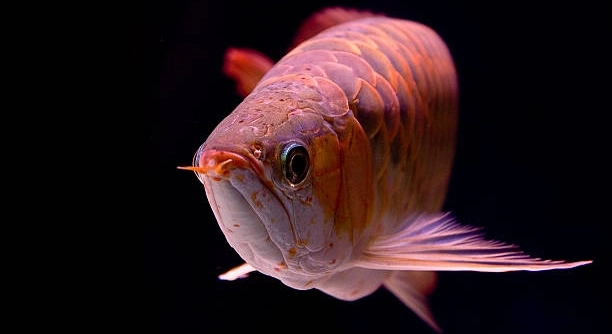
Arowanas are beautiful and active fish that many hobbyists enjoy keeping in home aquariums. Sometimes, these fish suddenly panic without clear warning, leaving owners concerned about their behavior and overall well-being.
Sudden panic in Arowanas is typically triggered by environmental stressors, abrupt changes in water conditions, loud noises, aggressive tankmates, reflections, improper feeding schedules, or sudden movements near the tank. Identifying these triggers is crucial to maintaining fish health.
Understanding the common causes of panic will help you create a calmer environment and reduce stress for your Arowana. Observing their behavior closely can provide valuable insight into their needs.
Sudden Water Changes
Arowanas are sensitive to their water environment, and even small, abrupt changes can trigger panic. Rapid shifts in temperature, pH levels, or hardness may overwhelm their system, causing erratic swimming or frantic behavior. Many hobbyists underestimate how quickly Arowanas notice these differences. It is important to monitor water parameters consistently and make adjustments gradually. Using a reliable water testing kit helps identify potential imbalances before they become stressful for the fish. Even adding new water for regular maintenance should be done slowly, allowing the fish to acclimate. Sudden chemical changes, such as the introduction of medications or fertilizers, can also provoke stress. Being mindful of water conditions ensures your Arowana feels stable and secure in its environment. Patience and consistency in water management often prevent these panic episodes. Establishing a routine that respects the sensitivity of Arowanas promotes healthier, calmer fish over time, reducing the risk of sudden outbursts.
Maintaining stable water conditions reduces the chance of panic, allowing Arowanas to swim and behave normally without stress interruptions.
Gradual adjustments in water temperature and pH help Arowanas maintain balance. Consistent monitoring, gentle water additions, and avoiding sudden chemicals contribute to a calmer tank. Providing hiding spots and stable lighting can further reduce anxiety, creating an environment where your fish can thrive comfortably.
Sudden Movements and Reflections
Arowanas react strongly to fast movements around the tank, including reflections on the glass or nearby activity. Sudden gestures can startle them and cause panic.
Large reflective surfaces or bright lights that shift quickly can create the illusion of other fish, prompting aggressive or frantic responses. Placing the tank away from windows, high-traffic areas, or reflective surfaces minimizes this stress. Covering portions of the tank or using dim lighting can reduce reflections. Observing your fish from a distance and keeping movements slow around the tank helps maintain a sense of security. Over time, Arowanas learn their environment is safe, reducing frequent panic reactions. Careful placement of the tank and controlled lighting conditions directly influence their comfort. Creating a stable visual environment supports calmer swimming patterns and healthier behavior, ensuring that your Arowana is less reactive to disturbances. Adjusting these factors requires observation and patience but greatly improves daily life for the fish.
Aggressive Tankmates
Arowanas can become anxious when housed with aggressive or territorial fish. Conflicts over space, food, or dominance may trigger sudden panic. Careful selection of compatible tankmates is essential to reduce stress.
Even a single aggressive fish can cause constant tension. Arowanas may dart rapidly, collide with tank walls, or hide excessively, which can lead to injury or long-term stress. Observing interactions during feeding and regular activity helps identify problematic fish. If aggression is persistent, separating the aggressive fish or providing dividers can protect your Arowana. Adding sufficient swimming space and visual barriers minimizes conflict and promotes a calmer environment. Ensuring each fish has its own territory and reducing overcrowding also lowers the chance of panic episodes.
Providing peaceful tankmates and enough space for each fish is key. Structures such as rocks or driftwood help create visual separation. Regular observation ensures the Arowana can coexist safely, reducing stress-induced behaviors over time.
Improper Feeding Schedules
Irregular feeding can upset an Arowana’s routine, causing anxiety and sudden panic. Consistency in timing and portion sizes is critical to maintain comfort.
Skipping meals or overfeeding affects their behavior and health. A balanced schedule with measured portions prevents both hunger-induced stress and bloating. Feeding at the same time each day helps them anticipate food, reducing frantic searching. Using feeding tools like tongs or floating feeders encourages controlled eating. Observing how quickly and eagerly the Arowana responds provides insight into their comfort level. Sudden changes in diet, such as introducing new foods without gradual adaptation, can also cause panic reactions. Gradual changes and consistency in diet support calmer behavior.
Maintaining a predictable feeding routine fosters stability and reduces anxiety. Gradual introduction of new foods, monitoring portions, and timing meals consistently ensures your Arowana remains healthy, calm, and less prone to sudden stress responses.
Loud Noises
Sudden loud sounds near the tank, like clanging or dropping objects, can startle Arowanas immediately. They are sensitive to vibrations and react quickly to protect themselves.
Consistent loud environments, such as near speakers or appliances, can increase overall stress. Minimizing these noises helps your Arowana stay calm and reduces panic episodes.
Reflections and Shadows
Arowanas often mistake reflections or moving shadows for intruders or rivals. Mirrors, glass reflections, or abrupt changes in light can trigger erratic swimming or defensive behavior. Reducing reflective surfaces and controlling lighting prevents unnecessary stress, helping the fish feel secure and confident in its environment.
Improper Tank Size
A tank that is too small limits swimming space and increases stress. Arowanas need room to move freely, and confinement can provoke panic behaviors, aggression, or frequent collisions. Providing ample space supports healthy activity levels and calmer behavior, reducing sudden stress reactions and long-term health issues.
FAQ
What should I do if my Arowana panics suddenly?
First, stay calm and assess the environment. Check for sudden movements, loud noises, or water changes that could have triggered the reaction. Observe your fish closely for any signs of injury or illness. Gradually adjust water conditions if needed, and remove sources of stress such as aggressive tankmates or reflections. Ensuring a stable, calm environment helps the Arowana regain normal behavior without added pressure.
How can I prevent panic caused by water changes?
Always make changes slowly. Use a water conditioner if needed, and match the new water’s temperature, pH, and hardness closely with the existing tank water. Introducing new water gradually over 30 to 60 minutes allows the fish to acclimate safely. Consistent testing and monitoring of water parameters prevents sudden shocks, keeping your Arowana calm and healthy.
Are tank decorations important for reducing panic?
Yes, decorations like rocks, driftwood, or plants create visual boundaries and hiding spots. These structures reduce stress by giving the Arowana safe areas and breaking up sightlines that may trigger aggression or fear responses. Avoid overcrowding the tank, as too many objects can restrict swimming space and create additional stress.
How often should I feed my Arowana to prevent anxiety?
Arowanas respond well to a consistent feeding schedule. Feeding once or twice a day with measured portions prevents hunger-driven panic and overfeeding stress. Introduce new foods gradually, allowing your fish to adjust. Using the same feeding method and timing each day helps establish a predictable routine, which reduces sudden frantic behavior.
Can lighting affect my Arowana’s stress levels?
Yes, abrupt changes in lighting or very bright illumination can trigger panic. Avoid placing the tank in direct sunlight or areas with frequent light changes. Use dimmable or soft lighting and maintain a consistent day-night cycle. Reducing reflections and shadows on the tank walls further lowers stress.
Do aggressive tankmates always cause panic?
Not always, but even a single aggressive or territorial fish can trigger sudden stress. Observe interactions carefully. If aggression is repeated, separate the fish or use visual barriers. Providing enough space for each species and adding hiding spots can help reduce conflicts. Peaceful tankmates are ideal for maintaining a calm environment.
How do I know if panic is linked to illness?
Watch for unusual behavior such as lethargy, loss of appetite, rapid gill movement, or visible injuries. Panic caused by illness is often accompanied by these signs. Water testing alone won’t reveal health issues, so careful observation is key. Prompt treatment or veterinary advice is necessary to prevent further stress.
Can reflections in the tank glass really cause panic?
Yes, Arowanas may perceive reflections as rival fish or threats. This can lead to erratic swimming, jumps, or aggressive displays. Reducing reflections using background paper, dim lighting, or repositioning the tank helps minimize stress. Over time, the fish can feel more secure in its surroundings.
Is tank size a major factor in panic behavior?
Absolutely. Arowanas need sufficient swimming space to move naturally. Confinement increases stress and may lead to repeated panic responses. Larger tanks with unobstructed swimming areas and proper water quality help maintain calm behavior and overall health.
How can I tell if environmental stress is resolved?
Observe normal swimming patterns, relaxed posture, and regular feeding behavior. If the fish stops darting, jumping, or hiding excessively, it indicates reduced stress. Regular monitoring and maintaining consistent water conditions, lighting, and compatible tankmates ensure long-term stability and reduce the likelihood of future panic.
Final Thoughts
Arowanas are sensitive and intelligent fish that rely heavily on a stable environment to feel secure. Sudden panic can be alarming, but it usually points to manageable stressors such as abrupt changes in water conditions, loud noises, or aggressive tankmates. Observing their behavior carefully allows you to identify patterns and make adjustments that reduce these episodes. Ensuring a calm and predictable habitat is the most effective way to prevent panic and promote overall health. Small, consistent steps—like gradual water changes, maintaining proper temperature and pH levels, and providing hiding spots—can make a significant difference. Over time, these efforts help the fish feel confident and comfortable, allowing their natural behaviors to shine without frequent signs of stress.
Feeding routines and tank organization also play an important role in preventing panic. Arowanas thrive when meals are provided consistently, in appropriate portions, and without sudden interruptions. Irregular feeding can create anxiety, leading to frantic swimming or aggressive behavior. Similarly, the layout of the tank affects how secure the fish feels. Open swimming space combined with strategically placed decorations, driftwood, or plants can help break sightlines and reduce stress from reflections, shadows, or perceived threats. Tankmates should be chosen carefully to ensure compatibility, avoiding overly aggressive or territorial species. Even minor adjustments, such as dimming lights or placing the tank away from high-traffic areas, can create a more peaceful environment. Attention to these details shows that small changes often have a significant impact on the well-being of your Arowana.
Finally, being attentive and proactive is key to supporting your Arowana’s long-term health. Regular monitoring of water quality, observing behavior, and reacting quickly to signs of stress will reduce the frequency of panic episodes. Understanding the common triggers and addressing them early prevents escalation and ensures that your fish can live comfortably. While sudden panic can be concerning, it is often a signal that your fish needs a more stable environment or a few changes in its care routine. By prioritizing consistency, patience, and careful observation, you create conditions where your Arowana can thrive, swim confidently, and remain calm, allowing you to enjoy the beauty and activity of this remarkable fish without constant worry.

Hello,
If you enjoy the content that we create, please consider saying a "Thank You!" by leaving a tip.
Every little bit helps us continue crafting quality advice that supports the health, happiness, and well-being of pets around the world, for pets of all shapes, sizes, and species.
We really appreciate the kindness and support that you show us!