
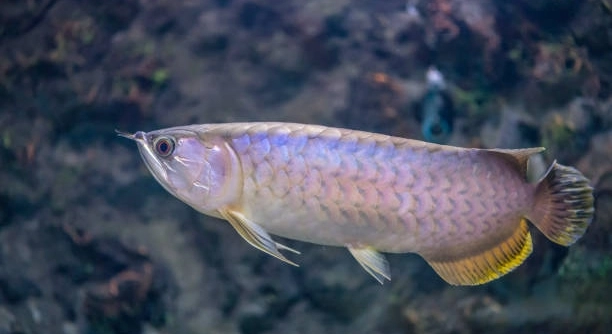
Are your arowanas frequently darting around the tank or appearing tense without an obvious reason? This sudden, startled behavior can be worrying, especially for owners who want their fish to feel safe and comfortable in their environment.
Constantly startled behavior in arowanas is often caused by sudden changes in light, noise, or tank disturbances. Ensuring a stable environment, limiting abrupt movements near the tank, and providing hiding spots can significantly reduce stress and improve the fish’s overall well-being.
Maintaining a calm and predictable environment is essential, and the following steps will help you understand how to support your arowana’s health.
Common Causes of Startled Behavior
Arowanas are naturally alert fish, and their reactions often reflect their sensitivity to the environment. Sudden noises, rapid movements, or changes in lighting can make them flinch or dart quickly across the tank. Even reflections on the glass can trigger a startled response. Water quality also plays a role; fluctuations in temperature, pH, or ammonia levels can create discomfort and stress, making your fish more reactive. Overcrowding the tank or adding incompatible tank mates may further increase anxiety, as arowanas prefer open spaces to swim freely. Observing feeding patterns and tank interactions can provide insight into their stress levels. Sometimes, arowanas may even startle during routine maintenance if they feel threatened or disoriented. Recognizing the specific triggers in your tank allows for small but effective adjustments, helping your fish regain a sense of security and stability, ultimately promoting calmer behavior and better overall health.
Maintaining a consistent tank environment is key to reducing these reactions and improving daily behavior.
By paying attention to tank layout, water conditions, and the timing of disturbances, you can create a more stable setting. Introducing gentle lighting changes, adding floating plants or decorations, and limiting external vibrations can make your arowana feel safer. Providing a quiet feeding routine and minimizing sudden movements near the tank reduces unnecessary stress. Observing the fish regularly helps identify patterns in behavior, allowing you to anticipate triggers before they cause panic. Over time, these small adjustments can build trust with your arowana, making it less reactive to minor disturbances. Consistency is essential, and even subtle improvements in tank conditions can make a noticeable difference. Arowanas are intelligent and adaptable, responding well to predictable routines and a calm environment.
Practical Steps to Calm Your Arowana
Start by reducing sudden movements and loud noises around the tank to minimize stress.
Regular water checks, temperature consistency, and strategic tank decorations can help create a sense of security. Introduce a predictable feeding schedule, and provide gentle lighting that mimics natural conditions. Using tank dividers or floating plants gives hiding options without overcrowding. Observe how your fish reacts to each change, adjusting carefully to avoid additional stress. Avoid tapping the glass or rapid hand movements, as these are common triggers. Gradually, your arowana will become more comfortable with its surroundings, displaying calmer and more stable behavior. This approach not only improves immediate reactions but also supports long-term health, making the tank environment safer and more enjoyable for the fish. Consistency and attention to detail are crucial, as even minor disturbances can have a strong impact on sensitive species like arowanas.
Implementing these measures requires patience and careful observation, but the results are rewarding. Each small adjustment—from water maintenance to tank decoration—contributes to reducing stress and improving your arowana’s behavior. Over time, the fish will become more confident, exploring the tank calmly rather than reacting abruptly to every movement or reflection. Combining stable water conditions, thoughtful layout, and gentle routines allows your arowana to feel secure, lowering the risk of health issues linked to chronic stress. Monitoring behavior daily helps ensure adjustments are effective and allows for timely intervention when necessary. This approach also strengthens your understanding of your arowana’s preferences and needs, creating an environment that supports both physical health and mental well-being. By being attentive and proactive, you can help your fish lead a calmer, healthier life while making tank care more manageable and less stressful for both of you.
Adjusting Tank Environment
Providing hiding spots such as driftwood, rocks, or floating plants helps your arowana feel secure. Avoid overcrowding the tank, and ensure plenty of open swimming space. Gentle lighting and minimal sudden movement around the tank reduce stress and startle responses effectively.
Carefully arranging decorations and plants allows your arowana to choose safe areas while maintaining freedom to swim. Floating plants create shaded areas that mimic natural habitats, while driftwood and rocks offer solid cover for retreat when the fish feels threatened. Ensure that tank decor does not block swimming paths or limit oxygen circulation. Regularly inspect decorations for sharp edges or unstable placement that could injure the fish. Observing the fish’s behavior after adjustments helps identify what provides comfort. Over time, a consistent and thoughtfully arranged tank encourages calmer behavior and less frequent startle reactions, supporting overall well-being and health.
Adjusting water parameters is equally important. Stable temperature, pH, and minimal ammonia fluctuations reduce environmental stress. Avoid rapid water changes or cleaning methods that create sudden turbulence. Adding a gentle water filter or airstone can improve circulation without startling your fish. By combining tank arrangement with careful water management, you create a predictable environment that lowers anxiety. Gradually, your arowana will adapt to these improvements, displaying more natural and relaxed swimming patterns. Consistent care and observation allow you to respond to subtle changes in behavior, ensuring long-term comfort and stability for your fish.
Feeding and Routine Care
Maintain a consistent feeding schedule to reduce stress and prevent sudden reactions to movement near the tank. Feed small portions at regular intervals to avoid overfeeding and water contamination.
Offering a variety of live or frozen foods supports nutrition and engagement while encouraging natural hunting behaviors. Avoid sudden changes in diet or feeding location, as unpredictability can trigger stress. Cleaning the tank regularly without creating rapid water turbulence prevents startling reactions. Observing how your arowana approaches food helps gauge comfort and security levels. Routine care, when done calmly and predictably, strengthens the fish’s sense of stability and trust in its environment, leading to less anxious behavior over time.
Minimizing external disturbances during routine care is critical. Turn off loud appliances nearby, move slowly when checking water or cleaning filters, and avoid tapping on the glass. Establishing a calm, predictable rhythm for feeding, maintenance, and observation fosters a secure environment. Small adjustments, like using a net quietly or filling tanks gently to avoid splashes, help your arowana remain composed. By combining gentle care practices with consistent schedules, you reduce unnecessary stressors while promoting healthier behaviors. Over time, this routine ensures your fish remains more relaxed and responsive only to important environmental cues, not minor disruptions.
Reducing External Stressors
Limit sudden movements near the tank and reduce loud noises. Position the aquarium away from high-traffic areas or rooms with frequent disturbances. Consistent surroundings help your arowana feel secure and reduce frequent startle reactions.
Covering part of the tank or adding a backdrop can block reflections and visual distractions. This creates a calmer environment, allowing the fish to focus on swimming and feeding without unnecessary stress.
Monitoring Health and Behavior
Regularly observe your arowana for signs of illness or unusual behavior. Stress can worsen if the fish experiences discomfort or disease. Look for changes in appetite, color, or swimming patterns. Prompt attention to these issues helps maintain health and prevent further stress-related reactions.
Using Proper Lighting
Maintain a consistent day-night light schedule using timers. Avoid sudden bright lights, which can trigger panic responses. Proper lighting supports natural rhythms and reduces unnecessary stress.
FAQ
Why does my arowana get startled so easily?
Arowanas are naturally alert and sensitive to their environment. Sudden noises, rapid movements, bright lights, or reflections on the tank glass can trigger quick, startled responses. Changes in water quality, temperature fluctuations, or new tank mates also increase stress levels, making them more reactive to minor disturbances.
How can I make my arowana feel more secure?
Providing hiding spots like driftwood, rocks, or floating plants helps your fish feel safe. Avoid overcrowding the tank and ensure plenty of open swimming space. Consistent lighting and minimal sudden movements around the tank reduce stress and encourage calmer behavior.
Can water quality affect startle responses?
Yes, poor water quality can make your arowana more anxious. High ammonia, nitrite levels, or pH fluctuations irritate the fish, leading to frequent startle responses. Maintaining stable water conditions with regular testing and partial water changes is essential for reducing stress.
Is tank size important for arowana behavior?
Arowanas need ample space to swim. Small or overcrowded tanks limit movement and increase stress, making them more prone to startle reactions. Providing a tank with enough space for natural swimming patterns supports both physical and mental health.
Does feeding routine affect startle behavior?
Yes. Inconsistent feeding times or sudden food introduction can trigger stress. Small, frequent meals at consistent times help your arowana feel secure. Offering live or frozen foods encourages natural behaviors and reduces anxious reactions.
Do reflections make arowanas nervous?
Reflections on glass walls can confuse or stress arowanas, causing repeated startled responses. Using a tank background or partial coverings can block reflections and create a calmer environment. The fish will feel less threatened and swim more confidently.
How do tank decorations help reduce stress?
Strategically placed decorations, rocks, and plants provide hiding spots and shaded areas. These elements allow your arowana to retreat when feeling threatened. Avoid overcrowding or blocking swimming paths, as this can create additional stress rather than relief.
Should I limit tank maintenance to reduce stress?
Maintenance is necessary but should be done calmly. Sudden water changes, tapping on glass, or rapid cleaning movements can startle your fish. Gentle, predictable care routines help your arowana remain comfortable while keeping the tank healthy.
Can lighting changes cause startle responses?
Sudden bright lights or inconsistent day-night schedules can trigger panic. Using a timer for lights ensures predictable lighting patterns, helping your arowana maintain natural rhythms and reduce stress. Soft, indirect lighting is often less intimidating.
What role do tank mates play in stress levels?
Aggressive or overly active tank mates can make arowanas nervous, increasing startle reactions. Compatible companions and avoiding overcrowding create a calmer environment, allowing your fish to swim freely without frequent disturbances. Observing interactions helps determine if tank mates are contributing to stress.
How long does it take for arowanas to adjust?
Adjustment time varies with individual temperament and environmental stability. Gradual changes, consistent routines, and proper tank setup allow most arowanas to become calmer over several weeks. Monitoring behavior and making small adjustments ensures long-term comfort and reduced startled responses.
Can stress affect health?
Chronic stress can weaken the immune system, reduce appetite, and make arowanas more prone to disease. Minimizing environmental stressors, maintaining proper water quality, and providing hiding spots contribute to overall health and longevity.
Are there signs that stress is too high?
Frequent darting, loss of appetite, faded colors, and erratic swimming patterns indicate excessive stress. Immediate adjustments to tank conditions, lighting, feeding routines, or decorations can help restore a sense of security.
Is it normal for arowanas to startle sometimes?
Yes, occasional startled movements are natural due to their alert nature. The goal is to reduce constant or extreme reactions by providing a stable, predictable environment and monitoring tank conditions carefully.
How can I track improvement in behavior?
Observe daily swimming patterns, feeding responses, and reactions to movement or light. Gradual reduction in startle frequency and longer calm periods indicate that environmental adjustments and routines are effective. Consistency in care reinforces positive changes.
Can stress be completely eliminated?
Stress cannot be entirely eliminated because arowanas are naturally alert, but it can be minimized. Stable water conditions, proper tank setup, gentle handling, consistent feeding, and limited disturbances significantly reduce frequent startled reactions, supporting a healthy, calm fish.
Do seasonal changes affect arowanas?
Yes, temperature and light fluctuations between seasons can impact behavior. Monitoring and adjusting heater settings, lighting schedules, and tank placement ensures stability, preventing unnecessary stress and startled movements.
Is it okay to handle arowanas to calm them?
Direct handling is stressful and should be avoided unless necessary for health reasons. Focus on environmental adjustments, predictable routines, and calm observation to reduce startle responses naturally without causing additional stress.
How do I know which changes work best?
Introduce adjustments one at a time, like rearranging plants or adjusting lighting. Observe behavior over days or weeks. Noting which changes reduce startle responses helps you create a tailored setup that meets your arowana’s comfort needs efficiently.
What if my arowana remains easily startled despite all changes?
Persistent reactions may indicate health issues or extreme sensitivity. Consult an aquatic veterinarian for evaluation. Ensuring water quality, nutrition, and tank conditions remain optimal can still improve overall comfort while addressing underlying concerns.
How important is consistency in daily care?
Consistency is critical. Predictable feeding times, lighting schedules, and calm maintenance routines provide security, reducing unnecessary stress. Arowanas respond well to steady, familiar patterns, which support both behavior and long-term health.
Can stress affect growth?
Yes. Chronic stress slows metabolism, reduces appetite, and limits growth. A stable, low-stress environment encourages normal feeding, activity, and development, ensuring your arowana reaches its full size potential.
Do younger arowanas startle more easily?
Juvenile arowanas are often more sensitive due to inexperience. Providing gentle care, secure hiding spots, and minimal disturbances helps them adjust safely. As they mature, they usually become calmer, though individual temperament plays a role.
Can I use tank barriers to reduce stress?
Partial dividers or plant screens can provide visual security without isolating the fish. This reduces startle responses from passing movement and reflections while still allowing swimming freedom. Monitoring behavior ensures the setup remains comfortable and non-restrictive.
Are there signs of improvement I should watch for?
Longer calm swimming periods, consistent feeding, and reduced darting indicate positive change. Gradual reduction in reactions to minor disturbances shows that environmental adjustments and routines are effective in lowering stress.
Do temperature changes trigger startle behavior?
Yes, sudden drops or rises in water temperature can stress your arowana, causing quick, startled movements. Maintaining a stable temperature with a reliable heater or thermometer reduces these reactions and supports overall health.
How can I prevent future stress?
Maintaining stable water conditions, consistent routines, proper tank setup, and minimal disturbances helps prevent stress. Observing your arowana regularly and making small adjustments before problems escalate ensures ongoing comfort and calmer behavior over time.
What should I avoid when trying to calm my arowana?
Avoid sudden movements, loud noises, rapid water changes, and handling unless necessary. Overcrowding, aggressive tank mates, and unpredictable lighting also increase stress. Focus on calm, consistent routines and a stable environment to encourage natural, relaxed behavior.
Can adding more plants help?
Yes, additional plants provide hiding spots, reduce visual stressors, and create shaded areas. Ensure they don’t block swimming space or reduce water flow. Properly placed plants allow your arowana to feel safe while maintaining healthy movement and activity levels.
How does diet affect stress?
A consistent, balanced diet helps maintain energy and reduce anxiety. Sudden changes or poor-quality food can trigger stress. Offering variety while maintaining routine feeding times supports calm behavior and overall health.
Is observation important for stress management?
Observation is critical. Noting reactions to tank conditions, feeding, and maintenance allows you to adjust the environment as needed. Regular monitoring ensures your arowana remains comfortable and stress levels are kept low.
Can gentle water movement reduce stress?
Yes, mild water currents help oxygenate the tank without startling the fish. Avoid strong jets or turbulence, which can provoke darting or hiding. Controlled water flow supports a calm, natural swimming environment.
How do I know if the tank is too noisy?
Listen for vibrations, pump noise, or nearby activity that seems to trigger frequent reactions. Reducing external noise or repositioning equipment can help create a quieter, more secure environment.
Are certain tank decorations better than others?
Natural elements like driftwood, smooth rocks, and live or artificial plants provide effective hiding and shaded areas. Avoid sharp edges, unstable structures, or cluttered arrangements that can cause injury or limit swimming space.
Can stress affect behavior long-term?
Chronic stress can lead to persistent skittishness, reduced appetite, and weakened immunity. Maintaining a stable, predictable environment ensures healthier long-term behavior and prevents ongoing startle responses.
Is it normal for arowanas to hide often?
Hiding is normal if the tank provides safe areas. Frequent hiding due to stress may indicate environmental issues, poor water quality, or disturbances. Observing patterns helps determine if adjustments are needed.
Do reflections trigger constant startle responses?
Yes, reflections can cause repeated darting or nervous behavior. Using a background, partial cover, or repositioning the tank helps block reflections and reduces unnecessary stress.
How long should I monitor changes to see improvement?
Behavior changes usually become noticeable within days to weeks of consistent adjustments. Patience and careful observation ensure that environmental or routine changes effectively reduce startle responses.
What role does tank filtration play in stress?
Proper filtration maintains water quality and reduces sudden chemical changes. Filters should provide gentle flow to avoid turbulence. Clean, stable water helps your arowana feel secure and reduces startled reactions.
Can seasonal daylight changes affect behavior?
Yes, fluctuations in natural light or temperature can influence alertness and startle frequency. Timed lighting and temperature control ensure consistency, helping your arowana maintain stable behavior throughout the year.
Are there any long-term strategies to keep stress low?
Maintain stable water parameters, consistent feeding and maintenance routines, minimal disturbances, and sufficient hiding spots. Regular observation allows timely adjustments. Combining these strategies creates a predictable, calm environment that supports ongoing health and reduces frequent startle responses.
Is it okay if my arowana never fully stops startling?
Yes, occasional startled responses are natural due to their alert nature. The goal is reducing constant reactions through stable care and a calm environment rather than eliminating all startle behavior completely.
How can I make maintenance less stressful?
Move slowly, minimize water turbulence, avoid tapping glass, and stick to consistent schedules. Gentle cleaning methods help your arowana remain calm while keeping the tank healthy.
Do certain water additives reduce stress?
Stress-reducing additives exist but should be used carefully and according to instructions. Prioritize stable water conditions and environmental adjustments as the main method for calming your arowana.
Is observation enough to detect stress early?
Yes, consistent observation allows you to identify minor behavioral changes before they become serious issues. Early intervention ensures your arowana remains comfortable and less reactive to disturbances.
Can stress affect breeding?
High stress can reduce reproductive behaviors or success. Maintaining calm, stable conditions supports healthier behavior and improves the chances of natural breeding activity in arowanas.
Do larger tanks reduce stress?
Larger tanks provide more swimming space and reduce crowding, lowering stress levels. They allow for hiding spots, open areas, and smoother swimming patterns, which contribute to calmer, healthier fish.
What if my arowana reacts to everything?
Extreme sensitivity may indicate underlying health issues or highly reactive temperament. Focus on gradual environmental adjustments, consistent routines, and veterinary consultation if necessary to manage stress effectively.
Are some arowanas more sensitive than others?
Yes, individual temperament varies. Some arowanas remain skittish longer than others. Understanding your fish’s personality helps tailor tank setup, feeding, and care routines for optimal comfort and reduced stress.
How often should I check water quality?
Weekly checks for ammonia, nitrite, nitrate, and pH levels are recommended. Maintaining stable water conditions is key to reducing stress and preventing frequent startled reactions.
Do hiding spots alone solve the problem?
Hiding spots help but are not a complete solution. Combining decorations with stable water, gentle lighting, consistent routines, and minimal disturbances ensures your arowana feels secure and less reactive.
Can I combine multiple stress-reduction methods?
Yes, using hiding spots, stable water, gentle lighting, consistent feeding, minimal disturbances, and observation together creates the most effective, calming environment for your arowana.
Is tank location important?
Yes, placing the tank away from heavy foot traffic, noisy appliances, or direct sunlight reduces stress triggers. A stable, quiet location supports calmer behavior and fewer startled reactions.
Do all arowanas react to reflections?
Not all, but many are sensitive to reflections. Monitoring individual responses allows you to determine if a background or partial cover is necessary to reduce stress.
How quickly do stress changes show results?
Improvements may appear within days, but full adaptation often takes weeks. Consistency in care and environment is key to achieving lasting calmer behavior.
Should I ever ignore frequent startle behavior?
No. Persistent stress can affect health and growth. Early attention, environmental adjustments, and monitoring prevent long-term problems and support overall well-being.
Do temperature fluctuations matter even slightly?
Yes, even small changes can cause stress. Maintaining stable temperature reduces unnecessary reactions and supports overall health and natural behavior.
Can stress impact swimming patterns?
Yes, stressed arowanas may dart, hide, or swim erratically. A calm environment, proper tank setup, and routine care restore natural swimming behavior over time.
Are there visual cues for stress besides darting?
Faded colors, clamped fins, loss of appetite, and frequent hiding indicate stress. Observing these cues allows timely intervention to restore comfort.
Do arowanas recognize their owner’s movements?
Yes, sudden hand movements near the tank can startle them. Gradual, calm observation helps reduce anxiety and promotes trust without direct interaction.
Is tank size alone enough to calm arowana?
No, tank size matters but must be combined with stable water, hiding spots, gentle lighting, and predictable routines to reduce stress effectively.
How often should I observe behavior changes?
Daily observation is ideal. Noting reactions, swimming patterns, and feeding behavior helps track stress levels and effectiveness of environmental adjustments.
Can a stressed arowana harm itself?
Yes, frequent darting or collisions with decorations can cause injury. Proper tank setup and calming measures reduce risk and promote safety.
Do all stress-reduction techniques work for every arowana?
Not always. Individual temperament and sensitivity vary. Monitoring behavior and adjusting strategies ensures the most effective approach for each fish.
Are visual barriers necessary for every tank?
Not always, but they help sensitive arowanas feel secure. Observing behavior after adding a barrier determines if it effectively reduces stress.
Can overfeeding reduce stress?
No, overfeeding can worsen water quality, causing more stress. Small, regular meals at consistent times support calm behavior.
Do floating plants make a difference?
Yes, they provide shade and reduce reflections, creating a calmer environment. Proper placement ensures they do not block swimming paths or water flow.
How do I balance tank aesthetics and stress reduction?
Use natural decorations that provide hiding and shaded areas without overcrowding. Arrange plants and rocks thoughtfully to allow open swimming space while reducing visual stress.
Is frequent tank maintenance stressful for arowanas?
It can be if done abruptly. Gentle cleaning, minimal splashing, and predictable schedules reduce unnecessary panic and maintain comfort.
Can calming methods impact health positively?
Yes, reducing stress improves appetite, immunity, and overall activity. A stable environment supports both behavioral and physical health for long-term well-being.
What if my arowana ignores hiding spots?
Some fish prefer open swimming. Keep options available but focus on other stress-reduction strategies like stable water, lighting, and routines to maintain calm behavior.
Do some arowanas never fully stop startling?
Yes, occasional startled responses are natural. The goal is minimizing constant reactions through predictable care and stable environmental conditions rather than eliminating all startle behavior completely.
How can I track long-term progress?
Maintain a simple log of behavior, feeding, and reactions to changes. Comparing over weeks helps identify successful adjustments and areas needing further improvement.
Is it necessary to adjust lighting gradually?
Yes, sudden changes can startle arowanas. Gradual transitions or timed lighting maintain predictable day-night cycles and reduce stress responses effectively.
Do seasonal temperature changes require adjustments?
Yes, heaters or shading may be needed to maintain stable water. Consistent temperature prevents unnecessary startle reactions and supports overall health.
Can water flow affect stress?
Strong currents or turbulence can trigger darting. Gentle, consistent flow oxygenates the tank without startling your arowana, creating a calmer environment.
Are stress-reducing methods effective immediately?
Some improvements are visible quickly, but full adaptation usually takes weeks. Patience and consistent application of multiple strategies produce lasting results.
Is observing feeding behavior a good stress indicator?
Yes, appetite and response to food reflect comfort levels. Sudden changes may signal stress or health concerns, prompting environmental or routine adjustments.
Do all arowanas respond to tankmates the same way?
No, individual tolerance varies. Aggressive or fast-moving tankmates can increase stress, while calm companions or solitary setups reduce unnecessary startle responses.
Are visual barriers better than hiding spots?
They serve different purposes. Barriers reduce external visual disturbances, while hiding spots provide retreat areas. Combining both often yields the best results for stress reduction.
Can stress affect reproduction?
High stress can suppress reproductive behavior. Stable water, minimal disturbances, proper feeding, and a calm environment increase the likelihood of normal reproductive activity.
Do reflections trigger long-term stress?
Repeated exposure can cause ongoing anxiety and frequent darting. Minimizing reflections with backgrounds or covers reduces stress and encourages calmer swimming behavior.
Is constant monitoring necessary?
Daily or frequent observation is ideal to quickly detect stress, behavioral changes, or health issues. Early intervention prevents long-term problems and supports overall well-being.
Can changes in water chemistry trigger panic?
Yes, sudden shifts in pH, ammonia, or temperature can startle arowanas. Maintaining stable water conditions is essential to prevent repeated stressful reactions.
Are juvenile arowanas more sensitive than adults?
Yes, younger fish are often more reactive due to inexperience
Arowanas are naturally alert fish, and it is normal for them to react quickly to changes in their environment. While sudden darting or startle responses can be concerning, they are often signs that the fish is trying to understand its surroundings. Small adjustments in the tank setup, such as adding hiding spots, rearranging decorations, or reducing reflections, can make a noticeable difference in their comfort level. Over time, these changes create a more predictable environment, helping the fish feel secure. Paying attention to their daily behavior allows you to understand what causes stress and how to minimize it, which is key to keeping an arowana healthy and calm.
Maintaining stable water conditions is equally important in reducing stress. Arowanas are sensitive to changes in temperature, pH, and ammonia levels, and sudden fluctuations can trigger startle responses. Regular water testing and partial water changes ensure that the fish lives in a stable environment. Consistent lighting and gentle water flow also contribute to a calm tank. Arowanas respond well to predictable routines, so feeding schedules and maintenance should be kept regular and calm. Even small improvements in tank conditions can have a big impact on their overall well-being. Observing how the fish reacts to each change helps determine what works best, allowing for adjustments tailored to the specific needs of the arowana.
It is also important to recognize that every arowana has its own temperament, and some may be more sensitive than others. While it may not be possible to completely eliminate startle responses, the goal is to reduce constant anxiety through careful care and a stable environment. Combining proper tank setup, calm routines, stable water, and thoughtful feeding practices creates the best conditions for reducing stress. Over time, your arowana is likely to become calmer, exploring the tank more confidently and displaying more natural swimming patterns. Paying attention to both behavior and environment ensures that the fish remains healthy, comfortable, and less prone to frequent startled reactions, making the aquarium experience more enjoyable for both you and your fish.

Hello,
If you enjoy the content that we create, please consider saying a "Thank You!" by leaving a tip.
Every little bit helps us continue crafting quality advice that supports the health, happiness, and well-being of pets around the world, for pets of all shapes, sizes, and species.
We really appreciate the kindness and support that you show us!