
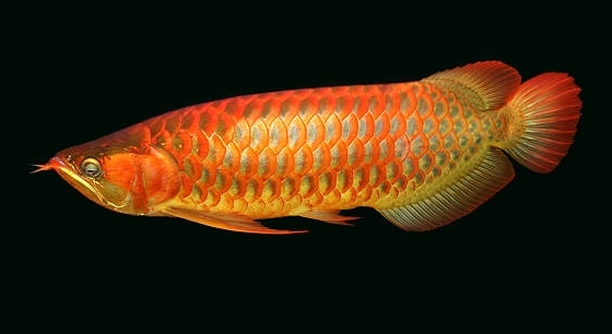
Arowanas are active, graceful fish that require proper nutrition to maintain their strength and vitality. Feeding them the right foods can make a noticeable difference in their behavior, activity levels, and overall health in captivity.
Feeding arowanas specific high-protein foods, live or frozen, can significantly boost their energy levels. Nutrients such as amino acids, vitamins, and minerals support muscle development, metabolism, and sustained activity, ensuring your fish remains healthy, alert, and energetic.
Knowing which foods provide the best energy for your arowana can improve their daily activity and long-term wellbeing. Proper feeding strategies make a measurable impact on their vitality and overall health.
Live Fish
Feeding live fish to arowanas is one of the most effective ways to boost their energy. Live fish provide high-quality protein, essential fatty acids, and nutrients that are immediately digestible. Arowanas naturally hunt in the wild, so offering live prey encourages natural hunting behavior, keeping them active and alert. Common options include small feeder fish such as guppies or goldfish. It is important to source these fish from reputable suppliers to avoid diseases and parasites. Introducing live prey gradually helps your arowana adapt without stress, and rotating different species ensures a balanced diet. Live fish also stimulate mental activity, as the arowana tracks, chases, and catches its food. This exercise improves muscle tone and reflexes, directly impacting overall energy levels. Overfeeding live fish can lead to water quality issues, so portion control and careful observation are necessary. Combining live fish with other protein sources maintains optimal nutrition.
Providing live fish regularly enhances arowana energy by delivering complete proteins and essential nutrients while promoting active hunting behavior and alertness.
Integrating live fish into your feeding schedule also reduces boredom and encourages physical activity. Energy levels improve as the arowana engages with its prey, making mealtimes stimulating. Watching them track and catch live fish can also be satisfying for caretakers. Live fish are a natural source of nutrition, unlike processed foods, which may lack some essential components. Maintaining variety in species keeps the arowana interested, preventing stagnation in diet. Observing your fish’s behavior helps determine the right portions and feeding frequency. By combining live fish with frozen or prepared foods, you can create a balanced routine that supports energy, growth, and long-term health. Regular attention to feeding habits ensures that your arowana remains lively, alert, and in peak condition.
Insects
Insects are another excellent energy source for arowanas. Crickets, mealworms, and grasshoppers offer high protein and essential nutrients, supporting active swimming and muscle growth. Feeding insects stimulates natural hunting instincts and provides variety.
Insects provide concentrated nutrition, particularly proteins and amino acids that enhance metabolic activity, ensuring the arowana remains energetic and healthy. They are small, easy to portion, and mimic the arowana’s natural diet, keeping feeding interactive. Regularly offering insects can improve coloration, growth, and overall vitality, making them a vital component in any energy-focused feeding plan. Combining them with other foods maintains a balanced nutrient intake. Ensuring insects are gut-loaded or lightly supplemented increases their nutritional value. Observing the fish’s response allows you to adjust quantity and frequency. Insects also help reduce monotony in the diet, keeping your arowana engaged during mealtime. Rotating insect types ensures varied nutrients and supports long-term health, making them a reliable energy booster in a controlled feeding regimen. Proper hygiene in storing and preparing insects prevents contamination, ensuring your fish receives safe, effective nutrition consistently.
Shrimp
Shrimp are a high-protein, nutrient-dense food that supports arowana energy and growth. Both live and frozen shrimp provide essential amino acids, omega-3 fatty acids, and minerals, helping your fish stay active and healthy.
Feeding shrimp stimulates natural hunting behavior and encourages movement. Small portions allow the arowana to chase and consume the shrimp, providing both exercise and nutrition. Shrimp also contain calcium and other minerals that promote strong bones and scale development. Including shrimp in a varied diet helps maintain balanced energy levels, preventing lethargy. Using frozen or thawed shrimp reduces the risk of parasites while still delivering essential nutrients. Rotating shrimp with other protein sources ensures the fish receives diverse vitamins and minerals. Consistent feeding with shrimp contributes to brighter coloration and increased alertness, enhancing overall vitality.
Regular shrimp feeding not only improves energy but also supports digestion and overall metabolism. The high protein content boosts muscle development, while fatty acids provide long-lasting energy. Your arowana becomes more active and responsive during feeding, reflecting improved health. Shrimp are easy to portion, making them convenient for daily or weekly inclusion, and they complement other protein sources well. Feeding shrimp thoughtfully ensures consistent energy levels and encourages natural behaviors, which is key for maintaining a healthy, lively fish in captivity.
Pellets
High-quality pellets are designed to provide complete nutrition for arowanas. They are rich in proteins, vitamins, and minerals, supporting sustained energy and overall health.
Pellets deliver balanced nutrients in a convenient form, reducing the risk of overfeeding and nutrient gaps. They can be selected according to size, age, and species-specific needs. High-protein formulations are especially beneficial for energy maintenance. Regular pellet feeding ensures steady growth, stable metabolism, and consistent vitality. Quality pellets are fortified with essential fatty acids, antioxidants, and trace minerals that support immune function and enhance activity levels. They are also less likely to contaminate water than live foods, maintaining healthier tank conditions. Proper storage of pellets preserves nutrients, ensuring maximum benefit for your arowana. Including pellets alongside live or frozen foods creates a well-rounded diet. Pellets encourage predictable feeding routines, helping maintain energy balance throughout the day. By combining them strategically with other foods, you can support long-term health, growth, and consistent activity.
Earthworms
Earthworms are an excellent natural source of protein and nutrients for arowanas. They are easy to digest and help maintain energy levels, supporting active swimming and healthy growth.
Feeding earthworms also encourages natural foraging behavior. Their soft texture makes them suitable for young or sensitive arowanas while providing essential minerals that enhance vitality.
Krill
Krill are nutrient-rich crustaceans that provide high levels of protein, omega-3 fatty acids, and antioxidants. Regular feeding boosts arowana energy, supports muscle development, and enhances overall health. Their small size makes them easy to feed, and they are readily accepted even by picky fish.
Silkworm Pupae
Silkworm pupae are dense in protein and vitamins, offering energy-boosting benefits for arowanas. They also contain fatty acids that improve metabolism and support active movement. Including pupae in the diet enhances vitality, growth, and coloration, contributing to a balanced nutrition plan.
Beef Heart
Beef heart is a high-protein food that can energize arowanas effectively. It supports muscle development and sustained activity. Properly prepared beef heart is safe for feeding and provides essential nutrients that complement other diet components, keeping the fish active and healthy.
FAQ
What is the best food to increase arowana energy?
The best foods are high in protein and nutrients, such as live fish, shrimp, insects, and silkworm pupae. These foods provide amino acids, essential fatty acids, and minerals that support muscle growth, metabolism, and activity. A balanced rotation of these foods ensures sustained energy levels.
How often should I feed my arowana?
Feeding frequency depends on the fish’s age and size. Young arowanas benefit from 2–3 small feedings per day, while adults do well with 1–2 feedings. Regular, appropriately sized portions prevent overfeeding, reduce water contamination, and maintain energy levels without stressing the fish.
Can frozen foods replace live foods?
Yes, frozen foods such as shrimp, krill, and feeder fish can replace live foods safely. Freezing preserves nutrients while minimizing the risk of parasites and disease. Rotating frozen and live foods provides variety, keeping your arowana stimulated and energetic.
Are pellets enough for energy?
High-quality, protein-rich pellets can sustain energy, but relying solely on pellets may limit natural hunting behaviors and nutrient diversity. Combining pellets with live or frozen foods ensures a balanced diet, promotes physical activity, and supports long-term health.
Can arowanas eat beef heart safely?
Yes, beef heart is a dense source of protein and nutrients, but it should be fed sparingly. Overfeeding can lead to poor water quality and digestive issues. Cutting beef heart into small, manageable pieces helps the fish consume it easily while boosting energy.
How do insects benefit arowana energy?
Insects like crickets, mealworms, and grasshoppers provide concentrated protein and amino acids, stimulating metabolism and supporting active swimming. Feeding insects encourages natural hunting behavior, adds variety to the diet, and improves overall vitality. Gut-loading insects enhances their nutritional value.
Is it necessary to rotate foods?
Rotating foods is important to prevent nutrient deficiencies and maintain interest in feeding. Using a mix of live fish, frozen options, insects, and pellets ensures arowanas receive a wide range of proteins, vitamins, and minerals, promoting optimal energy levels and overall health.
Can overfeeding reduce energy?
Overfeeding can actually lower arowana activity. Excess food increases waste, reduces water quality, and strains digestion, which can make fish lethargic. Monitoring portion sizes and feeding frequency maintains balanced energy, healthy metabolism, and a clean tank environment.
What signs show my arowana has low energy?
Lethargy, reduced swimming, lack of appetite, and dull coloration are common signs. Low energy can result from poor diet, insufficient protein, or inappropriate feeding schedules. Adjusting nutrition with high-protein foods and proper feeding frequency can restore vitality.
Are supplements necessary for energy?
Supplements are not always necessary if the diet is varied and nutrient-rich. However, vitamin and mineral supplements can help support energy and immune function in arowanas with limited food variety. Using supplements sparingly ensures the fish receives only what is needed.
How does water quality affect energy?
Poor water quality directly impacts energy levels. High ammonia, nitrite, or nitrate concentrations stress arowanas, making them less active. Regular water changes, filtration, and tank maintenance are essential to support healthy metabolism and sustained energy.
Can a balanced diet improve coloration and activity?
Yes, foods rich in protein, fatty acids, and vitamins not only boost energy but also enhance coloration. Active, well-nourished arowanas display brighter scales, smoother swimming, and stronger responses during feeding, reflecting overall health and vitality.
What precautions should I take when feeding live foods?
Always source live fish from reputable suppliers to prevent disease. Quarantine new prey, avoid overfeeding, and observe arowana behavior during hunting. Combining live foods with frozen or prepared options balances nutrition while minimizing risk.
How long does it take for energy levels to improve after diet changes?
Energy improvements are noticeable within a few days to a couple of weeks after introducing high-protein, nutrient-dense foods. Regular feeding, variety, and proper portions contribute to sustained activity and overall health over time.
Can arowanas thrive on only one type of protein?
Relying on a single protein source can lead to nutrient gaps and decreased energy. A varied diet including live fish, shrimp, insects, and pellets ensures all essential amino acids, fatty acids, and vitamins are provided for optimal activity and vitality.
Is it safe to feed beef heart and shrimp together?
Yes, combining beef heart and shrimp occasionally can provide a concentrated protein boost. Careful portioning prevents overfeeding and maintains water quality. This combination supports strong muscle development and sustained energy without causing digestive stress.
How do I know if my arowana is getting enough energy from its diet?
Signs include consistent swimming activity, alert behavior, bright coloration, and healthy appetite. Regular monitoring and adjusting food types or portions based on observation help maintain optimal energy levels. Consistency and variety are key to long-term vitality.
Can energy-boosting foods help with growth?
Absolutely. High-protein, nutrient-dense foods support muscle development, skeletal strength, and overall growth. Active arowanas fed a balanced diet show better size progression, improved reflexes, and increased stamina, reflecting both energy and health improvements.
Are there risks with too many fatty foods?
Excessive fatty foods can lead to obesity, reduced activity, and water contamination. Feeding balanced portions of shrimp, krill, or beef heart alongside other protein sources maintains energy while preventing health issues associated with high-fat intake.
Do young arowanas need different foods for energy?
Yes, juveniles require smaller, more frequent meals with higher protein content to support rapid growth and activity. Including live prey, insects, and finely chopped protein sources ensures they receive sufficient nutrients for development and sustained energy.
How important is variety in arowana energy management?
Variety is essential. Rotating live fish, insects, shrimp, silkworm pupae, beef heart, and high-quality pellets provides complete nutrition, stimulates natural behaviors, prevents nutrient deficiencies, and maintains consistent energy levels, supporting both health and vitality over time.
Can frozen krill alone maintain energy?
Frozen krill provides high-quality protein and fatty acids but should not be the sole food source. Combining krill with other proteins and supplements ensures balanced nutrition, encourages activity, and supports sustained energy for arowanas of all ages.
Does feeding method affect energy levels?
Yes, interactive feeding methods like offering live prey or scattering insects encourage movement and hunting behavior, improving energy expenditure. Pellets and frozen foods can be incorporated to maintain nutrition, but stimulating feeding increases physical activity and vitality.
How can I safely introduce new energy-boosting foods?
Introduce new foods gradually, monitoring for acceptance and digestion. Start with small portions and observe for any adverse reactions. Combining new foods with familiar ones ensures your arowana adapts without stress while benefiting from enhanced energy and nutrition.
Are supplements necessary if feeding live fish and shrimp?
If the diet is already varied and nutrient-rich, supplements are not always required. However, occasional vitamin or mineral supplementation can enhance metabolism, support immune function, and maintain consistent energy, especially if food variety is limited.
What is the best feeding schedule for energy maintenance?
Young arowanas: 2–3 small meals daily. Adults: 1–2 meals. Consistent timing, portion control, and varied foods ensure stable energy, healthy metabolism, and predictable behavior. Observation allows adjustments to suit individual activity levels.
How do I prevent overfeeding while boosting energy?
Offer only what your arowana can consume in a few minutes. Rotate food types, monitor behavior, and maintain water quality. Proper portioning balances energy intake with health, avoiding lethargy and water contamination.
Can energy-boosting foods help stressed arowanas?
Yes, providing high-protein, nutrient-dense foods can restore vitality in stressed fish. Ensuring water quality, reducing disturbances, and maintaining a balanced diet supports recovery, encouraging activity, alertness, and overall health.
Do all arowanas accept live fish immediately?
Not always. Some may need time to recognize and hunt live prey. Gradually introducing live fish and combining them with frozen or pellet options encourages adaptation while ensuring sustained energy levels and proper nutrition.
How can I tell if energy-boosting foods are effective?
Increased swimming activity, alertness during feeding, healthy appetite, and vibrant coloration indicate the diet is supporting energy. Observing behavior, growth, and responsiveness helps determine if adjustments are needed for optimal vitality.
Are there any risks with silkworm pupae?
Silkworm pupae are generally safe but should be fed in moderation. Overfeeding can lead to digestive issues and water contamination. Ensuring pupae are fresh and properly stored maintains nutritional benefits while avoiding potential problems.
How do shrimp and insects complement each other for energy?
Shrimp provide high-quality protein and fatty acids, while insects offer concentrated amino acids and encourage natural hunting. Together, they create a varied, nutrient-rich diet that supports sustained energy, growth, and active behavior in arowanas.
Can pellets alone maintain long-term energy?
Pellets can provide complete nutrition if high-quality, but relying solely on them may reduce physical activity and natural hunting behavior. Combining pellets with live or frozen foods maintains energy, engages the fish, and supports overall health.
What precautions should I take with beef heart feeding?
Only feed small, manageable pieces. Avoid overfeeding to prevent water quality issues and digestive stress. Combine with other protein sources to balance nutrients and ensure safe, sustained energy for your arowana.
How does diet affect energy during colder months?
Metabolism slows in colder water, so feeding high-protein, nutrient-dense foods in smaller, more frequent portions helps maintain energy. Adjusting diet according to temperature ensures activity levels remain stable and supports overall health.
Can krill improve both energy and coloration?
Yes, krill’s high protein and fatty acids boost metabolism and energy while enhancing natural coloration. Regular inclusion in a balanced diet contributes to vitality, activity, and visual appeal in your arowana.
What are the signs of overfeeding high-energy foods?
Signs include lethargy, bloating, increased waste, and water quality deterioration. Proper portioning, monitoring behavior, and rotating food types prevent overfeeding while maintaining energy and health.
Are live fish better than frozen foods for energy?
Live fish stimulate hunting and activity, directly boosting energy. Frozen foods provide similar nutrients safely but may not encourage as much movement. Combining both ensures balanced nutrition and sustained activity.
How important is monitoring water quality for energy levels?
Critical. Poor water quality stresses fish, reducing energy and appetite. Regular maintenance, filtration, and water testing support metabolism, activity, and overall health, ensuring energy-boosting foods are effective.
Can feeding variety prevent boredom and low energy?
Yes, rotating proteins like live fish, shrimp, insects, and pellets keeps meals stimulating, encourages activity, and maintains energy. Variety ensures balanced nutrients and prevents monotony in feeding behavior.
How quickly do arowanas respond to energy-rich diets?
Improved activity, alertness, and appetite are often seen within days. Consistent feeding with protein-rich, nutrient-dense foods ensures sustained energy, muscle development, and overall health over time.
What is the safest way to prepare shrimp and beef heart?
Peel, clean, and cut into small pieces. Use fresh or properly thawed frozen shrimp, and ensure beef heart is trimmed of excess fat. This preparation minimizes risk of contamination while maximizing nutritional benefits for energy.
How does feeding method influence energy?
Interactive feeding, such as live prey or scattered insects, encourages movement and hunting, increasing energy expenditure. Combining passive feeding methods like pellets maintains nutrition while supporting consistent activity levels.
Can feeding live insects be risky?
Only if insects are collected from unsafe sources. Using store-bought, gut-loaded insects reduces risk of pesticides, parasites, or disease while providing a safe, protein-rich option that boosts energy and natural behavior.
Do energy-boosting foods help in recovery from illness?
Yes, nutrient-dense foods like shrimp, krill, and insects support metabolism, muscle strength, and appetite. Coupled with clean water and stress reduction, these foods aid recovery and restore normal energy levels efficiently.
How do I balance frozen, live, and prepared foods?
Feed a combination of all three to provide variety, complete nutrition, and stimulation. Frozen foods ensure safety, live foods encourage activity, and prepared foods maintain consistent nutrient intake, supporting optimal energy levels and health.
Are there specific foods for young versus adult arowanas?
Young arowanas benefit from small, frequent feedings of live or finely chopped protein sources to support rapid growth. Adults require larger portions less frequently, including pellets, shrimp, and frozen foods to maintain energy without overfeeding.
Can energy-boosting diets prevent aggression in arowanas?
Proper nutrition reduces stress-related aggression. Well-fed, energetic fish are less likely to display competitive or territorial behaviors, as energy needs are met and feeding becomes predictable, reducing tension in the tank environment.
Does color-enhancing food affect energy?
Many color-enhancing foods also contain proteins, fatty acids, and vitamins that support metabolism and activity. Feeding these alongside other protein sources contributes to both vibrant coloration and sustained energy.
How long should I continue feeding energy-boosting foods?
Consistently. Energy-boosting foods should be a regular part of arowana diets to maintain activity, growth, and overall health. Rotating foods and adjusting portions as the fish grows ensures long-term vitality.
Can feeding frequency impact energy levels?
Yes, too few feedings can lead to lethargy, while too many can cause digestive stress. A balanced schedule with appropriate portions maintains stable energy and supports active behavior throughout the day.
Are supplements needed with a varied diet of live fish, shrimp, and insects?
Not always. If the diet is diverse and nutrient-rich, supplements are optional. They can be used occasionally to support metabolism, immunity, or recovery without disrupting energy balance.
How do I know if my arowana is overfed high-protein foods?
Signs include bloating, reduced movement, sluggishness, and excess waste. Adjust portion sizes, monitor feeding response, and maintain clean water to prevent negative effects while sustaining energy and growth.
Can energy-boosting foods improve lifespan?
Yes, providing balanced, nutrient-rich foods that maintain energy, support metabolism, and promote natural behaviors contributes to long-term health, growth, and a stronger immune system, which can positively impact lifespan.
What is the role of fatty acids in energy maintenance?
Fatty acids provide a concentrated source of long-lasting energy, support brain and organ function, and enhance metabolism. Including shrimp, krill, and silkworm pupae ensures adequate intake, improving stamina and overall vitality.
Can energy-boosting foods help with breeding readiness?
Yes, nutrient-dense, high-protein diets improve overall health, stamina, and reproductive condition. Feeding a varied diet supports gamete development, increases activity, and ensures both energy and vitality for successful breeding.
How do I combine pellets with live foods for energy?
Feed pellets to ensure balanced nutrition, then supplement with live fish or insects to stimulate activity. This combination maintains consistent nutrient intake while encouraging natural hunting behavior and enhancing energy levels.
Are all shrimp types safe for arowanas?
Yes, but avoid shrimp with additives, preservatives, or wild-caught sources that may carry contaminants. Fresh, frozen, or properly thawed shrimp are safe, nutrient-rich, and effective in boosting energy.
How can I adjust feeding for older arowanas?
Older fish may require smaller portions, lower protein content, and less frequent feeding. Maintaining variety, easy-to-digest protein sources, and monitoring activity ensures energy levels remain stable without overtaxing metabolism.
Do krill and silkworm pupae provide different energy benefits?
Yes. Krill offers omega-3 fatty acids and high protein for metabolism and endurance, while silkworm pupae provide concentrated protein and vitamins for growth and vitality. Using both maintains energy, health, and activity.
How long can I store frozen energy-boosting foods?
Store in airtight containers at consistent freezing temperatures. Most frozen fish, shrimp, and krill remain safe for several months. Proper storage preserves nutrients, ensuring your arowana receives energy-rich foods without spoilage.
Can feeding energy-boosting foods improve appetite?
Yes, high-protein, nutrient-rich foods stimulate appetite and encourage active feeding. Regular rotation and portioning maintain interest and energy while preventing food fatigue.
What are safe portion sizes for beef heart and shrimp?
Feed pieces small enough for the arowana to consume in a few minutes. Overfeeding can harm digestion and water quality, so portion control is key to maintaining energy and health.
Can high-energy foods prevent disease?
Proper nutrition strengthens immunity and metabolism. Energy-boosting foods rich in proteins, vitamins, and minerals help the arowana resist illness, recover faster, and maintain vitality.
Is it better to feed live or frozen shrimp?
Live shrimp stimulate hunting behavior and activity, while frozen shrimp provide convenience and reduced risk of parasites. Combining both types ensures energy, variety, and safety.
How do I transition an arowana to new foods?
Introduce gradually, mixing small amounts with familiar foods. Observe acceptance and digestion. Gradual transitions reduce stress and maintain energy while expanding nutrient variety.
Can overfeeding insects reduce energy?
Yes, too many insects can overwhelm digestion and reduce water quality, leading to lethargy. Balanced portions and rotation prevent energy drops while supporting natural behavior.
Do all arowanas respond the same to energy-boosting foods?
Individual preferences vary. Some may prefer live fish or insects, others pellets or shrimp. Observing feeding behavior helps tailor a diet that maintains energy for each fish.
How does protein variety affect energy?
Using multiple protein sources ensures arowanas receive all essential amino acids, supporting muscle development, metabolism, and sustained activity. Variety prevents nutrient deficiencies and keeps energy levels consistent.
Are silkworm pupae suitable for all ages?
Yes, but portion size should be smaller for juveniles. Pupae provide digestible protein and nutrients that support growth and energy without stressing the digestive system.
Can high-protein diets affect water quality?
Excess protein increases waste, which can harm water quality. Proper feeding amounts, regular cleaning, and filtration prevent issues while ensuring energy-rich foods benefit the arowana.
Do frozen foods need to be thawed before feeding?
Yes, thawing reduces digestive stress and prevents temperature shock. Properly thawed foods maintain nutrient content, supporting energy and overall health.
How do I ensure all energy-boosting foods are safe?
Use reputable suppliers, quarantine live foods, thaw frozen foods properly, and avoid wild-caught or contaminated sources. Safe preparation maximizes nutrients while preventing illness.
**Are there energy
Feeding arowanas the right foods is one of the most important ways to maintain their energy and overall health. High-protein foods like live fish, shrimp, insects, and silkworm pupae provide the essential nutrients needed for active swimming, growth, and vitality. Protein helps build and repair muscles, while fatty acids give long-lasting energy that supports day-to-day movement and hunting behavior. Including a variety of foods ensures the fish receives all the amino acids, vitamins, and minerals it needs. Rotating these foods also prevents boredom and encourages natural behaviors, which can be just as important as the nutrients themselves. Arowanas are naturally active fish, and feeding them a diet that mimics their natural intake helps them maintain their full potential in captivity. Observing their behavior during feeding can help identify whether they are getting enough energy, as a healthy, energetic arowana is alert, responsive, and exhibits vibrant coloration.
Using prepared foods like high-quality pellets can make feeding easier while still supporting energy and health. Good pellets are fortified with proteins, fatty acids, vitamins, and minerals, which help fill any gaps in the diet. They are convenient for portion control and reduce the risk of overfeeding, which can lead to water quality issues and digestive problems. However, pellets alone may not provide the same stimulation as live or frozen foods. Combining pellets with live fish, shrimp, or insects ensures the arowana stays active and receives a complete range of nutrients. Frozen options are a safe alternative to live foods, offering similar nutritional benefits without the risk of introducing parasites or diseases. Preparing frozen foods properly by thawing them and offering them in manageable portions helps the arowana digest them efficiently and gain maximum energy. A balanced approach that includes live, frozen, and prepared foods provides both the nutrition and engagement necessary for a healthy, active fish.
Maintaining energy in arowanas is also tied to careful observation and consistent care. Monitoring feeding habits, portion sizes, and responses to different foods allows for adjustments that support optimal energy and long-term health. Water quality plays a significant role as well, since high ammonia, nitrite, or nitrate levels can stress the fish, reducing activity even if their diet is appropriate. Regular cleaning, proper filtration, and stable tank conditions complement a high-quality diet, ensuring the nutrients are used effectively. Feeding energy-boosting foods consistently, while paying attention to behavior and water conditions, helps maintain activity, growth, and vibrant coloration. Arowanas thrive when their dietary needs are met with variety, balance, and careful observation, allowing them to stay energetic and healthy throughout their life. By providing a mix of high-protein foods and maintaining proper care, you can support your arowana’s vitality and well-being in a way that is both practical and effective.

Hello,
If you enjoy the content that we create, please consider saying a "Thank You!" by leaving a tip.
Every little bit helps us continue crafting quality advice that supports the health, happiness, and well-being of pets around the world, for pets of all shapes, sizes, and species.
We really appreciate the kindness and support that you show us!