
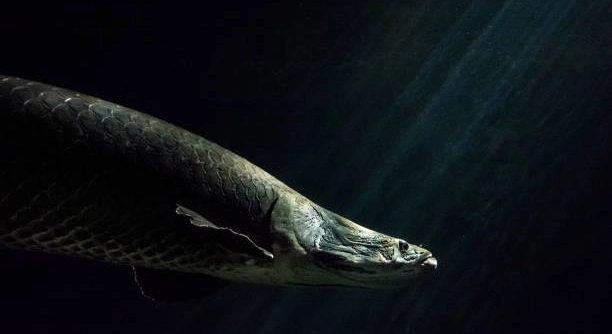
Are your arowanas showing unusual behavior or seeming restless more often than usual? Overstimulation in these fish can affect their well-being, making it important to notice early signs before it impacts their health and daily activity.
Overstimulation in arowanas is typically caused by excessive environmental stimuli, including rapid movements, frequent handling, or overcrowding. Common indicators include erratic swimming, loss of appetite, stress coloration, fin clamping, and increased aggression, all of which may compromise their overall health.
Recognizing these behaviors early allows you to create a calmer environment and maintain your arowana’s health and happiness effectively.
Rapid and Erratic Swimming
Arowanas that swim quickly or change direction suddenly may be overstimulated. This behavior often happens when the tank environment is too busy or noisy. Lights flickering, sudden movements near the tank, or other fish constantly moving can trigger this reaction. Over time, constant high-speed swimming can tire the fish and affect its health. It is important to observe patterns in their movement and identify triggers. Reducing disturbances and providing areas to hide or swim calmly can help. Even minor changes like dimming the lights or limiting visitors near the tank can make a difference. Stress from overstimulation can lead to decreased immunity, making your arowana more susceptible to disease. Maintaining a calm and predictable environment helps ensure the fish’s energy is not wasted on unnecessary activity, allowing them to thrive.
High activity levels often indicate the need for a calmer and more structured tank environment.
Slowing down stimuli and providing space to rest can improve behavior. Creating a stable environment reduces stress, keeps the fish healthy, and encourages natural swimming patterns without constant agitation.
Loss of Appetite
Arowanas may refuse food when overstimulated, showing little interest in meals. Sudden noises, excessive handling, or frequent tank activity can disrupt feeding patterns. Hunger loss can lead to weakened immunity, slower growth, and long-term health issues if not addressed. Proper feeding schedules and a quiet environment support regular eating habits.
Offering food at consistent times while minimizing disturbances can encourage normal appetite.
To help your arowana regain interest in food, maintain a peaceful tank and avoid overhandling. Introducing live or varied diet options gradually can stimulate feeding. Observing the fish during feeding times allows you to notice subtle changes and adjust care accordingly. Avoid overcrowding or placing the tank in high-traffic areas, as stress can persist even when food is present. Overstimulation may also cause competition among tank mates, which discourages eating. By keeping the environment calm and predictable, your arowana will be more likely to maintain a healthy appetite, ensuring proper growth and energy levels over time.
Fin Clamping
Fin clamping occurs when arowanas keep their fins tightly against their bodies. This is a common response to stress or overstimulation and can indicate discomfort in the tank environment.
Clamped fins restrict movement and reduce the fish’s ability to balance properly. It often happens when the water is too crowded, the temperature fluctuates, or lighting is too intense. Persistent clamping may lead to weakened muscles and slower swimming, making the fish more vulnerable to illness. Observing the tank setup, adjusting decorations, and reducing sudden disturbances can help the fish relax. Allowing quiet periods and minimizing rapid movements near the tank supports healthier fin posture and encourages natural swimming.
Avoiding sudden changes and keeping the water stable improves fin condition. Consistent care ensures clamped fins do not lead to long-term health issues.
Stress Coloration
Arowanas can develop darker or faded colors when overstimulated, signaling stress. Changes in lighting, excessive movement around the tank, or frequent handling can trigger this response. Maintaining consistent environmental conditions helps reduce color-related stress.
Stress coloration often occurs alongside other symptoms such as rapid swimming or loss of appetite. The intensity and duration of color changes can indicate how severe the overstimulation is. Stress can weaken the immune system, leaving the fish prone to infections and slower healing. To address this, ensure proper water quality, maintain steady temperatures, and limit disturbances around the tank. Providing hiding spaces and calm areas allows the fish to regain normal coloration over time, signaling reduced stress levels and improved overall health. Observing changes early and adjusting the environment accordingly helps preserve both appearance and well-being, supporting a more comfortable and stable habitat for the arowana.
Increased Aggression
Overstimulated arowanas often display aggression toward tank mates or even their reflection. This behavior is a sign of stress and excess energy in their environment.
Frequent chasing or sudden lunges can lead to injuries or further stress. Limiting disturbances and providing adequate space reduces aggressive interactions.
Hiding More Than Usual
Arowanas may spend excessive time hiding when stressed. Overstimulation can make them feel unsafe or overwhelmed, prompting retreat to corners or decorations. Maintaining quiet periods and calm lighting encourages them to emerge naturally and resume normal activity.
Restlessness at Night
Arowanas showing restlessness during nighttime often experience overstimulation. Bright lights or nearby movement can disrupt their sleep patterns, leading to fatigue and increased stress levels.
Rapid Gill Movement
Rapid gill movement indicates the fish is trying to cope with environmental stress. Excessive stimuli such as sudden noise or overcrowding can trigger this reaction, signaling the need for a calmer tank environment.
How can I tell if my arowana is overstimulated?
Signs of overstimulation are usually behavioral. Look for rapid or erratic swimming, clamped fins, loss of appetite, and increased aggression. Stress coloration, excessive hiding, or restless nighttime activity are also common indicators. Observing these behaviors over time helps identify triggers in the environment, such as sudden movements, bright lights, or overcrowding.
What environmental factors commonly cause overstimulation?
Overstimulation often stems from frequent disturbances, loud noises, or a tank that is too crowded. Constant movement near the tank, bright or flickering lights, and sudden changes in water temperature can stress your arowana. Even regular maintenance can be overwhelming if performed too quickly or frequently. A calm and stable environment reduces unnecessary stress.
How can I reduce my arowana’s stress at home?
Creating a peaceful environment is key. Reduce excessive movement around the tank, dim harsh lighting, and provide hiding spots like plants or decorations. Keeping water quality stable and ensuring proper temperature and filtration helps maintain comfort. Limiting frequent handling and allowing the fish to adjust to its surroundings gradually also supports recovery.
Should I change my arowana’s diet when it is overstimulated?
If your arowana loses interest in food, offer familiar foods at consistent times. Small portions, live food, or slight variety can encourage feeding without causing additional stress. Avoid overfeeding or forcing meals, as this can increase anxiety. Monitoring feeding behavior carefully ensures your fish receives proper nutrition during stressful periods.
Is overcrowding a serious problem for arowanas?
Yes, overcrowding can quickly lead to overstimulation. Arowanas need space to swim freely and establish territories. Too many tank mates or a small tank can increase aggression, stress, and erratic behavior. Ensuring appropriate tank size and reducing unnecessary tank additions promotes calmer and healthier behavior.
Can overstimulation cause long-term health problems?
Persistent overstimulation may weaken immunity, slow growth, and increase vulnerability to disease. Chronic stress can also lead to permanent behavioral changes, such as increased aggression or hiding. Regular monitoring of behavior, diet, and environmental conditions is necessary to prevent long-term complications and maintain overall health.
How often should I check my arowana’s environment?
Daily observation is recommended to notice changes in behavior, appetite, or appearance. Weekly checks of water quality, temperature, and filtration ensure a stable environment. Small adjustments can prevent overstimulation and maintain consistent conditions that support the fish’s well-being.
Are there signs that indicate immediate intervention is needed?
Sudden, extreme changes like continuous frantic swimming, severe fin clamping, or refusal to eat for several days require prompt attention. Checking water parameters, reducing disturbances, and offering a calm space are immediate steps. Severe or prolonged stress may require consultation with a fish health specialist.
Can other fish contribute to overstimulation?
Yes, overly active or aggressive tank mates can increase stress. Arowanas are territorial and may respond to constant chasing or nipping with heightened aggression or retreat. Observing interactions and separating problematic fish or providing additional space helps maintain harmony and reduces overstimulation.
What long-term strategies help prevent overstimulation?
Maintaining a consistent feeding schedule, stable water conditions, and a calm environment prevents recurring stress. Regular observation and gradual introductions of new elements, such as tank mates or decorations, allow your arowana to adapt without becoming overstimulated. Consistency and attention to their behavior are key for long-term health.
How can I tell if interventions are working?
Improvement is seen through calmer swimming patterns, normal appetite, relaxed fin posture, and normal coloration. Gradually, the fish will spend less time hiding and more time exploring the tank. Consistent behavior over several weeks indicates the environment adjustments are effective.
Observing your arowana’s behavior closely is essential for maintaining its health and well-being. Overstimulation can be subtle at first, but small changes in movement, appetite, or coloration often indicate that the fish is under stress. Recognizing these early signs allows you to take action before they escalate into more serious health problems. Arowanas are sensitive creatures, and their environment directly impacts how they behave and thrive. Ensuring that the tank remains calm, spacious, and free from excessive disturbances will help your fish feel secure and maintain normal activity levels. Simple adjustments, like reducing sudden movements near the tank, providing hiding spaces, and maintaining steady lighting, can make a noticeable difference. By paying attention to these details, you not only prevent stress but also support the natural behaviors that keep your arowana active, healthy, and comfortable in its home.
Creating a stable environment goes beyond just arranging the tank properly. Water quality, temperature, and filtration all play crucial roles in arowana health. Frequent fluctuations in these factors can increase stress and exacerbate overstimulation, even if the tank appears visually calm. Regular monitoring and maintenance of water conditions ensure that the fish’s surroundings remain predictable and safe. Additionally, maintaining a consistent feeding schedule helps reduce anxiety related to food and energy levels. Overstimulated arowanas often show changes in appetite, which can lead to weakened immunity or slower growth. By keeping their diet balanced and their environment consistent, you support both physical health and overall well-being. Observing behavior over time will help you understand what adjustments are most effective for reducing stress and encouraging normal activity patterns.
Long-term care requires patience and consistency. Arowanas respond well to predictable routines and environments that allow them to explore, swim freely, and rest without constant interruptions. Limiting sudden handling, reducing tank disturbances, and avoiding overcrowding are essential practices. Over time, these strategies help the fish regain natural behaviors, stabilize appetite, and reduce aggressive or erratic movements. Every arowana is unique, so paying attention to individual responses will help you fine-tune their care. By creating a calm, balanced environment and monitoring for early signs of overstimulation, you can ensure your fish remains healthy, active, and content. Consistent observation, gentle adjustments, and thoughtful care provide a supportive environment where your arowana can thrive for years to come.

Hello,
If you enjoy the content that we create, please consider saying a "Thank You!" by leaving a tip.
Every little bit helps us continue crafting quality advice that supports the health, happiness, and well-being of pets around the world, for pets of all shapes, sizes, and species.
We really appreciate the kindness and support that you show us!