
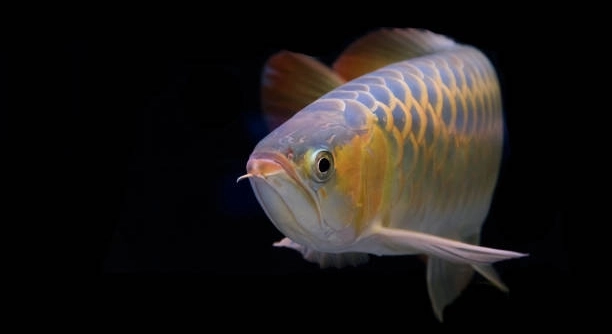
Are your aquarium tanks starting to feel a little stale or uninteresting? Over time, tank decorations can shift, settle, or lose their appeal. Repositioning them can refresh the look of your aquatic environment and maintain balance.
Tank decor should be repositioned periodically, typically every few weeks to months, depending on tank size, inhabitant activity, and plant growth. Regular adjustments help maintain aesthetics, prevent algae buildup, and ensure a healthy, functional aquatic habitat.
Keeping your tank visually appealing and safe for your fish is easier with small, consistent changes in decor placement. This practice supports both beauty and the well-being of your aquatic pets.
Signs Your Tank Decor Needs Repositioning
Over time, even carefully arranged decorations can shift or settle in ways that disrupt your tank’s balance. Uneven substrates, active fish, or growing plants may push items out of place. Decorations that have moved too close to filters or heaters can interfere with water flow, circulation, and temperature distribution. Unevenly spaced decor may create hidden areas where waste accumulates, encouraging algae growth and making maintenance more difficult. Observing fish behavior is also important—some fish may hide excessively or avoid certain areas if the layout becomes uncomfortable. Repositioning items can prevent stress, improve swimming space, and help maintain a visually pleasing environment. Small adjustments can make a significant difference in both aesthetics and the tank’s overall health. Consistent attention ensures that the tank remains engaging for inhabitants and easy to maintain for you, reducing the risk of long-term issues.
Regularly checking your tank for shifted items saves time and helps maintain a healthier habitat.
Making thoughtful changes involves considering each decoration’s size, weight, and impact on movement. For plants, proper spacing ensures growth without crowding, while rocks and ornaments should be stable to prevent toppling. Repositioning can also refresh the tank’s visual appeal, creating natural-looking zones and hiding spots. Adjusting substrate levels or slopes can improve filtration efficiency and reduce sediment buildup. For larger tanks, consider breaking the space into sections, arranging decor to balance activity areas and resting spots. Small shifts every few weeks or months keep the environment dynamic. Observing fish reactions after changes ensures that the new layout supports their natural behavior. Over time, rotating decorations or slightly altering arrangements can prevent monotony and maintain interest for both you and your aquatic inhabitants. A well-organized tank promotes health, comfort, and a visually engaging space that benefits all its residents.
Tips for Safe Repositioning
Move decorations carefully to avoid disturbing fish or plants.
Start by removing fragile or delicate items first. Clean surfaces and inspect for damage, cracks, or sharp edges. Gradually adjust rocks, ornaments, and artificial plants, ensuring they remain stable and secure. Avoid large shifts that could trap fish or crush smaller plants. Keep track of plant roots and adjust substrate as needed to prevent uprooting. For tanks with live plants, consider trimming overgrown areas to maintain space and flow. Observing fish behavior during and after repositioning ensures they are comfortable. Once finished, monitor water parameters to confirm no debris or sediment has disrupted chemistry. These careful steps protect both the decorations and the aquatic life, reducing stress and maintaining a safe, healthy environment. Consistency and attention to detail make repositioning a smooth and effective practice.
Common Mistakes When Repositioning Decor
Shifting decorations too frequently can stress fish and disrupt plants. Overcrowding areas or placing heavy items on unstable substrate can cause accidents.
Rushing the process often leads to unstable arrangements that may topple, trapping fish or damaging plants. Ignoring fish behavior during changes can increase stress, as some species are sensitive to sudden layout shifts. Overloading one side of the tank can create uneven water flow and affect filtration efficiency. Decorations placed too close to heaters or filters can block circulation, altering temperature or water quality. Maintaining balance and spacing ensures safety while supporting natural swimming patterns and plant growth.
Failing to plan each adjustment may result in an unorganized or cramped environment. Gradually moving items and observing how fish interact helps maintain a comfortable, safe space. Stability, spacing, and attention to behavior are key to preventing accidents, keeping both decorations and aquatic life secure. Careful, small adjustments prevent long-term issues and improve overall tank health.
Benefits of Repositioning Tank Decor
Repositioning keeps tanks visually fresh and fish more active.
Small, thoughtful changes encourage exploration and natural behavior. Rearranging creates new hiding spots, paths, and resting areas that mimic natural habitats. For planted tanks, repositioning can improve light distribution and plant growth, while helping reduce dead zones where debris accumulates. Altering layouts can also improve water circulation, making filtration more efficient and preventing stagnant areas. Fish become more engaged with their environment, reducing boredom and stress. Even minor adjustments can significantly enhance both the aesthetic appeal of the tank and the overall well-being of its inhabitants.
How Often to Reposition Decor
Small adjustments every few weeks keep the tank organized and engaging. Observing fish behavior helps determine when changes are needed.
Major rearrangements can be done every few months or when plants or decorations outgrow their space. Regular monitoring prevents overcrowding and stress.
Seasonal Changes and Tank Layout
Seasonal shifts in lighting or temperature can affect plant growth and fish activity. Adjusting decor accordingly ensures optimal conditions. Repositioning can improve light exposure for plants, prevent stagnant areas, and maintain proper water circulation. Seasonal updates help the tank remain visually appealing while supporting healthy behaviors and growth patterns for all inhabitants. Planning ahead for seasonal changes avoids sudden disruptions, allowing fish to adapt comfortably while maintaining the tank’s balance and functionality. Regular attention to seasonal needs keeps the environment stable and enjoyable.
Tools to Use
Tweezers and small nets make repositioning delicate decorations easier.
FAQ
How often should I reposition my tank decorations?
It depends on your tank setup, fish activity, and plant growth. Small adjustments every few weeks help maintain balance and aesthetics, while major rearrangements can be done every few months. Observing fish behavior and plant health can guide you on timing. Avoid moving items too frequently, as this can stress fish.
Will moving decorations stress my fish?
Yes, sudden or frequent changes can cause stress. Fish may hide excessively or avoid certain areas if their environment feels unfamiliar. Gradual adjustments and observing their reactions help minimize stress. Always reposition decorations carefully, ensuring stable placement to prevent accidents that could harm fish.
Do live plants affect how often I should reposition decor?
Live plants require more careful consideration. Overcrowded plants or disrupted roots can affect growth. Moving decorations around plants too often may damage them. It’s best to adjust plant-friendly areas slowly and ensure that lighting and water flow remain consistent for healthy growth.
Can I rearrange decorations while fish are in the tank?
Yes, but caution is essential. Move items slowly to avoid scaring fish or crushing plants. Using tools like tweezers, small nets, or gloves can make the process safer. Watch fish closely during and after changes to ensure they adapt comfortably to the new layout.
Does repositioning decor help prevent algae buildup?
Yes, rearranging decorations can improve water circulation and light distribution. Areas with stagnant water or limited light encourage algae growth. Adjusting decorations and cleaning surfaces regularly helps reduce algae while keeping the tank visually appealing and healthier for fish.
Should heavy decorations be moved differently?
Yes, heavy items like rocks or large ornaments should be handled with extra care. Make sure the substrate is stable before moving them. Avoid stacking or leaning items in ways that could topple. Securing heavy decorations prevents accidents that could harm fish or damage the tank.
How do I keep my tank visually balanced after moving decorations?
Balance is key for both aesthetics and fish comfort. Avoid overcrowding one side, and spread hiding spots evenly. Consider fish behavior and swimming patterns when placing decorations. Changing positions gradually allows you to assess whether the layout supports natural movement and interaction.
Are there tools that make repositioning easier?
Yes, tools such as tweezers, small nets, gloves, and even tongs can help safely move decorations, especially delicate plants or fragile ornaments. These tools prevent injury to fish and help maintain stability while rearranging. Using them ensures safer and more precise adjustments.
Can I reposition decorations in a planted tank without damaging the plants?
Yes, but careful planning is necessary. Trim overgrown areas and adjust substrate around plant roots to prevent uprooting. Move items slowly and support delicate stems. Ensuring proper lighting and water flow after changes helps plants continue to thrive. Gradual repositioning protects both plants and fish.
How do I know if a decoration is unstable after repositioning?
After moving an item, gently test its stability. Rocks or ornaments should not wobble or lean. Monitor over time to ensure they remain secure, especially in tanks with active fish. Unstable items can topple, harm fish, or disturb plants, so stability is critical for safety and maintenance.
Does repositioning affect water quality?
It can, especially if the substrate or debris is disturbed. Moving decorations may release particles into the water, temporarily affecting clarity. Running the filter and performing small water changes afterward helps maintain clean water. Careful handling reduces potential negative effects on water quality.
Can repositioning decorations improve fish behavior?
Yes, small changes encourage exploration and natural behavior. Rearranging decorations creates new hiding spots, resting areas, and swimming paths. Fish become more active and engaged when their environment changes gradually, which supports mental stimulation and overall well-being.
Is there a best order for repositioning decorations?
Start with fragile or delicate items first, then move larger, heavier objects. Adjust plants and substrate as needed, and finally, place smaller decorations to fill gaps. This approach minimizes accidents, protects inhabitants, and ensures stability while maintaining the tank’s visual balance.
How do I monitor fish after repositioning?
Observe fish closely for several hours or days. Look for hiding, reduced swimming, or unusual behavior. Gradual adaptation indicates comfort, while persistent stress may require small adjustments to layout or hiding areas. Monitoring ensures fish remain healthy and comfortable in the new arrangement.
Can I reposition decorations in a heavily populated tank?
Yes, but it requires extra care. Move items slowly to avoid stressing fish or damaging plants. Ensure swimming space is maintained, and provide temporary hiding spots if necessary. Patience and careful planning are essential for keeping all inhabitants safe during changes.
What are common mistakes when repositioning decor?
Common mistakes include moving decorations too frequently, overcrowding areas, ignoring fish behavior, placing heavy items on unstable substrate, and disrupting plant roots. Avoiding these mistakes ensures safety, maintains balance, and keeps both fish and plants healthy. Gradual and thoughtful adjustments prevent long-term issues.
How do I maintain a visually appealing tank after repositioning?
Spread decorations evenly, create natural-looking zones, and consider fish behavior when placing items. Rotate or slightly adjust arrangements over time to keep interest. Balance aesthetics with functionality, ensuring water flow, hiding spots, and open swimming areas remain optimal for both plants and fish.
How much impact does repositioning have on plant growth?
Significant impact can occur if decor blocks light or disrupts water flow. Proper spacing and stable placement support healthy growth. Regular adjustments can improve light distribution, reduce overcrowding, and prevent stagnant areas, which benefits both plant and fish health.
Is repositioning necessary for small tanks?
Yes, even small tanks benefit from occasional changes. Limited space means decorations can become overcrowded quickly, affecting swimming areas and water flow. Adjusting layout keeps the environment balanced, visually appealing, and safe for fish. Small changes can have a noticeable positive effect.
How do I prevent decorations from shifting again after repositioning?
Ensure items are stable and secure, especially heavy rocks or ornaments. Use flat surfaces or support structures in the substrate. Regularly check positions and adjust slightly as needed. Stability prevents accidents, protects fish, and reduces stress caused by constantly moving items.
Can repositioning help with aggressive fish behavior?
Yes, rearranging can reduce territorial disputes by creating additional hiding spots and dividing swimming areas. Adjusting decorations helps aggressive species coexist by giving each fish space and reducing conflicts. Gradual, thoughtful changes support calmer interactions and a healthier tank environment.
Are there any decorations I should avoid moving often?
Fragile plants, delicate ornaments, and heavy rocks should be moved cautiously. Repeated handling increases risk of damage or stress to fish and plants. Stable, well-anchored items are safer for frequent adjustment, while delicate pieces should only be moved when necessary.
How do I combine decor repositioning with regular maintenance?
Coordinate adjustments with cleaning, water changes, and plant trimming. Moving decorations during maintenance makes it easier to clean hard-to-reach areas and inspect for damage. Combining tasks saves time while keeping the tank organized, safe, and healthy for all inhabitants.
Can repositioning decorations improve tank safety?
Yes, carefully placed items prevent toppling, blockages, or trapped fish. Adjusting decor ensures stable arrangements, reduces hazards, and creates safe hiding spots. Regular repositioning contributes to a secure environment, minimizing risk of accidents and supporting the overall health of the tank.
How do I know if I’ve repositioned decor correctly?
Fish behavior, stability, and plant health indicate success. Fish should swim comfortably, hide when needed, and explore new spaces. Decorations remain secure, and plants continue to grow properly. Observing these factors over time confirms that adjustments support a safe, balanced, and visually pleasing environment.
Does repositioning decor affect filtration?
Yes, shifting items can change water flow patterns. Blocking intake or output may reduce filtration efficiency. Adjusting decorations to maintain unobstructed flow ensures even circulation and effective filtration, supporting healthy water conditions and overall tank health.
How do I handle delicate ornaments during repositioning?
Use tools like tweezers or gloves and move items slowly. Avoid stacking fragile pieces and place them on stable surfaces. Gradual, careful handling prevents damage and protects both the decorations and the aquatic life around them. Proper care extends their lifespan and maintains tank safety.
Can I reposition decorations to help new fish settle in?
Yes, creating additional hiding spots and rearranging areas can ease stress for new arrivals. Gradual changes give fish time to explore safely and adapt to their environment. Proper layout supports a smoother transition and promotes healthy integration into the tank.
How do I balance aesthetics and functionality when repositioning?
Consider fish behavior, swimming space, and plant needs while arranging items. Avoid overcrowding, provide open areas, and create natural zones. Combining visual appeal with practical functionality ensures both a beautiful and safe environment for all inhabitants, maintaining overall tank health.
Are there any long-term benefits to repositioning decor regularly?
Regular repositioning supports fish activity, plant growth, water circulation, and visual interest. It reduces stress, prevents stagnant areas, and maintains a balanced ecosystem. Over time, consistent, thoughtful adjustments contribute to a healthier, safer, and more engaging tank for both fish and plants.
How do I make repositioning a routine part of tank care?
Schedule small adjustments alongside weekly cleaning or monthly maintenance. Monitor fish and plant growth, and make changes gradually. Consistency ensures that decorations remain stable, the environment stays healthy, and both fish and plants continue to thrive without unnecessary stress or disruption.
Can repositioning help with tank overcrowding?
Yes, rearranging items can optimize swimming space, prevent hidden waste zones, and balance plant coverage. Thoughtful adjustments reduce stress, improve circulation, and maintain a more comfortable habitat for all inhabitants, even in limited or densely populated tanks.
How do I prioritize which decorations to move first?
Start with unstable or fragile items, then adjust heavier decorations, followed by plants and smaller ornaments. This method protects fish, reduces risk of accidents, and ensures that changes maintain stability while improving tank layout and aesthetics.
Does repositioning affect water temperature?
It can slightly if decorations block heaters or alter flow patterns. Ensure heaters are unobstructed, and water circulates freely. Minor shifts in temperature are typically temporary, but careful placement prevents long-term effects on fish comfort and overall tank health.
Can repositioning decorations improve fish feeding behavior?
Yes, creating open areas and accessible hiding spots encourages natural foraging. Fish are more likely to explore and feed when the environment feels safe and balanced. Thoughtful layout adjustments support healthier, more consistent feeding routines for all inhabitants.
Are artificial decorations easier to reposition than natural ones?
Generally, yes. Artificial ornaments are less delicate, lighter, and less prone to root disruption. However, stability and proper placement remain important for both types. Gradual adjustments and careful handling ensure safety and visual appeal regardless of material.
How do I prevent fish from moving decorations themselves?
Ensure items are stable and heavy enough to resist nudging. Anchoring plants and avoiding loose substrates reduces accidental shifts. Observing fish interactions with decorations helps identify areas that may need reinforcement for safety and stability.
Can repositioning help reduce stress in shy fish?
Yes, creating additional hiding spots and dividing open areas gives shy fish options to retreat. Gradual layout changes and monitoring behavior support confidence and comfort, encouraging natural exploration without fear. A thoughtful approach helps reduce stress and promotes well-being.
How do I know if a change is too drastic?
If fish hide excessively, avoid areas, or show unusual behavior, the adjustment may be too extreme. Revert minor changes or provide additional hiding spots. Gradual modifications help fish adapt comfortably while maintaining a functional and safe tank environment.
Does repositioning require water changes afterward?
Small adjustments may not need immediate water changes, but moving substrate or disturbing debris can temporarily affect clarity. Running the filter and performing partial water changes if needed helps maintain water quality and supports a healthy habitat.
Can repositioning improve plant growth in shaded areas?
Yes, moving decorations can increase light exposure and circulation, reducing stagnant zones. Proper spacing and gradual adjustments ensure plants receive adequate light and nutrients, supporting healthier growth and a more balanced tank environment.
How do I track changes for future reference?
Keep a simple log or take photos before and after adjustments. Note timing, fish behavior, and plant responses. Tracking helps identify what works best, guides future repositioning, and ensures consistent care and a stable, healthy tank ecosystem.
Can repositioning decorations reduce fish aggression?
Yes, creating separate territories and additional hiding spots reduces conflict. Thoughtful adjustments prevent overcrowding and allow fish to establish personal space, which lowers stress and supports more peaceful interactions among tank inhabitants.
Is repositioning more important in certain tank types?
Planted tanks and heavily stocked aquariums benefit most from careful adjustments. Live plants, fish behavior, and water circulation require attention to spacing and layout. Repositioning ensures optimal growth, swimming space, and tank functionality in these setups.
How long should I observe fish after repositioning?
Monitor fish for several hours immediately and continue for a few days. Watch swimming patterns, hiding behavior, and interactions. Observation confirms that fish are adapting well and that the new layout supports health, comfort, and natural behavior.
Can repositioning help prevent boredom in fish?
Yes, creating new hiding spots, paths, and zones encourages exploration and activity. Small, thoughtful changes stimulate natural behavior, keeping fish engaged and promoting both mental and physical well-being in their environment.
How do I know when repositioning is no longer needed?
When fish are comfortable, plants grow evenly, and the tank remains balanced, frequent changes may not be necessary. Occasional minor adjustments for maintenance or aesthetics are sufficient to maintain a healthy, functional, and visually pleasing environment.
What is the easiest way to reposition multiple decorations at once?
Plan the layout before moving items. Start with larger, heavier pieces, then adjust plants and smaller ornaments. Use tools to move delicate decorations safely. Gradual placement ensures stability, protects fish, and maintains a balanced, organized tank.
Can repositioning help with algae control in specific areas?
Yes, moving decorations can improve light distribution and water flow, reducing stagnant zones where algae tends to grow. Consistent observation and small adjustments prevent excessive buildup while maintaining a cleaner, healthier tank environment.
Should I reposition decor differently for bottom-dwelling fish?
Yes, ensure substrate remains level and hiding spots are accessible. Bottom dwellers need open pathways and stable surfaces. Gradual adjustments allow them to navigate comfortably without stress or risk of being trapped under shifted decorations.
How do I balance fish needs with aesthetic preferences when repositioning?
Prioritize swimming space, hiding spots, and plant growth over purely visual appeal. Consider fish behavior and comfort while arranging decorations. Thoughtful planning ensures a beautiful tank that also supports the health and well-being of all inhabitants.
Can repositioning improve oxygen circulation in the tank?
Yes, adjusting decorations can prevent blocked water flow and promote even circulation. Proper placement enhances filter efficiency, reduces stagnant areas, and ensures consistent oxygen levels, supporting healthy fish and plants.
Is it better to reposition all decorations at once or gradually?
Gradual changes are safer. Moving everything at once can stress fish and disrupt plants. Small, deliberate adjustments allow fish to adapt, maintain stability, and preserve the tank’s functionality while improving aesthetics and engagement.
Can repositioning decor help prevent territorial disputes?
Yes, additional hiding spots and well-distributed areas reduce competition for space. Thoughtful placement allows fish to establish personal zones, minimizing aggression and stress while supporting a harmonious tank environment.
How do I manage decorations in tanks with delicate fish species?
Handle decorations gently, avoid sudden shifts, and prioritize stability. Use tools for fragile items and observe fish reactions closely. Gradual adjustments protect delicate species from stress, injury, and displacement.
Does repositioning affect tank filtration efficiency long-term?
Properly done, it can improve efficiency by maintaining unobstructed flow. Poor placement may block intake or output, but careful adjustments ensure filters function optimally, supporting water quality and overall tank health.
Can I reposition decorations in a quarantine tank the same way as a main tank?
Yes, but consider limited space and temporary setups. Ensure hiding spots and swimming space are available while maintaining stability. Careful handling prevents stress and supports the well-being of fish during quarantine.
How often should I check the stability of decorations after repositioning?
Regularly, especially in the first few days after changes. Ensure heavy or fragile items remain secure. Frequent checks prevent accidents, protect fish, and maintain a safe, organized environment.
What should I do if fish knock over decorations after repositioning?
Secure items better or move them to more stable areas. Adjust substrate or use support structures as needed. Ensuring stability prevents accidents, reduces stress, and maintains the tank’s overall safety.
Does repositioning affect water clarity?
It can temporarily disturb substrate and debris. Running the filter and performing partial water changes helps maintain clarity. Careful handling minimizes disruption while supporting healthy water conditions.
Can I reposition decorations in a community tank without causing conflicts?
Yes, but provide multiple hiding spots and open areas. Gradual adjustments reduce stress and allow fish to adapt while minimizing territorial disputes. Thoughtful placement supports a balanced and peaceful environment.
How do I choose which decorations to move first in a crowded tank?
Start with unstable or frequently disturbed items. Adjust plants and heavy ornaments next, followed by smaller decorations. This approach protects fish, prevents accidents, and ensures a safe, functional layout.
Can repositioning encourage shy or reclusive fish to explore?
Yes, new hiding spots and open paths invite exploration. Gradual, thoughtful changes make shy fish feel safe while promoting natural activity and engagement in the tank.
How do I reposition decorations without stressing live plants?
Support roots, trim overgrowth, and move items slowly. Gradual adjustments prevent uprooting and allow plants to continue thriving. Ensuring proper light and water flow after repositioning helps maintain plant health.
Can repositioning help reduce overcrowding in small tanks?
Yes, rearranging items can optimize space, improve circulation, and create defined zones. Thoughtful adjustments reduce stress, support natural behavior, and make the tank more comfortable for all inhabitants.
Should decorations be anchored when repositioning frequently?
Yes, anchoring prevents shifts that could harm fish or plants. Stable placement ensures safety and reduces maintenance issues, especially in active or densely populated tanks.
How do I ensure decorations don’t block essential equipment?
Check filters, heaters, and pumps before final placement. Leave enough clearance for proper flow, circulation, and temperature regulation. Proper spacing ensures equipment functions efficiently while keeping the tank safe.
Does repositioning help maintain substrate stability?
Yes, adjusting decorations can prevent uneven buildup or erosion. Careful placement and gradual changes help maintain a level substrate, reducing risk to plants and fish while supporting tank health.
Can repositioning reduce stress for new plant growth?
Yes, by improving light distribution and water flow. Gradual adjustments prevent overcrowding and allow plants to establish healthy roots, supporting overall tank stability and aesthetics.
**Is it necessary to reposition
Repositioning tank decorations is an important part of keeping your aquarium balanced, healthy, and visually appealing. Over time, items can shift, settle, or become overgrown with plants and algae. Small adjustments can prevent these problems and ensure that the environment remains comfortable for your fish. Moving decorations helps maintain open swimming areas, proper hiding spots, and stable substrates. It also allows you to monitor your tank more closely, checking for signs of wear on ornaments or issues with plant growth. By staying attentive to the layout, you can avoid overcrowding and reduce the chance of accidents, which benefits both the fish and the overall functionality of the tank. Even minor changes can make a significant difference in maintaining a clean and organized aquatic space.
Careful repositioning also supports the natural behavior of your fish. Fish thrive in an environment where they can swim freely, explore, and find shelter when needed. Rearranging decorations helps create new zones and pathways that encourage activity and engagement. It also reduces stress by giving shy or territorial fish places to retreat. For planted tanks, adjusting the placement of plants and other decor can improve light distribution and water flow, supporting healthier growth and preventing stagnant areas. Observing your fish during and after adjustments ensures that the changes are beneficial and that the tank continues to function effectively. Small, thoughtful adjustments done gradually help fish adapt comfortably without causing unnecessary stress. Over time, this approach contributes to a more balanced and natural habitat for all your aquatic life.
Repositioning decorations is also a practical way to keep your tank visually interesting. Even a well-set-up aquarium can start to feel static over time, and minor changes refresh the appearance without requiring a complete overhaul. By varying the layout slightly, you can highlight certain features, create new focal points, or improve the overall flow of the tank. Stability and careful planning are key, especially for heavy ornaments or delicate plants. Keeping decorations secure prevents accidents, protects fish, and maintains a safe environment. Regular attention to placement, combined with proper maintenance, ensures that your tank stays healthy and enjoyable for both you and your aquatic pets. Making repositioning a part of your routine care can help prevent problems, support growth, and create an engaging, balanced environment that benefits everyone in the tank.

Hello,
If you enjoy the content that we create, please consider saying a "Thank You!" by leaving a tip.
Every little bit helps us continue crafting quality advice that supports the health, happiness, and well-being of pets around the world, for pets of all shapes, sizes, and species.
We really appreciate the kindness and support that you show us!