
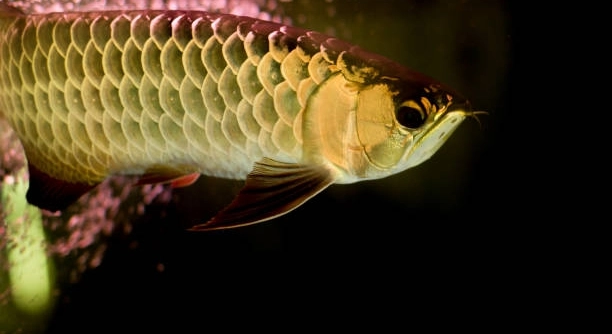
Moving an arowana can feel overwhelming, especially when you want to ensure its safety and comfort. Many owners worry about stress, injury, or water quality changes during the transport process. Proper preparation is key.
The most effective low-stress methods for moving an arowana involve gradual acclimation, stable water conditions, secure transport containers, and minimizing handling. Maintaining consistent temperature and oxygen levels reduces stress, ensuring the fish’s health throughout the relocation process.
Following these steps will make moving your arowana smoother and safer, helping your fish adjust comfortably to its new environment.
Preparing the Tank for Transport
Before moving an arowana, it is important to prepare the tank carefully. Start by cleaning the tank, removing any debris or leftover food. Partially change the water to ensure it is fresh but maintain some of the old water to keep beneficial bacteria intact. Check the water temperature and pH to make sure they match the new environment. Secure decorations and plants so they do not shift during transport, which can injure the fish. Remove any fragile or sharp objects that could harm the arowana. Make sure the tank is covered to prevent the fish from jumping out. If using a bag or container for transport, double-check that it is strong and leak-proof. Preparing the tank correctly reduces stress and ensures the arowana remains healthy and calm during handling and relocation.
Taking the time to prepare the tank properly is a small effort that protects the fish’s safety and health.
Keeping the tank ready also helps the arowana feel familiar surroundings, which reduces stress. A calm fish adapts faster to new conditions and avoids sudden health issues that can arise from environmental changes. Proper tank preparation is the first step in a smooth relocation.
Acclimating Your Arowana
Acclimation is essential for reducing stress when moving an arowana. Gradually adjust the fish to changes in temperature, water chemistry, or light before full relocation.
Introduce the fish slowly to the new water by mixing small amounts from the new environment into its current container over several hours. Monitor the arowana’s behavior closely, watching for signs of stress like rapid gill movement or unusual swimming patterns. Avoid feeding the fish immediately after introducing it to new water, as digestion can increase vulnerability to stress. Use gentle handling and minimize disturbances. A calm, steady approach allows the arowana to adapt naturally to differences in water temperature and quality. By following this method, the fish is less likely to experience shock or injury. Patience during acclimation is key to ensuring long-term health and comfort for your arowana in its new setup.
Choosing the Right Transport Container
A strong, leak-proof container is essential for moving an arowana. Avoid weak bags or open containers that could fail during transport.
The container should be large enough for the arowana to move slightly but not so big that water sloshes excessively. Fill it with water from the original tank to maintain familiar conditions. Use an oxygen source or ensure plenty of air space above the water. Secure the lid to prevent spills or escapes. Adding a soft lining or bubble wrap around the container can help absorb shocks and vibrations during transport. Handling the container carefully reduces sudden movements that can stress the fish.
Always label the container with the type of fish, water conditions, and any special instructions. Keep it upright, and avoid stacking it with heavy items. Temperature control is important, especially during long trips. A stable environment ensures the arowana remains calm and healthy.
Minimizing Handling Stress
Limit handling to the absolute minimum to protect the arowana’s health. Rough or frequent handling increases stress and injury risk.
When transferring the fish, use a soft net and move it gently into the transport container. Avoid touching its scales or fins directly, as this can damage delicate tissue. Prepare all materials beforehand so the transfer is quick and smooth. During any necessary interaction, speak softly or move calmly around the tank to avoid startling the fish. Keep the environment quiet, and reduce sudden movements nearby. The goal is to make each step predictable and safe for the arowana.
Stress can weaken the immune system and make the fish more vulnerable to disease. By keeping handling brief and careful, you protect both its physical health and mental well-being. Reducing stress also makes acclimation to the new tank much easier, allowing the fish to settle in comfortably and maintain normal eating and swimming behaviors. Consistent, gentle practices are key for long-term care.
Regulating Water Temperature
Keep the water temperature stable during transport. Sudden changes can shock the arowana and cause stress.
Use a portable heater or insulating materials to maintain consistent warmth. Avoid placing the container in direct sunlight or cold drafts, which can create rapid fluctuations harmful to the fish.
Providing Adequate Oxygen
Ensure the transport container has enough oxygen. Oxygen levels can drop quickly in a sealed environment, especially with a large fish.
Adding an air stone or filling the container with sufficient air space helps maintain oxygen levels. If using a sealed bag, limit the water volume to allow room for air above. Regularly monitor the fish during transport to make sure it is breathing normally. Proper oxygenation reduces stress, keeps the arowana active, and prevents potential health problems related to oxygen deprivation.
Using Stress-Reducing Additives
Certain water additives can calm the arowana. These solutions reduce stress hormones and help the fish remain calm during handling.
Covering the Container
Covering the transport container helps the arowana feel secure and reduces visual stress.
FAQ
How long can an arowana stay in a transport container?
An arowana can safely remain in a well-prepared container for several hours, but it is best to limit transport to under 6–8 hours whenever possible. Ensure water temperature and oxygen levels remain stable. Frequent monitoring helps prevent stress or health issues.
Can I feed my arowana before moving it?
It is better to avoid feeding at least 12–24 hours before transport. Digesting food increases waste and can reduce water quality, raising stress levels. Fasting also helps prevent regurgitation during the move, which could harm the fish.
What type of water should I use in the transport container?
Use water from the arowana’s current tank. This keeps chemical balance, temperature, and beneficial bacteria familiar. Mixing a small amount of new water gradually is fine, but the majority should come from the original environment to reduce shock.
Should I use a net to move my arowana?
Use a soft, fine-mesh net if necessary, but minimize contact. Direct handling can damage scales and fins. Preparing the container beforehand and gently guiding the fish reduces stress and prevents accidental injury during transfer.
Is it safe to stack containers during transport?
Stacking is risky. Containers should remain upright and stable. Heavy items or stacked containers can shift, causing injury or water spills. If multiple fish must be transported, keep containers separate, well-insulated, and secure to maintain stable conditions.
How do I manage temperature changes during transport?
Temperature stability is crucial. Avoid placing the container in direct sunlight or near air conditioners. Use insulating materials or portable heaters if needed. Gradual acclimation to outside temperatures before moving can also prevent stress caused by sudden changes.
Can I use water additives during transport?
Yes, mild stress-reducing additives can be helpful. Products that calm fish or reduce ammonia buildup are useful for long trips. Follow instructions carefully and avoid overuse, as excessive chemicals can harm the arowana.
How do I reduce visual stress for my fish?
Cover the container with a towel or opaque lid to block outside movement and bright light. This creates a more secure environment, preventing frantic swimming or panic. A calm atmosphere reduces stress and helps the fish maintain normal breathing and behavior.
What should I do if the arowana shows stress during transport?
Monitor for signs like rapid gill movement or erratic swimming. Ensure oxygen levels are sufficient, water temperature is stable, and handling is minimal. Pausing transport briefly to stabilize conditions can help the fish recover without further stress.
How quickly should the arowana adjust to the new tank?
With careful acclimation, most arowanas begin settling in within 24–48 hours. Continue to monitor water parameters, keep feeding light initially, and avoid sudden changes to help the fish adapt smoothly. Regular observation ensures the arowana remains healthy and stress-free.
Is it necessary to quarantine after moving?
Quarantine is recommended if the new environment contains other fish. It prevents the spread of potential pathogens or parasites. Use a separate tank for observation for at least 1–2 weeks, maintaining water quality and monitoring behavior closely.
How often should I check water quality during transport?
Check water periodically, especially on longer trips. Monitor temperature, oxygen, and ammonia levels. Small adjustments like adding fresh oxygen or insulating the container can prevent health problems and ensure the fish remains calm throughout the move.
Can long-distance moves harm my arowana?
Extended transport increases risk, but proper preparation minimizes issues. Use sturdy containers, regulate temperature, maintain oxygen, and limit handling. Planning breaks and monitoring conditions along the way can make long trips manageable without causing severe stress.
Are there signs that my arowana is ready to return to a normal routine?
A calm swimming pattern, regular breathing, and normal feeding behavior indicate the fish is adjusting well. Avoid immediate overfeeding, and gradually reintroduce decorations or companions to prevent additional stress during the adaptation period.
What is the best way to handle unexpected delays?
Have backup containers, water, and temperature control supplies ready. Keep the arowana in a secure, stable environment, monitor conditions, and avoid unnecessary handling. Preparedness ensures that unforeseen delays do not compromise the fish’s health or comfort.
Can moving stress cause long-term issues?
Prolonged stress can weaken the immune system, making the arowana more susceptible to illness. Reducing handling, regulating water quality, and providing proper acclimation helps prevent long-term effects and supports overall health.
How can I make future moves easier?
Document the steps that worked well, including container type, water conditions, and transport timing. Having a consistent routine and necessary materials prepared reduces stress for both the fish and the owner during any future relocation.
Is it okay to transport multiple arowanas together?
Only if the container is large enough and water quality can be maintained. Overcrowding increases stress, risk of injury, and oxygen depletion. Separate containers are safer for most moves, allowing individual monitoring and reducing potential conflicts.
How long should I wait before introducing new tank mates after moving?
Wait at least 1–2 weeks after relocation. This allows the arowana to settle, reduces stress, and ensures the immune system is strong before interacting with other fish. Introduce new tank mates gradually while observing behavior closely.
What are the key factors for a successful low-stress move?
Stable water temperature, proper oxygenation, minimal handling, secure containers, and careful acclimation are all critical. Following these practices consistently ensures the arowana remains healthy, calm, and adjusts quickly to its new environment.
Moving an arowana can feel like a big task, but with proper preparation, it can be done safely and smoothly. The key is to plan ahead and consider every detail, from the tank and water conditions to the container and handling. Preparing the tank properly, checking water quality, and removing unnecessary decorations reduces the chance of accidents or stress. Using a strong, leak-proof container ensures the fish is secure during transport. Temperature, oxygen, and water chemistry all need careful attention to prevent shock. Taking these steps makes the move safer and more comfortable for the arowana.
Acclimation and minimizing stress are just as important as preparation. Gradually introducing the fish to changes in water conditions and handling the arowana gently reduces anxiety and prevents injury. Covering the container or using stress-reducing additives can help the fish feel more secure. Limiting interaction and keeping the environment quiet supports a calm, steady adjustment. These small, thoughtful actions protect the arowana’s health and support a smooth transition to the new tank. Maintaining consistent conditions, such as temperature and oxygen levels, and observing the fish’s behavior during transport ensures any issues are noticed and addressed promptly.
After the move, monitoring the arowana closely is essential. Watch for normal swimming patterns, regular breathing, and proper feeding behavior. Gradually reintroducing any tank decorations or companions helps the fish adapt without additional stress. Proper acclimation and careful handling support long-term health, while consistent routines and prepared materials make future moves easier. By focusing on preparation, low-stress handling, and observation, moving an arowana can become a manageable process. These steps ensure the fish remains healthy, comfortable, and ready to thrive in its new environment.

Hello,
If you enjoy the content that we create, please consider saying a "Thank You!" by leaving a tip.
Every little bit helps us continue crafting quality advice that supports the health, happiness, and well-being of pets around the world, for pets of all shapes, sizes, and species.
We really appreciate the kindness and support that you show us!