
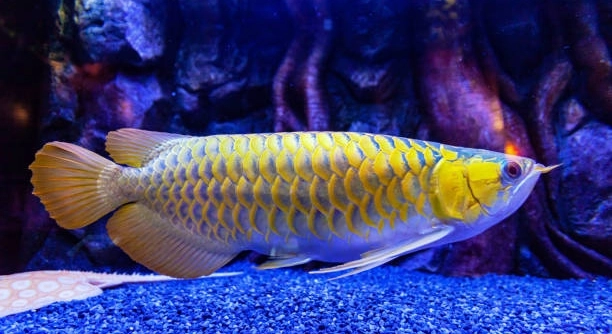
Introducing arowanas to a new tank can feel like a delicate process, especially if your aquarium is quieter than usual. These fish are sensitive to changes, and their adjustment period can be crucial for their health and comfort.
The best method to introduce an arowana to a quieter tank involves gradually acclimating the fish. This includes floating the bag in the new water, slowly mixing tank water, and monitoring stress signs to ensure a smooth transition.
Understanding the right steps for a peaceful introduction will help your arowana settle in comfortably, creating a healthier environment for long-term growth and wellbeing.
Preparing the Tank
Before introducing an arowana, make sure the tank is fully ready. Clean the tank thoroughly and check that all equipment, like filters and heaters, are functioning correctly. A quiet tank should be free from sudden vibrations and strong water currents, which can stress the fish. Add hiding spots or gentle decorations that allow the arowana to feel secure while exploring its new environment. Test the water parameters carefully, including temperature, pH, and ammonia levels. Gradual water changes over several days can help stabilize the tank and make the environment predictable for your fish. Avoid overcrowding with other fish at this stage, as the arowana will need time to adjust to its surroundings and establish a sense of territory. Even small disturbances, such as loud noises or sudden movements, can increase stress. Taking the time to prepare your tank properly can significantly reduce the risk of health issues and aggression once the fish is introduced.
Starting with a calm and stable tank ensures your arowana adapts faster and with less stress.
Keeping the tank stable involves monitoring daily conditions and making small adjustments if needed. Regularly check the filter and heater, and observe water clarity and temperature. Introduce decorations gradually and avoid sudden rearrangements, so the arowana learns its environment naturally. This attention to detail allows your fish to explore confidently, reducing hiding behavior and stress-related illnesses. Over time, maintaining this calm atmosphere helps the arowana become comfortable and confident, creating a smoother transition to its quieter habitat.
Acclimating Your Arowana
Floating the arowana in its transport bag is the first step to acclimation.
Begin by placing the sealed bag in the tank for about 15–20 minutes. This allows the water temperature to equalize, preventing shock from sudden changes. Next, slowly add small amounts of tank water into the bag every 10 minutes over the course of an hour. Observe the arowana carefully for any signs of distress, such as rapid gill movement or erratic swimming. Once the bag water is mostly replaced with tank water, gently release the fish into the aquarium. Avoid dumping the bag contents directly into the tank, as this can introduce pathogens or sudden chemical changes. After introduction, keep lights dim and minimize disturbances, letting the arowana explore at its own pace. Feeding should be delayed until the fish shows calm behavior, ensuring it adjusts without added stress. Regular observation during the first few days helps detect any health concerns early, ensuring a safe adaptation period.
Monitoring Behavior
Keep a close eye on your arowana for the first few days. Watch how it swims, where it hides, and how it responds to the tank environment. Any sudden changes can indicate stress or discomfort that needs attention.
Arowanas may swim near the surface or hide more than usual when first introduced. This is normal if it only lasts a short time. Ensure the water remains stable and avoid tapping on the tank or making loud noises. Provide a quiet environment and observe feeding patterns. A healthy arowana will eventually explore the tank confidently and respond calmly to light and movement.
It’s also important to note social interactions with other fish if present. Aggressive behavior can arise if the arowana feels threatened. Separate new tank mates if necessary, and maintain clean water to reduce irritants. Gradual observation allows you to detect small issues before they become larger problems, ensuring the arowana adjusts comfortably.
Feeding and Care
Feed the arowana small portions at first. Overfeeding can stress it, especially during acclimation.
Start with easily digestible food, like pellets or frozen options, and observe whether the fish eats willingly. Avoid sudden changes in diet and maintain a consistent feeding schedule to support health. Remove uneaten food promptly to prevent water quality issues. Arowanas are predatory by nature, so their appetite may vary at first, but gradual, small meals help them adjust. Keep an eye on body condition and energy levels, ensuring the fish is not losing weight or showing signs of lethargy.
Regular tank maintenance supports feeding routines. Monitor water parameters daily, checking ammonia, nitrite, and nitrate levels. Partial water changes can help maintain a stable environment for digestion and overall health. Rotate food types to provide balanced nutrition while minimizing stress. Avoid sudden introductions of live foods that may trigger aggression or competition. Observing behavior during feeding helps establish trust, allowing the arowana to recognize the tank as safe. Over time, consistent care routines lead to a more confident and active fish, reducing stress-related illnesses and promoting long-term wellbeing.
Tank Environment Adjustments
Keep the tank quiet and stable to help your arowana feel secure. Avoid sudden movements, loud noises, or drastic water changes that could stress the fish. Gentle filtration and consistent temperature are important.
Provide areas for the arowana to explore without feeling exposed. Plants or decorations can create hiding spots. Avoid overcrowding with other fish during this adjustment phase. Monitor how the arowana uses these spaces, adjusting placement if needed. Calm surroundings encourage confident swimming and reduce stress behaviors, allowing the fish to settle naturally into its new home.
Water Quality Maintenance
Regularly test water for ammonia, nitrite, nitrate, and pH levels. Consistent water parameters prevent stress and disease in arowanas. Maintain proper filtration and schedule partial water changes weekly. Avoid sudden chemical treatments or water additives unless necessary. Clean decorations and substrate carefully to remove buildup.
Observing Stress Signals
Watch for signs like clamped fins, rapid gill movement, or erratic swimming. Early detection allows timely adjustments to the tank environment.
FAQ
How long does it take for an arowana to adjust to a quieter tank?
Adjustment times vary depending on the fish’s temperament and previous environment. Typically, it can take anywhere from a few days to two weeks. During this period, monitor behavior closely, including swimming patterns, hiding habits, and feeding. Avoid unnecessary disturbances to reduce stress.
What is the best way to introduce water from the tank into the transport bag?
Add small amounts of tank water to the bag every 10 minutes over an hour. This gradual process helps equalize temperature and water chemistry, reducing shock. Avoid dumping the bag directly into the tank, which can introduce pathogens or sudden chemical changes.
Can arowanas live alone in a quieter tank?
Yes, they often thrive better alone, especially during acclimation. Arowanas are territorial and may become aggressive with other fish. Keeping them alone initially reduces stress and allows them to explore and establish territory without competition.
What should I do if my arowana hides constantly?
Constant hiding may indicate stress or discomfort. Ensure the tank is stable, quiet, and has appropriate hiding spots. Check water parameters and avoid sudden changes. Gradual exposure to the environment and minimal disturbances help the fish feel secure and eventually explore.
How often should I feed an arowana during the acclimation period?
Feed small portions once or twice a day. Overfeeding can cause stress or water quality issues. Use easily digestible food like pellets or frozen options. Observe appetite and body condition, adjusting portions gradually as the fish settles into the new tank.
What signs of stress should I watch for?
Clamped fins, erratic swimming, rapid gill movement, or loss of appetite are common indicators. Early detection allows for timely adjustments to tank conditions, including water quality, temperature, and overall environment stability, ensuring a smoother transition.
Is it necessary to dim the lights when introducing arowanas?
Dimming lights can reduce stress during initial acclimation. Bright lighting may make the fish feel exposed. Provide shaded areas or use low-intensity lighting until the arowana begins exploring confidently and exhibits normal behavior.
Can I introduce other fish after my arowana settles in a quieter tank?
Yes, but only after several weeks and careful observation. Introduce one compatible species at a time and monitor interactions closely. Avoid aggressive or very small fish that might trigger predatory behavior or stress your arowana.
How important is tank decoration during acclimation?
Decorations create hiding spaces and reduce stress by allowing the fish to feel secure. Avoid overcrowding the tank and ensure objects are safe and stable. Proper placement encourages natural exploration while minimizing sudden confrontations or startling movements.
What if my arowana refuses to eat at first?
Temporary loss of appetite is normal during acclimation. Keep water stable, maintain quiet surroundings, and offer small portions of familiar food. Patience is key, as forcing food or frequent disturbances can prolong stress and delay adjustment.
How often should I check water parameters during the first weeks?
Daily testing of ammonia, nitrite, nitrate, and pH is recommended. Early detection of fluctuations prevents stress and illness. Make minor adjustments gradually, avoiding sudden chemical changes. Consistent monitoring supports a stable environment and helps the fish adapt naturally.
Are temperature changes a concern for arowanas in a quieter tank?
Yes, sudden temperature changes can cause shock. Maintain a consistent range suitable for your arowana species. Use a reliable heater and thermometer to ensure stability. Gradual adjustments are safer than sudden shifts, helping the fish remain calm and healthy.
What is the best way to clean the tank without stressing the fish?
Perform partial water changes and clean decorations gently. Avoid removing the fish or making loud noises. Maintain filtration and avoid disturbing the substrate too much. Regular, careful maintenance keeps water quality high while minimizing stress during acclimation.
How do I know when my arowana is fully settled?
The fish will swim confidently, explore the tank, and feed consistently. Stress indicators will decrease, and it will interact naturally with its environment. Once these behaviors appear, you can introduce minor changes like new decorations or tank mates carefully.
Can sudden noises or vibrations affect acclimation?
Yes, arowanas are sensitive to sudden disturbances. Keep the environment calm, avoid tapping on the tank, and minimize movement near the aquarium. A stable, quiet setting accelerates adaptation and promotes long-term wellbeing.
Is it okay to change tank decorations after the arowana has settled?
Yes, but make changes gradually. Sudden rearrangements can cause stress or disorientation. Introduce new items slowly, observing how the fish reacts. Gradual adjustments allow the arowana to maintain confidence in its environment while exploring safely.
How important is consistency during feeding and care routines?
Consistency reduces stress and builds trust. Feed at the same times, maintain water quality, and provide a stable environment. Predictable routines help the arowana feel secure, encouraging normal behavior, exploration, and healthy growth in its quieter tank.
Can stress lead to health problems in arowanas?
Yes, prolonged stress can weaken the immune system, reduce appetite, and increase susceptibility to disease. Monitoring behavior, maintaining water quality, and minimizing disturbances are essential to prevent stress-related health issues.
What is the role of hiding spots during acclimation?
Hiding spots provide a sense of security and reduce stress. They allow the arowana to retreat if it feels threatened and encourage natural behavior. Proper placement ensures the fish can explore safely while gradually gaining confidence in its environment.
Should I monitor interactions with other fish even after acclimation?
Yes, ongoing observation ensures territorial disputes or aggression do not arise. Even settled arowanas may react to new or smaller fish. Careful monitoring supports a harmonious tank environment and prevents stress or injury.
Final Thoughts
Introducing an arowana to a quieter tank requires patience and careful observation. These fish are sensitive to changes in their environment, and even small disturbances can cause stress. Ensuring the tank is fully prepared with stable water parameters, proper filtration, and gentle lighting is an important first step. A calm environment allows the arowana to explore without fear, reducing stress behaviors such as hiding or erratic swimming. Gradual acclimation, including floating the transport bag and slowly mixing in tank water, helps the fish adjust to temperature and chemical differences. Watching the fish closely during this period allows you to notice early signs of discomfort and take corrective action before problems escalate. Providing hiding spots and decorations can help the fish feel secure while exploring its surroundings. Avoid sudden rearrangements of the tank or introduction of other fish until the arowana shows calm, confident behavior.
Feeding is another crucial aspect of settling arowanas into a new, quieter environment. During the first few days, it is common for the fish to eat less or show limited interest in food. Offering small portions of familiar, easily digestible foods such as pellets or frozen items can help maintain nutrition without stressing the fish. Overfeeding or introducing too many food types too quickly may cause water quality issues, which can further stress the arowana. Observing eating habits and body condition is important for determining whether the fish is adjusting properly. Patience is essential during this stage, as forcing feeding or frequent disturbances can prolong the adjustment period. Over time, consistent feeding routines and careful observation allow the arowana to regain appetite and establish confidence in its new surroundings. Maintaining clean water and monitoring tank conditions ensures the fish can grow and thrive in a healthy environment.
Finally, understanding the behavior and needs of your arowana helps ensure long-term wellbeing. Stress signals such as clamped fins, rapid gill movement, or hiding should be addressed promptly with adjustments to water quality, tank setup, or feeding routines. Quiet tanks are ideal for arowanas, but consistent care, proper monitoring, and gradual changes are essential for a smooth transition. Over time, the fish will become more confident, swim freely, and interact naturally with its surroundings. By remaining attentive to tank conditions, providing a calm environment, and respecting the fish’s natural behaviors, you can create a space where your arowana thrives. Careful preparation, patience, and ongoing observation are key to helping your fish adjust successfully and enjoy a healthy life in its quieter tank.

Hello,
If you enjoy the content that we create, please consider saying a "Thank You!" by leaving a tip.
Every little bit helps us continue crafting quality advice that supports the health, happiness, and well-being of pets around the world, for pets of all shapes, sizes, and species.
We really appreciate the kindness and support that you show us!