
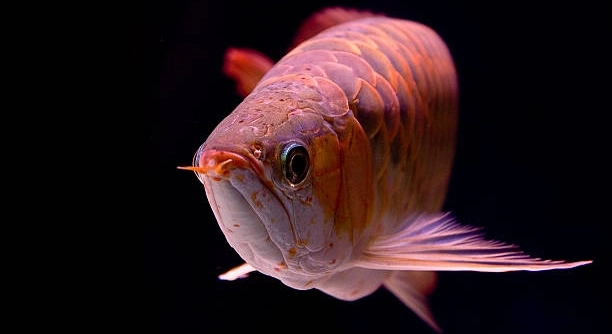
Is your arowana spending most of the day hiding in the corners of its tank? Sudden changes in behavior can be unsettling for any fish owner. Observing these shifts closely helps in understanding your pet’s wellbeing.
Arowanas may hide all day due to stress, illness, poor water quality, or changes in their environment. Monitoring water parameters, tank setup, and diet can help identify the cause and restore normal behavior effectively.
Recognizing these signs early allows you to create a healthier, more comfortable environment for your arowana and supports its long-term health.
Common Reasons Arowanas Hide
Arowanas are naturally cautious fish, but sudden hiding often signals that something in their environment is off. Stress is one of the main triggers. Changes in water temperature, poor water quality, or the introduction of new tank mates can make them feel unsafe. Illness or injury can also cause hiding, as arowanas instinctively seek shelter when vulnerable. Even subtle changes, like moving decorations or altering lighting, can lead to prolonged periods of hiding. Observing their behavior carefully can help you identify patterns. A healthy arowana usually swims confidently in open water, exploring its tank. If your fish suddenly retreats and avoids interaction, it is a clear signal to check water parameters, tank conditions, and overall health. Ensuring consistent feeding routines and maintaining a calm environment will reduce stress and encourage normal activity. Regular observation and small adjustments often resolve these behaviors without drastic measures.
Stress and environmental changes are the most frequent reasons arowanas hide in their tank. Monitoring closely helps prevent long-term issues.
Arowanas are sensitive to their surroundings, and prolonged hiding can impact feeding and growth. Low oxygen levels, fluctuating temperatures, or high nitrate concentrations can make the water uncomfortable. Aggressive tank mates may also intimidate your fish, leading it to stay in corners or behind decorations. Illnesses such as bacterial infections, parasites, or fin rot may cause lethargy and hiding. Even sudden loud noises or vibrations outside the tank can create stress. Maintaining a stable environment with proper filtration, temperature, and minimal disturbances is essential. Providing hiding spots while keeping open swimming areas ensures your arowana feels secure yet active. Observing its eating habits, coloration, and interaction with other fish can give clues to underlying problems. Early intervention prevents health deterioration and helps your fish return to normal behavior.
Water Quality and Tank Conditions
Poor water quality directly affects arowana behavior. High ammonia or nitrite levels can cause stress, making them hide for safety.
Maintaining clean water with stable pH and temperature levels is crucial. Regular testing and partial water changes support a healthy environment and prevent prolonged hiding.
Water parameters such as pH, hardness, temperature, and nitrate levels significantly influence arowana comfort. Even minor fluctuations can create stress, leading to hiding and reduced appetite. Proper filtration and routine maintenance reduce toxins and keep the water stable. Large tanks require more careful monitoring to ensure oxygen levels remain sufficient. Decorations should be arranged to provide both hiding spots and open swimming space, allowing the fish to feel secure without isolating itself. Overcrowding or adding incompatible species increases stress, so tank composition must be considered. Lighting should mimic natural cycles to support normal activity, while avoiding excessive brightness that may cause retreat. Feeding a balanced diet on a consistent schedule reinforces health and reduces anxiety. Attentive care and monitoring of these factors will improve your arowana’s comfort, encouraging active behavior and overall well-being.
Diet and Feeding Habits
Arowanas may hide when they are stressed or not feeling well, which can affect their appetite. Skipping meals or refusing food is a sign that diet adjustments or health checks are needed.
A balanced diet is essential for maintaining arowana health and normal behavior. Feeding high-quality pellets supplemented with live or frozen foods provides necessary nutrients. Overfeeding can cause water quality issues, which stress the fish and encourage hiding. Observing feeding patterns helps identify problems early. If your arowana consistently avoids food, it may be ill or experiencing environmental stress. Adjusting portion sizes and offering varied food types can encourage eating and reduce anxiety.
Timing and method of feeding also impact activity levels. Feeding smaller meals more frequently supports digestion and prevents water contamination. Removing uneaten food promptly helps maintain water quality. Observing which foods are preferred allows you to tailor meals to encourage regular swimming and interaction, reducing hiding behavior and supporting overall health.
Tank Setup and Environment
Proper tank setup influences arowana comfort and willingness to explore. Providing hiding spots and open swimming areas balances security and activity.
Tank size and layout are critical for arowana wellbeing. These fish require spacious tanks with both open areas and sheltered spots to feel safe. Decorations should be placed to prevent stress while allowing natural movement. Filtration systems must maintain clean, oxygenated water to support health. Lighting should simulate natural cycles, avoiding extremes that cause anxiety. Regular maintenance, including water changes and parameter monitoring, prevents conditions that trigger hiding. Even minor adjustments in decor or flow can make the environment more welcoming. Proper tank management encourages normal behavior, feeding, and activity.
Stress and Behavioral Responses
Arowanas often hide when stressed, which can result from sudden changes in their tank or environment. New tank mates, loud noises, or rapid water parameter shifts can trigger this behavior. Recognizing stress early helps prevent long-term health problems and encourages normal activity.
Providing a calm, stable environment reduces anxiety. Consistent lighting, minimal disturbances, and proper tank maintenance help your arowana feel secure. Regular observation allows you to detect subtle behavioral changes before they escalate, ensuring the fish remains healthy and active.
Illness and Health Concerns
Hiding can indicate underlying health issues such as bacterial infections, parasites, or fin damage. Early identification and treatment are crucial. Monitoring behavior, appetite, and physical condition helps detect illness promptly. Quarantining new fish and maintaining clean water reduces the risk of disease spreading within the tank.
Observation and Monitoring
Frequent observation is key to understanding your arowana’s behavior. Recording changes in swimming patterns, feeding habits, and coloration helps identify problems early.
Environmental Adjustments
Small adjustments to water flow, temperature, or decoration placement can encourage your arowana to explore more and reduce prolonged hiding.
FAQ
Why is my arowana hiding all day?
Arowanas hide when they feel stressed, unwell, or unsafe in their environment. Sudden changes in water temperature, poor water quality, aggressive tank mates, or illness can all lead to hiding. Observing your fish closely helps identify the exact cause and restore normal behavior.
Could water quality be causing my arowana to hide?
Yes. High ammonia, nitrite, or nitrate levels, fluctuating pH, and low oxygen can make your arowana uncomfortable. Regular water testing, partial water changes, and proper filtration are essential. Stable water parameters reduce stress and encourage your fish to swim openly rather than hide.
Does diet affect hiding behavior?
Absolutely. Poor nutrition or inconsistent feeding can stress your arowana. Providing high-quality pellets and supplementing with live or frozen foods supports overall health. Overfeeding should be avoided, as leftover food can degrade water quality and further increase stress.
Can tank size influence hiding?
Yes, insufficient space can make arowanas feel trapped or stressed. These fish require large tanks with open swimming areas and some hiding spots. Overcrowding or adding incompatible species increases anxiety and encourages hiding. Proper tank setup supports normal behavior.
Could illness be the reason my arowana hides?
Yes. Bacterial infections, parasites, and fin damage often cause lethargy and hiding. Monitoring your fish’s color, fins, and appetite can help detect early signs. Prompt treatment, quarantine of new fish, and maintaining clean water prevent further health issues.
Do tank decorations affect hiding behavior?
Decorations provide security, but poorly arranged or excessive decor can limit swimming space and make your arowana feel trapped. Balanced placement with hiding spots and open areas allows your fish to feel safe while encouraging activity.
Is stress from tank mates a factor?
Yes. Aggressive or territorial fish can intimidate arowanas, causing prolonged hiding. Observing interactions and ensuring compatible tank mates helps reduce stress. In some cases, separating aggressive species or providing visual barriers can improve comfort.
Can lighting and noise affect my arowana?
Strong or sudden lighting changes, as well as loud noises or vibrations outside the tank, can stress arowanas. Gradual light cycles and a quiet environment encourage normal activity. Observing how your fish reacts to environmental changes can guide adjustments.
How do I encourage my arowana to come out of hiding?
Stabilizing water parameters, providing proper nutrition, arranging decorations for security, and reducing disturbances are key. Regular observation helps track progress. Small, consistent changes make the tank more inviting and gradually restore confident swimming behavior.
How often should I check my arowana when it hides?
Daily monitoring is recommended. Watch for feeding response, swimming patterns, and any signs of illness. Keeping a record of behavior changes helps identify problems early and ensures timely adjustments to improve comfort and health.
Can stress from water flow or temperature fluctuations cause hiding?
Yes. Strong currents, uneven temperature, or sudden fluctuations create discomfort. Ensuring stable water flow and temperature, along with proper filtration, reduces stress. Your arowana is more likely to explore and remain active when environmental conditions are stable.
When should I consult a veterinarian?
If your arowana shows persistent hiding, loss of appetite, unusual coloration, or physical damage, professional advice is necessary. Early intervention can prevent serious illness and support recovery, ensuring your fish returns to healthy, active behavior.
Can overfeeding or underfeeding influence hiding?
Both extremes can affect behavior. Overfeeding leads to poor water quality, increasing stress, while underfeeding weakens the fish and makes it seek shelter. Balanced, consistent feeding is critical to maintain health and encourage normal activity.
Are sudden changes in the tank environment dangerous?
Yes. Moving decorations, adding new fish, or changing water parameters too quickly can frighten arowanas. Gradual adjustments help them adapt without excessive hiding. Patience and careful observation support long-term wellbeing.
How long does it take for an arowana to stop hiding?
Recovery time depends on the cause. If stress or minor environmental issues are addressed, it may take days to weeks. Health problems may require longer treatment. Consistent care, clean water, and a calm environment encourage gradual return to normal behavior.
Can hiding behavior signal long-term health problems?
Persistent hiding can indicate chronic stress, poor water quality, or untreated illness. Early detection and corrective actions are important. Observing feeding, activity, and physical condition ensures timely intervention and supports overall long-term health.
Is it normal for arowanas to hide occasionally?
Yes, occasional hiding is natural, especially when exploring new tank areas or resting. Persistent or sudden hiding, however, usually signals stress, illness, or environmental issues that need attention. Regular monitoring helps differentiate normal behavior from concerning patterns.
Does tank location affect hiding?
Yes. Tanks placed near loud areas, frequent foot traffic, or direct sunlight can stress arowanas. A stable, quiet location with minimal disturbances reduces hiding and supports more confident swimming.
Can adding plants or decorations reduce hiding?
Yes. Providing natural-looking cover and strategically placed decorations offers security while allowing open space for swimming. This balance encourages your arowana to feel safe yet active, minimizing excessive hiding.
How important is consistency in routine for preventing hiding?
Very important. Consistent feeding times, stable water conditions, and minimal sudden changes reduce stress. A predictable environment helps your arowana feel secure, promoting regular activity and interaction rather than prolonged hiding.
Final Thoughts
Arowanas are sensitive fish, and sudden hiding behavior often reflects underlying issues in their environment, diet, or health. Observing their behavior closely is the first step to understanding what might be causing stress or discomfort. Small changes in water temperature, pH, or oxygen levels can make a significant difference in how comfortable your fish feels. Providing a stable, clean environment with proper filtration and regular maintenance helps reduce stress and encourages natural activity. It is also important to maintain a consistent feeding routine with high-quality food to support both physical health and energy levels. Arowanas that are well-fed and in good health are more likely to explore their tanks confidently and interact with their surroundings.
Tank setup plays a major role in reducing hiding behavior. Arowanas need a balance of open swimming space and safe hiding spots to feel secure. Decorations, plants, and tank layout should be arranged in a way that allows freedom of movement while providing areas to retreat when the fish feels threatened. Avoid overcrowding the tank or introducing incompatible species that may provoke aggression, as this can increase stress and lead to prolonged hiding. Lighting and noise also impact behavior; gradual light cycles and a quiet location help the fish feel safe. Observing interactions with other tank mates and noting how environmental factors affect activity can guide adjustments that improve overall comfort. Maintaining consistency in these areas creates a predictable, calm environment that encourages your arowana to return to normal, confident behavior.
Monitoring your arowana’s health is essential. Persistent hiding can indicate illness, injury, or chronic stress, and early intervention is key. Regularly checking for changes in coloration, fin condition, swimming patterns, and appetite helps detect potential problems before they worsen. If necessary, consulting a veterinarian experienced with fish can provide guidance and treatment options to restore health. Even minor issues, if left unchecked, can lead to long-term behavioral or health concerns. By providing clean water, proper nutrition, appropriate tank setup, and careful observation, you can create an environment where your arowana feels secure and comfortable. This approach not only encourages active swimming and normal behavior but also supports long-term wellbeing, allowing your fish to thrive in its aquatic habitat.

Hello,
If you enjoy the content that we create, please consider saying a "Thank You!" by leaving a tip.
Every little bit helps us continue crafting quality advice that supports the health, happiness, and well-being of pets around the world, for pets of all shapes, sizes, and species.
We really appreciate the kindness and support that you show us!