
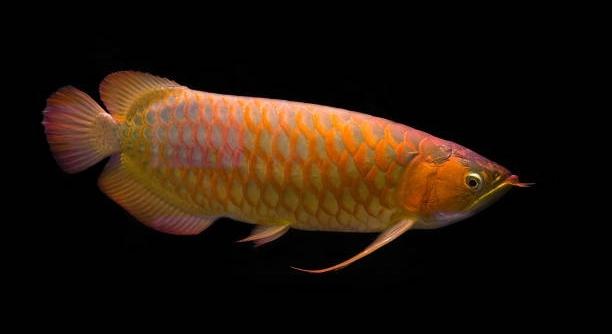
Arowanas are beautiful and graceful fish, but they can be easily startled by sudden movements or changes in their environment. Watching them react quickly can be worrying for any aquarium owner, especially beginners learning their behaviors.
If arowanas get spooked easily, it is important to maintain a calm and stable environment. Avoid sudden movements near the tank, reduce excessive noise, provide hiding spots, and ensure proper lighting to minimize stress and promote consistent behavior.
Understanding these steps can help create a more peaceful tank. Small adjustments in their surroundings often lead to noticeable improvements in their comfort.
Common Triggers for Arowanas Getting Spooked
Arowanas are sensitive to their surroundings, and certain things can make them jumpy. Sudden movements near the tank, loud noises, or tapping on the glass can cause stress. Bright or flickering lights often startle them, especially if the tank lacks shaded areas. Even changes in water temperature or quality can make them uneasy. Overcrowding or introducing new fish without a proper adjustment period adds to their stress. Observing their daily behavior can help identify specific triggers. Sometimes a simple shift in the tank’s décor or placement can make a big difference. Maintaining consistency in feeding schedules and water maintenance helps the fish feel secure. It is important to remember that arowanas are instinctively alert and reactive. They rely on their senses to detect potential threats. With patience and careful observation, most sudden reactions can be minimized, creating a calmer environment where the fish feel safer.
Watching for these triggers is the first step toward calming your fish.
Identifying triggers allows you to plan adjustments to the tank. By reducing sudden movements, providing hiding spots, and keeping consistent care, arowanas gradually become more comfortable. Simple changes in lighting, decoration, and feeding routines can significantly reduce stress and improve their behavior.
Techniques to Calm a Nervous Arowana
Gentle interaction and gradual changes are essential for calming your fish.
Providing a stable environment is the most effective way to help an arowana relax. Start by limiting sudden activities near the tank, such as quick hand movements or tapping on the glass. Soft lighting or covering part of the tank can create a sense of security. Adding floating plants or decorations gives the fish places to hide and feel protected. Water quality and temperature should remain consistent to avoid sudden stress. Introducing new tank mates slowly, or keeping the arowana alone if needed, reduces unexpected interactions that could startle it. Feeding at regular times helps establish routine, making the fish feel more confident. Over time, observing behavior and responding calmly reinforces their sense of safety. By combining these approaches, you can create an environment where the arowana is less reactive, more relaxed, and displays natural, calm behavior regularly.
Adjusting Tank Environment
Creating a calm space for your arowana reduces stress. Avoid bright lights and sudden movements near the tank. Add floating plants or decorations to give hiding spots. Keep water clean and temperature stable. Consistency in the environment helps the fish feel safe and less reactive.
Small changes in tank layout can make a big difference. Position decorations to break open spaces and create shaded areas where the arowana can retreat. Avoid placing the tank in high-traffic areas or near loud appliances. Regular water checks and stable temperatures prevent sudden stress, which often triggers spooking. Even minor adjustments, like soft lighting or gentle water flow, encourage calmer behavior. Over time, the fish becomes more comfortable and reacts less to external stimuli.
Feeding and maintenance routines also impact behavior. Stick to consistent times and use calm movements during feeding. Gentle observation during water changes helps the fish adapt without stress. Providing a predictable, stable environment teaches the arowana that there is no danger nearby, gradually reducing jumpy reactions. Floating plants, small hiding areas, and moderate lighting work together to create a peaceful habitat. Patience and observation are key to helping the fish feel secure and behave naturally.
Interaction and Handling
Minimize direct tapping or startling actions around the tank. Keep movements slow and deliberate to reduce stress. Avoid sudden gestures during feeding or cleaning, which may frighten the fish.
When interacting with your arowana, calmness is essential. Approach the tank slowly and maintain gentle hand movements. If feeding by hand or with tongs, move steadily to prevent startling the fish. Avoid loud noises or abrupt gestures near the tank, as arowanas are highly sensitive to their surroundings. Even routine maintenance should be done calmly. Over time, the fish associates human presence with safety rather than threat. Consistent, careful interaction encourages trust and reduces sudden spooking incidents. Maintaining these habits fosters a peaceful, secure environment that supports the arowana’s natural behavior and overall well-being.
Monitoring Water Quality
Regularly checking water parameters helps keep arowanas calm. pH, ammonia, nitrite, and nitrate levels should stay within safe ranges. Clean water reduces stress and prevents sudden reactions.
Frequent partial water changes maintain stability. Avoid drastic fluctuations in temperature or chemistry, as these can startle the fish. Proper filtration and gentle water flow also contribute to a peaceful environment, supporting overall health and reducing nervous behavior.
Providing Hiding Spaces
Adding plants, driftwood, or decorations gives arowanas safe spots to retreat. These areas help them feel secure, especially when startled.
Controlling Light Exposure
Soft, consistent lighting helps prevent sudden stress. Avoid flickering or overly bright lights that can startle the fish. Gradual changes in lighting during day and night cycles support natural behavior.
Maintaining a Routine
Consistency in feeding and tank care reduces anxiety. Stick to regular schedules, using calm movements during maintenance. This predictability reassures arowanas and decreases sudden spooking.
FAQ
Why does my arowana get spooked easily?
Arowanas are naturally alert and sensitive to their surroundings. Sudden movements, loud noises, bright or flickering lights, and even changes in water temperature can startle them. They react quickly as a survival instinct. Over time, creating a stable, calm environment helps reduce these jumpy behaviors.
How can I reduce stress in my arowana?
Stress can be minimized by keeping the tank environment consistent. Maintain clean water, stable temperature, and proper pH levels. Provide hiding spaces like plants or driftwood. Avoid tapping the glass, loud noises, or rapid hand movements. Feeding at regular times also gives a sense of security.
What kind of hiding spots work best?
Floating plants, driftwood, and decorations that break open spaces are effective. Arowanas feel safer when they have areas to retreat to. Shaded zones and partially covered spots also give them a sense of security. Make sure the hiding spots do not overcrowd the tank or limit swimming space.
Does lighting affect my arowana’s behavior?
Yes. Bright or flickering lights can startle arowanas. Soft, consistent lighting is ideal. Gradually transitioning between day and night lighting reduces sudden reactions. Avoid placing the tank near direct sunlight or reflective surfaces that may produce unexpected light changes.
How often should I clean the tank?
Partial water changes once a week are usually sufficient. Avoid changing too much water at once, as drastic changes in chemistry can stress the fish. Regularly check filters and remove debris, but perform maintenance calmly to avoid frightening the arowana.
Can tank location affect arowana stress?
Absolutely. Placing the tank in high-traffic areas or near loud appliances can make arowanas more nervous. Choose a quiet corner with limited sudden activity around it. Reducing external disturbances helps them feel safe and reduces spooking incidents.
Is feeding schedule important for reducing spooking?
Yes. A consistent feeding schedule helps arowanas anticipate food and feel secure. Use calm movements when feeding and avoid sudden gestures. Over time, they associate feeding with safety rather than stress. Avoid overfeeding, which can cause water quality issues and increase anxiety.
Will other fish in the tank cause stress?
Sometimes. Introducing new fish without a proper adjustment period can spook arowanas. Some species may be aggressive or too active. Observe interactions closely and separate fish if needed. Providing hiding spots also helps minimize tension between tank mates.
What signs show my arowana is stressed?
Look for rapid swimming, frequent hiding, loss of appetite, or unusual color changes. Jumping at the surface or near decorations is another sign. Stress can affect immunity and overall health, so addressing environmental factors promptly is important.
Can consistent care really calm my arowana?
Yes. Predictable routines, stable water conditions, soft lighting, and gentle interactions gradually teach the fish that the environment is safe. Over time, nervous reactions decrease, and the arowana behaves more naturally and comfortably in its habitat.
Are there tools to help monitor stress?
Water test kits, thermometers, and timers for lighting and feeding can help maintain consistency. Monitoring behavior daily helps identify potential stressors early. Keeping detailed records of water parameters and behavior patterns makes it easier to prevent future spooking incidents.
Does tank size matter for stress levels?
Yes. Arowanas need ample space to swim freely. A cramped tank increases stress and can amplify spooking. Ensure the tank size matches the fish’s adult size and allows room for decorations, hiding spots, and natural swimming behavior without overcrowding.
Can noise outside the tank affect my arowana?
Loud or sudden noises can startle the fish. Keep the tank away from televisions, speakers, or other frequent disturbances. Soft background noise is usually tolerated, but abrupt sounds trigger stress. Creating a quiet area around the tank helps maintain calm behavior consistently.
How long does it take for a nervous arowana to calm down?
It varies by individual. Some fish adjust within a few weeks, while others may take months. Patience, consistent care, and minimizing stressors are key. Observing small improvements in behavior is a good indicator that your approach is effective.
Can water flow affect stress levels?
Yes. Strong currents can startle arowanas, while gentle, steady flow provides oxygenation without overwhelming the fish. Adjustable filters or flow regulators can help create a comfortable environment. Observe how the fish reacts and modify flow if frequent spooking occurs.
Are there health issues linked to stress?
Chronic stress can weaken the immune system, reduce appetite, and make arowanas more susceptible to diseases. Early detection of stress signs and prompt environmental adjustments can prevent health complications and maintain long-term well-being.
Does covering part of the tank help?
Partially covering the tank can give the arowana a sense of security. It reduces exposure to sudden movements and external distractions. Make sure enough open space remains for swimming and observation, balancing safety with freedom of movement.
Can feeding live food reduce stress?
Live food can encourage natural hunting behavior and engagement, which may distract the fish and reduce anxiety. Always ensure food is safe and clean to prevent contamination or disease, and avoid overfeeding, which can harm water quality.
How often should I monitor water parameters?
Weekly checks are ideal, but more frequent monitoring may be needed if water quality fluctuates. Stable parameters are essential for stress reduction. Use reliable kits to track ammonia, nitrites, nitrates, and pH, adjusting as needed without sudden changes.
Is it normal for arowanas to jump when spooked?
Yes. Jumping is a natural response to perceived threats. A secure tank cover prevents injury, and reducing triggers helps minimize occurrences. Observing the fish’s reactions over time allows you to identify patterns and prevent frequent startling.
How do I know if hiding spots are enough?
If the arowana frequently uses them and shows relaxed behavior, the setup is likely adequate. If it continues to dart or jump often, adding more shaded areas or rearranging decorations may help. Balance hiding spaces with open swimming areas.
Do seasonal changes affect stress?
Yes. Temperature fluctuations and changes in light patterns can impact behavior. Maintain stable conditions year-round and adjust heaters or lighting gradually. Seasonal consistency helps the arowana remain calm and reduces sudden spooking.
What is the role of tank mates in calming behavior?
Compatible, peaceful fish can reduce boredom and stress. Avoid overly aggressive or fast-moving species. Introduce new tank mates gradually, observe interactions, and provide hiding spots to ensure harmony. A balanced community supports calm behavior without provoking fear responses.
Can human activity outside the tank affect my arowana?
Yes. Frequent movement, loud conversations, or sudden gestures near the tank can startle the fish. Limiting abrupt disturbances and maintaining a predictable routine around the aquarium promotes a sense of security and reduces nervous reactions.
Is it necessary to adjust feeding techniques?
Yes. Slow, deliberate hand-feeding or using feeding tongs prevents startling. Avoid dropping food from a height or making sudden movements. Consistent feeding techniques reinforce calm behavior and help the arowana associate humans with safety rather than threat.
How do I know if stress is environmental or health-related?
Observe water quality, tank setup, and behavior patterns. If parameters are stable and the fish still appears nervous, stress may be environmental. Health issues may show additional signs like changes in appetite, color, or swimming patterns. Address both factors promptly to support well-being.
Can gradual changes help nervous arowanas?
Yes. Slowly adjusting lighting, decorations, or water flow allows the fish to adapt without sudden stress. Gradual modifications are less likely to trigger spooking and help build confidence in the arowana’s environment over time.
Are there signs of long-term stress to watch for?
Persistent hiding, reduced appetite, color fading, or frequent jumping indicate ongoing stress. Chronic stress can affect immunity and growth. Regular observation and prompt adjustments are essential to prevent long-term health problems and ensure a calm, comfortable habitat.
How important is tank stability for behavior?
Extremely important. Consistent water conditions, temperature, lighting, and minimal disturbances create a predictable environment. Stability reassures the fish, reduces sudden reactions, and supports natural, calm behavior. Unstable conditions often trigger stress and frequent spooking.
Do arowanas react differently to different people?
Some may respond more nervously to certain individuals, especially if movements or handling vary. Calm, slow, and consistent interactions help all household members build trust with the fish and reduce startled reactions over time.
How can I track improvements in behavior?
Keep a simple log of feeding times, water checks, interactions, and observed reactions. Noting gradual reductions in spooking, calmer swimming, or more relaxed hiding behavior shows that adjustments are effective and the arowana is becoming more comfortable.
What are quick fixes for a nervous arowana?
Quick fixes include dimming lights, covering part of the tank, adding temporary hiding spots, and moving sudden disturbances away. These measures provide immediate relief, though long-term consistency is necessary for lasting calm behavior.
Can music or white noise help reduce stress?
Soft background noise or gentle music may help mask sudden sounds and create a stable auditory environment. Avoid loud or abrupt sounds. Continuous calm noise can reduce startling reactions and contribute to a peaceful tank atmosphere.
Are there signs that my arowana trusts me?
Calmer swimming, approaching the front of the tank during feeding, and reduced hiding indicate growing comfort. Consistent, gentle care over time builds trust and lowers nervous behavior, showing that the fish feels secure in its environment.
How do I introduce new tank mates without causing stress?
Use a quarantine or divider system first. Allow the arowana to observe new fish without direct contact. Introduce gradually, monitor interactions, and ensure sufficient space and hiding spots. Slow introductions minimize stress and prevent spooking.
Does water temperature stability affect spooking?
Yes. Sudden temperature swings trigger stress. Maintain a stable range suitable for arowanas and adjust heaters gradually when needed. Consistent temperature contributes to calm, predictable behavior and supports overall health.
Can rearranging the tank cause stress?
Yes, sudden rearrangements can startle arowanas. If changes are needed, move decorations gradually or in stages. Allow the fish to explore new setups at its own pace to avoid frequent spooking.
Is it normal for arowanas to jump out of the tank?
Jumping can occur when startled. Ensure a secure lid and reduce triggers like sudden movements, bright lights, or loud noises. Observing behavior and making gradual environmental adjustments helps prevent accidents and promotes safety.
What should I do if my arowana seems constantly stressed?
Check water quality, lighting, tank layout, and feeding routines first. Provide hiding spots, minimize disturbances, and ensure a stable environment. If stress persists, consult a veterinarian to rule out health issues or consider adjustments in tank mates or space.
Can gentle water flow help reduce nervous behavior?
Yes. Moderate, consistent flow provides comfort without overwhelming the fish. Avoid strong currents that may trigger sudden reactions. Adjustable filters help maintain a stable, soothing environment that encourages calm behavior.
How does overfeeding affect stress?
Overfeeding can pollute the water, causing chemical changes that stress the arowana. Stick to appropriate portions and feeding schedules. Clean water and stable conditions help the fish feel secure, reducing nervous reactions.
Can routine observation improve behavior?
Yes. Daily observation helps identify triggers and track improvements. Noting reactions to lights, movements, and feeding allows you to make small adjustments that gradually reduce spooking and build a calmer environment.
Is it normal for arowanas to be jumpy at first?
Yes. New environments, unfamiliar people, or tank changes often cause initial nervous behavior. Consistent care, hiding spots, and gentle interactions help the fish adapt and gradually display calm behavior.
How long should I wait to see improvements?
It varies. Some arowanas adjust in weeks, others months. Consistency in care, environment stability, and gentle handling are key. Gradual changes and patience lead to lasting reductions in stress and jumpy behavior.
Can tank decorations affect stress levels?
Yes. Open spaces without cover can make arowanas nervous. Adding driftwood, plants, or shaded areas provides security. Decorations should balance hiding spots with swimming space to avoid overcrowding. Proper layout reduces sudden reactions.
Do arowanas respond to the same triggers repeatedly?
Often, yes. Once they recognize a stimulus as a potential threat, they may react each time. Reducing exposure to triggers or making the environment more predictable gradually decreases repetitive spooking behaviors.
Are some arowanas more nervous than others?
Individual temperament varies. Some are naturally more cautious, while others adapt quickly. Observing behavior and tailoring care to each fish’s needs helps reduce stress and creates a calmer environment for all personalities.
What role does tank size play in behavior?
Arowanas need space to swim freely. Small or overcrowded tanks increase stress and startle responses. Adequate space combined with hiding spots and consistent care promotes calm, natural behavior.
Can I use barriers to reduce spooking?
Yes. Partitions, decorations, or plants can block direct lines of sight to potential disturbances. This creates a sense of security and reduces nervous reactions, especially in high-traffic areas or near windows.
Is it normal for arowanas to hide frequently?
Yes. Frequent hiding indicates nervousness or a desire for security. Providing shaded areas and consistent routines helps the fish feel safer and encourages more balanced activity throughout the tank.
Can water changes trigger spooking?
Yes. Sudden water changes or rapid temperature adjustments can startle arowanas. Perform changes slowly and calmly, maintaining stability to prevent stress and promote a sense of safety in the tank.
Does tank cleanliness affect nervous behavior?
Yes. Dirty water or poor filtration can stress arowanas. Keeping the tank clean, maintaining proper parameters, and avoiding sudden chemical changes contribute to calm behavior and overall health.
Are arowanas naturally skittish?
Yes. Arowanas are instinctively alert fish. Their nervous reactions are natural, but with consistent care, proper environment, and gentle handling, these reactions can be reduced over time.
How can I encourage calm swimming?
Provide a stable environment, hiding spots, gentle lighting, and calm feeding routines. Avoid sudden movements, loud noises, and rapid water flow. Gradual adaptation to changes encourages relaxed, natural swimming behavior.
Do frequent water parameter checks help?
Yes. Monitoring ammonia, nitrite, nitrate, and pH ensures stable conditions. Quick adjustments to fluctuations prevent stress and reduce spooking incidents, helping the arowana remain calm and healthy.
Can human interaction be positive?
Yes. Calm, consistent presence during feeding or maintenance teaches the fish that humans are not threats. Over time, trust builds, and nervous behavior decreases. Gentle, deliberate movements are key.
How do I know when my arowana is fully comfortable?
Signs include calm swimming, reduced hiding, approaching feeding areas confidently, and minimal jumpy reactions. Patience and consistent care are essential to achieving a secure and relaxed fish.
Are there long-term strategies to reduce spooking?
Yes. Stable water conditions, predictable routines, hiding spots, soft lighting, and gentle interactions consistently applied help arowanas become calmer over time. Observation, patience, and small adjustments maintain long-term comfort and reduce nervous behavior.
What mistakes should I avoid?
Avoid sudden changes in water, tank layout, lighting, or feeding techniques. Do not overcrowd the tank or introduce aggressive tank mates abruptly. Inconsistent care or loud disturbances prolong stress and hinder trust-building.
Can stress affect growth or health?
Yes. Chronic stress can slow growth, weaken the immune system, and make arowanas more susceptible to illness. Maintaining calm conditions, proper nutrition, and stable water helps prevent negative effects.
Are arowanas more nervous in new tanks?
Yes. New environments trigger natural alertness. Gradual adjustments, hiding spots, and consistent care reduce anxiety and help the fish adapt without frequent spooking.
Does diet influence stress?
Proper nutrition supports overall health, which affects behavior. Feeding high-quality, balanced food at regular intervals promotes calmness. Avoid overfeeding or sudden dietary changes, which can impact water quality and trigger stress.
Can gradual exposure to humans help?
Yes. Slowly increasing interaction while keeping movements calm helps arowanas become comfortable with human presence. Over time, they associate humans with safety rather than threat, reducing jumpy reactions.
Do arowanas respond to reflections?
Yes. Sudden reflections or shadows can startle them. Avoid placing the tank near mirrors or reflective surfaces. Controlled lighting and strategic tank placement reduce accidental stress triggers.
How can I make maintenance less stressful?
Move slowly, avoid splashing, and perform tasks predictably. Provide hiding spots before cleaning. Gentle interaction during water changes or filter checks prevents unnecessary spooking and maintains calm behavior.
Are some water types better for reducing stress?
Soft, slightly acidic to neutral water is generally preferred, but stability is more important than exact parameters. Sudden changes in hardness or pH are more stressful than maintaining slightly off-ideal but consistent conditions.
Is covering part of the tank during noise helpful?
Yes. Partial covers block visual disturbances and reduce stress from surrounding activity. Make sure enough open swimming space remains, balancing security with freedom of movement.
Can tank mates help reduce nervous behavior?
Peaceful, compatible species can provide distraction and reduce boredom. Avoid aggressive or overly active fish. Gradual introductions and hiding spaces ensure harmony and calm behavior.
Does water depth affect stress?
Yes. Adequate depth allows natural swimming behavior and comfort. Shallow water or sudden changes in depth may trigger nervous reactions. Ensure proper depth for adult size and activity levels.
Are arowanas sensitive to vibrations?
Yes. Vibrations from nearby machinery, speakers, or tapping on the tank can startle them. Reducing external disturbances and using soft substrates can minimize this stress.
Do frequent rearrangements impact trust?
Yes. Constant changes in décor or tank layout prevent adaptation and increase spooking. Make gradual modifications and maintain consistent routines to build trust and security.
Can seasonal light changes be stressful?
Yes. Sudden changes in natural daylight can startle arowanas. Use consistent artificial lighting schedules to smooth transitions and maintain calm behavior.
Is water flow adjustment important?
Yes. Gentle, steady flow keeps the fish comfortable. Strong currents may trigger jumpy responses. Adjustable filtration helps maintain optimal flow without stress.
How does tank noise affect behavior?
Loud or sudden noises increase nervousness. Maintaining quiet surroundings, reducing external disturbances, and creating a partially covered tank can reduce spooking.
Do frequent water changes improve behavior?
Regular partial changes maintain stability and reduce stress. Avoid full or rapid changes, which can startle the fish. Maintaining consistency is more important than frequency.
Final Thoughts
Arowanas are naturally alert fish, and being easily spooked is part of their instinctive behavior. Understanding this helps manage expectations when caring for them. Sudden movements, loud noises, bright lights, or changes in water quality often trigger their reactions. These fish rely on their senses to detect potential threats, so even minor disturbances in their environment can lead to stress. Observing their behavior closely allows owners to identify patterns and possible triggers. By paying attention to how arowanas react, adjustments can be made to create a more stable and secure habitat. Patience and consistency are key because it takes time for the fish to learn that the environment is safe. The goal is not to eliminate their natural alertness but to reduce unnecessary stress caused by preventable factors.
Providing a calm and predictable environment is one of the most effective ways to reduce nervous behavior. Maintaining stable water parameters, including temperature, pH, and cleanliness, plays a significant role in their comfort. Hiding spots such as floating plants, driftwood, or tank decorations give the fish a sense of security, allowing them to retreat when they feel anxious. Lighting should be soft and consistent, avoiding flickering or overly bright setups that can startle them. Even the tank’s placement matters; quiet areas with minimal external disturbances help them feel safer. Feeding routines should also be regular and predictable, using slow and deliberate movements. Over time, these small adjustments lead to noticeable improvements. The fish gradually become more confident, react less to minor changes, and exhibit calmer swimming and natural behavior. Creating a secure environment benefits both the arowana’s physical health and overall well-being.
Interaction and observation are equally important in supporting arowanas’ comfort. Calm, consistent human presence, especially during feeding or maintenance, helps them associate humans with safety rather than threats. Avoid sudden gestures or loud noises near the tank, as these can undo progress. Monitoring behavior daily allows owners to spot early signs of stress, such as hiding, rapid swimming, or jumping. Adjustments can then be made before the stress becomes chronic. Over time, arowanas can show clear signs of trust, approaching feeding areas confidently and swimming more openly. Combining stable environmental conditions with patient, gentle interactions ensures that nervous behavior is minimized. Ultimately, creating a calm and predictable habitat helps arowanas thrive, reduces stress, and allows them to display their natural, graceful behavior, making care both more manageable and enjoyable for the owner.

Hello,
If you enjoy the content that we create, please consider saying a "Thank You!" by leaving a tip.
Every little bit helps us continue crafting quality advice that supports the health, happiness, and well-being of pets around the world, for pets of all shapes, sizes, and species.
We really appreciate the kindness and support that you show us!