
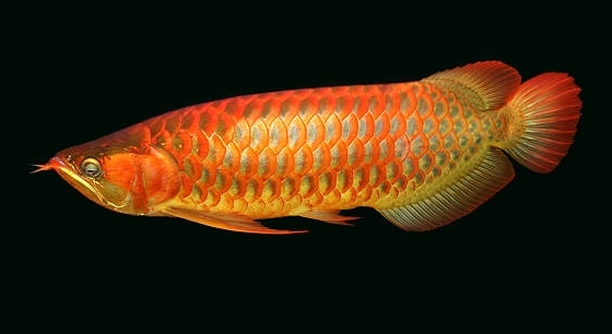
Do you ever find yourself thinking about how different predator fish might coexist in one aquarium, especially when an arowana is involved, and you hope to create a peaceful environment that supports more healthy interactions.
Arowanas can live with select predator species when tank size, territorial space, and behavioral compatibility are carefully controlled, but risks remain because aggression, food competition, and spatial conflicts may still develop and disrupt overall stability within the aquarium environment balance.
Understanding how these predators interact helps you shape a stable setup that protects your arowana and encourages long term compatibility.
Understanding Predator Compatibility
Keeping an arowana with other predators requires a calm mindset and a clear understanding of how each species behaves in shared spaces. I like to approach this topic by looking at size, feeding habits, swimming patterns, and overall temperament, since these details shape peaceful or stressful outcomes. Large predators with confident yet steady behavior tend to settle better, while fast or unpredictable fish often create tension that grows over time. It also helps to remember that an arowana notices even small challenges, and pressure from nearby tank mates can influence eating, resting, and swimming habits. When you combine species, you want to support steady routines, balanced dynamics, and safe boundaries that reduce conflict. Careful planning gives you a better chance of creating harmony, though nothing removes all risks when strong predators share the same underwater space. Thoughtful monitoring during early introductions further strengthens stability within the mixed aquarium environment setup.
Selecting compatible predators depends on matching temperament, size range, and territorial needs while giving your arowana enough space to move confidently. I focus on choices that minimize clashes and encourage steady behavior, especially during feeding routines and nighttime activity when tension can rise and create a more predictable pace overall.
Monitoring behavior after combining species helps you understand how well the group is settling, and I usually watch for subtle shifts that signal discomfort. Slow swimming, reduced appetite, hiding, tail nips, and sharp movements can reveal early imbalance. When you notice these signals, adjusting feeding schedules, rearranging decor, or widening swimming paths can ease tension. Your goal is to maintain a calm atmosphere that allows each predator to claim enough space without overwhelming the arowana. With steady attention and timely adjustments, the tank becomes more predictable and maintains healthier interactions among strong-willed species in a steady and supportive shared environment.
Key Factors to Consider
Safe combinations rely on thoughtful planning that considers tank size, swimming levels, food competition, and territorial behavior. Keeping these points in mind helps you shape a calmer mix where your arowana feels secure and other predators maintain balanced routines without unnecessary stress while supporting stable movement throughout the aquarium space.
Balancing multiple predators with an arowana requires steady awareness of how each species reacts to its environment, and I like focusing on the details that influence long term success. Size differences matter because smaller fish can be intimidated or injured when larger predators move quickly or claim wide areas. Territorial pressures also affect the overall atmosphere, especially when certain species guard favored spots that block movement for others. Feeding routines shape daily behavior, since active predators often compete strongly at the surface or midwater zones, which can discourage the arowana from maintaining a healthy appetite. You can reduce these issues by spacing feeding times, offering sinking items, or spreading food across different locations. Tank layout plays a major role as well, with driftwood, plants, and heavy structures creating barriers that help break sightlines and soften aggressive responses. Strong filtration and stable water conditions further support predictable habits and steady interactions. With careful planning and consistent observation, you can create a mixed setup that feels safe, structured, and supportive for every predator involved. Regular checkups on behavior, spacing, and feeding response help you react early to subtle changes that may cause tension and allow you to keep stability strong throughout daily.
Choosing Suitable Tank Mates
Some predator species handle the presence of an arowana with steady behavior, and I like focusing on those that maintain a calm rhythm. Fish with similar strength and confident but predictable movement reduce tension and help your arowana feel secure while avoiding unnecessary clashes during daily activity in the tank.
Larger catfish, peaceful bichirs, and steady swimming rays tend to adapt well when space allows them to establish comfortable paths. These species rely on slow and controlled movements that reduce irritation for an arowana, especially during feeding times when stronger competition can create unwanted pressure. I prefer combinations that provide balance rather than excitement since stability supports healthier habits. When each fish settles into its own position, the tank forms a calmer pattern that encourages natural movement. Giving everyone enough room to turn, glide, and rest without interference makes interactions smoother and minimizes stress for all involved.
Feeding balance is another important part of choosing tank mates because strong predators react quickly when food appears. I pay attention to how assertive each species is at the surface and how that behavior affects the arowana. When the group competes aggressively, the arowana may hesitate, so selecting fish with moderate feeding habits helps. Using multiple feeding spots, offering different food types, and keeping routines consistent lowers tension and encourages predictable behavior. Spreading meals out makes competition feel less intense, and each predator settles more easily. This creates a stable rhythm that supports long term compatibility.
Managing Space and Territory
Creating a stable layout requires using the tank’s size effectively, and I focus on shaping areas that reduce direct confrontations. Large open sections allow the arowana to glide comfortably, while structured corners and shaded spaces give other predators safe paths. Clear separation helps everyone move without constant pressure.
Territorial control influences most interactions in a predator tank, and I like arranging decor to break up sightlines and soften aggressive responses. Driftwood, large rocks, and sturdy plants help create boundaries that prevent predators from claiming overly wide areas. Strong species often settle quickly when they have defined zones, and this keeps the arowana from feeling crowded. Extra swimming depth also helps since many aggressive behaviors start when movement becomes restricted. Stable filtration supports calmer habits by preventing irritation from waste buildup, and balanced lighting reduces sharp reactions. By keeping conditions steady and adjusting layout whenever tension rises, you maintain a predictable environment where the arowana and its companions coexist more naturally.
Feeding Strategies for Mixed Predators
Feeding mixed predators with an arowana means keeping routines calm and predictable while reducing unnecessary competition. I prefer separating feeding zones to lower tension since this helps each fish settle into a steady rhythm without overwhelming the arowana or creating sudden bursts of pressure during meals.
Surface feeding works best for the arowana, while sinking or midwater items help other predators focus on their own areas. This separation keeps movements smoother and prevents fast reactions that may unsettle the group. Giving consistent portions also helps stabilize habits and supports healthier behavior overall.
Preventing Aggression Early
Aggression often begins with small patterns, and I watch these closely before they grow into stronger reactions. Restlessness, blocking paths, and frequent chasing can signal tension that needs attention. Rearranging decor, easing feeding competition, and adding more swimming room help soften behavior and restore calmer interactions around the arowana. Careful monitoring keeps the tank predictable.
Monitoring Long Term Behavior
Observing long term habits gives you a clearer sense of how well the group is settling together. I like paying attention to appetite, movement, and resting spots since these details show whether the arowana and its tank mates feel secure. Adjusting conditions early helps maintain balance and supports safer coexistence.
FAQ
Can an arowana safely live with other large predators?
An arowana can live with other large predators when several conditions are controlled carefully. I find that stability depends mostly on size compatibility, calm behavior, and enough room for each fish to move without tension. When strong species share a tank, even small disturbances can lead to stress, so selecting steady and predictable companions is essential. Many keepers succeed when they give each predator enough depth, width, and length to glide freely while avoiding direct contact. The goal is to reduce competitive behavior and keep the arowana from feeling pressured. With thoughtful planning, mixed setups can work, but you must always monitor interactions closely.
Which species are generally safest to keep with an arowana?
Certain species tend to adapt more smoothly because they hold a steady temperament and don’t challenge the arowana at the surface. Rays, larger catfish, and some bichirs usually settle well when the tank is large enough. These fish rely more on slow movements than sudden sprints, which helps the arowana maintain its comfort during feeding. I prefer species that focus on the lower or middle zones since they avoid direct confrontation at the top. Matching behaviors reduces friction and creates a calmer environment.
How big should a tank be for combining an arowana with predators?
The tank must be very large, since cramped spaces increase tension. Long tanks with plenty of depth give the arowana room to move naturally while supporting other predators with different swimming needs. I always recommend going far beyond the minimum because predators grow quickly and demand generous space. When each fish can turn, rest, and travel without running into another, the group remains steadier and interactions feel smoother. Bigger tanks also improve oxygen levels and keep stress lower.
What signs tell me that the arowana is uncomfortable with its tank mates?
Watch for subtle changes first. Slow feeding, hesitant swimming, frequent hiding, or sudden bursts of movement can mean the arowana feels pressured. I pay close attention to tail nips, blocked paths, and sharp turns, since these behaviors suggest growing tension in the tank. When you notice early signals, acting quickly helps prevent escalation. Decorating the tank differently or adjusting feeding routines often reshapes the group’s behavior in a positive way.
How can feeding routines reduce conflict in a predator tank?
Separating feeding zones is one of the best ways to minimize tension. The arowana prefers the surface, so offering midwater and sinking items for other predators helps everyone focus on their own areas. I’ve noticed that predictable schedules steady the group and reduce sudden bursts of competition. Spreading food across different sections keeps the tank calmer and encourages healthier routines.
What should I do if aggression increases suddenly?
When aggression rises, I look at space, food distribution, and territory. Rearranging decor often resets boundaries and breaks up visual control. Increasing the number of hiding spots or open swimming paths gives stressed fish more freedom. Feeding separately or offering slightly larger portions to the most assertive species can also lower tension. Addressing the issue early keeps the tank stable.
Is long term compatibility guaranteed?
No, compatibility is never guaranteed. Predator tanks change as fish grow, mature, and shift behavior over time. I recommend steady monitoring and routine adjustments to maintain balance. Long term success relies on flexibility, observation, and prompt action when habits shift. With patient care and consistent attention, you can support a safer, more predictable environment for your arowana and its companions.
Final Thoughts
Keeping an arowana with other predators is a task that requires steady attention, patience, and a calm understanding of how each species behaves in shared spaces. I find it helpful to view the aquarium as a place where structure matters just as much as size. When strong fish live together, every detail builds the atmosphere they depend on. The space needs to feel open enough for natural movement and steady enough to prevent unnecessary tension. Feeding routines, swimming paths, and territorial layouts all play important roles in shaping long term behavior. Arowanas respond quickly to changes, so stability becomes one of the most valuable parts of the setup. When the tank is consistent, predictable, and supportive, the arowana and its companions are more likely to settle without displaying sharp reactions or competitive habits. Even then, these fish are powerful, and their instincts can shift as they grow, so you must be ready to adjust conditions whenever early signs of stress appear.
I have seen many mixed predator setups succeed, but none of them thrive by chance. They work because the keeper understands how each fish behaves and takes the time to balance their needs with care. Strong predators can be sensitive to the slightest imbalance, and the arowana is particularly aware of how its environment flows. When companions move respectfully, feed without rushing the surface, and maintain a calm rhythm, the arowana remains calmer as well. This stability supports a healthier appetite, stronger colors, and a more confident swimming pattern. If a tank mate becomes too assertive or grows more territorial with age, the entire environment can shift. This is why consistent observation is essential. A quiet glance at daily habits often reveals more than sudden incidents. When a fish eats slower, retreats from open areas, or changes its preferred path, it may be reacting to pressure from another species. Addressing these patterns early keeps the group in balance and prevents the need for sudden or stressful rearrangements.
Long term success comes from blending careful planning with ongoing awareness. A mixed predator tank is never something you set up once and forget. It is a living space that adapts as the fish grow, mature, and alter their routines. I find comfort in this process because it reminds me that these environments are built on steady, thoughtful choices rather than rigid rules. When you approach the tank with patience and an open mindset, you become better at responding to what the fish actually need rather than what you hope will happen. This creates a balanced setting where the arowana and its companions can live with fewer conflicts, smoother interactions, and a healthier pace. With enough space, proper feeding strategies, stable water conditions, and mindful monitoring, you can guide your mixed setup toward a peaceful and supportive environment that brings out the best in every predator involved.

Hello,
If you enjoy the content that we create, please consider saying a "Thank You!" by leaving a tip.
Every little bit helps us continue crafting quality advice that supports the health, happiness, and well-being of pets around the world, for pets of all shapes, sizes, and species.
We really appreciate the kindness and support that you show us!