
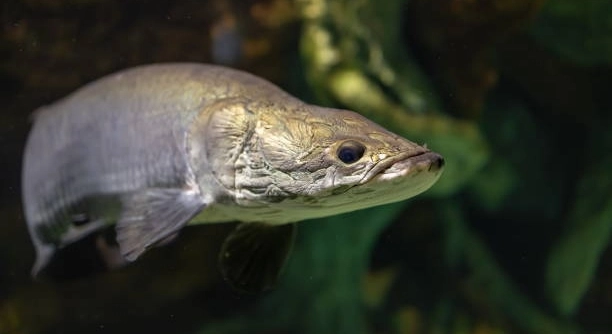
Arowanas are striking and graceful fish that thrive in well-maintained environments. Their health and happiness depend on careful attention to tank conditions, water quality, and compatible tank mates. A stable environment encourages natural behaviors and longevity.
Creating a happy Arowana environment requires seven key elements: proper tank size, optimal water temperature and pH, efficient filtration, adequate swimming space, nutritious diet, compatible companions, and regular maintenance routines. Each factor directly influences the fish’s overall health and well-being.
Following these essentials will ensure your Arowana remains vibrant, active, and stress-free, allowing you to enjoy a balanced and thriving aquatic habitat.
Tank Size and Space
Arowanas are large, active fish that require ample swimming space. A minimum of 250 gallons is recommended for adults, with a tank length of at least six feet. Crowded tanks can lead to stress, stunted growth, and aggression. Providing sufficient space allows the fish to swim freely and display natural behaviors. Decorations and hiding spots should be minimal to avoid restricting movement. Arowanas are top-dwelling swimmers, so the tank should be longer rather than taller. Regular observation helps identify any signs of stress or health issues. The tank should also have a secure lid, as Arowanas are known for jumping. Water movement should be moderate, balancing oxygenation without creating strong currents. Proper spacing from other large or aggressive fish reduces the risk of conflict. Planning the tank size in advance ensures your Arowana has a safe and comfortable home throughout its life.
A larger tank not only promotes physical health but also reduces territorial disputes, making the environment more peaceful and manageable.
Space considerations extend beyond swimming. Properly spacing equipment, filters, and decorations ensures easy maintenance and prevents injuries from sharp objects or sudden tank adjustments. Arowanas need room to explore and thrive, and overcrowding can disrupt their feeding, resting, and natural behaviors, ultimately affecting their longevity and happiness.
Water Quality and Filtration
Maintaining clean water is critical for Arowanas. Frequent testing for ammonia, nitrites, and nitrates ensures a stable environment.
A strong filtration system is essential. It removes waste, controls odor, and maintains chemical balance. Overfeeding can overwhelm filters, so feeding schedules should match tank size and fish appetite. Proper filtration prevents disease and supports consistent water parameters, keeping the Arowana healthy.
Water changes should be regular, ideally 25-30% weekly. Using a high-quality filter suited for the tank size maintains clarity and reduces harmful buildup. Test kits help monitor pH, hardness, and temperature, as fluctuations can stress the fish. Dechlorinated water is necessary to avoid toxins, and gradual changes prevent shock. Aeration supports oxygen levels, especially in large tanks. Maintaining optimal water conditions encourages vibrant colors, active swimming, and proper growth. Neglecting water quality can lead to infections, fin rot, and behavioral changes. Combining mechanical, chemical, and biological filtration ensures a balanced environment, allowing the Arowana to thrive long-term. Consistent care reduces emergencies and supports natural activity.
Temperature and pH
Arowanas thrive in warm water between 75-82°F. Maintaining stable pH around 6.5-7.5 prevents stress and supports digestion, immunity, and overall activity levels. Sudden fluctuations can weaken their health and reduce appetite.
Consistent temperature is vital. Use a reliable heater and thermometer to monitor daily. pH stability can be maintained with buffering substrates or water conditioners. Avoid rapid water changes with differing chemistry. Seasonal shifts may require small adjustments to prevent shock. Balanced water parameters help Arowanas show natural colors and swimming patterns while reducing disease risk.
Proper temperature and pH management improves metabolism and energy. Regular testing ensures quick detection of any shifts. Small adjustments over time are safer than sudden changes, supporting long-term health. Combining careful heating, pH control, and observation ensures a stable environment where your Arowana can remain active and stress-free, maintaining its natural behavior and growth potential.
Diet and Nutrition
Arowanas require a varied diet rich in protein. High-quality pellets, live foods, and occasional frozen options provide essential nutrients and maintain energy levels.
Feeding should be measured and consistent. Overfeeding leads to water quality issues and obesity, while underfeeding stunts growth. Include live insects, shrimp, or small fish to encourage natural hunting behaviors. Pellets should be sized appropriately for the fish’s age and size, and supplementation with vitamins can support immunity. Rotate foods to prevent nutrient deficiencies. Observing feeding habits allows you to adjust portions or food types if appetite changes. Fresh, clean water during feeding reduces contamination and maintains tank health.
Balanced nutrition strengthens the immune system, supports growth, and enhances colors. Avoid frequent changes in diet, which can upset digestion. Introducing variety gradually ensures acceptance of new foods and minimizes waste. Feeding at consistent times helps regulate metabolism and prevents overeating. Proper diet management keeps Arowanas active, alert, and less prone to disease, creating a more harmonious tank environment.
Tank Mates and Compatibility
Arowanas do best with tank mates that are similar in size and temperament. Smaller fish can be seen as food, while overly aggressive species may trigger stress. Choosing large, calm companions helps maintain balance and prevents territory conflicts that could disrupt the entire environment.
Introducing new fish gradually lowers stress for everyone. Monitoring early interactions allows quick adjustments if tension appears. Avoid overcrowding, which can lead to competition for food or space. A stable group with compatible behavior patterns encourages healthier movement, calmer feeding, and safer coexistence within the tank.
Lighting and Cover
Balanced lighting supports natural behavior and reduces stress. Soft, consistent light prevents sudden changes that can startle Arowanas. Floating plants or gentle cover provide a sense of safety without restricting swimming space. Proper light cycles support feeding routines and help maintain a calm environment that feels predictable and comfortable.
Maintenance Routine
Regular maintenance keeps the habitat stable and healthy. Weekly water changes, clean filters, and careful observation prevent issues before they escalate. Consistent habits create a reliable environment where your Arowana can remain active, comfortable, and able to thrive without unnecessary stress or sudden disruptions.
FAQ
How often should I feed my Arowana?
Arowanas do well with controlled feeding schedules that match their age and size. Younger fish usually need two to three small meals a day, while adults typically require one feeding. Overfeeding can harm water quality and lead to digestive problems, so measured portions are important. Watching how quickly your Arowana finishes its meal helps you adjust portions over time. If food remains after a few minutes, you can slightly reduce the amount next time. A consistent feeding pattern supports proper growth, energy levels, and overall health.
What type of filter works best for an Arowana tank?
A powerful filtration system is essential because Arowanas live in large tanks that accumulate waste quickly. Canister filters, sumps, or a combination of mechanical, biological, and chemical filtration provide the best results. These systems help maintain clear water and stable parameters. Regular cleaning prevents clogging and keeps the system running smoothly. A slow but steady flow reduces stress for the fish while maintaining oxygen levels. Choosing a filter with a strong capacity ensures it can handle the tank size without struggling.
How often should I change the water?
Weekly water changes of 25 to 30 percent help maintain stable water conditions. Removing waste and replacing old water prevents harmful buildup of ammonia and nitrates. Regular changes also reduce the risk of disease and keep your Arowana active and comfortable. Using dechlorinated water protects the fish from chemical shock. Consistency is key, as irregular maintenance can create sudden shifts in pH or temperature that may cause stress. Observing the tank during each change helps you catch early signs of imbalance.
Can Arowanas live with other large fish?
Arowanas can live with suitable tank mates if chosen carefully. Large, calm species like silver dollars, stingrays, or datnoids are often good matches. Avoid smaller or overly aggressive fish that may trigger conflict. Introducing new fish slowly reduces stress and gives the Arowana time to adjust. Watching early interactions helps you decide whether the combination is safe long term. A peaceful community tank depends on compatible behavior, adequate space, and stable conditions.
Do Arowanas require special lighting?
Arowanas prefer soft, consistent lighting that does not create sudden bright changes. Too much intensity can cause stress or skittish behavior. Gentle lighting supports natural patterns and helps the fish remain calm throughout the day. Maintaining a stable light cycle encourages healthy feeding and activity. Adding floating plants or a shaded spot offers comfort without limiting movement. Making small adjustments over time allows the Arowana to adapt easily.
Why is my Arowana refusing food?
Loss of appetite can be linked to stress, poor water quality, illness, or sudden changes in the environment. Checking temperature, pH, and ammonia levels helps identify issues quickly. Ensuring clean water often restores appetite. Sometimes the fish may reject new foods until introduced gradually. Giving it time to adjust prevents unnecessary stress. If refusal continues, observing for signs of injury, parasites, or unusual behavior helps determine the next step. Stable conditions usually support steady feeding habits.
How can I reduce stress for my Arowana?
Keeping the tank stable is the best way to reduce stress. Consistent temperature, balanced pH, clean water, and minimal sudden changes all help. Avoid tapping on the tank or making loud noises nearby. A secure lid prevents injury from jumping, especially when the fish is startled. Soft lighting, open swimming space, and appropriate tank mates support calm behavior. Regular routines help the Arowana feel safe and comfortable in its environment.
Final Thoughts
Creating a stable and comfortable environment for an Arowana takes consistency, observation, and a clear understanding of what this fish needs to remain healthy. Each part of its habitat plays a role in shaping its behavior, growth, and overall well-being. From tank size to filtration, temperature control, diet, and compatible companions, every detail works together to support a calm and active life. Taking the time to monitor changes in behavior or water quality helps you respond before small issues turn into bigger problems. Arowanas are sensitive to sudden shifts, so keeping everything steady allows them to stay confident and relaxed. With patience, daily attention, and simple routines, you can create a space where your Arowana thrives without unnecessary stress or disruption.
Maintaining this environment is not just about equipment or schedules. It is also about forming a consistent pattern that helps the fish feel secure. Clean water, predictable lighting, and careful feeding support a rhythm your Arowana can rely on. Stability builds trust, making the fish more comfortable and active. Even small adjustments, like introducing new foods slowly or monitoring tank behavior after adding new tank mates, can make a meaningful difference. Arowanas respond well when their surroundings remain calm and their needs are met with steady habits rather than sudden changes. Balancing practicality with care ensures that you support both the physical health and emotional comfort of your fish. Over time, these small efforts add up, shaping a peaceful environment where your Arowana can grow, explore, and show its natural colors.
As you continue caring for your Arowana, you will notice how each element of its environment contributes to a balanced and stable habitat. Regular maintenance keeps the tank safe and predictable, while thoughtful planning prevents problems before they develop. Observing your fish daily helps you understand subtle behaviors, whether it is a change in appetite, movement, or interaction with tank mates. These signs guide you in making small improvements that strengthen its overall well-being. Caring for an Arowana becomes simpler when you focus on consistency rather than perfection. Every step, from water testing to feeding routines, builds a foundation for long-term health. With a well maintained tank and attentive care, your Arowana can enjoy a peaceful home where it remains active, vibrant, and comfortable, reflecting the steady environment you have created for it.

Hello,
If you enjoy the content that we create, please consider saying a "Thank You!" by leaving a tip.
Every little bit helps us continue crafting quality advice that supports the health, happiness, and well-being of pets around the world, for pets of all shapes, sizes, and species.
We really appreciate the kindness and support that you show us!