
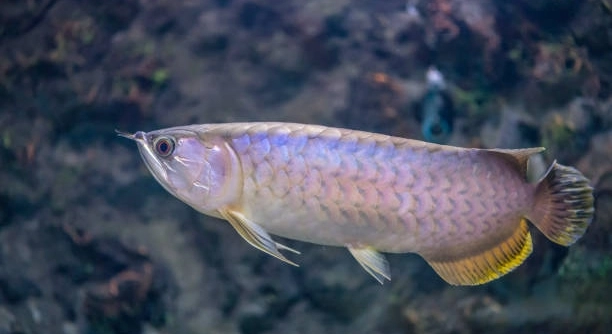
Transporting Arowanas can be challenging for many fish enthusiasts, especially when ensuring their safety during travel. Proper preparation and careful handling are essential to prevent stress, injury, or illness, making the journey smoother for both the fish and the owner.
Safe transport of Arowanas requires attention to water quality, temperature, and oxygen levels. Using secure containers, minimizing travel time, and handling the fish gently are critical. These measures reduce stress and prevent physical harm during relocation.
Knowing the right steps can make a significant difference in your Arowana’s wellbeing. These tips will help ensure the fish arrives healthy and stress-free.
Preparing the Tank and Equipment
Before transporting an Arowana, it is essential to prepare the tank and equipment properly. Start by cleaning the container thoroughly to remove any dirt or harmful residues. Fill it with dechlorinated water at the same temperature as the fish’s current tank to avoid sudden shocks. Adding an air stone or portable oxygen source helps maintain proper oxygen levels, keeping the fish calm and healthy. Make sure the container is large enough for the fish to move slightly but not too spacious to prevent excessive water movement. Using soft nets and towels can reduce physical stress when moving the fish. Checking for leaks and securing lids ensures that the container remains stable throughout the process. Labeling the container with species information can also help if multiple tanks are transported at once. Taking these preparatory steps creates a safer environment, reducing stress and potential injuries during handling.
Proper preparation significantly decreases the risk of stress for the fish during transport.
Keeping all equipment ready in advance saves time and prevents mistakes, ensuring the Arowana remains calm and healthy throughout the process.
Handling the Fish Safely
Handling the Arowana carefully is crucial to avoid injury. Using soft, wet gloves or a net minimizes physical damage to scales and fins. Avoid sudden movements that could startle the fish.
Supporting the fish’s body evenly while moving it prevents strain. Gently placing it into the container with water helps maintain balance and reduces stress. Limiting handling time to a few minutes ensures the fish remains calm. Observing the fish closely during handling allows immediate response to signs of distress.
It is also important to monitor water temperature and oxygen levels while the fish is in transit. Sudden temperature drops or low oxygen can cause shock or exhaustion. Maintaining a stable environment reduces stress hormones and supports immune function. If transporting long distances, arranging multiple short breaks to check the fish and refill oxygen if necessary can help. Additionally, avoid overcrowding containers, as this increases aggression and the risk of injury. By combining careful handling with consistent environmental conditions, you provide the Arowana with a safer experience and reduce the risk of long-term health issues.
Water Quality Management
Maintaining water quality is essential during transport. Ensure the water is clean, dechlorinated, and at the correct temperature. Avoid adding chemicals or unnecessary additives, as sudden changes can stress the Arowana. Monitoring oxygen levels is also critical for the fish’s wellbeing.
Using water from the original tank helps maintain familiar conditions and reduces stress. Check temperature consistency before placing the fish inside the transport container. Adding a small amount of aquarium salt can help reduce stress and prevent minor infections. Avoid overfilling the container, as water movement can cause unnecessary agitation. Ensure there is enough water to support proper oxygenation while leaving space for air exchange.
Regularly check for signs of distress, such as erratic swimming or rapid gill movement. If possible, maintain a stable environment by insulating the container to prevent temperature fluctuations. Gentle aeration during transport supports oxygen levels without creating strong currents that could harm the fish. Keeping water quality consistent ensures the Arowana remains healthy and reduces the risk of shock or illness.
Minimizing Stress
Stress reduction is crucial for the health of the fish during transport. Handle the Arowana calmly and avoid sudden movements around the container.
Covering the transport container with a towel or opaque lid can reduce visual stressors. Keep noise and vibration to a minimum, and avoid handling the container excessively. Monitoring the fish during the trip allows you to respond quickly to signs of distress, ensuring the fish remains stable. Gentle movement and maintaining water temperature and oxygen help keep the fish calm.
Feeding should be avoided immediately before transport to reduce waste buildup in the container. Long-term stress can weaken the immune system, so maintaining calm conditions is essential. Using familiar water and minimizing exposure to external stimuli helps the Arowana feel secure. Keeping the container steady and insulated prevents sudden temperature changes or shaking. Limiting handling and providing consistent conditions reduces the risk of injuries and supports the fish’s overall health during the trip.
Temperature Control
Maintaining a stable temperature is vital for the Arowana’s health. Sudden changes can cause stress or shock, affecting its immune system and behavior. Use insulated containers or heating/cooling packs when necessary.
Check water temperature regularly during transport. Avoid placing the container in direct sunlight or near cold drafts, as this can lead to rapid fluctuations.
Choosing the Right Container
Select a container that is sturdy, leak-proof, and large enough for the fish to move slightly. Ensure it has a secure lid to prevent escapes. Soft padding or towels can cushion the fish and reduce the risk of injury.
Limiting Transport Time
Keep the transport duration as short as possible. Prolonged periods increase stress and the chance of oxygen depletion or water quality deterioration. Plan the route and logistics in advance to minimize time spent on the move.
Post-Transport Care
Once the Arowana arrives, slowly acclimate it to its new tank. Monitor behavior and water parameters closely for the first 24 hours to ensure a smooth adjustment.
FAQ
How do I prepare my Arowana for transport?
Preparation is essential to keep the fish safe. Start by cleaning the transport container thoroughly and filling it with dechlorinated water at the same temperature as the home tank. Adding an air stone helps maintain oxygen levels. Avoid feeding the fish for at least 24 hours before transport to reduce waste buildup and maintain water quality. Covering the container with a towel can reduce stress, and using soft nets or gloves while handling prevents physical injuries. Check the container for leaks and ensure the lid is secure.
What type of container is best for transporting an Arowana?
Choose a container that is sturdy, leak-proof, and large enough for the fish to move slightly but not too spacious. Rectangular plastic containers with tight-fitting lids are often preferred. Adding soft padding, such as towels or foam, can reduce sudden movements and prevent injury. Ensure there is enough air space above the water for oxygen and to reduce sloshing. For longer trips, consider portable oxygen systems or small battery-operated air pumps to maintain oxygen levels without creating strong currents.
How do I maintain water quality during transport?
Water quality is crucial to prevent stress and illness. Use water from the fish’s original tank whenever possible. Avoid chemicals or unnecessary additives. Monitor temperature and oxygen levels carefully. Insulate the container to maintain a consistent temperature. Limit movement to prevent excessive agitation. Check the fish periodically for signs of distress, such as rapid gill movement or erratic swimming. Using a small amount of aquarium salt can help reduce stress and prevent minor infections.
How can I reduce stress for my Arowana during transport?
Stress reduction depends on calm handling and a stable environment. Minimize handling time and use soft gloves or nets. Cover the container to block visual distractions and reduce noise. Keep the container steady, and avoid sudden movements or vibrations. Ensure proper water temperature, oxygen levels, and familiar water conditions. Avoid feeding immediately before transport to prevent digestive stress. If the trip is long, check the water occasionally and provide gentle aeration. Reducing stress supports immune function and prevents physical injuries.
What should I do if the fish shows signs of distress during transport?
If the Arowana becomes agitated, first check temperature and oxygen levels. Adjust aeration if necessary. Limit additional handling and keep the container covered. Provide a stable and quiet environment. For longer trips, pause briefly to ensure water conditions remain optimal. Look for signs of physical injury, and make sure the fish is not being jostled or overcrowded. Maintaining calm conditions reduces stress and supports the fish’s health.
How do I acclimate the Arowana to its new tank after transport?
Acclimation is critical to avoid shock. Float the transport container in the new tank to equalize temperature. Gradually add small amounts of the tank water to the container over 20–30 minutes. Release the fish gently using a soft net. Avoid feeding immediately for a few hours to reduce stress. Monitor behavior, gill movement, and swimming patterns for the first 24 hours. Check water parameters such as pH, temperature, and ammonia levels regularly. Maintaining consistent conditions helps the Arowana adjust smoothly and prevents illness.
Can I transport multiple Arowanas together?
Transporting multiple Arowanas together is risky due to aggression and space limitations. If necessary, ensure the container is large enough for minimal movement and add dividers or separate containers. Monitor behavior closely, and avoid overcrowding. Use familiar water and maintain oxygen levels to prevent stress. Limiting interactions reduces injury risk and supports the fish’s overall health during transport.
How do I handle long-distance transport?
For longer trips, keep water temperature stable with insulation or heating/cooling packs. Use portable oxygen or aeration systems to maintain oxygen levels. Minimize handling and keep the container covered to reduce stress. Plan breaks to check water quality and the fish’s condition. Avoid overfeeding beforehand and monitor behavior closely. Consistent conditions are essential to prevent illness or injury.
What are common mistakes to avoid during transport?
Common mistakes include sudden temperature changes, overcrowding, poor water quality, and excessive handling. Feeding immediately before transport can lead to waste buildup. Insecure containers or rough handling increase the risk of injury. Ignoring oxygen levels or stress signals can have serious consequences. Careful preparation, steady handling, and maintaining stable conditions prevent most issues.
How can I ensure the Arowana arrives healthy and safe?
Plan ahead with the right container, clean water, stable temperature, and proper aeration. Handle the fish gently, minimize stress, and monitor water conditions. Acclimate slowly upon arrival. Avoid overcrowding and overfeeding. Keeping conditions consistent and calm throughout transport supports the Arowana’s wellbeing and ensures it arrives healthy.
This FAQ provides practical, actionable steps to manage the safe transport of Arowanas. Following these tips reduces stress, prevents injury, and maintains overall health.
Transporting an Arowana safely requires careful planning and attention to detail. Every step, from preparing the container to handling the fish during the trip, plays a crucial role in keeping the Arowana healthy. Ensuring proper water quality, temperature, and oxygen levels reduces stress and prevents illness. Using a sturdy container with a secure lid and some padding helps avoid injuries while moving. Limiting handling and providing calm, stable conditions can make the fish more comfortable. Even small details, like floating the transport container in the new tank to acclimate the temperature, can have a significant impact on the fish’s wellbeing. Planning ahead and checking equipment in advance eliminates unnecessary problems and gives the Arowana a safer experience during transport.
Minimizing stress is one of the most important aspects of transporting an Arowana. Stress can weaken the immune system, making the fish more susceptible to illness. Covering the container to reduce visual distractions and keeping noise and movement to a minimum helps the fish remain calm. Avoid feeding immediately before transport, as this can increase waste in the water and create additional stress. Monitoring the fish during transport for signs of distress allows immediate intervention if necessary. Even for longer trips, keeping a consistent temperature and oxygen level while limiting handling ensures the fish stays healthy. Careful attention to these factors not only reduces immediate stress but also supports long-term health once the Arowana is in its new environment.
After the Arowana reaches its new tank, post-transport care is essential. Gradual acclimation to the new water conditions prevents shock and helps the fish adjust smoothly. Observing the Arowana for the first 24 hours allows early detection of unusual behavior, breathing patterns, or injuries. Maintaining consistent water parameters such as temperature, pH, and cleanliness supports a stable recovery. Giving the fish time to settle before feeding helps reduce digestive stress and ensures it adapts to the new environment without complications. Each careful step taken, from preparation to acclimation, contributes to the overall success of transporting an Arowana safely. Consistency, patience, and attention to detail are key to ensuring the fish remains healthy, calm, and ready to thrive in its new surroundings.

Hello,
If you enjoy the content that we create, please consider saying a "Thank You!" by leaving a tip.
Every little bit helps us continue crafting quality advice that supports the health, happiness, and well-being of pets around the world, for pets of all shapes, sizes, and species.
We really appreciate the kindness and support that you show us!