
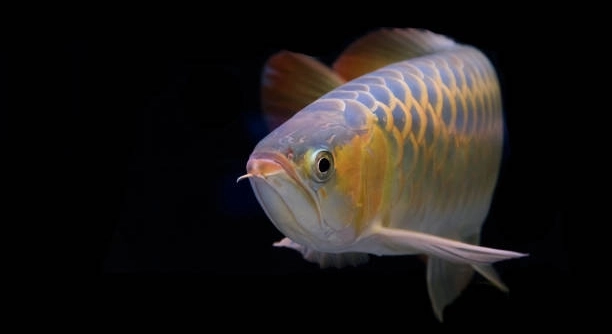
Loud music is common in many homes, often filling spaces with energy and rhythm. For aquarium owners, it raises questions about how such sounds may influence the behavior of delicate fish, especially larger, sensitive species like Arowanas.
Studies indicate that Arowanas exposed to consistently loud or abrupt noises may exhibit increased stress responses, reduced feeding activity, and altered swimming patterns. Continuous auditory disturbance can affect their overall health, highlighting the importance of a calm and stable aquatic environment.
Understanding how sound impacts Arowanas is essential for maintaining their wellbeing. Small adjustments in their environment can lead to a calmer, healthier, and more active fish.
How Loud Sounds Influence Arowana Stress
Loud music can significantly affect an Arowana’s stress levels. These fish are naturally sensitive to vibrations and sudden changes in their environment. When exposed to high-volume sounds, their stress hormones may increase, causing them to swim erratically or hide more often. Over time, prolonged stress can weaken their immune system, making them more vulnerable to diseases. Even moderate levels of noise, if constant, can disrupt their normal routines, including feeding and resting patterns. Arowanas rely on a stable environment to maintain proper growth and behavior. Owners may notice signs such as rapid gill movement, frequent darting, or refusal to eat. Adjusting the aquarium placement away from loud speakers or rooms with persistent noise can help mitigate these effects. Ensuring a calm setting with minimal auditory disturbances supports healthier behavior and allows Arowanas to display their natural swimming patterns more confidently.
Maintaining a quiet environment reduces stress, improves feeding, and promotes overall health for Arowanas.
Controlling sound levels is not just about avoiding extreme volume. Even regular background music or household noises can accumulate, affecting fish subtly. Using soundproofing or placing tanks in low-traffic areas can make a significant difference. Observing fish reactions to daily sounds helps gauge tolerance and adjust accordingly. Consistent monitoring ensures Arowanas remain active and stress-free, ultimately enhancing their longevity and wellbeing in a home setting.
Practical Steps to Protect Arowanas from Noise
Limiting exposure to loud sounds is the first step.
Owners can take several measures to minimize stress for Arowanas. First, situating the aquarium away from high-traffic areas and rooms with constant music reduces vibrations that disturb the fish. Installing a sound-absorbing mat beneath the tank can further dampen external noises. Another key aspect is timing: avoiding loud activities near the tank during feeding or resting periods helps maintain routine behavior. Observing the fish for signs of stress provides insight into how they respond to everyday noises, allowing adjustments when necessary. Gradually introducing soft, consistent background sounds can help some fish acclimate without triggering negative responses. Proper tank maintenance, including water quality and temperature stability, complements these noise reduction measures, as stressed fish are more susceptible to environmental fluctuations. By combining placement strategies, environmental control, and careful observation, owners can create a calmer setting that encourages natural behavior and overall wellbeing for their Arowanas.
Observing Behavioral Changes
Arowanas may show subtle signs when exposed to loud sounds. Reduced activity, sudden darting, or hiding behind decorations are common indicators. Changes in feeding patterns can also occur, signaling that the fish is stressed and uncomfortable with the surrounding environment.
Monitoring daily behavior is crucial for understanding Arowanas’ reactions to noise. Consistent observation helps identify patterns that may not be immediately obvious. For instance, a fish that normally swims near the surface might retreat to the bottom during loud periods. Feeding times can reveal stress, as some Arowanas may refuse food or eat more aggressively under pressure. Tracking these behaviors over time allows owners to implement environmental adjustments that promote calmness, such as reducing music volume, relocating the tank, or adding sound-absorbing materials. This careful attention ensures that any changes in behavior are noticed promptly.
Behavioral changes also affect social interactions if multiple Arowanas share a tank. Stress from loud sounds can lead to aggression, chasing, or territorial disputes. Arowanas may become more defensive or less responsive to companions, which can create tension and potential injury. Minimizing noise reduces these conflicts and encourages natural social behavior. Understanding these dynamics allows owners to foster a more stable environment that supports both individual health and group harmony, maintaining peaceful coexistence and promoting overall wellbeing in their aquarium.
Long-Term Effects on Health
Prolonged exposure to noise can have lasting consequences for Arowanas. Stress over time weakens their immune system, making them prone to illness and infections.
Chronic stress affects both physical and mental wellbeing in Arowanas. Continuous loud sounds can lead to slower growth, reduced appetite, and decreased reproductive success. The fish may also develop abnormal swimming patterns, spending excessive time near the surface or hiding. Internal stress can trigger health issues such as fin rot or gill inflammation. Even if the noise seems tolerable at first, cumulative effects can become significant, especially in sensitive or younger fish. Monitoring water quality and nutrition can help, but controlling environmental noise remains the most effective preventive measure.
Long-term exposure can also influence temperament and responsiveness. Fish may become more aggressive, less curious, or overly cautious. These behavioral shifts can persist even after the noise is removed, indicating lasting impact. Adjusting tank location, incorporating sound barriers, and maintaining a stable environment helps mitigate these effects. Providing hiding spots and familiar structures gives Arowanas a sense of security, reducing stress from unavoidable noises. Understanding and addressing these long-term consequences ensures healthier, more active fish capable of exhibiting natural behaviors over their lifespan.
Reducing Noise Exposure
Placing the aquarium in a quiet area significantly reduces stress for Arowanas. Avoid rooms with constant music, television, or heavy foot traffic. Even low-level noise, if consistent, can affect their comfort and behavior over time.
Using sound-absorbing mats or placing the tank against solid walls can help minimize vibrations. Limiting sudden, loud noises near the tank supports calmer swimming patterns and healthier feeding habits. A consistent, stable environment allows Arowanas to feel secure and reduces signs of stress, improving overall wellbeing.
Gradual Acclimation
Introducing mild, consistent sounds slowly can help some Arowanas adapt without stress. Sudden loud noises should be avoided to prevent shock or fear. Gradual exposure allows fish to recognize environmental sounds without triggering negative reactions.
Supporting Natural Behavior
Providing ample space and hiding spots encourages Arowanas to swim and explore freely. Decor, plants, and open swimming areas help them feel safe and reduce stress caused by external noise.
FAQ
Can loud music permanently harm Arowanas?
Consistent exposure to loud music over long periods can have lasting effects. Chronic stress weakens the immune system, slows growth, and may alter normal behavior. While occasional brief sounds are usually tolerated, repeated or prolonged noise can cause long-term changes in temperament and health. Proper tank placement and environmental control help prevent permanent damage.
How can I tell if my Arowana is stressed by noise?
Signs of stress include hiding frequently, erratic swimming, reduced appetite, or aggression if multiple fish share the tank. Rapid gill movement, staying at the bottom, or avoiding areas near sound sources are common indicators. Observing daily behavior allows timely adjustments to reduce stress.
Are certain types of music worse for Arowanas?
Music with strong bass, sudden volume spikes, or continuous loud beats tends to be more disturbing. High-frequency sounds may also cause agitation. Softer, consistent background sounds are generally less stressful, but individual fish may react differently depending on temperament and tank conditions.
Can relocating the tank help reduce stress?
Yes. Placing the aquarium in a quieter area of the house, away from loud electronics or high-traffic zones, reduces vibrations and sudden noise exposure. Using solid walls, soundproofing materials, or mats under the tank further dampens external sounds. Stability is key to calming the fish.
Is it possible for Arowanas to adapt to household noise?
Some Arowanas may gradually adjust to moderate background sounds if introduced slowly. Avoid sudden or high-volume noises during the acclimation period. Gradual exposure combined with a stable environment and sufficient hiding spots helps the fish feel secure while becoming less reactive to everyday sounds.
Does noise affect feeding behavior?
Yes, loud or sudden sounds can make Arowanas hesitant to eat. Stress may reduce appetite or cause rushed, irregular feeding. Providing a calm setting during feeding times encourages normal behavior and helps maintain proper nutrition and growth.
Are younger Arowanas more sensitive to noise?
Juvenile Arowanas tend to be more reactive because they are still developing and establishing routine behaviors. Loud sounds can stunt growth or create long-term stress responses. Extra care with placement, noise reduction, and gradual acclimation is important during early stages of life.
Can environmental enrichment offset stress from noise?
Adding hiding spots, plants, and open swimming areas helps fish cope with occasional disturbances. Providing a structured environment allows Arowanas to feel safe and reduces the impact of unavoidable noises, supporting natural behavior even when minor sounds occur.
How long does it take for Arowanas to recover from noise stress?
Recovery depends on the duration and intensity of exposure. Short-term stress can resolve within days if the environment becomes quiet. Chronic exposure may require weeks of calm conditions, stable water quality, and monitoring behavior to restore normal health and activity levels.
Are all Arowanas equally sensitive to sound?
Sensitivity varies by species, age, and individual temperament. Some fish remain calm under moderate noise, while others show strong stress responses. Observing each fish’s behavior helps identify tolerance levels and guides environmental adjustments for optimal wellbeing.
What is the best way to protect Arowanas from household noise?
Limiting exposure, choosing a quiet location, using sound-dampening materials, and providing hiding spaces are effective strategies. Gradual acclimation and consistent observation ensure fish remain healthy, active, and comfortable despite unavoidable background sounds in the home.
Can stress from loud sounds lead to disease?
Yes, prolonged stress compromises the immune system, making Arowanas more susceptible to infections such as fin rot, gill issues, or internal parasites. Maintaining a calm environment, clean water, and proper nutrition minimizes risk and supports long-term health.
Do tank decorations influence stress levels?
Decorations offer refuge and help fish manage stress by creating secure zones. Rocks, plants, and open swimming areas reduce anxiety from external noise, giving Arowanas options to hide or explore without feeling threatened. Strategic placement enhances both comfort and natural behavior.
Is there a safe noise threshold for Arowanas?
No exact threshold exists, as sensitivity varies. Moderate, consistent background sounds are generally tolerable, but sudden or intense noise should always be avoided. Observing fish reactions provides the best guidance for maintaining a calm, stress-free environment.
Can multiple Arowanas in one tank worsen stress from noise?
Yes, noise can increase territorial disputes or aggression among tank mates. Stress amplifies conflict, leading to potential injuries. Ensuring sufficient space, hiding spots, and environmental stability reduces tension and helps multiple fish coexist more peacefully.
Does water movement affect how noise impacts Arowanas?
Strong currents or filtration noise can amplify stress when combined with external sounds. Gentle, consistent water flow reduces additional stress and creates a more predictable environment. Balancing water movement with noise control promotes comfort and natural swimming behavior.
Are there signs that stress has permanently affected behavior?
Persistent hiding, aggressive tendencies, or irregular swimming patterns even in quiet conditions may indicate long-term effects. Monitoring behavior over time helps assess recovery and highlights the need for sustained environmental adjustments to support wellbeing.
How often should I check on my Arowana’s reaction to noise?
Daily observation is ideal. Watch for changes in swimming, feeding, and interaction with decorations or tank mates. Frequent checks allow early intervention, ensuring stress does not accumulate and overall health remains stable.
Can stress from loud sounds affect breeding?
Yes, chronic noise can inhibit reproductive behavior. Stressed Arowanas may avoid mating, produce fewer eggs, or exhibit abnormal behaviors during breeding periods. Minimizing noise supports normal reproductive activity and overall vitality.
Are there alternatives to complete silence in the tank area?
Soft, consistent background sounds or gentle white noise may be less disruptive than abrupt music or loud activities. The key is predictability, stability, and observation of how fish respond, adjusting as necessary to maintain comfort and natural behavior.
Does diet help reduce stress from noise?
While diet cannot eliminate stress, high-quality nutrition supports immune function and resilience. Balanced feeding helps Arowanas cope with minor disturbances and recover more quickly from unavoidable noise exposure. Proper nutrition complements environmental management for overall health.
How can I combine multiple strategies to protect Arowanas?
Placing the tank in a quiet area, using sound-absorbing materials, providing hiding spots, controlling water flow, monitoring behavior, and ensuring proper nutrition work together. Combining these strategies creates a stable, low-stress environment, supporting long-term wellbeing and natural behavior.
Is noise more harmful during certain times of day?
Yes, loud sounds during resting or feeding periods are especially disruptive. Maintaining quiet during these critical times helps Arowanas maintain normal activity, reduces stress, and supports consistent health and behavior patterns.
Can occasional loud events, like parties, be managed?
Yes, temporary exposure can be minimized by moving the tank, covering it with protective materials, or creating visual barriers. Short-term stress is less harmful if the fish return to a calm environment afterward, allowing recovery and normal behavior.
Do Arowanas show recovery signs after noise is reduced?
Improved appetite, calmer swimming, increased exploration, and social interaction are positive indicators. Recovery is gradual, and consistent observation helps ensure fish return to regular activity levels without lingering stress effects.
Are there common mistakes owners make regarding noise?
Placing tanks near speakers, heavy foot traffic, or high-activity areas without considering vibrations is common. Ignoring subtle stress signs or assuming fish will adapt automatically can lead to chronic issues. Proactive observation and environmental management prevent long-term problems.
Can stress from noise influence water quality needs?
Stressed fish may produce more waste, affecting ammonia and nitrite levels. Maintaining regular filtration, water changes, and monitoring parameters becomes even more critical when external noise causes chronic stress, ensuring a healthy and balanced tank environment.
How quickly should noise control measures be implemented?
Immediate adjustments upon noticing stress are best. Early intervention prevents chronic effects and supports recovery. Simple changes like relocation, soundproofing, or adding hiding spots can reduce stress and maintain overall wellbeing effectively.
Are some tank materials better at reducing noise?
Thicker glass, solid backgrounds, and sound-absorbing tank stands or mats help minimize vibrations. Choosing materials with damping properties improves comfort and reduces the impact of external household noises on Arowanas.
Does tank size affect noise sensitivity?
Larger tanks provide more space for hiding and swimming, which can reduce stress from external sounds. Smaller tanks may amplify vibrations and limit escape options, increasing the impact of noise. Ensuring adequate space supports comfort and natural behavior.
Can Arowanas’ personalities affect their response to noise?
Yes, individual temperament matters. Some fish are naturally more sensitive or reactive, while others tolerate moderate sounds better. Recognizing personality differences helps tailor environmental adjustments for each fish, promoting wellbeing and reducing stress.
Is professional advice necessary for noise-sensitive Arowanas?
Consulting an experienced aquarist or veterinarian is helpful if stress persists despite environmental adjustments. They can provide guidance on tank setup, behavior management, and health monitoring to ensure long-term comfort and vitality.
Can background music ever be beneficial?
Soft, low-volume, consistent sounds may provide gentle stimulation without causing stress. The key is predictability and observation, ensuring music does not interfere with feeding, resting, or natural behavior.
How does tank placement near windows or doors affect noise exposure?
External sounds from traffic, construction, or foot traffic near windows and doors can increase stress. Choosing an interior location or using sound barriers reduces these disturbances and promotes a calm environment.
Do Arowanas remember stressful noise experiences?
They may associate certain areas, times, or repeated patterns with stress. Creating consistent, low-noise conditions helps prevent recurring fear responses and encourages calmer, more confident behavior over time.
Is there a way to measure noise levels safely around the tank?
Using a decibel meter helps monitor environmental noise. Keeping levels moderate and consistent ensures fish comfort, guiding adjustments to prevent stress and maintain health.
Can stress from noise combine with other environmental stressors?
Yes, poor water quality, overcrowding, or improper temperature can amplify stress caused by noise. Managing all environmental factors together ensures resilience and reduces the risk of health issues.
Are certain times of year more stressful for Arowanas regarding noise?
Seasonal household activities, holidays, or renovations can increase noise. Planning tank placement and protective measures during these periods helps maintain consistent calm conditions and reduces stress exposure.
Do Arowanas recover fully from stress if conditions improve?
With consistent care, calm surroundings, and proper nutrition, most Arowanas gradually return to normal behavior. Recovery time varies depending on the severity and duration of previous stress, but improvements are usually noticeable within days to weeks.
Can stress affect coloration in Arowanas?
Yes, prolonged stress may dull coloration or reduce vibrancy. Reducing noise, improving environment stability, and maintaining proper diet helps restore natural colors and overall appearance.
Is it necessary to adjust feeding schedules for stressed Arowanas?
Maintaining regular feeding routines supports stability. Avoid rushing or changing schedules drastically, as predictable feeding times help reinforce normal behavior and reduce stress.
How does lighting interact with noise stress?
Sudden changes in lighting combined with loud sounds can amplify stress. Consistent lighting schedules, avoiding abrupt bright flashes, complement noise management and promote a calm environment.
Do Arowanas show individual recovery rates from noise stress?
Yes, some fish rebound quickly while others take longer. Observing each Arowana and providing tailored support ensures gradual recovery and helps maintain long-term health and natural behavior.
Can I use visual barriers to reduce stress from noise?
Yes, plants, rocks, or tank backgrounds provide hiding spots and reduce perceived threats. Visual barriers, combined with noise reduction, create a more secure and calm environment.
Should I avoid tank maintenance during noisy periods?
Performing routine maintenance during quiet times reduces additional stress. Sudden disturbances combined with loud external sounds can exacerbate anxiety and affect feeding or swimming behavior.
Can stress from noise affect social behavior permanently?
Prolonged stress may alter interactions with tank mates. Fish may become aggressive or overly shy. Reducing noise and providing hiding spots can help restore normal social behavior gradually.
Is there a safe maximum decibel level for Arowanas?
No universal maximum exists due to individual sensitivity. Keeping sound moderate, predictable, and avoiding sudden spikes is the best approach to minimize stress and maintain health.
Can noise influence Arowanas’ sleeping patterns?
Yes, frequent or sudden sounds can disrupt rest, leading to fatigue and reduced immunity. Maintaining a quiet, stable environment supports natural sleep cycles and overall wellbeing.
Do stress symptoms appear immediately?
Some reactions are instant, such as darting or hiding, while others, like reduced appetite or dull coloration, develop over time. Continuous observation helps catch both immediate and gradual stress effects.
Are all external noises equally disturbing?
No, abrupt, high-intensity, or low-frequency sounds tend to be more disruptive than consistent, soft background noise. Individual fish reactions may vary, so observation is key to managing stress.
Can music at a low volume be completely safe?
Low, consistent, predictable sound is usually tolerated if it does not interfere with feeding, resting, or normal swimming patterns. Careful observation ensures safety.
Is it better to have no sound at all near the tank?
While complete silence is ideal, low-level, predictable sound is often acceptable. Avoid sudden loud noises and monitor fish behavior to maintain comfort.
How often should I reassess the tank environment for noise?
Regularly, especially after moving the tank, adding electronics, or changing household routines. Continuous evaluation ensures the environment remains calm and supports Arowanas’ wellbeing.
Can stress from loud sounds trigger long-term behavioral changes?
Yes, repeated exposure may lead to persistent hiding, aggression, or altered swimming. Early intervention, stable conditions, and gradual acclimation help prevent permanent behavioral issues.
Does tank size or shape affect noise sensitivity?
Larger tanks allow more space to escape noise, reducing stress. Narrow or shallow tanks may amplify vibrations, increasing sensitivity. Adequate space supports comfort and natural movement.
Are some Arowana species more sensitive than others?
Yes, sensitivity varies by species, age, and individual temperament. Observing reactions and adjusting the environment ensures comfort for all types.
Is ongoing observation necessary after noise reduction?
Yes, continued monitoring confirms that behavioral recovery is occurring and helps prevent relapse into stress if new disturbances arise.
Can soundproofing completely eliminate noise stress?
It can significantly reduce stress but may not remove all disturbances. Combining soundproofing with tank placement, hiding spots, and environmental stability offers the best results.
How do I balance household activity and Arowana comfort?
Limiting loud activities near the tank, using protective measures, and scheduling high-noise tasks away from the aquarium helps maintain fish wellbeing while allowing normal household routines.
Does chronic noise stress affect lifespan?
Long-term stress can indirectly reduce lifespan by compromising immunity, slowing growth, and increasing susceptibility to disease. A calm, stable environment promotes longevity.
Is there a difference between day and night noise sensitivity?
Arowanas are more sensitive during resting periods. Loud sounds at night or during quiet times can cause more pronounced stress than daytime noise when they are active.
Can I use headphones or silent music to protect Arowanas?
Using personal headphones or playing quiet, consistent sound outside the tank is safe. Avoid high-volume speakers that transmit vibrations through the floor or walls.
Does stress from noise interact with water quality issues?
Yes, stressed fish produce more waste, impacting ammonia and nitrite levels. Maintaining proper filtration, water changes, and monitoring parameters is essential during periods of noise exposure.
Can I tell if stress is resolving?
Improved swimming patterns, increased appetite, social interactions, and exploration of the tank indicate recovery. Recovery speed varies by individual fish and duration of previous stress.
Are there warning signs that stress is becoming severe?
Persistent hiding, aggression, refusal to eat, rapid gill movement, and unusual swimming patterns signal high stress. Immediate environmental adjustments are necessary to prevent long-term damage.
Do Arowanas communicate stress to other tank mates?
Yes, stressed individuals can trigger agitation or avoidance behavior in others. Reducing noise and providing sufficient space and hiding areas helps maintain calm interactions among fish.
How do I combine diet, environment, and observation to manage stress?
Balanced nutrition supports resilience, a stable and quiet environment minimizes triggers, and regular observation ensures early detection of issues. Together, these strategies maintain health, behavior, and long-term comfort for Arowanas.
Can occasional external noise have lasting effects?
Brief, infrequent sounds usually do not cause long-term stress. Consistent, repeated exposure is more concerning. Monitoring behavior after events ensures fish return to normal activity quickly.
Is tank orientation important for noise management?
Yes, positioning the tank against solid walls and away from windows or doors reduces vibrations and external sound impact, creating a more stable and calm environment for Arowanas.
Can stress affect coloration or fin health?
Yes, prolonged stress may dull coloration, cause fin damage, or reduce vibrancy. Maintaining quiet, stable conditions and proper nutrition supports recovery and overall appearance.
Does tank decoration choice influence noise tolerance?
Yes, adequate hiding spots and structured environments reduce perceived threats, helping fish cope with unavoidable noise. Open swimming areas and secure zones are essential.
How do I maintain long-term low-stress conditions?
Consistent monitoring, quiet placement, sound-dampening measures, proper nutrition, and structured tank setup work together. Ongoing observation ensures continued comfort and natural behavior.
Can temperature changes worsen noise stress?
Yes, fluctuating temperatures combined with loud sounds increase stress. Stable water conditions complement noise management and support overall wellbeing.
Are certain lighting conditions better for stress reduction?
Consistent, moderate lighting avoids sudden changes that amplify stress. Lighting schedules that align with natural cycles help maintain calm behavior alongside noise control.
Is professional guidance necessary for persistent stress?
Consulting an aquarist or veterinarian helps address ongoing stress, offering strategies for environmental adjustments, behavior management, and long-term health support.
Can stress be fully reversed if noise is removed?
Most fish recover with consistent care, quiet surroundings, and proper nutrition. Full recovery depends on previous stress severity and duration, but improvements are usually noticeable.
Do visual cues, like reflections, affect stress alongside noise?
Yes, reflections or sudden movements near the tank can increase stress. Minimizing visual disturbances complements noise reduction, creating a calmer environment.
Can multiple strategies be combined effectively?
Yes, using quiet placement, sound-absorbing materials, hiding spots, observation, and proper nutrition together ensures comprehensive stress management and promotes natural behavior for Arowanas.
How important is consistency in maintaining a low-noise environment?
Consistency is critical. Sudden changes or intermittent loud events can undo progress. Predictable, calm conditions allow Arowanas to thrive and maintain natural activity patterns.
Can stress influence reproduction permanently?
Chronic stress may suppress mating behavior and egg production.
Loud music and external noises can have a noticeable effect on Arowanas, particularly because these fish are sensitive to vibrations and changes in their environment. Even sounds that seem minor to humans can disturb their natural behavior, causing them to hide, swim erratically, or alter feeding patterns. Over time, constant exposure to noise can create stress, which may weaken the immune system and reduce overall health. Observing the fish closely is essential to notice any signs of discomfort early. Subtle changes, like a fish spending more time at the bottom of the tank or avoiding areas near noise sources, indicate that adjustments may be necessary. Small environmental changes, such as relocating the tank, adding hiding spots, or using sound-absorbing materials, can make a significant difference in maintaining a calm and stable setting.
Managing noise in the home involves more than simply turning down the volume. Placement of the aquarium plays a crucial role in minimizing vibrations and exposure to loud sounds. Tanks positioned away from high-traffic areas, electronics, or rooms with frequent music can help reduce stress for Arowanas. Additionally, incorporating decorations, plants, and open swimming areas creates a structured environment that allows fish to feel secure and explore freely. Gradual acclimation to soft, consistent background sounds may help some fish adjust without stress, but sudden or loud noises should always be avoided. Maintaining water quality, temperature stability, and a regular feeding schedule complements noise control efforts, as stressed fish are more susceptible to environmental fluctuations. Consistent monitoring of behavior allows owners to respond quickly to any changes, preventing long-term issues and supporting the fish’s natural activity and wellbeing.
Long-term care requires a combination of observation, environmental management, and routine maintenance. Stress caused by noise can affect feeding, social behavior, reproduction, and even lifespan if left unmanaged. Creating a calm and predictable setting helps Arowanas recover from occasional disturbances and maintain healthy behavior over time. Attention to individual temperament is also important, as some fish may tolerate background noise better than others. By providing ample space, hiding areas, stable water conditions, and consistent monitoring, owners can minimize the negative effects of noise. These steps not only support the physical health of Arowanas but also encourage natural swimming patterns and social interactions. Ultimately, understanding how sound influences behavior and taking proactive measures ensures that these fish remain comfortable, active, and thriving in a home aquarium.

Hello,
If you enjoy the content that we create, please consider saying a "Thank You!" by leaving a tip.
Every little bit helps us continue crafting quality advice that supports the health, happiness, and well-being of pets around the world, for pets of all shapes, sizes, and species.
We really appreciate the kindness and support that you show us!