
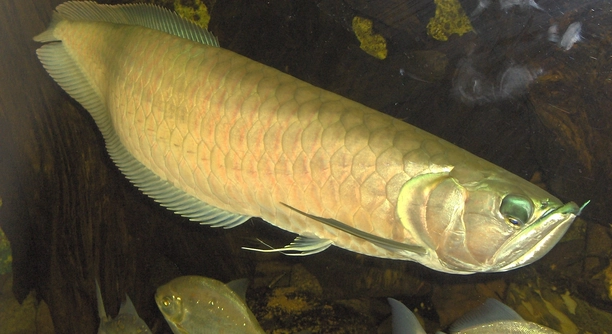
Arowanas are elegant and powerful fish, often admired for their shimmering scales and graceful movements. Observing them in an aquarium can be relaxing, but noticing them sitting at the bottom can leave owners feeling concerned or puzzled.
When an arowana consistently rests at the bottom of the tank, it may indicate stress, illness, or poor water conditions. Factors such as insufficient oxygen, improper temperature, or disease can contribute to this behavior and require careful attention.
Understanding these causes can help you maintain a healthier environment for your arowana. Proper care ensures your fish remains active, vibrant, and comfortable in its aquatic home.
Common Reasons Arowanas Sit at the Bottom
Arowanas resting at the bottom of their tank is often a sign that something in their environment needs attention. Poor water quality is a frequent cause, as high ammonia or nitrite levels can stress fish and make them seek the safest, lowest area. Temperature fluctuations can also be a factor, as arowanas are sensitive to sudden changes and prefer stable, warm water. Overcrowding or incompatible tank mates can increase stress, leading to bottom-dwelling behavior. Illnesses, including swim bladder issues or infections, can directly affect their buoyancy, making it difficult for them to swim normally. Even diet can play a role; insufficient nutrition or sudden changes in food may weaken them, prompting them to rest near the bottom. Observing your arowana’s behavior closely, checking water parameters regularly, and ensuring a balanced diet are essential steps in identifying and addressing the reasons behind this behavior.
Regular water testing and partial changes can greatly reduce stress levels for your fish.
Monitoring water quality and tank conditions consistently helps prevent long-term health problems. Ensuring a stable environment keeps arowanas active, alert, and comfortable, reducing the likelihood of bottom-sitting behavior over time. By addressing these factors, you provide your fish with optimal conditions to thrive.
Signs of Illness and Stress
Physical signs often accompany arowanas sitting at the bottom. Look for clamped fins, faded colors, or irregular swimming patterns.
Illness or stress may present subtly at first. Swim bladder disorders are common, making it difficult for arowanas to maintain their normal position in the water. Fungal or bacterial infections can cause lethargy and lead fish to remain at the bottom. Stress from poor water quality, overcrowding, or sudden environmental changes can weaken their immune system, increasing susceptibility to disease. Internal parasites or digestive issues may also impact energy levels and buoyancy. Early detection is crucial. Observing feeding behavior, changes in appetite, and physical abnormalities can provide insight into the underlying problem. Implementing quarantine measures for new fish, maintaining stable water conditions, and following a proper feeding schedule are effective ways to minimize stress and illness. Prompt action ensures your arowana can recover more quickly, restoring its natural swimming behavior and overall well-being in the tank.
Adjusting Tank Conditions
Ensuring proper water temperature and oxygen levels can encourage arowanas to swim freely. Adjust heaters and filters carefully, keeping the environment stable and clean. Proper lighting also helps them maintain normal activity.
Temperature and oxygen stability are essential for arowanas. Sudden fluctuations can stress them, causing them to sit at the bottom. Using a reliable heater, aeration system, and thermometer helps maintain a consistent environment. Frequent water changes remove toxins and support healthy swimming behavior. Balanced lighting encourages regular activity patterns.
Tank size and layout influence behavior as well. Arowanas need enough space to move without obstruction. Avoid overcrowding and provide hiding spots for security. Regularly monitoring water parameters and adjusting décor ensures the fish remains active, healthy, and comfortable, reducing bottom-dwelling tendencies.
Proper Diet and Feeding
Feeding small, frequent meals helps maintain energy and buoyancy. Offer a variety of protein-rich foods to support overall health and growth.
A balanced diet keeps arowanas strong and active. Live or frozen foods, such as shrimp, fish, and insects, supply essential nutrients. Avoid overfeeding, which can lead to digestive issues and affect buoyancy. Incorporate vitamins and minerals through occasional supplements to strengthen immunity. Observing how the fish eats helps detect early health problems.
Feeding routines also impact behavior. Providing meals at consistent times reduces stress and encourages normal swimming patterns. Ensure food is appropriate in size and easily consumed. Poor feeding habits can weaken the fish and lead to bottom-dwelling. Pair proper nutrition with clean water and adequate space to promote healthy, energetic activity and overall well-being.
Tank Environment Enhancements
Adding plants or driftwood provides hiding spots and reduces stress. Open swimming areas allow arowanas to move freely without feeling threatened.
Proper filtration and gentle water flow are essential. Strong currents can tire them, while stagnant water can lower oxygen, both encouraging bottom-sitting behavior.
Regular Health Checks
Routine observation helps detect early signs of illness or injury. Check for swelling, discoloration, or unusual behavior daily. Maintaining a log of these observations can help identify patterns and take action promptly. Early detection allows timely treatment, improving recovery chances and keeping the fish healthy and active.
Social Behavior Considerations
Arowanas can react to tank mates. Aggressive or overly active fish may stress them, leading to bottom-dwelling tendencies.
Maintaining Clean Water
Consistent partial water changes remove toxins and waste, keeping the environment safe. A clean tank reduces stress and supports overall health, encouraging arowanas to swim normally and stay active.
FAQ
Why is my arowana sitting at the bottom all the time?
Consistent bottom-sitting often indicates stress, illness, or environmental issues. Poor water quality, low oxygen levels, incorrect temperature, or inappropriate tank mates can cause this behavior. Swim bladder problems or infections may also prevent your arowana from swimming normally. Observing feeding habits and physical changes can help identify the issue.
Can water temperature affect my arowana’s position in the tank?
Yes, temperature plays a major role. Arowanas prefer warm, stable water. Sudden drops or rises in temperature can stress them, causing them to remain at the bottom. Maintaining a steady temperature with a reliable heater and thermometer is essential for their comfort and normal swimming activity.
How often should I test my tank water?
Testing water at least once a week is recommended. Check ammonia, nitrite, nitrate levels, pH, and temperature. Consistent monitoring ensures harmful substances are detected early, preventing stress or illness. Partial water changes should follow any irregular readings to maintain a stable environment.
What signs of illness should I watch for?
Clamped fins, faded colors, lethargy, abnormal swimming, or swelling are common indicators. Appetite loss or unusual behavior may also signal health issues. Early detection allows prompt treatment, reducing the risk of long-term damage and helping your arowana recover faster.
Can diet affect bottom-sitting behavior?
Yes, nutrition directly impacts energy and buoyancy. Overfeeding, underfeeding, or sudden changes in food can cause digestive problems and lethargy. A varied diet with protein-rich foods, occasional supplements, and consistent feeding times promotes strength, activity, and overall well-being.
Do tank size and layout matter?
Arowanas need sufficient space to swim without obstruction. Overcrowding or lack of hiding spots can increase stress, leading to bottom-dwelling behavior. Open swimming areas, moderate décor, and secure hiding spaces help the fish feel safe while encouraging active movement.
Are aggressive tank mates a problem?
Yes, aggressive or overly active tank mates can intimidate arowanas, causing them to stay at the bottom. Carefully selecting compatible species and observing interactions reduces stress and helps maintain natural swimming behavior.
How can I help my arowana regain normal swimming habits?
Ensure stable water temperature, proper oxygenation, a balanced diet, and a clean, spacious tank. Address any illness promptly and reduce stressors like aggressive tank mates or sudden environmental changes. Consistency and observation are key to restoring normal activity.
Can supplements improve my arowana’s health?
Occasional vitamins and minerals can strengthen immunity and promote buoyancy, especially if the diet lacks variety. Supplements should be used carefully and in moderation, supporting overall health without causing digestive issues or water quality problems.
How do I prevent bottom-sitting behavior in the future?
Maintain clean water, monitor temperature and oxygen, provide appropriate tank size, and feed a balanced diet. Regular health checks and observation help detect issues early. By creating a stable, stress-free environment, your arowana is more likely to remain active and healthy.
Is it normal for arowanas to rest at the bottom sometimes?
Occasional resting at the bottom is normal, especially after feeding or during inactive periods. However, prolonged or frequent bottom-sitting indicates that something may be wrong. Monitoring patterns and environmental conditions helps distinguish normal behavior from stress or illness.
Can water flow impact their swimming behavior?
Yes, strong currents can tire arowanas, making them stay at the bottom to conserve energy. Gentle, consistent water flow supports normal movement while preventing stress, allowing the fish to swim comfortably throughout the tank.
What should I do if my arowana shows signs of swim bladder problems?
Swim bladder issues affect buoyancy, causing bottom-sitting or floating. Adjusting diet, avoiding overfeeding, maintaining clean water, and consulting a veterinarian if symptoms persist can help correct the problem. Prompt attention prevents complications and supports recovery.
How important is lighting in their behavior?
Proper lighting regulates activity patterns and reduces stress. Too much or too little light can affect swimming behavior. Using consistent, moderate lighting encourages normal movement while highlighting natural colors and activity rhythms.
Can sudden changes in the tank cause stress?
Yes, sudden alterations in temperature, décor, or tank mates can trigger stress. Gradual adjustments, observation, and stable conditions reduce stress, preventing prolonged bottom-dwelling behavior and promoting healthy activity.
Are there any signs that require immediate veterinary attention?
Severe lethargy, rapid breathing, swelling, discoloration, or inability to maintain buoyancy indicate serious health concerns. Immediate consultation with an aquatic veterinarian is essential to prevent worsening conditions and ensure survival.
Does age affect bottom-sitting behavior?
Older arowanas may rest more frequently, but persistent bottom-sitting is not normal. Age-related behavior changes should be evaluated alongside environmental and health factors to ensure overall well-being.
How can I make the tank more comfortable for my arowana?
Provide a spacious tank, stable water parameters, gentle flow, hiding spots, and consistent feeding routines. A comfortable, secure environment encourages swimming and reduces stress-related bottom-sitting.
What routine care steps prevent future issues?
Regular water testing, partial changes, proper diet, observing behavior, maintaining compatible tank mates, and monitoring temperature and oxygen levels are essential. Consistency in care minimizes stress and helps your arowana remain active, healthy, and balanced in its environment.
How long does it take for an arowana to recover from stress or illness?
Recovery varies depending on the cause, severity, and response to treatment. Minor stress or dietary issues may improve within days, while illness or swim bladder problems can take weeks. Consistent care and monitoring speed up recovery and restore normal swimming habits.
Arowanas are remarkable fish that require careful attention to their environment and health. Observing them sit at the bottom of the tank can be concerning, but it is often a signal that adjustments are needed. Stress, illness, or water quality issues are the most common reasons for this behavior. Paying close attention to your arowana’s daily activity, feeding habits, and physical condition is essential. Consistently monitoring water temperature, oxygen levels, and cleanliness helps ensure a stable and comfortable environment. Tank size and layout also play an important role, providing enough space for movement and some hiding areas to reduce stress. By maintaining a consistent and balanced habitat, you create conditions where your arowana can thrive and display natural swimming behavior.
Diet and feeding routines are equally important in maintaining arowana health. A varied, protein-rich diet supports energy levels and proper buoyancy. Overfeeding or sudden changes in food can lead to digestive issues, lethargy, or bottom-dwelling tendencies. Providing small, frequent meals at regular times promotes stability and helps the fish maintain normal swimming habits. Occasionally including vitamins or supplements can strengthen immunity, especially if the diet lacks variety. Observing how your arowana consumes its food is also informative, as changes in appetite often indicate early signs of stress or illness. A consistent approach to feeding, combined with a clean and stable tank environment, greatly reduces the likelihood of prolonged bottom-sitting behavior.
Maintaining arowana health is a combination of careful observation, proper care, and timely action. Identifying stressors, monitoring water parameters, providing adequate space, and ensuring compatible tank mates all contribute to a healthy environment. Illnesses or swim bladder issues require prompt attention to prevent long-term problems. Routine checks, partial water changes, and consistent feeding habits help keep the fish active, alert, and comfortable. Bottom-sitting behavior should not be ignored, as it often signals an underlying issue. By addressing these factors, arowanas are more likely to swim actively and remain vibrant. Attention to detail and a structured care routine ensure that your fish stays healthy, stress-free, and enjoys a balanced life in its tank.

Hello,
If you enjoy the content that we create, please consider saying a "Thank You!" by leaving a tip.
Every little bit helps us continue crafting quality advice that supports the health, happiness, and well-being of pets around the world, for pets of all shapes, sizes, and species.
We really appreciate the kindness and support that you show us!