
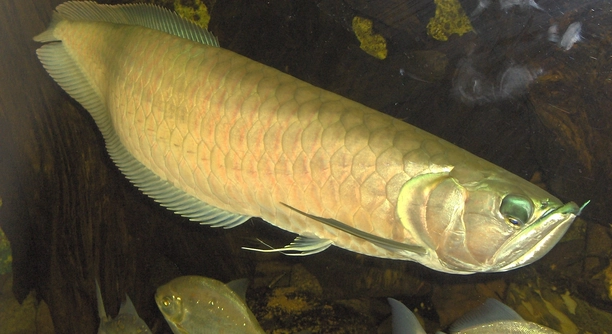
Are your Arowanas showing signs of stress or injury in their tank? Keeping these elegant fish safe requires careful attention to their environment and daily care routines. Even minor mistakes can lead to serious harm.
Preventing injuries in Arowanas involves maintaining proper tank size, ensuring smooth décor, avoiding overcrowding, monitoring water quality, and providing appropriate feeding practices. Consistent observation and timely adjustments are essential to reduce stress and prevent accidents.
Understanding these simple measures will help you keep your Arowanas healthy and active. Safe tank practices are key to their long-term well-being.
Choose the Right Tank Size
Arowanas are large, active fish that need plenty of space to swim freely. A tank that is too small can cause them to bump into walls or decorations, leading to injuries. For a single adult Arowana, a minimum tank length of six feet is recommended. Depth should allow ample vertical movement, and the width should prevent them from constantly turning sharply, which can stress their body and fins. In addition to size, the shape of the tank matters. Rectangular tanks with smooth corners reduce the risk of impact, while oddly shaped tanks can create blind spots and sudden obstacles. Always plan for the adult size of your fish, not just their current size. Overcrowding should also be avoided, as multiple large fish in a small tank increase stress and the risk of collisions. A well-sized, thoughtfully arranged tank provides both comfort and safety.
Providing enough swimming space allows Arowanas to move naturally and reduces accidental injuries, creating a safer environment for long-term care.
Proper tank size supports not only physical health but also behavioral well-being. A spacious tank allows Arowanas to swim without restriction, explore, and exercise their bodies fully. Limited space can lead to lethargy, stunted growth, and frequent bumps against tank walls. Over time, repeated collisions may damage scales and fins, causing infections. A larger tank also makes water quality easier to maintain since larger volumes are more stable and dilute toxins effectively. Smooth decorations and clear swimming paths prevent abrupt injuries, and careful planning of hiding areas ensures fish feel secure without causing accidents. Investing in an appropriately sized tank is essential for sustaining your Arowana’s health and longevity, ensuring they thrive rather than simply survive in captivity.
Maintain Smooth Tank Decorations
Sharp or rough decorations can easily injure Arowanas, which have delicate scales and long bodies. Rocks, driftwood, or artificial décor should have smooth edges, and any ornament should be securely placed to avoid shifting when the fish swims. Decorations that are too close together can create tight spaces where Arowanas might wedge themselves or brush against sharp surfaces, causing cuts. Rounded rocks, sand, and polished driftwood are ideal choices. Avoid placing glass or ceramic pieces with sharp corners at swimming height. Regularly check decorations for cracks or sharp points, as even small changes can lead to injuries. Keeping a minimal, open layout allows your fish to navigate the tank comfortably. Smooth décor not only protects your Arowana’s body but also encourages natural swimming behavior without risk of scraping or bruising.
A well-thought-out tank layout reduces accidental cuts and keeps your fish calm and confident in their environment.
Smooth, stable decorations are critical for injury prevention. Even minor abrasions can become infected in aquarium conditions. Arrange ornaments with space for swimming while providing gentle hiding areas. Avoid overcrowding the tank, and monitor any new decorations for rough surfaces. Over time, constant rubbing against sharp edges can weaken scales and fins, creating stress and potential disease susceptibility. Polished wood or sand substrates provide a soft surface for the fish to glide over. Regular inspection of decorations ensures nothing shifts or deteriorates, keeping the environment safe. This careful arrangement promotes natural movement and reduces the likelihood of injuries, allowing Arowanas to swim with confidence and maintain good overall health.
Monitor Water Quality Regularly
Maintaining clean, stable water prevents stress and injuries in Arowanas. Sudden changes in pH, ammonia, or nitrate levels can cause erratic swimming, which may lead to bumps and scrapes. Regular testing and partial water changes are essential.
Stable water parameters are crucial for Arowanas’ health. Ammonia or nitrite spikes irritate gills and weaken the fish, making them more prone to injury. pH swings can affect balance and swimming coordination. Temperature fluctuations add additional stress. Conduct weekly water tests and maintain a consistent filtration system to remove waste efficiently. Partial water changes of 20–30% help maintain a healthy environment. Avoid introducing chemicals abruptly, and acclimate new water slowly to prevent shock. Proper monitoring keeps the fish active and reduces accidents caused by stress or disorientation.
Clean water also improves healing for minor injuries. Fish in poor conditions may scratch against surfaces more frequently. A well-maintained environment supports immune function and promotes smooth swimming. Regular observation allows early detection of problems, preventing minor issues from escalating. Filtration, water circulation, and gentle aeration contribute to stability. By staying consistent with water management, you ensure Arowanas remain healthy, active, and less prone to collisions or stress-related injuries.
Feed Appropriate Diet
Overfeeding or inappropriate food can lead to aggressive behavior or digestive issues, increasing the risk of injury. Balanced meals and proper portion sizes are essential.
Arowanas need a diet rich in protein with occasional variety. Live or frozen fish, insects, and pellets designed for carnivorous fish provide essential nutrients. Overfeeding can cause bloating and slow swimming, while underfeeding may trigger sudden aggressive movements in search of food. Provide small portions multiple times a day instead of a large single feeding. Observe eating habits closely to adjust quantities as needed. Nutritional balance prevents weak muscles and maintains strong, healthy scales. Proper diet reduces erratic behavior and physical stress, keeping your fish safe during daily activity.
Feeding appropriate food ensures consistent energy and reduces accidents. Avoid feeding prey that is too large or sharp, which could harm the fish internally. Include variety to keep them interested but balanced to prevent obesity. Regular feeding schedules create stability, while fresh, quality ingredients support overall health. By providing proper nutrition, your Arowanas remain active, alert, and less likely to injure themselves due to poor condition or sudden, frantic movements.
Avoid Overcrowding
Too many fish in one tank increases stress and collisions. Arowanas need space to swim without bumping into others, which can cause injuries.
Overcrowding also leads to poor water quality and territorial aggression. Limiting the number of fish ensures safer interactions and reduces stress-related accidents.
Use Proper Lighting
Lighting should mimic natural day and night cycles. Bright or harsh lights can startle Arowanas, causing sudden movements that lead to scrapes or bumps.
Keep a Safe Lid
Arowanas are jumpers. A secure lid prevents them from leaping out of the tank and injuring themselves.
FAQ
How often should I check water quality for my Arowana?
Water quality should be checked at least once a week. Test for ammonia, nitrites, nitrates, pH, and temperature. Consistent monitoring prevents stress and reduces the chance of injury caused by sudden changes in the tank environment.
What is the ideal tank size for a single adult Arowana?
A minimum of six feet in length, two feet in width, and two feet in depth is recommended. Adequate space allows the fish to swim freely without frequent collisions with walls, décor, or other tankmates.
Can Arowanas be housed with other fish safely?
Yes, but only with similarly sized, non-aggressive species. Overcrowding or pairing with territorial fish can lead to stress and injuries. Always monitor interactions and provide hiding spaces when multiple fish share a tank.
What type of decorations are safest for Arowanas?
Smooth, polished driftwood, rounded rocks, and sand substrates are ideal. Avoid sharp edges or fragile items that can shift and cut fins or scales. Secure decorations to prevent movement during swimming.
How can I prevent my Arowana from jumping out of the tank?
A tightly fitting lid or mesh cover is essential. Arowanas are natural jumpers, and sudden movements can cause them to leap unexpectedly. Avoid placing lights or decorations that startle them near the water surface.
How often should I feed my Arowana?
Feed small portions 1–2 times per day. Overfeeding can lead to bloating and reduced swimming ability, increasing the risk of accidental bumps. A balanced diet of pellets, live, or frozen foods is recommended.
What signs indicate my Arowana might be injured?
Look for torn fins, missing scales, red or inflamed areas, or unusual swimming patterns. Early detection allows for treatment and prevents minor injuries from worsening.
Can water temperature affect my Arowana’s safety?
Yes, sudden changes or inappropriate temperatures can cause stress, erratic swimming, and collisions. Maintain a stable temperature suitable for your Arowana species, typically between 75–82°F (24–28°C).
Should I separate injured Arowanas from the main tank?
Yes, a quarantine or hospital tank with gentle water flow allows healing without further stress or injury. Ensure clean water, proper nutrition, and minimal handling during recovery.
How can I reduce stress in my Arowana to prevent injuries?
Maintain clean water, provide enough space, avoid overcrowding, feed a balanced diet, and use smooth décor. A calm, consistent environment reduces erratic swimming and accidental collisions.
Is it safe to introduce new fish to a tank with an adult Arowana?
Introduce new fish gradually and quarantine them first. Sudden introduction can cause territorial aggression and injuries. Monitor behavior closely for signs of stress or fighting.
What routine maintenance helps prevent injuries?
Weekly water tests, partial water changes, inspection of décor, and monitoring fish behavior all help maintain a safe environment. Consistency prevents conditions that lead to collisions or stress-related injuries.
Can lighting impact Arowana behavior?
Yes, bright or sudden lighting changes can startle fish. Use a consistent day-night cycle with gentle lighting to reduce stress and prevent rapid, uncontrolled movements that may lead to injuries.
Are certain foods more likely to cause harm?
Avoid feeding prey with sharp spines or large bones. These can cause internal injuries or choking. Properly sized and safe food options support health and reduce risk during feeding.
How important is tank layout for preventing injuries?
Tank layout is critical. Open swimming areas, smooth decorations, and stable structures minimize accidental scrapes and collisions. Keep pathways clear and avoid clutter, allowing the Arowana to move safely throughout the tank.
What immediate steps should I take if my Arowana gets injured?
Isolate the fish in a hospital tank if necessary, clean the water, and monitor for infection. Apply safe treatment options, such as aquarium salt or veterinarian-recommended medications, depending on the injury type.
How can I tell if my tank water is safe without testing every day?
While daily testing is not required, observing fish behavior, water clarity, and cleanliness can provide clues. Any signs of stress or unusual activity may indicate a water quality issue that needs immediate attention.
Does tank size alone guarantee injury prevention?
No, size is only one factor. Proper décor, smooth surfaces, correct diet, stable water parameters, and monitoring behavior all work together to reduce injury risks. A large tank still requires careful maintenance and planning.
How can I help an Arowana recover faster from minor injuries?
Maintain optimal water quality, provide balanced nutrition, and reduce stress by limiting disturbances. Regular observation and keeping the tank environment safe support faster healing and prevent further injuries.
Are live plants beneficial for injury prevention?
Live plants can provide soft hiding spaces and reduce stress, but they should be placed carefully. Avoid sharp-leaved species that could scratch fins or scales. Use durable, smooth plants that complement the tank layout safely.
This FAQ section addresses the most common concerns related to preventing injuries in Arowanas. Following these guidelines ensures a safer environment, healthier fish, and reduces the chances of accidents within the tank. Proper care and observation are key to long-term well-being.
Proper care and attention are essential to keeping Arowanas healthy and safe in a tank. These fish are large, active, and beautiful, but their size and behavior make them prone to injuries if their environment is not carefully managed. Choosing an adequately sized tank is the first step in prevention. A tank that allows plenty of swimming space reduces the chances of collisions with walls, decorations, or other fish. Smooth decorations and careful layout are equally important. Rough surfaces, sharp edges, or unstable ornaments can easily harm fins and scales. Keeping pathways clear and ensuring there is enough room for the fish to move freely minimizes accidents. Every detail, from tank shape to décor placement, contributes to a safer habitat.
Maintaining water quality and consistent conditions is another critical factor in preventing injuries. Arowanas are sensitive to changes in ammonia, nitrites, nitrates, pH, and temperature. Sudden fluctuations can cause stress, disorientation, and erratic swimming, all of which increase the risk of injury. Regular testing, partial water changes, and proper filtration help create a stable environment that supports healthy behavior. Temperature consistency is also important. Stress from improper water conditions can make Arowanas more likely to bump into surfaces or swim frantically, which can result in cuts, bruises, or fin damage. A clean and stable environment not only reduces the risk of physical injuries but also improves overall health, making fish more resilient to minor accidents or other environmental challenges.
Diet, feeding routines, and general observation complete the picture for injury prevention. Arowanas need a balanced diet that includes high-protein foods, live or frozen options, and pellets formulated for their needs. Overfeeding can cause bloating and reduce mobility, while underfeeding can trigger aggressive or erratic movements. Both conditions increase the likelihood of accidents in the tank. Observing your fish regularly allows early detection of stress or minor injuries before they worsen. Prompt attention, along with a safe, spacious environment and proper nutrition, supports both recovery and long-term well-being. By combining careful tank management, consistent water monitoring, appropriate feeding, and close observation, Arowanas can thrive while minimizing the risk of injury. Safe practices and attention to detail create a more comfortable and secure environment for these remarkable fish, helping them grow and stay healthy over time.

Hello,
If you enjoy the content that we create, please consider saying a "Thank You!" by leaving a tip.
Every little bit helps us continue crafting quality advice that supports the health, happiness, and well-being of pets around the world, for pets of all shapes, sizes, and species.
We really appreciate the kindness and support that you show us!