
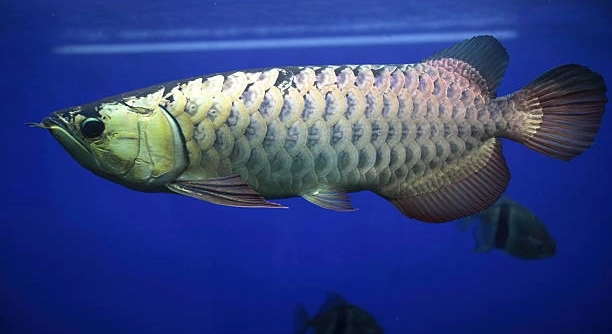
Arowanas are striking fish admired for their elegance and strength. Watching them move gracefully in a tank can be mesmerizing, especially when they show natural confidence and control in their environment. Observing their behavior helps owners understand their needs.
A confident arowana displays steady, fluid swimming, maintains upright posture, and actively explores its surroundings without signs of stress. Bright coloration, responsive movements, and consistent appetite further indicate that the fish is healthy and secure in its habitat.
Recognizing these signs early can improve your care routine and ensure your arowana thrives in its tank environment.
Signs of a Confident Arowana
A confident arowana moves with purpose and grace. It glides through the tank smoothly, rarely darting or hiding in corners. Its fins are fully extended, showing strength and stability, while the body remains upright. Coloration appears bright and even, without dull patches or fading. Eyes are alert, tracking changes in the tank, and the fish responds quickly but calmly to external stimuli. Feeding time is a clear indicator of confidence; the fish approaches food without hesitation, demonstrating trust in its environment. Social interactions with tank mates are balanced, avoiding aggression or excessive shyness. Consistent swimming patterns and regular exploration of all tank areas signal a secure and healthy fish. Owners can observe subtle behaviors like slight body tilts or head turns, which show attentiveness rather than stress. Maintaining clean water and proper temperature enhances these confident behaviors, allowing the arowana to remain calm yet active throughout the day.
Confidence is also reflected in the fish’s appetite and routine. A confident arowana feeds consistently, rarely refusing food.
Watching an arowana develop these behaviors over time is satisfying. It reflects both proper care and the fish’s natural instincts. By paying attention to its swimming patterns, body posture, and interaction with tank mates, you can ensure it stays healthy. Small adjustments in diet, tank arrangement, and water quality often enhance confidence. Consistency matters; sudden changes may unsettle even a normally confident fish. Over time, a confident arowana becomes easier to observe and enjoy, showing more predictable behaviors and responding to your presence in calm, controlled ways.
Maintaining Confidence in Your Arowana
Regular tank maintenance supports a confident arowana’s well-being. Cleaning water, checking temperature, and monitoring pH keep the fish stress-free.
Keeping the tank environment stable is essential for long-term confidence. Sudden fluctuations in temperature or water quality can trigger hiding or erratic swimming. A balanced diet with varied protein sources promotes health and encourages natural activity. Providing enough space allows the arowana to swim freely and explore, which reinforces its sense of security. Observing its interactions with other fish helps prevent conflicts, and separating aggressive tank mates can maintain calm behavior. Lighting should mimic natural cycles, avoiding prolonged bright or dark periods. Decorations and hiding spots give the fish options without forcing constant concealment. Consistency in care routines reassures the arowana, helping it trust its environment. Over time, these steps support a confident, active, and healthy fish that behaves predictably, making it easier to care for while showing its natural elegance and strength.
Feeding Habits of a Confident Arowana
A confident arowana eats consistently and shows eagerness at feeding time. It approaches food without hesitation, quickly adapting to your presence and the type of feed provided. Irregular eating or refusal may indicate stress or health issues.
Feeding behavior reflects overall confidence and well-being. A healthy arowana maintains a steady appetite, accepting pellets, live food, or frozen options. The fish swims calmly toward food and grabs it efficiently, without frantic darting or hesitation. Overfeeding can cause sluggishness, while underfeeding may lead to aggression or stress. Observing how the fish reacts during feeding provides insight into its mental state and comfort level in the tank. Monitoring these habits ensures proper nutrition and supports natural activity levels, contributing to long-term health.
A confident arowana’s feeding routine also demonstrates environmental trust. It will feed near other tank mates without showing excessive aggression or fear. Regular feeding at predictable times helps reinforce this behavior. Any sudden changes in appetite or reluctance to eat may signal tank problems or illness. Keeping a consistent schedule, offering varied food, and monitoring reactions allows you to adjust care practices effectively. Over time, these habits establish a calm and secure fish that thrives in its environment, showing both energy and confidence in everyday activities.
Interaction with Tank Mates
Confident arowanas interact with other fish without constant aggression or hiding. They assert dominance calmly, avoiding unnecessary fights while maintaining territory awareness.
Proper social behavior is essential for arowanas living with other fish. A confident arowana navigates shared spaces smoothly, swimming alongside tank mates while monitoring their presence. They rarely chase smaller fish aggressively, instead maintaining balanced interactions. Providing enough space, hiding spots, and clear territorial markers minimizes tension. Observing these interactions helps identify potential conflicts before they escalate. Stress or fear can manifest as erratic swimming, hiding, or nipping at other fish, so maintaining a stable environment is critical. Careful attention ensures all inhabitants coexist peacefully.
Monitoring these interactions over time gives a clear picture of the arowana’s confidence level. Fish that feel secure will explore different tank areas without hesitation, swim openly, and respond calmly to movements of other fish. When aggression occurs, it is brief and purposeful, not continuous. Understanding social cues, like fin displays and body posture, can help prevent conflicts and guide tank setup adjustments. Consistent feeding and stable water conditions further support calm behavior, allowing a confident arowana to maintain a healthy relationship with its companions while thriving in a shared environment.
Body Posture and Movement
A confident arowana maintains a straight, upright posture while swimming. Its movements are smooth and deliberate, without sudden jerks or frantic bursts that indicate stress or insecurity.
The fish uses its body and fins evenly, gliding through all tank areas. Balanced swimming shows strength, coordination, and comfort in its environment.
Response to External Stimuli
Confident arowanas react to changes in the tank calmly. They may turn or approach new objects without panic, demonstrating curiosity paired with control.
Coloration and Skin Health
Bright, even coloration reflects a confident and healthy arowana. Dull or faded patches can signal stress, illness, or poor nutrition. Observing consistent skin tone helps track overall well-being.
How often should I feed my arowana to keep it confident?
Feeding arowanas consistently is key. Most adult arowanas thrive on one to two feedings per day. Overfeeding can cause sluggishness and water quality issues, while underfeeding may increase stress or aggressive behaviors. Stick to regular times and monitor appetite to ensure your fish remains healthy and confident.
What types of food help maintain a confident arowana?
A balanced diet with high-quality pellets, live or frozen foods like shrimp and fish, and occasional treats supports physical health and natural activity. Rotating protein sources prevents boredom and ensures nutrient variety. Avoid over-reliance on one food type, as a well-rounded diet encourages steady swimming and calm behavior.
How can I tell if my arowana is stressed?
Stress signs include erratic swimming, hiding for long periods, loss of appetite, or clamped fins. Dull coloration or rubbing against decorations also signals discomfort. Addressing water quality, tank mates, and diet can reduce stress, allowing your arowana to regain confidence.
What tank size is ideal for a confident arowana?
Arowanas need space to swim freely. A tank of at least 250 gallons for adult arowanas ensures they can move naturally. Sufficient length and depth reduce territorial disputes and encourage smooth, controlled movements that indicate confidence. Overcrowding often causes stress and aggression.
How important is water quality for confidence?
Clean, stable water conditions are essential. Regular testing for ammonia, nitrites, nitrates, pH, and temperature prevents stress and promotes healthy behavior. A confident arowana moves calmly, explores, and feeds well when its environment is consistent and well-maintained. Sudden changes can trigger hiding or erratic swimming.
Can arowanas live with other fish without losing confidence?
Yes, but compatibility matters. Choose tank mates that are large enough to avoid predation yet calm enough to prevent constant aggression. Monitor social interactions and provide hiding spaces. A confident arowana will assert itself without continuous fighting, while maintaining smooth swimming and stable posture.
Do decorations affect arowana confidence?
Yes, they provide hiding spots and break up sight lines, reducing stress and promoting calm exploration. Avoid sharp objects or cluttered arrangements that limit swimming space. A confident arowana uses decorations to feel secure but continues to swim openly and assertively.
How can I improve my arowana’s confidence over time?
Maintain consistent feeding, clean water, stable temperatures, and gentle observation. Introduce new objects slowly and avoid sudden changes in tank layout. Social balance with other fish supports calm interactions. Over time, these practices allow the arowana to exhibit confident swimming, healthy appetite, and stable behavior.
Is bright coloration a sign of confidence or just health?
Bright, even coloration indicates both health and confidence. A confident arowana in optimal conditions will display vivid colors, smooth scales, and alert behavior. Dull or patchy coloration often signals stress, illness, or suboptimal nutrition, which can affect posture and activity.
How long does it take to notice confident behavior in a new arowana?
Adjustment periods vary, typically two to six weeks depending on the fish and tank conditions. During this time, consistent care, proper feeding, and stable water parameters help the arowana explore its environment calmly, gradually exhibiting upright posture, smooth swimming, and steady appetite that reflect growing confidence.
Can handling or tapping the glass affect confidence?
Yes, sudden tapping or aggressive handling can stress arowanas, causing hiding, erratic swimming, or color fading. Gentle observation from a distance allows them to acclimate to your presence. Confidence develops when the fish trusts its environment and experiences minimal disturbances.
What role does lighting play in confidence?
Moderate, consistent lighting mimics natural day-night cycles. Overly bright or irregular lighting can trigger stress and hiding. Proper lighting encourages normal activity patterns, helping the arowana move confidently and interact with its surroundings without fear or hesitation.
Are there signs of overconfidence in arowanas?
Occasional boldness is normal, but constant chasing or repeated aggressive displays may indicate territorial stress or imbalance. A confident arowana maintains calm dominance without constant harassment of tank mates. Adjusting tank size, hiding spots, or diet can restore balance.
How do I track confidence changes over time?
Regular observation of posture, swimming patterns, feeding behavior, coloration, and social interactions reveals trends. Note any shifts in activity or appetite and correlate them with environmental changes. Maintaining records helps identify issues early and ensures your arowana remains confident and healthy.
Can water temperature fluctuations reduce confidence?
Yes, sudden drops or spikes in temperature cause stress, leading to hiding, loss of appetite, or sluggish swimming. Stable temperatures aligned with species requirements allow the arowana to move fluidly, explore the tank, and feed confidently. Consistency is critical for long-term well-being.
Do arowanas recognize their owners?
A confident arowana may respond to your presence, approaching the tank during feeding or following movements calmly. This behavior reflects trust and a sense of security in its environment, rather than excitement or fear, reinforcing its confident demeanor.
How important is tank maintenance for long-term confidence?
Routine cleaning, partial water changes, and equipment checks prevent stress and maintain stability. Consistent maintenance ensures optimal water parameters, encouraging smooth swimming, steady posture, and regular feeding. Long-term confidence relies heavily on predictable and clean tank conditions.
Can stress from tank mates affect coloration?
Yes, stress can dull colors, especially in shy or bullied fish. A confident arowana in a balanced social setup maintains vivid coloration and active swimming. Separating aggressive tank mates or rearranging territory often restores both color and calm behavior.
What signs indicate a confident arowana is healthy?
Steady appetite, smooth swimming, upright posture, bright coloration, calm interactions with tank mates, and responsive but controlled reactions to stimuli all indicate confidence. These behaviors show the fish is thriving physically and mentally, reflecting proper care and a suitable environment.
How can feeding variety influence confidence?
Introducing varied protein sources encourages natural foraging behavior and prevents boredom. Confident arowanas actively approach new food items without hesitation, maintain strong appetite, and continue smooth swimming patterns, demonstrating adaptability and comfort in their environment.
Are there behavioral differences between young and adult arowanas regarding confidence?
Juveniles may show bursts of energy and cautious exploration, while adults display steady swimming, controlled interactions, and consistent feeding. Confidence develops over time as the fish adapts to its surroundings, gains strength, and establishes a secure routine. Proper care at all stages supports stable behavior.
What is the impact of tank size on social confidence?
Larger tanks allow multiple fish to coexist without frequent confrontation. A confident arowana maintains its space without constant aggression, swims openly, and exhibits normal feeding behavior. Crowded tanks can trigger stress, hiding, and erratic swimming, reducing overall confidence.
How do I distinguish curiosity from stress in behavior?
Curiosity is calm and controlled, with smooth swimming and upright posture, while stress causes erratic movements, clamped fins, and hiding. Observing reactions to new objects or changes in the tank helps differentiate these behaviors, ensuring the fish remains confident and comfortable.
Can arowanas recover confidence after illness?
Yes, with proper care, stable water, balanced diet, and gentle observation, arowanas can regain normal swimming, posture, feeding, and social behavior. Recovery may take weeks, but consistent conditions help rebuild confidence and overall health, restoring both physical and mental stability.
How does water flow affect confidence?
Moderate water flow allows the arowana to swim smoothly without struggle. Strong currents can stress the fish, causing erratic swimming and hiding. Proper flow supports natural movement, helping the fish maintain posture, explore, and feed confidently throughout the tank.
Is it normal for confident arowanas to be solitary at times?
Yes, even confident arowanas may rest or explore alone periodically. Solitary behavior does not indicate stress if posture, color, and appetite remain normal. These moments allow the fish to assess its surroundings and maintain comfort in the tank.
What role does enrichment play in maintaining confidence?
Adding safe objects, open swimming areas, and occasional visual stimuli encourages exploration and activity. Enrichment supports mental engagement, balanced interactions with tank mates, and smooth swimming, reinforcing the arowana’s confidence and overall health.
How quickly should a new arowana show confidence in a tank?
Adjustment typically takes two to six weeks. Consistent care, proper feeding, and stable water parameters allow the fish to explore, feed, and interact calmly. Gradual exposure to its environment builds trust, promoting upright posture, smooth swimming, and alert but controlled behavior.
Can changing tank decorations harm confidence?
Sudden changes may cause temporary stress or hiding. Introduce decorations gradually, ensuring enough swimming space and predictable structure. The arowana adapts more easily, maintaining smooth movements, balanced interactions, and steady appetite while exploring the updated environment.
How important is observation in reinforcing confidence?
Regularly watching posture, swimming, coloration, and interactions helps identify changes in confidence. Prompt adjustments in care, feeding, or tank setup prevent stress and encourage healthy, calm behavior. Observation allows proactive maintenance of a confident and thriving arowana.
Does water hardness or pH affect confidence?
Yes, extreme pH or hardness fluctuations can stress fish, causing erratic swimming, hiding, or reduced appetite. Maintaining stable parameters appropriate for arowanas ensures calm exploration, smooth movement, and normal feeding behavior, supporting consistent confidence in the tank.
Can confident arowanas coexist with other predatory fish?
Coexistence is risky. Even confident arowanas may feel threatened, leading to stress or defensive aggression. Careful selection of tank mates and adequate space prevents conflict, allowing the arowana to maintain posture, swimming control, and natural behaviors.
What is the connection between sleep and confidence?
Proper rest in calm, undisturbed areas helps the arowana recover energy and maintain health. A confident fish will rest predictably while staying alert enough to resume normal activity. Sleep disruptions can lead to stress, reduced appetite, and decreased confidence.
How do seasonal changes affect confidence?
Gradual seasonal changes are manageable, but sudden shifts in temperature, light, or feeding patterns can stress the fish. Maintaining consistency and monitoring reactions ensures smooth swimming, balanced social behavior, and steady appetite, preserving overall confidence.
Can water filtration influence arowana confidence?
Yes, efficient filtration maintains clean water, reducing stress and erratic behaviors. A confident arowana swims fluidly, explores actively, and feeds predictably when water quality is optimal. Poor filtration can lead to hiding, clamped fins, and weakened posture.
How can I encourage exploration without causing stress?
Introduce objects gradually and provide open swimming areas. Avoid sudden disturbances or excessive handling. Confident arowanas will investigate new elements calmly, maintaining upright posture, smooth swimming, and normal feeding behavior, enhancing overall engagement and comfort.
Does tank shape affect confident behavior?
Longer tanks allow uninterrupted swimming, supporting upright posture and controlled movements. Shallow or cramped tanks can cause stress, erratic swimming, and territorial disputes. Proper tank dimensions promote confident, balanced behavior and healthy physical development.
What is the role of water temperature consistency in confidence?
Stable water temperatures prevent stress, encourage smooth swimming, consistent feeding, and balanced social behavior. Sudden fluctuations trigger hiding, erratic movements, and reduced appetite, undermining the arowana’s sense of security and overall confidence.
Can confident arowanas show playful behavior?
Yes, confident arowanas may chase floating food, explore decorations, or interact with other fish in controlled ways. Playful behaviors reflect trust in the environment and comfort with tank mates, supporting both mental and physical well-being.
How do I know if my arowana is truly confident or just adapting?
True confidence shows in smooth swimming, upright posture, consistent appetite, bright coloration, and balanced social interactions. Temporary adaptation may involve cautious exploration or brief hiding, which resolves as the fish becomes accustomed to its environment.
Can frequent water changes disrupt confidence?
Excessive or poorly timed water changes can stress the fish, causing hiding or erratic swimming. Gradual, consistent water changes maintain cleanliness while preserving a stable environment, supporting calm, confident behavior and steady appetite.
Does tank lighting intensity affect confident behavior?
Yes, moderate, predictable lighting encourages exploration and natural activity patterns. Overly bright or fluctuating light can cause hiding or stress. Consistent lighting helps maintain upright posture, smooth swimming, and normal feeding behavior, reinforcing confidence.
Is tank cleanliness more important than tank size for confidence?
Both matter, but cleanliness directly impacts stress levels. Dirty water can cause erratic swimming, hiding, and health issues. A clean, stable tank allows confident arowanas to swim freely, feed consistently, and interact calmly with their environment.
How long can confidence lapses last after stress?
Depending on the cause, recovery can take days to weeks. Consistent care, stable water, proper feeding, and gentle observation help the arowana regain smooth swimming, upright posture, and normal feeding patterns, restoring confidence gradually.
Are there signs of overconfidence I should monitor?
Persistent chasing, frequent aggression, or constant dominance displays may indicate overconfidence. Adjusting tank size, hiding spots, or social balance helps maintain calm behavior. A balanced environment allows assertive yet controlled behavior, supporting overall confidence.
Can confident arowanas be left alone for extended periods?
Yes, as long as feeding and water conditions are managed. Confidence is reflected in calm swimming, exploration, and appetite, not constant interaction. Proper care ensures the fish remains healthy and self-assured even without frequent observation.
Do seasonal feeding adjustments impact confidence?
Gradual changes in feeding frequency or type can be managed without stress. Sudden reductions or unfamiliar foods may trigger hiding or hesitation. Predictable adjustments support smooth swimming, steady appetite, and overall comfort, maintaining confident behavior.
Can confident behavior differ between male and female arowanas?
Males may show stronger territorial displays, while females often maintain balanced interactions. Both exhibit upright posture, smooth swimming, bright coloration, and steady appetite when confident. Understanding these differences helps manage tank setup and social interactions effectively.
Does tank water color or decoration influence confidence?
Neutral or natural backgrounds reduce stress, encouraging calm swimming and exploration. Bright or overly cluttered tanks may cause hiding or erratic movements. A confident arowana navigates its environment with ease, relying on stable visual cues for orientation and security.
Are there behavioral cues to monitor daily for confidence?
Yes, posture, swimming patterns, feeding behavior, color intensity, and social interactions provide insight. Daily observation allows quick intervention if stress, illness, or environmental issues arise, ensuring the arowana maintains steady, confident behavior over time.
Can feeding location affect confidence?
Yes, placing food consistently in predictable areas reduces hesitation and encourages calm approach. Sudden changes in location may trigger brief hiding or erratic movements. Stable feeding practices support smooth swimming, alert posture, and steady appetite.
Do confident arowanas ever become timid?
Temporary timidity can occur due to stress, illness, or environmental changes. Observing posture, swimming, and feeding helps distinguish between temporary caution and persistent insecurity. Proper care restores normal confident behavior quickly.
Can confident behavior be reinforced through gentle interaction?
Yes, consistent observation and calm presence during feeding or tank maintenance promote trust. Avoid sudden movements or tapping, and allow the fish to respond naturally. Over time, confident arowanas approach calmly, swim smoothly, and maintain balanced social behavior.
How do water parameters influence confident swimming?
Stable temperature, pH, and hardness prevent stress and erratic movement. A confident arowana swims fluidly, maintains upright posture, explores evenly, and feeds consistently. Fluctuations can cause hiding, clamped fins, or reduced activity, signaling decreased confidence.
Can confident arowanas be aggressive toward new tank mates?
Initial aggression is normal but should be brief and controlled. A confident arowana asserts territory without constant harassment. Adequate space, hiding spots, and observation help minimize prolonged conflicts and maintain calm behavior.
Is frequent monitoring of behavior necessary for confidence?
Yes, observing swimming, posture, feeding, color, and social interactions helps detect early stress signs. Timely adjustments in care, environment, or tank mates preserve confidence, ensuring the arowana remains healthy, active, and comfortable.
Does water clarity affect confident behavior?
Clear water encourages exploration, smooth swimming, and active feeding. Murky or dirty water may cause hiding, erratic swimming, or loss of appetite. Maintaining water clarity supports natural behavior, alert posture, and overall confidence.
Can confident behavior decline with age?
Yes, older arowanas may slow down or become less active. Providing proper diet, space, and water conditions helps maintain calm swimming, upright posture, and consistent feeding, supporting confidence throughout their lifespan.
Are there environmental cues that signal stress to watch for?
Clamped fins, rapid gill movement, hiding, erratic swimming, or faded color indicate stress. Addressing water quality, social balance, and feeding routines restores calm behavior and preserves confidence.
Do confident arowanas require more space than timid ones?
Yes, confident arowanas are active swimmers and explore more. Larger tanks reduce territorial stress, allow free movement, and support smooth swimming, upright posture, and regular feeding, maintaining steady confidence in the environment.
Can confident behavior be taught or encouraged?
Indirectly, through consistent care, stable water, balanced diet, gentle observation, and gradual exposure to environmental changes. Over time, these practices reinforce natural curiosity, smooth swimming, upright posture, and balanced social behavior, fostering long-term confidence.
Does seasonal lighting affect confidence?
Gradual changes in lighting mimic natural cycles, supporting normal activity. Sudden bright or dim periods may cause hiding or erratic swimming. Predictable light schedules maintain smooth swimming, balanced interactions, and alert feeding behavior.
How long does it take for a stressed arowana to regain confidence?
Recovery depends on stress severity, usually several days to weeks. Stable water, consistent feeding, minimal disturbances, and calm social conditions help the fish regain upright posture, smooth swimming, bright coloration, and normal feeding, restoring confidence.
Are there signs of overconfidence I should monitor?
Persistent chasing, repeated aggression, or continuous territorial displays indicate overconfidence. Adjusting tank size, hiding spots, and social balance restores calm behavior, maintaining a stable, confident environment.
Can confident arowanas be left unattended during travel or maintenance?
Yes, if water conditions and feeding are managed. Confidence reflects calm behavior and trust in the environment, not constant supervision. Ensure proper preparation to maintain smooth swimming, upright posture, and steady appetite.
Does feeding variety influence confidence?
Yes, a varied diet encourages natural exploration, maintains appetite, and reduces boredom. Confident arowanas respond calmly to new foods, swim smoothly, and continue interacting steadily with their environment, reflecting comfort and security.
**Can
Confident arowanas are a joy to observe because their behavior reflects both health and comfort in their environment. They swim smoothly, maintain an upright posture, and explore the tank without hesitation. These fish react calmly to feeding, other tank mates, and external stimuli, showing a sense of security and well-being. Their bright coloration, smooth scales, and steady appetite are not just signs of physical health but also indicators that the fish feels safe and in control of its surroundings. Observing these traits consistently can help owners understand when adjustments are needed in tank conditions, diet, or social setup. A confident arowana behaves predictably, which makes caring for it easier and more rewarding over time.
Maintaining confidence in arowanas requires attention to several key factors. Proper tank size, clean water, and stable environmental conditions are fundamental. Sudden changes in temperature, water chemistry, or lighting can stress the fish and temporarily reduce confidence. Feeding routines also play a significant role. Consistent, balanced diets encourage natural behaviors like active swimming, exploration, and alert feeding. Social interactions are another important aspect. Even confident arowanas need space and compatible tank mates to avoid unnecessary aggression or stress. Decorations and hiding spots contribute to a sense of security while allowing freedom of movement. By combining these elements, owners can create a stable, supportive environment that encourages the arowana to display its natural confidence daily.
Patience and observation are crucial for supporting a confident arowana. Fish may take time to adjust to new tanks, decorations, or tank mates, and their confidence can fluctuate with changes in routine or environment. Regularly monitoring behavior, posture, feeding patterns, and social interactions helps identify signs of stress or discomfort before they become serious issues. Gradual adjustments in care, along with consistent water quality and diet, allow the fish to regain or maintain steady, confident behavior. Over time, a confident arowana demonstrates not only physical health but also a calm, assured presence in its habitat, making the experience of keeping these fish both engaging and rewarding.

Hello,
If you enjoy the content that we create, please consider saying a "Thank You!" by leaving a tip.
Every little bit helps us continue crafting quality advice that supports the health, happiness, and well-being of pets around the world, for pets of all shapes, sizes, and species.
We really appreciate the kindness and support that you show us!