
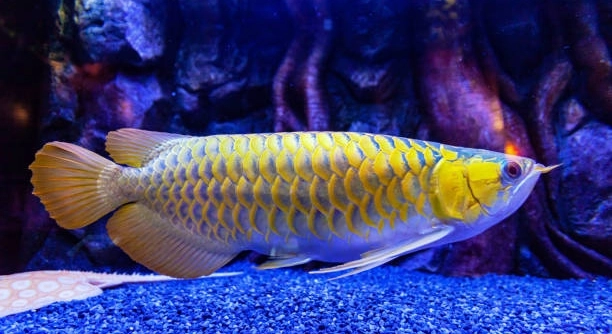
Keeping an arowana healthy involves more than feeding and tank maintenance. Cleaning can be stressful for these fish, affecting their behavior and appetite. Proper care during this process helps maintain a calm and balanced environment for your pet.
Reducing arowana stress during cleaning involves minimizing sudden movements, controlling water flow, maintaining stable temperatures, using gentle handling techniques, and ensuring familiar surroundings. Implementing these methods consistently improves fish welfare and promotes a healthier, less anxious aquatic environment.
These simple steps can make a noticeable difference in your arowana’s behavior and well-being. Understanding the proper cleaning approach will help maintain a calm and safe habitat.
Prepare the Tank Before Cleaning
Before starting, it’s important to organize everything you need. Gather a bucket, net, water conditioner, and cleaning tools. Check the water temperature so it matches the tank to avoid shocking your arowana. Removing decorations and rinsing them gently can also reduce stress. By preparing in advance, you can work more calmly, keeping your fish relaxed.
Preparation helps avoid last-minute problems that could upset your arowana. Knowing where everything is allows for smoother, faster cleaning with less disruption.
Taking the time to prepare properly prevents unnecessary stress for your arowana. Sudden movements or delays can make them anxious, causing erratic swimming or hiding. Ensure you have all tools ready, check water parameters, and handle decorations carefully. This preparation allows you to focus on cleaning efficiently while maintaining a peaceful environment. Even small details like washing your hands or avoiding strong scents can matter. Keeping your actions slow and consistent helps your fish feel safe, improving their overall health. A calm cleaning routine becomes predictable, which reduces anxiety and keeps your arowana comfortable before, during, and after maintenance.
Use Gentle Handling Techniques
Avoid using strong currents or splashing water directly at your arowana. Gentle movements help keep them calm.
When transferring your arowana, use a soft net and support its body carefully. Quick or rough handling can injure the fish or cause long-term stress. Slowly moving the fish and minimizing exposure to open air preserves its comfort.
Handling arowanas with care is crucial to reducing stress during cleaning. Always use a soft net that won’t damage their scales, and move them slowly without jerking motions. Avoid holding them out of the water longer than necessary, as this can create panic. Supporting the fish’s body evenly helps prevent injury and maintains a sense of stability. Even small touches, like keeping your hands wet before contact, reduce friction and discomfort. Over time, gentle handling makes your arowana more tolerant of routine care, allowing for easier cleaning and monitoring. Pairing careful movement with a calm environment helps your fish stay relaxed, preventing stress-related behaviors and promoting better overall health. Maintaining this approach consistently shows a clear difference in your fish’s comfort level.
Maintain Stable Water Conditions
Stable water conditions prevent stress and health issues in arowanas. Check temperature, pH, and hardness before and after cleaning. Sudden changes can shock the fish.
Keeping water parameters consistent is key. Use a reliable thermometer and test kit to monitor temperature, pH, and ammonia levels regularly. When adding new water, match it closely to the tank’s existing conditions to avoid fluctuations. Even small changes in pH or temperature can trigger stress responses, leading to erratic swimming or loss of appetite. Gradually replace water instead of a full change, and avoid adding chemical treatments unless necessary. Maintaining stable water quality ensures a calm environment, making your arowana less anxious and healthier overall.
Water circulation and aeration also play a role. Gentle filtering avoids strong currents that can stress the fish, while adequate oxygen levels prevent breathing difficulties. Positioning the filter outlet so it doesn’t hit the fish directly helps maintain calm behavior. Regular partial water changes, combined with proper temperature and pH control, create a safe and stable habitat. Observing your arowana’s reactions during cleaning can guide adjustments in water flow or temperature, ensuring they remain comfortable. Consistency in water conditions helps your fish recover quickly from maintenance activities and reduces the likelihood of stress-related illnesses.
Reduce Noise and Vibrations
Excessive noise and vibrations can alarm arowanas. Keep surrounding sounds low and avoid tapping on the tank glass.
Minimizing disturbances creates a calmer environment during cleaning. Loud noises from vacuuming, clanging tools, or footsteps can startle the fish. Positioning equipment on stable surfaces and working slowly reduces vibrations that travel through the tank. Even routine maintenance can be stressful if external noise is high. Choosing a quieter time of day for cleaning further helps the arowana stay relaxed.
Environmental vibrations also affect your arowana’s sense of security. These fish are sensitive to subtle movements, and sudden jolts can trigger rapid swimming or hiding behaviors. Reducing noise and working steadily creates a stable and predictable setting. If the tank is near household traffic or appliances, consider temporary relocation of sensitive equipment or using soft padding under cleaning tools. Consistent, gentle handling paired with a quiet environment helps the arowana remain calm. Over time, maintaining minimal noise and vibrations makes cleaning less stressful and contributes to better overall behavior and health.
Limit Handling Time
Keeping handling time short reduces stress. Move your arowana carefully and efficiently, avoiding unnecessary delays.
Quick and calm handling prevents panic. Prolonged exposure out of water or slow movements can increase anxiety and risk of injury. Planning each step helps the process go smoothly.
Use Partial Water Changes
Partial water changes are safer than full changes. Replacing 20-30% of the water at a time minimizes sudden shifts in temperature, pH, and chemical balance, which can stress your arowana. Gradual water replacement keeps the environment stable and maintains fish health.
Maintain Familiar Surroundings
Keep decorations and hiding spots consistent. Arowanas feel more secure when their environment remains familiar, reducing stress during cleaning.
FAQ
How often should I clean my arowana tank?
Arowana tanks should undergo partial cleaning weekly or biweekly, depending on the tank size and bioload. Removing debris, changing 20-30% of the water, and rinsing filters gently helps maintain water quality without causing stress from sudden environmental changes.
Can I clean the tank while my arowana is inside?
Yes, but carefully. Avoid chasing or splashing the fish. Perform water changes gradually, keep movements slow, and use a soft net only if necessary. The less direct handling, the lower the stress level for your fish.
What water temperature is best during cleaning?
Match the replacement water closely to the tank’s existing temperature. Sudden changes, even a few degrees, can shock an arowana. Use a thermometer to ensure consistency before adding new water.
Is it safe to remove decorations during cleaning?
Yes, but handle them gently. Rinse decorations with dechlorinated water and avoid harsh scrubbing. Keeping familiar decorations helps the fish feel secure, so replace them carefully to maintain a predictable environment.
Do arowanas get stressed from strong water currents?
Yes. Strong currents can tire or disorient them. Use gentle filtration and position outlets away from the main swimming area. Adjust flow during cleaning to prevent unnecessary stress.
Should I feed my arowana before or after cleaning?
It’s best to feed after cleaning. Water changes can stir up debris and alter water conditions temporarily, which may reduce appetite. Feeding afterward encourages normal eating behavior and supports digestion.
Can sudden noises affect my arowana during cleaning?
Yes, arowanas are sensitive to vibrations and loud sounds. Avoid banging tools on the tank, tapping the glass, or performing cleaning near household noise. Maintaining a calm environment helps keep your fish relaxed.
How do I handle my arowana if it needs temporary relocation?
Use a large, clean container filled with tank water. Support its body gently with a soft net and avoid leaving it out of water for long. Keep the container in a shaded, quiet area to minimize stress.
Are partial water changes better than full changes?
Yes. Partial changes maintain stability in water chemistry, temperature, and beneficial bacteria. Full changes can shock your arowana, making them more prone to stress and health issues.
What signs show my arowana is stressed during cleaning?
Look for rapid swimming, hiding, clamped fins, or loss of appetite. Stress can also make them more prone to disease. Observing behavior closely helps you adjust cleaning methods and reduce anxiety.
Can using a heater or filter during cleaning help?
Yes, maintaining proper water temperature and circulation is important. Keep the heater on and ensure filters run gently to prevent sudden environmental changes while cleaning.
Is it okay to clean the tank alone, or should someone help?
Cleaning alone is possible, but having help can reduce handling time and allow smoother water changes. Fewer interruptions minimize stress and keep the process efficient.
How do I reduce stress if my arowana panics during cleaning?
Pause and let the fish calm down before continuing. Keep movements slow, ensure water parameters are stable, and avoid loud noises. Returning familiar decorations and hiding spots can help them feel secure.
How can I maintain calm behavior long-term?
Consistency is key. Regular partial water changes, gentle handling, stable temperature and pH, quiet surroundings, and maintaining familiar decorations create a predictable environment, reducing overall stress and promoting better health for your arowana.
Are there any tools recommended for low-stress cleaning?
Use soft nets, siphons for water changes, buckets for temporary water storage, and gentle brushes for decorations. Avoid metal tools or anything that could scratch or stress the fish.
This FAQ provides practical steps to minimize stress, maintain water quality, and ensure your arowana stays healthy during cleaning and daily care routines. By following these practices consistently, you create a stable, calm environment that supports your fish’s long-term well-being.
Keeping an arowana healthy and calm during tank cleaning requires planning, patience, and consistent care. Arowanas are sensitive fish, and even small disturbances in their environment can cause stress. Understanding how they respond to water changes, handling, and noise allows you to make cleaning less disruptive. Preparing the tank beforehand, gathering all necessary tools, and monitoring water temperature and quality are small steps that have a big impact on reducing stress. By focusing on these details, the cleaning process becomes smoother, faster, and safer for both you and your fish. When an arowana feels secure in its environment, it is more likely to behave naturally and remain healthy.
Gentle handling is another important aspect to keep in mind. Using soft nets, moving the fish slowly, and supporting its body properly prevents injury and reduces anxiety. Partial water changes instead of complete replacements help maintain a stable chemical balance and temperature in the tank. Keeping decorations and hiding spots consistent also gives your arowana a sense of familiarity. Reducing loud noises and vibrations around the tank makes a noticeable difference in their behavior, and even small actions like washing hands or avoiding sudden movements contribute to a calmer environment. Over time, following these simple strategies can create a predictable routine that your arowana will respond to positively, making maintenance easier for you and less stressful for the fish.
Consistency is key to long-term success. Regular cleaning schedules, careful observation of your arowana’s behavior, and attention to environmental stability all help prevent stress-related problems. Recognizing the signs of anxiety or discomfort early allows for adjustments before they become serious issues. A calm fish is healthier, more active, and more likely to eat well and grow properly. Paying attention to the water, surroundings, and handling practices during each cleaning session reinforces a safe and comfortable environment. By applying these principles consistently, you can maintain a clean tank while keeping your arowana relaxed and healthy, ensuring both the fish and its habitat thrive together over time.

Hello,
If you enjoy the content that we create, please consider saying a "Thank You!" by leaving a tip.
Every little bit helps us continue crafting quality advice that supports the health, happiness, and well-being of pets around the world, for pets of all shapes, sizes, and species.
We really appreciate the kindness and support that you show us!