
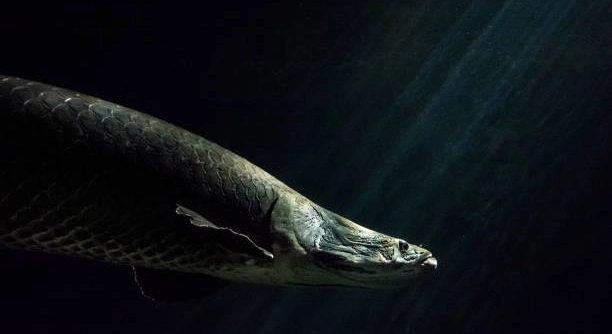
Arowanas are magnificent and elegant fish that bring life to any aquarium. Ensuring they feel comfortable in their environment is important for their well-being and overall health, making your efforts as a caretaker meaningful and rewarding.
Creating a suitable habitat for your Arowana involves maintaining optimal water conditions, providing sufficient space, adding appropriate decorations, and offering a balanced diet. These measures help reduce stress, encourage natural behavior, and support the fish’s long-term health and vitality.
Following these steps will make your aquarium a welcoming space for your Arowana, promoting happiness and longevity in its aquatic home.
Choosing the Right Tank Size
Arowanas are large and active fish that need plenty of room to swim freely. A tank that is too small can cause stress, stunt growth, and even lead to health problems. Ideally, the tank should be at least 250 gallons for an adult Arowana, with enough length to allow smooth movement across the water. Height is also important because Arowanas often jump. Strong lids are necessary to prevent accidents. The shape of the tank should avoid sharp corners where the fish could injure itself. Consistent water quality is easier to maintain in a larger tank, reducing fluctuations in temperature and pH levels. Providing ample space allows the Arowana to display natural behaviors, feel secure, and reduce territorial aggression. Plants and decorations should be minimal to maximize swimming space, but hiding spots at the edges help the fish feel safe. Proper tank size is the foundation for a healthy, comfortable Arowana.
Large tanks create a stable environment and allow your Arowana to thrive without stress.
Ensuring the tank is spacious gives the fish room to explore and exercise. This reduces aggression, supports healthy growth, and helps maintain strong muscles. It also minimizes water quality issues since larger volumes dilute waste more effectively. The Arowana will feel confident, secure, and less prone to behavioral problems, making daily care easier and more enjoyable.
Maintaining Water Quality
Regular water testing is essential to keep ammonia, nitrite, and nitrate levels safe. Frequent partial water changes prevent the accumulation of toxins. Filtration systems should be strong and properly maintained to handle the bioload of a large fish like an Arowana. Temperature should stay between 75 and 82°F, with pH around 6.5 to 7.5. Consistency is more important than perfection, as sudden changes can stress the fish and compromise immunity. Using dechlorinated water prevents chemical exposure. Observing the fish for unusual behavior helps catch early signs of poor water conditions. A well-maintained tank reduces disease risks, encourages feeding, and keeps the Arowana active. Integrating water conditioners, proper filtration, and regular monitoring ensures a stable, healthy environment.
Water quality directly affects your Arowana’s health, behavior, and overall happiness.
Daily observation combined with testing and maintenance helps detect problems early. Consistent water parameters prevent stress and disease. Proper filtration, temperature control, and periodic water changes ensure your Arowana remains strong and energetic, thriving in a clean and safe habitat. Maintaining quality water also makes your aquarium easier to manage and enjoy over time.
Providing Proper Nutrition
Arowanas require a balanced diet rich in protein to stay healthy and active. Feeding should include pellets, live or frozen fish, and occasional insects. Overfeeding can lead to water quality issues and obesity, so portions must be controlled and consistent.
High-quality pellets formulated for carnivorous fish provide essential vitamins and minerals, ensuring steady growth and vibrant colors. Supplementing with live or frozen foods like shrimp, crickets, or small fish replicates natural feeding patterns and encourages natural hunting behavior. Feeding multiple small portions throughout the day is better than one large meal, reducing waste and preventing overfeeding. Variety in diet supports a stronger immune system and healthier scales.
Avoiding low-quality or processed foods prevents digestive issues and nutrient deficiencies. Carefully selecting food types and monitoring feeding habits helps your Arowana develop properly while maintaining water cleanliness. Consistency in diet contributes to overall vitality, activity, and a longer lifespan.
Arranging Decorations and Hiding Spots
Arowanas need open swimming areas but also places to feel secure. Driftwood, smooth rocks, and sturdy plants create natural hiding spots and reduce stress.
Decorations should not overcrowd the tank, allowing the fish to swim freely and avoid injury. Soft plants and stable ornaments at the tank’s edges provide shelter without limiting movement. Sharp objects must be avoided to prevent damage to fins or scales.
Arranging the environment with minimal but functional décor simulates a natural habitat, making the fish feel safe and confident. Observing how the Arowana interacts with hiding spots allows adjustments to optimize comfort. Proper placement enhances both the aesthetics of the tank and the fish’s well-being, reducing stress and encouraging exploration.
Controlling Tank Lighting
Lighting should mimic natural day and night cycles to keep your Arowana comfortable. Too much light can stress the fish, while too little can affect its activity and appetite. A balanced schedule helps maintain a healthy routine and supports natural behavior.
Using a timer ensures consistent lighting periods, usually 10 to 12 hours a day. Soft, indirect lighting prevents startling the fish while still highlighting its colors. Observing the fish’s activity under different lighting helps adjust intensity and duration. Proper lighting contributes to well-being, encourages natural movement, and enhances the visual appeal of the aquarium.
Monitoring Water Temperature
Maintaining a stable temperature is crucial for the health of your Arowana. Sudden changes can cause stress or illness. Use a reliable heater and thermometer to keep water between 75 and 82°F.
Choosing Tank Mates
Arowanas can be territorial, so tank mates must be carefully selected. Fish of similar size and temperament reduce aggression and stress. Avoid small or overly aggressive species that may cause injury or compete for food.
Regular Health Checks
Observe your Arowana daily for changes in appetite, behavior, or appearance. Early detection of illness allows for timely treatment and prevents serious health issues.
FAQ
How often should I feed my Arowana?
Arowanas do best with small, frequent meals rather than one large feeding. Juveniles may need to be fed two to three times daily, while adults usually require feeding once a day. Avoid overfeeding to prevent water quality issues and obesity. Observing the fish’s appetite helps adjust portions.
What is the ideal water temperature for Arowanas?
The optimal temperature range is 75 to 82°F. Consistency is key, as sudden fluctuations can stress the fish and reduce immunity. Using a reliable heater and thermometer ensures stable conditions, and monitoring daily prevents temperature drops or spikes that could affect health.
Can Arowanas live with other fish?
Yes, but tank mates must be carefully chosen. They should be large enough to avoid being eaten and calm enough to avoid triggering aggression. Avoid small species or highly territorial fish. Providing enough space and hiding spots helps maintain peace.
How often should I change the water?
Partial water changes of 20-30% weekly are recommended. This removes waste and maintains water quality. Larger tanks may require less frequent changes, but consistent monitoring of ammonia, nitrite, and nitrate levels is essential. Water changes help reduce stress and disease risk.
What should I feed my Arowana?
Arowanas need a protein-rich diet. High-quality pellets form the base, supplemented with live or frozen fish, shrimp, and insects. Variety is important to replicate natural feeding habits and support healthy growth. Avoid low-quality processed foods that may cause digestive issues.
How do I prevent my Arowana from jumping out of the tank?
A secure lid is essential because Arowanas are strong jumpers. Providing enough swimming space and avoiding sudden disturbances in the tank reduces jumping. Some Arowanas jump more during feeding, so careful observation and gentle handling help prevent accidents.
How can I tell if my Arowana is stressed?
Signs of stress include reduced appetite, erratic swimming, hiding excessively, or rubbing against objects. Water quality problems, improper temperature, or overcrowding often cause stress. Identifying the cause and correcting it promptly supports overall health and behavior.
Do Arowanas need decorations in the tank?
Minimal decorations are best. Open swimming space is crucial, but driftwood, smooth rocks, or plants at the tank edges provide hiding spots and security. Avoid sharp objects that may injure fins or scales. Proper arrangement encourages natural behavior and reduces stress.
How do I maintain water quality effectively?
Strong filtration, regular testing, and partial water changes keep water parameters stable. Remove uneaten food and waste promptly. Dechlorinated water and stable pH levels prevent chemical stress. Monitoring daily ensures a safe environment and supports long-term health.
Can Arowanas recognize their owner?
Arowanas can become accustomed to their caretaker and may respond to feeding routines. While they do not form bonds like mammals, they recognize patterns and may follow movements in the tank, showing awareness of their environment.
How big should my tank be?
Adults need at least 250 gallons, with sufficient length and height for swimming. Larger tanks stabilize water conditions, reduce aggression, and support growth. Proper tank size is essential for long-term health and comfort.
What are common diseases in Arowanas?
Arowanas are susceptible to parasitic, bacterial, and fungal infections. Signs include white spots, frayed fins, lethargy, and loss of appetite. Maintaining water quality, proper diet, and routine observation helps prevent disease and allows early treatment if needed.
How do I acclimate a new Arowana?
Float the bag in the tank for 15-20 minutes to equalize temperature. Gradually mix tank water into the bag over 30-60 minutes. Release the fish gently. Proper acclimation reduces stress, prevents shock, and helps the Arowana adjust to its new environment.
Is it necessary to test water parameters regularly?
Yes, testing ammonia, nitrite, nitrate, pH, and temperature is crucial. Regular monitoring ensures a safe environment and prevents health issues. Early detection of changes allows prompt correction, keeping the fish healthy and comfortable.
How often should I clean the tank?
Clean the substrate, filter, and decorations during water changes. Avoid over-cleaning, which can disrupt beneficial bacteria. Regular maintenance keeps the tank safe, reduces stress, and supports overall fish health.
Can Arowanas recognize feeding times?
They often anticipate feeding based on routines. Consistent timing helps reduce stress and encourages natural activity patterns. Observing their behavior during feeding can indicate comfort and health.
How long do Arowanas live?
With proper care, Arowanas can live 10-15 years, sometimes longer. A balanced diet, stable water conditions, and adequate space contribute to a long, healthy life. Proper attention to health and environment ensures longevity.
What should I do if my Arowana stops eating?
Check water quality, temperature, and tank conditions first. Stress, illness, or unsuitable food may be the cause. Offering a variety of appropriate foods and monitoring behavior can encourage feeding. Persistent refusal may require professional advice.
Do Arowanas need a strong current in the tank?
Moderate water movement is sufficient. Strong currents can stress the fish and interfere with natural swimming. Gentle circulation from filters maintains oxygen levels and water quality without causing discomfort.
Can Arowanas jump during feeding?
Yes, they may leap for live or floating food. Secure lids and careful feeding techniques reduce risk. Ensuring the fish is comfortable and not startled minimizes jumping incidents.
Are lighting schedules important for Arowanas?
Consistent day and night cycles support natural behavior and activity. Use timers to maintain 10-12 hours of light. Proper lighting enhances coloration without stressing the fish.
How do I reduce aggression in a tank with multiple fish?
Provide enough space, hiding spots, and carefully selected tank mates. Avoid overcrowding and monitor interactions. Separating overly aggressive individuals or adjusting décor can maintain harmony and reduce stress.
Can Arowanas recognize their reflection?
They may react to reflections, interpreting them as rivals or potential threats. Minimizing reflective surfaces prevents stress and unwanted aggressive behavior.
How often should I inspect the filter?
Check weekly for debris buildup and functionality. Clean or replace media as needed. A properly maintained filter ensures stable water quality and reduces stress.
What is the best way to handle my Arowana?
Limit handling to essential situations. Use soft nets and gentle techniques to reduce stress. Excessive handling can cause injury and weaken immunity.
Can Arowanas tolerate fluctuations in pH?
They prefer a stable pH between 6.5 and 7.5. Sudden changes can stress the fish, so regular monitoring and buffering are important. Maintaining stability supports health and activity.
Are Arowanas sensitive to noise or vibrations?
Yes, loud noises and strong vibrations can startle them. Placing the tank in a quiet, stable area reduces stress and promotes normal behavior.
Final Thoughts
Caring for an Arowana requires attention to detail and consistency. From selecting the proper tank size to maintaining water quality, each step plays a vital role in the fish’s health and well-being. Large, spacious tanks give the Arowana room to swim naturally and reduce stress, while strong filtration and regular water testing maintain a safe, stable environment. Balanced nutrition is equally important, as protein-rich diets support growth, vibrant coloration, and overall vitality. Paying attention to diet, portion control, and variety ensures the fish receives the nutrients it needs without overloading the tank with waste. Even small adjustments in feeding habits or tank maintenance can make a significant difference in the fish’s comfort and longevity. Decorations and hiding spots, while minimal, create a sense of security and reduce behavioral stress, which contributes to the overall harmony of the aquarium.
Observing the Arowana closely is essential to ensure it remains healthy and active. Monitoring behavior, swimming patterns, and appetite can indicate early signs of stress or illness, allowing timely intervention. Proper acclimation when introducing a new fish helps reduce shock and makes the transition smoother. Lighting schedules, water temperature, and tank mates all influence comfort and activity levels, so maintaining consistency is key. Stress can arise from abrupt changes in these factors, which may lead to weakened immunity or unusual behavior. By managing these environmental conditions carefully, the fish can display natural movements, feeding responses, and interactions with its surroundings. Ensuring proper care is not just about physical health but also about providing a sense of security, which supports the Arowana’s confidence and overall happiness in its aquatic habitat.
Ultimately, creating a suitable and comfortable environment for an Arowana requires planning, patience, and commitment. Regular maintenance, attention to feeding, and a carefully arranged habitat all contribute to long-term health and longevity. Each aspect of care, from water quality to tank size, works together to provide a stable and enriching space. Observing the fish and adjusting care routines as needed allows the Arowana to thrive and display its natural beauty. While the responsibilities may seem demanding at first, the reward of seeing a healthy, active, and confident fish makes the effort worthwhile. Over time, routines become easier, and the fish’s well-being becomes a reflection of consistent care and attention. By focusing on these key factors, an Arowana can live comfortably, grow steadily, and remain a striking, graceful presence in its home for many years.

Hello,
If you enjoy the content that we create, please consider saying a "Thank You!" by leaving a tip.
Every little bit helps us continue crafting quality advice that supports the health, happiness, and well-being of pets around the world, for pets of all shapes, sizes, and species.
We really appreciate the kindness and support that you show us!