
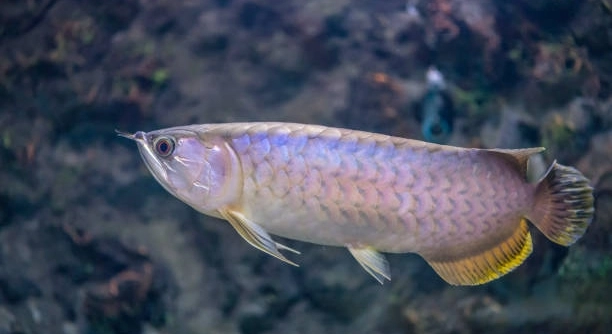
Arowanas are striking fish that many hobbyists enjoy keeping in home aquariums. Their elegant movements and shimmering scales make them captivating to watch, and owners often notice subtle behaviors that seem to show recognition of familiar faces.
Arowanas can distinguish between different people, primarily through visual cues and routine interactions. Studies indicate they recognize individuals based on movements, feeding patterns, and approach behaviors, suggesting a level of cognitive ability that allows them to differentiate familiar and unfamiliar humans.
Observing these behaviors can deepen the bond between owner and fish. Understanding how arowanas perceive their environment helps ensure a healthier, more engaging aquarium experience.
How Arowanas Recognize People
Arowanas are attentive fish that respond to their surroundings, including humans who care for them. They use visual cues to identify individuals, paying attention to movements, size, and even the way a person approaches the tank. Over time, they can learn routines, like who feeds them or cleans their aquarium. This recognition is reinforced when owners consistently interact with their fish. Arowanas may swim closer or show more active behavior when a familiar person is near, indicating a level of comfort and acknowledgment. These responses are not random; repeated observation suggests memory and pattern recognition play a role. Environmental factors such as lighting, tank setup, and the presence of other fish can also influence how quickly an arowana recognizes someone. With patience, owners notice subtle gestures, like following a hand or waiting near the front of the tank. Such behaviors demonstrate that arowanas are capable of distinguishing between individuals in their immediate environment.
Recognition builds trust and reduces stress, improving the fish’s overall well-being.
Regular interaction and consistency in care strengthen the fish’s ability to differentiate humans. Observing their reactions allows owners to adapt feeding and cleaning practices to create a positive, low-stress environment that encourages natural behavior and enhances the bond between human and arowana.
Signs Your Arowana Recognizes You
Arowanas often show specific behaviors when they recognize someone approaching the tank.
These signs include following movements along the glass, increased activity during feeding, and changes in posture or swimming patterns. Subtle gestures, like positioning near the front of the tank, indicate familiarity.
Paying attention to these behaviors helps owners understand their fish better. Arowanas that respond to specific individuals may exhibit excitement when feeding or swim in predictable patterns. Over time, they can even anticipate actions such as hand movements or the arrival of food. Consistent daily care strengthens this recognition, as the fish links particular people with positive experiences. By noting these patterns, owners can adjust interactions to reduce stress and maintain a stable, healthy environment. Recognizing these signs also allows for better handling during tank maintenance and feeding. Fish that are comfortable with specific humans often display calmer behavior, which contributes to long-term health. Observing responses carefully ensures the arowana feels secure and understood, fostering a peaceful aquarium setting.
Training Arowanas to Recognize You
Consistency in interaction helps arowanas learn to identify specific people. Regular feeding, hand movements, and gentle tapping on the tank create predictable patterns that the fish can associate with familiar individuals.
Repeated daily interactions improve recognition over time. Using the same hand for feeding and maintaining similar routines allows the arowana to link actions with specific people. Gradual exposure, such as approaching the tank at regular times and avoiding sudden movements, reduces stress and encourages the fish to respond positively. Over weeks, they may swim closer, follow your movements, or anticipate feeding. Positive reinforcement through calm and consistent care strengthens memory and association, allowing the arowana to differentiate between familiar and unfamiliar individuals confidently. The process requires patience, as fish respond to subtle cues and repetition rather than direct training methods.
Visual and environmental cues play a critical role in recognition. Arowanas rely on shape, size, and movement patterns to identify humans. Lighting, reflections, and tank decorations can influence how clearly the fish sees you. Minimizing distractions and maintaining consistent conditions helps the fish focus on familiar signals, making recognition more reliable and improving overall interaction quality.
Benefits of Recognizing Familiar People
Arowanas that recognize their caretakers exhibit lower stress levels and more predictable behavior.
When fish distinguish familiar individuals, they are calmer during feeding, maintenance, and social interactions. Recognition improves engagement and encourages natural swimming patterns. Reduced anxiety contributes to stronger immune responses, better appetite, and healthier growth. Fish become more responsive to environmental changes and routine care, creating a more harmonious aquarium. Observing familiar reactions allows owners to identify health issues early and maintain proper water conditions. This awareness strengthens the human-fish connection while supporting the long-term well-being of the arowana. Consistent care, visual cues, and predictable routines make recognition an effective tool for enhancing the fish’s quality of life.
Factors That Affect Recognition
Lighting and tank setup influence how well arowanas see and identify people. Clear water and proper illumination help fish notice subtle movements, while cluttered tanks may hinder recognition.
Feeding routines and daily interaction also play a role. Fish exposed to consistent care are more likely to remember specific individuals and respond positively.
The Role of Memory in Arowanas
Arowanas rely on memory to differentiate between humans. They remember who provides food, cleans the tank, and approaches calmly, forming associations over time. Their memory allows them to anticipate routines, recognize repeated patterns, and respond to familiar individuals with specific behaviors. This capacity demonstrates cognitive ability beyond simple instinct, showing that recognition is reinforced by repeated interactions and environmental consistency. Fish that experience irregular care or sudden changes may take longer to identify familiar people, as their memory relies on predictability. Understanding this helps owners create structured routines, enhancing both recognition and the fish’s comfort within the aquarium environment.
Observing Subtle Behavior
Paying attention to small gestures, like swimming closer or following a hand, reveals recognition. These cues indicate familiarity and comfort, showing that the fish distinguishes between individuals.
Continue the article with the following outline. Bold the questions. Do not write an intro for each header, get straight to the point. Do not use a greeting. Make it feel slightly personal. Write in a simplistic style.; Outline: ; FAQ (write at least 500 words); Note: Skip the intro, get straight to the point. The rest of the headers will be provided later, so do not write them yet. Skip the conclusion, and recap. Respect the given word count for every paragraph.
Arowanas are fascinating fish that show more awareness than many people expect. Their ability to recognize familiar individuals stems from observation, memory, and repeated interactions. Owners often notice that their arowana reacts differently to people who feed or care for them consistently. These fish are not simply responding to movement or presence—they form associations that allow them to distinguish between humans. This recognition is influenced by factors such as lighting, tank setup, feeding routines, and overall consistency in care. When arowana recognizes someone, it may follow hand movements, swim closer, or become more active around feeding time. These behaviors demonstrate a level of cognitive function that reflects both memory and pattern recognition. Understanding this aspect of their behavior can improve how owners interact with their fish, leading to a calmer, more responsive, and healthier aquarium environment.
Recognition also benefits the well-being of the arowana. Fish that identify familiar people experience reduced stress during feeding, tank maintenance, and other routine interactions. Stress reduction is crucial for their overall health because it impacts appetite, immune response, and growth. Arowanas that are comfortable with their caretakers tend to display more natural behaviors, including normal swimming patterns and exploration of their environment. Consistent care and observation reinforce recognition and strengthen the bond between owner and fish, making daily interactions smoother and more predictable. By maintaining regular routines, providing visual cues, and minimizing sudden changes in their environment, owners can help arowanas feel secure and understood. These simple steps go a long way in creating a positive and engaging aquarium experience.
Finally, paying attention to the small details can make a noticeable difference. Observing subtle behaviors, like following movements, positioning near the front of the tank, or anticipating feeding times, provides insight into the fish’s recognition abilities. These responses are not merely accidental—they show that arowanas are capable of remembering and differentiating between humans. Understanding these behaviors allows owners to tailor their care, ensuring the fish remains comfortable and healthy. Recognition is not just a fascinating trait; it is also a practical element of maintaining a thriving aquarium. By being mindful of how arowanas perceive and respond to humans, owners can enhance both the fish’s quality of life and the overall enjoyment of keeping them. This knowledge encourages careful observation, consistent care, and a structured environment that benefits the fish every day.

Hello,
If you enjoy the content that we create, please consider saying a "Thank You!" by leaving a tip.
Every little bit helps us continue crafting quality advice that supports the health, happiness, and well-being of pets around the world, for pets of all shapes, sizes, and species.
We really appreciate the kindness and support that you show us!