
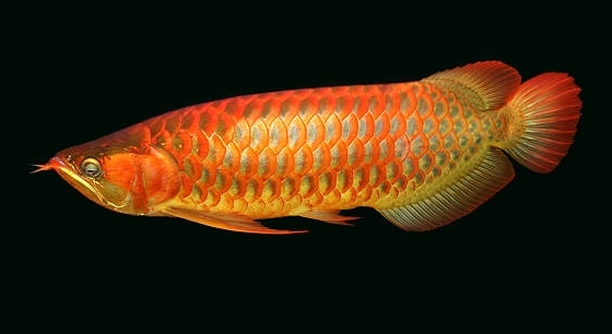
Are your arowanas acting skittish or hiding more than usual in their tank? Many owners face the challenge of helping their fish feel secure and comfortable in their aquatic environment. Small changes can make a big difference.
Adjusting tank layout, water parameters, and environmental enrichment significantly boosts arowana confidence. Providing proper hiding spots, reducing sudden disturbances, maintaining stable temperature and pH, and ensuring appropriate lighting conditions can enhance their sense of security and promote natural behavior.
Learning these adjustments will help your arowanas thrive. Even minor changes in their environment can lead to more active, confident, and healthier fish.
Tank Size and Space
Arowanas need enough room to swim freely without feeling confined. A small tank can cause stress, reduce activity, and make them more prone to illness. Providing adequate space allows them to express natural behaviors, such as gliding along the surface and exploring the tank. When selecting a tank, consider the adult size of your arowana. Many species can grow over two feet, so a minimum of 250 gallons is recommended for a single adult. Arranging the tank with open swimming areas and some strategically placed decorations can help maintain both freedom and security. Overcrowding should be avoided, as it increases competition and stress. Proper space also helps with maintaining water quality, as larger tanks dilute waste more effectively. Observing your arowana’s movement can indicate whether they are comfortable; a restless or cornered fish often signals a need for more room.
Providing ample space ensures your arowana feels secure and can move naturally, reducing stress and encouraging healthy growth.
Giving enough room not only improves their confidence but also supports better interactions with tank mates. A larger environment reduces aggressive behavior and allows for varied swimming patterns. Adding floating plants or driftwood can provide temporary shelter without limiting their movement. Regularly monitoring how your arowana uses the space helps adjust decorations for optimal comfort. A tank with open swimming areas and minimal clutter encourages natural hunting instincts while allowing them to maintain a calm, confident presence.
Water Quality and Filtration
Maintaining clean water is essential for arowana confidence. Poor water conditions can lead to stress, illness, and erratic behavior, making them less active and more withdrawn. Regular testing and filtration are key.
A high-quality filtration system helps remove waste, chemicals, and debris. Arowanas produce a lot of waste, which can quickly affect water parameters. Using mechanical, biological, and chemical filtration ensures clarity and stability. Consistent partial water changes, usually 25–30% weekly, help maintain optimal conditions and reduce toxin buildup. Monitoring temperature, pH, and ammonia levels is crucial, as sudden changes can stress your fish. Providing aeration supports oxygen levels, allowing them to swim calmly. Avoid overcrowding the tank, as it can overwhelm the filtration system and degrade water quality. Observing your arowana’s behavior can reveal early signs of water stress, such as reduced appetite or hiding. Proper maintenance fosters a healthy environment that allows natural behaviors, boosting confidence and overall vitality.
Do you want me to continue with the next headers in the same style?
Hiding Spots and Decorations
Providing hiding spots reduces stress and makes arowanas feel safe. Simple additions like driftwood, rocks, or floating plants give them areas to retreat and observe their surroundings comfortably. Avoid overcrowding the tank with too many decorations.
Hiding spots allow arowanas to rest and regulate their stress levels. Fish that feel exposed may dart around or hide constantly, which can affect their health and growth. By placing shelters along the sides or back of the tank, you create a sense of security while keeping open swimming space. Floating plants can offer shade and reduce reflections, which some arowanas find unsettling. Choosing natural materials helps mimic their environment and encourages natural behavior. Monitor their use of decorations to ensure they are benefiting from the setup and adjust placement if needed.
Decorations also help establish territories within the tank, which can reduce aggression among multiple fish. Arranging spaces where arowanas can claim their own area can increase confidence and activity. Driftwood and smooth rocks provide resting areas and visual interest without limiting swimming paths. Over time, your fish will learn where they feel safe and will display calmer, more confident movements. Simple, thoughtful placement goes a long way toward creating a secure habitat.
Lighting and Day-Night Cycle
Consistent lighting helps arowanas feel secure. Bright or sudden changes can stress them, while a steady light schedule supports natural rhythms and activity levels.
Arowanas thrive with a regular day-night cycle, ideally 10–12 hours of light followed by darkness. Too much light can encourage stress and excessive algae growth, while too little reduces their activity and appetite. Using a timer ensures consistency and prevents sudden fluctuations. Dim or indirect lighting during feeding can help shy fish feel more comfortable while exploring. Simulating natural conditions encourages normal swimming and feeding patterns, boosting confidence. Observing their behavior under different lighting can help fine-tune placement and intensity.
Proper lighting also enhances the appearance of your arowana, making colors more vibrant and highlighting health. Incorporating shaded areas and floating plants allows them to regulate exposure, giving a sense of control over their environment. Over time, a steady lighting schedule encourages calmer behavior, less hiding, and more interaction with the tank. Adjusting light intensity gradually and monitoring water temperature under lights further supports their comfort and well-being.
Water Temperature
Maintaining stable water temperature is crucial for arowanas. Sudden fluctuations can cause stress, reduce appetite, and make them more prone to disease. Using a reliable heater and thermometer ensures the water stays within their preferred range.
Most arowanas thrive between 75–82°F. Consistency is more important than hitting an exact number.
Tank Cover and Safety
A secure tank cover prevents arowanas from jumping out, which is common with this active species. It also reduces external disturbances that can cause anxiety and abrupt movements. Proper coverage adds safety while helping them feel more confident in their environment.
Diet and Feeding Routine
Providing a balanced diet supports health and confidence. Feeding at regular times helps arowanas anticipate meals and reduces stress. Include a mix of live, frozen, and pellet foods to ensure proper nutrition and stimulate natural hunting behavior.
Tank Location
Place the tank in a quiet area away from heavy foot traffic. Avoid sudden noises or vibrations that can startle the fish, making them less confident and more prone to hiding.
What is the ideal tank size for an arowana?
Arowanas grow large, often exceeding two feet in length, so a spacious tank is necessary. A minimum of 250 gallons is recommended for a single adult. Providing ample swimming space reduces stress, encourages natural movement, and helps maintain water quality by diluting waste more effectively. Open areas combined with some decorations create a balanced environment where your arowana can explore and feel secure. Observing their swimming patterns can indicate if they feel comfortable or if adjustments are needed.
How often should I change the water in my arowana tank?
Regular partial water changes are essential to maintain stable conditions. Typically, changing 25–30% of the water weekly keeps ammonia, nitrite, and nitrate levels in check. Frequent monitoring of water parameters is crucial, as arowanas are sensitive to sudden fluctuations. Clean water reduces stress, supports immunity, and promotes active behavior. Using a siphon helps remove debris from the substrate without disturbing the fish. Over time, a consistent routine prevents long-term water quality problems and keeps your arowana confident in its environment.
What type of diet is best for boosting arowana confidence?
A varied diet is key to their health and activity. Feeding live foods such as small fish, shrimp, or insects stimulates natural hunting instincts. Frozen options and high-quality pellets ensure balanced nutrition. Offering food at consistent times helps them anticipate meals and feel secure. Avoid overfeeding, as excess food can degrade water quality. Supplements like vitamins or occasional treats can support coloration and overall vitality. Observing feeding behavior can reveal signs of stress or illness, allowing you to adjust the diet as needed. A well-fed arowana is more active, curious, and confident.
How do hiding spots improve arowana behavior?
Providing areas to retreat reduces anxiety and allows rest. Driftwood, rocks, or floating plants create shelter while leaving open swimming space. Hiding spots mimic natural environments and let fish regulate exposure to light and disturbances. Fish that feel secure in their territory display calmer, more confident behavior. Overcrowding the tank with decorations can limit movement, so balance is important. Adjusting placement over time based on fish behavior ensures the environment remains beneficial and stress-free.
Why is lighting important for arowanas?
A stable day-night cycle supports natural rhythms. Ten to twelve hours of light followed by darkness encourages normal activity and feeding patterns. Sudden bright lights can startle them, while dim lighting with shaded areas allows control over exposure. Timers help maintain consistency and reduce human error. Correct lighting also enhances coloration and overall health. Observing how your arowana responds helps fine-tune light placement and intensity, contributing to a calmer, more confident fish.
How does water temperature affect arowana confidence?
Arowanas are sensitive to fluctuations in temperature. Maintaining 75–82°F is ideal, and stability is more important than an exact number. Sudden drops or spikes can stress the fish, decrease appetite, and increase disease risk. Using a reliable heater and thermometer ensures a consistent environment. Proper temperature supports digestion, energy levels, and natural movement, making your arowana more active and self-assured.
What role does tank location play in fish confidence?
Placing the tank in a quiet area minimizes stress from noise and vibrations. Avoiding high-traffic zones or frequent disturbances reduces hiding behavior and promotes relaxed swimming. Keeping the tank away from direct sunlight prevents sudden temperature changes and algae growth. A well-positioned tank encourages your arowana to explore confidently while maintaining a sense of security.
How can I prevent my arowana from jumping out?
A secure tank cover is essential for this active species. Jumping is often a response to stress or excitement. A cover also reduces disturbances from external movements and noises. Proper coverage creates a safe environment, helping the fish feel protected while allowing natural exploration.
How do I know if my arowana is confident?
A confident arowana swims steadily, explores its surroundings, and responds calmly to your presence. It will feed consistently, interact with tank mates appropriately, and use hiding spots without excessive hiding. Observing posture, fin movement, and general activity provides clues about their comfort level.
What are common mistakes that reduce arowana confidence?
Overcrowding, poor water quality, sudden changes in temperature, improper lighting, and lack of hiding spots are the main issues. Irregular feeding schedules or low-quality diet can also stress the fish. Maintaining stability in the tank environment, providing space, and observing behavior helps avoid these problems, promoting a calm and confident arowana.
This FAQ covers the most important aspects of tank setup, care, and behavior that directly influence arowana confidence, ensuring your fish thrive in a stable, secure environment.
Caring for arowanas requires attention to their environment, diet, and daily care habits. These fish are naturally active and intelligent, and their behavior reflects the conditions of their tank. When arowanas feel secure, they display confident swimming, healthy appetite, and calm interactions with tank mates. Simple adjustments such as providing enough space, stable water parameters, and proper hiding spots can have a noticeable effect on their well-being. Neglecting these aspects can lead to stress, increased hiding, or unusual behavior, which may impact long-term health. Observing your arowana regularly and noticing small changes in behavior is one of the most effective ways to ensure they remain confident and healthy. Over time, creating a consistent and supportive environment helps the fish develop routines and reduces anxiety.
Maintaining water quality is a key factor in supporting arowana confidence. These fish are sensitive to sudden changes in temperature, pH, and water cleanliness. Regular water testing, partial water changes, and reliable filtration help maintain stability in the tank. Using appropriate equipment such as heaters, thermometers, and quality filters ensures the water remains within safe limits. The combination of proper temperature, clean water, and a calm environment reduces stress, encourages natural behavior, and allows the fish to move freely without fear. Adding floating plants or shaded areas can also provide comfort, letting the fish control its exposure to light or disturbances. Over time, these small but consistent practices create a secure space where arowanas can thrive and express natural behaviors.
Feeding and environmental enrichment also play a large role in building confidence. A balanced diet with a mix of live, frozen, and pellet foods stimulates hunting instincts and supports overall health. Establishing a consistent feeding routine helps the fish anticipate meals and reduces stress. Decorations, driftwood, and hiding spots provide areas for retreat and encourage exploration without overwhelming the tank. Proper lighting and a secure cover contribute to a sense of safety and stability. When all these factors are combined, the arowana feels more comfortable and active, demonstrating curiosity and confidence in its surroundings. Taking time to carefully adjust the tank and monitor behavior ensures that the fish not only survives but thrives, creating a long-term environment where your arowana can grow healthy, strong, and confident.

Hello,
If you enjoy the content that we create, please consider saying a "Thank You!" by leaving a tip.
Every little bit helps us continue crafting quality advice that supports the health, happiness, and well-being of pets around the world, for pets of all shapes, sizes, and species.
We really appreciate the kindness and support that you show us!