
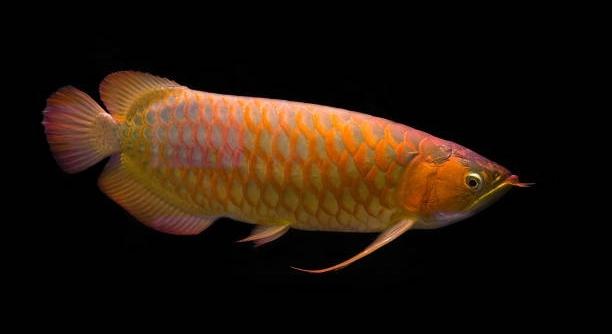
Are your arowanas showing signs of stress but slowly returning to normal behavior? Observing subtle changes in their swimming patterns, appetite, and coloration can provide important clues about their recovery. Caring for a stressed fish requires patience.
Recovery in arowanas can be identified through improved feeding behavior, regular swimming patterns, restored coloration, reduced hiding, calmer interactions with tank mates, normalized respiration, and consistent responsiveness to environmental stimuli. Monitoring these indicators ensures accurate assessment of stress recovery.
Recognizing these changes early helps maintain your arowana’s overall health and creates a more stable, stress-free environment for its continued growth.
Changes in Appetite
When an arowana begins to recover from stress, one of the first noticeable changes is in its appetite. A stressed fish often refuses food or eats very little, hiding from feeding times and showing disinterest. As recovery progresses, your arowana will start approaching the food more eagerly, nibbling at its usual portions, and eventually returning to a normal feeding pattern. This shift indicates that the fish is regaining comfort in its environment and its digestive system is functioning properly. Paying attention to these subtle signs helps track improvement over time. Feeding should still be gentle and consistent, avoiding sudden changes in diet that could trigger new stress. Observing eating patterns also offers insight into its overall health, including energy levels and metabolic function. Maintaining clean water and a stable tank temperature supports this recovery, ensuring the arowana can safely rebuild its strength. A patient approach during feeding encourages trust and gradual normalization of behavior.
This renewed appetite reflects an important step in regaining normal routines and indicates the fish feels safer.
Monitoring appetite consistently allows adjustments to feeding schedules, ensuring the arowana receives adequate nutrition without overfeeding, which could cause further stress or health issues.
Normalized Swimming Patterns
Improved swimming patterns are another key sign that an arowana is recovering from stress. Stressed fish often remain in corners, hover near the bottom, or move erratically. As the fish calms, its movements become more deliberate and fluid, covering the tank with steady strokes. It may explore new areas or return to previous favorite spots. Swimming along the water column without hesitation or sudden jerks demonstrates comfort and confidence in the environment. This behavioral shift also reflects a reduction in anxiety levels and indicates the fish is regaining energy. Observing these changes daily helps you notice improvements and anticipate any setbacks.
Consistent, calm swimming shows that stress is easing and the fish is returning to normal behavior patterns.
Paying close attention to swimming patterns provides valuable feedback for care routines. Arowanas need enough space and clean water to swim freely, and irregular movements often indicate lingering discomfort or water quality issues. Providing a balanced diet alongside stable lighting, filtration, and temperature encourages continued improvement. Noticing subtle changes, like longer periods of active swimming or exploring previously avoided corners, reassures that the recovery is progressing. Swimming patterns also reflect social comfort if other fish are present, with calmer interactions and less defensive posturing. Maintaining consistency in tank maintenance and environment supports these positive behaviors, allowing the fish to regain full vitality over time. Tracking movement habits daily provides a practical way to assess recovery without intrusive handling, ensuring the arowana adjusts naturally at its own pace.
Restored Coloration
Arowanas recovering from stress often regain their vibrant colors. Dull or faded scales gradually brighten, reflecting improved health and reduced anxiety. This change signals that the fish is adapting well to its environment and regaining strength.
Color restoration happens gradually as the fish’s metabolism stabilizes. Stress often suppresses pigmentation, leaving scales pale or washed out. As conditions improve, including water quality and consistent feeding, the natural hues begin to return. Bright scales indicate that the fish is no longer expending energy on stress responses and can focus on normal growth and maintenance. Watching this transformation is rewarding, showing clear visual evidence of recovery, and it reassures that previous issues are being resolved. Careful observation allows you to notice even small improvements.
Maintaining stable tank conditions and minimizing disturbances accelerates the return of natural coloration. Avoid sudden changes in lighting or decorations, as the fish remains sensitive during recovery. Consistent feeding with high-quality food supports pigmentation, while clean, properly filtered water prevents setbacks. Over time, these measures ensure the arowana’s colors remain vivid and consistent, reflecting overall well-being. Observing daily changes reinforces patience and attentiveness in care.
Reduced Hiding
Arowanas under stress often seek secluded spots and avoid open areas. Reduced hiding is a key sign that the fish feels more secure and confident in its tank.
As the fish regains comfort, it begins to spend more time swimming in visible areas rather than retreating to corners or behind decorations. This behavioral change reflects a lowered stress level and an increased willingness to engage with its surroundings. Reduced hiding indicates that the fish trusts the environment and that recovery is progressing. Continuous observation helps ensure the behavior remains stable and that any setbacks are quickly noticed.
Supporting this improvement requires consistent tank maintenance and minimizing disturbances, such as sudden movements or loud noises. Providing ample space and maintaining familiar décor helps the arowana feel safe while exploring. Gradual introduction of any changes, like new tank mates or decorations, prevents stress from returning. Tracking these patterns over time offers insight into the fish’s mental state and reinforces a routine that promotes long-term stability and comfort.
Calmer Interactions With Tank Mates
Arowanas that are recovering show less aggression toward other fish. They swim alongside tank mates without constant chasing or defensive posturing. This behavior signals increased comfort and reduced stress in their environment.
Friendly interactions indicate that the fish feels secure. Less territorial behavior means it can focus on normal activities rather than defending space, which is a positive sign of recovery.
Normalized Respiration
Breathing patterns return to normal as stress decreases. Rapid gill movement slows, and the arowana no longer appears gasping or uneasy. Stable respiration reflects improved water quality and reduced anxiety. Consistent monitoring ensures the fish maintains healthy oxygen levels and avoids secondary stress from poor conditions.
Consistent Responsiveness
Arowanas gradually respond reliably to environmental stimuli, including feeding cues and movement around the tank. This regained alertness shows that the fish is fully regaining its awareness and energy, indicating a positive recovery trajectory.
FAQ
How long does it take for an arowana to recover from stress?
Recovery time varies depending on the severity of stress and the environment. Mild stress can improve within a few days, while prolonged or repeated stress may take weeks. Consistent care, stable water conditions, and proper feeding accelerate recovery. Patience is key, as rushing the process can cause setbacks.
What are the most common signs that stress is decreasing?
Signs include increased appetite, smoother swimming patterns, brighter coloration, reduced hiding, calmer interactions with tank mates, normal breathing, and responsiveness to environmental cues. Observing these changes regularly provides reassurance that the fish is returning to normal behavior.
Can changes in water conditions impact recovery?
Yes, water quality is crucial. Fluctuations in temperature, pH, or ammonia levels can prolong stress. Maintaining clean, filtered water at stable temperatures supports recovery. Regular testing ensures optimal conditions, preventing additional stress that could reverse progress.
Should I adjust feeding during recovery?
Feeding should be consistent but gentle. Offer smaller, frequent meals rather than large portions. Avoid sudden diet changes, as these can trigger stress. High-quality, nutritious food helps restore energy levels and supports coloration, growth, and overall health.
Is it normal for the arowana to hide occasionally during recovery?
Yes, occasional hiding is natural. Recovery does not happen instantly, and some days the fish may retreat briefly. Continuous hiding, however, may indicate lingering stress or environmental issues. Observing patterns over time helps differentiate normal behavior from potential problems.
How can I reduce stress triggers in the tank?
Minimize sudden movements, loud noises, and frequent tank rearrangements. Ensure adequate space and proper tank mates to avoid aggression. Consistent lighting, stable water conditions, and a predictable routine create a sense of security that supports recovery.
Do stress symptoms affect long-term health?
Prolonged stress can weaken the immune system, slow growth, and make fish more prone to disease. Early detection and consistent care prevent long-term damage and allow the arowana to regain vitality and normal behavior.
Is monitoring behavior better than frequent handling?
Yes, watching the fish without handling is safer. Frequent handling adds stress and may slow recovery. Observing swimming patterns, feeding, and interactions allows assessment while keeping the fish comfortable.
Can tank mates influence recovery?
Yes, aggressive or overly active tank mates can hinder recovery. Introducing peaceful companions and monitoring interactions ensures the recovering arowana feels safe and avoids further stress.
How often should I check the water parameters?
Daily or every few days is recommended during recovery. Frequent checks for temperature, pH, ammonia, nitrite, and nitrate help prevent conditions that could trigger stress again. Keeping records allows tracking of trends and timely adjustments.
Are there signs that indicate the recovery is complete?
Consistent appetite, smooth swimming, bright coloration, reduced hiding, calm behavior with other fish, and normal respiration suggest full recovery. The fish becomes alert yet relaxed, demonstrating resilience and stability in its environment.
Can stress reoccur after recovery?
Yes, new stressors like poor water quality, aggressive tank mates, or sudden environmental changes can trigger stress again. Maintaining a stable, predictable environment and monitoring the fish regularly helps prevent relapses.
Is it necessary to consult a veterinarian if stress persists?
If stress signs continue despite stable conditions, consulting an aquatic veterinarian is recommended. Persistent stress may indicate illness, parasites, or environmental problems that require professional assessment and treatment.
How can I make the tank more comfortable for a recovering arowana?
Provide sufficient space, hiding spots, and consistent water conditions. Avoid overcrowding, loud disturbances, and rapid changes in lighting or decorations. A calm, predictable environment allows the fish to regain confidence and resume natural behaviors efficiently.
What role does lighting play in recovery?
Stable lighting supports regular activity and reduces stress. Sudden changes in brightness or long periods of darkness can cause anxiety. Gradual, consistent lighting routines help regulate behavior, feeding, and overall health.
How do I know if the fish is regaining energy?
Increased activity, exploration of the tank, participation in feeding, and smooth swimming are clear indicators. Energy returns gradually, and consistent observation confirms the recovery process is progressing without setbacks.
Can temperature fluctuations affect recovery speed?
Yes, sudden increases or drops in water temperature can prolong stress. Maintaining a stable temperature within the species’ preferred range supports metabolism, immunity, and overall recovery. Gradual adjustments are safer than abrupt changes.
Is it normal for coloration to return slowly?
Yes, colors often return gradually as stress diminishes. Brightening scales reflect improved health and proper nutrition. Sudden changes in diet or water conditions may delay this process, so consistency is important.
Are there supplements that can aid recovery?
High-quality, nutrient-rich foods support recovery, but avoid over-supplementing. Natural diets and stable water conditions are generally more effective than relying solely on additives. Supplements should be used cautiously and based on observed deficiencies.
How can I track long-term improvements?
Maintain a log of feeding behavior, swimming patterns, coloration, and interactions. Recording water parameters alongside observations helps identify trends, ensures consistency, and allows early detection of any setbacks during the recovery process.
Is stress recovery similar for all arowana species?
While basic signs are similar, some species may show subtle differences in behavior or coloration changes. Understanding the specific species’ habits and needs ensures more accurate observation and care.
How much space does a recovering arowana need?
Sufficient swimming space reduces stress and encourages normal movement. Overcrowding slows recovery and can cause aggression. Ensuring an appropriately sized tank is essential for health and well-being.
What should I do if the fish refuses food for more than a few days?
Persistent refusal may indicate illness or lingering stress. Check water quality, temperature, and tank conditions. If problems persist, consult a veterinarian experienced with ornamental fish for proper diagnosis and treatment.
Can stress affect the immune system permanently?
Extended stress weakens immunity temporarily, making fish more prone to infection. Prompt attention and consistent care restore strength, though repeated or extreme stress may have longer-lasting effects. Observing behavior and maintaining optimal conditions prevent complications.
How do I know if hiding is normal or concerning?
Short retreats are normal during recovery. Continuous, prolonged hiding, especially coupled with poor appetite or erratic swimming, signals possible ongoing stress or environmental issues requiring attention. Observation over time provides clarity.
Is daily observation necessary?
Yes, frequent monitoring helps detect small changes early. Observing feeding, swimming, coloration, and behavior daily ensures timely adjustments and supports a smoother recovery process.
How do I prevent stress in the future?
Maintain stable water parameters, consistent feeding, appropriate tank mates, and minimal disturbances. Gradual adjustments to environment or tank conditions help prevent future episodes of stress. Regular monitoring ensures continued well-being and reduces risk of recurrence.
Are there behavioral cues that indicate readiness for tank changes?
Calm swimming, steady appetite, normal coloration, and interaction with tank mates suggest the arowana can tolerate mild adjustments. Avoid major changes until these behaviors are consistently observed over several days.
Final Thoughts
Caring for a stressed arowana requires patience, attention, and consistency. Recovery does not happen overnight, and small, gradual changes in behavior often indicate significant progress. Observing the fish closely allows you to notice improvements in appetite, swimming patterns, coloration, and interactions with tank mates. Each of these signs reflects the fish’s ability to adapt to its environment and regain normal routines. Maintaining a stable and calm environment is essential throughout this period. Sudden changes in water temperature, pH, or tank setup can reverse progress and cause new stress. By providing a predictable routine, clean water, and a suitable diet, you support the arowana’s natural healing process.
It is important to recognize that stress manifests in multiple ways, and recovery can vary between individual fish. Some arowanas may bounce back quickly, while others require several weeks to fully regain normal behavior. Signs like consistent swimming, normal feeding, reduced hiding, and brightening coloration serve as reliable indicators of progress. Monitoring these behaviors daily helps you understand your fish’s comfort level and anticipate potential setbacks. Avoid handling the fish unnecessarily, as this can increase anxiety and delay recovery. Paying attention to both physical and behavioral cues ensures that the fish remains healthy while allowing you to make informed adjustments to care routines when needed.
Supporting a recovering arowana extends beyond simply observing its behavior. Water quality, tank space, and proper feeding play significant roles in recovery. Ensuring the tank is spacious, well-filtered, and free from aggressive tank mates creates an environment conducive to healing. Gradual adjustments in lighting, decorations, or new tank additions prevent unnecessary stress. A consistent feeding schedule with high-quality food helps restore energy and maintain health. By combining careful observation with stable environmental conditions, you create a safe space where the arowana can regain strength, confidence, and vitality. Over time, these efforts not only allow the fish to recover from stress but also promote long-term well-being, resilience, and a healthier, more active life in its aquatic habitat.

Hello,
If you enjoy the content that we create, please consider saying a "Thank You!" by leaving a tip.
Every little bit helps us continue crafting quality advice that supports the health, happiness, and well-being of pets around the world, for pets of all shapes, sizes, and species.
We really appreciate the kindness and support that you show us!