
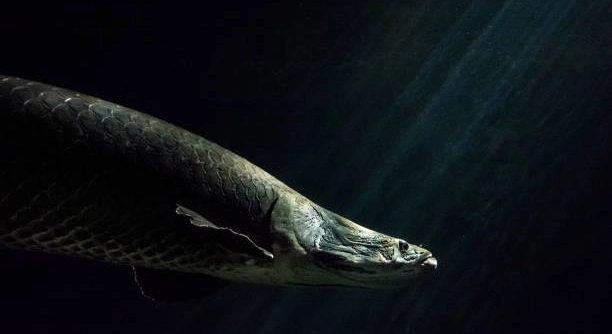
Arowanas are fascinating fish known for their graceful movements and striking appearance. Many hobbyists observe their behavior closely, noticing subtle changes in swimming patterns and activity levels within their tanks. These shifts often signal something in the environment.
Arowanas possess heightened sensitivity to changes in air pressure and vibrations, allowing them to detect approaching storms. This ability is linked to their lateral line system, which senses water movement, and their acute responsiveness to environmental fluctuations.
Observing these behaviors can help you better understand your arowana’s natural instincts and responses in its aquatic environment.
How Arowanas React Before a Storm
Arowanas often show noticeable changes before a storm approaches. They may swim closer to the surface, pause mid-water, or stay near tank corners. These behaviors are linked to fluctuations in barometric pressure, which their sensitive lateral line system can detect. Many aquarists observe increased activity or restlessness in their arowanas when storms are imminent. Some arowanas may even stop feeding temporarily or change their usual swimming patterns. These reactions are natural survival instincts, helping them prepare for environmental changes. Water vibrations from wind or distant thunder can also influence their movement, making them appear more alert. Observing these signs regularly allows owners to anticipate storms and adjust tank care accordingly, such as checking water quality and ensuring the filter is functioning properly. Understanding these behaviors helps maintain arowanas’ health while respecting their natural responses to environmental stimuli.
Being aware of these signs makes caring for arowanas more proactive and ensures their environment stays stable during storms.
Watching these reactions gives insight into how arowanas sense subtle changes, revealing their adaptability and keen environmental awareness.
Preparing the Tank for Changing Weather
Storms can impact water conditions, making preparation essential for arowanas.
Before a storm, water levels and temperatures may fluctuate slightly due to pressure changes and cooler winds. Arowanas are sensitive to these shifts, so checking the filter, heater, and aeration system ensures stable conditions. Reducing sudden movements near the tank and avoiding frequent feeding during these times can reduce stress. Ensuring the tank lid is secure prevents fish from jumping or injuring themselves. Monitoring water quality, including pH and ammonia levels, helps maintain a safe environment.
Regular observation and minor adjustments protect arowanas from stress caused by storms. By keeping conditions stable, owners help maintain their fish’s health and prevent erratic behavior. Preparing the tank in advance minimizes potential risks and supports the arowana’s natural responses. Understanding how pressure and vibrations affect behavior allows owners to anticipate changes, creating a more comfortable habitat. Arowanas thrive when their environment is predictable, so careful attention during stormy weather is key. Adapting feeding schedules and limiting disturbances ensures they remain calm and healthy. These small steps make a significant difference in managing their well-being during unpredictable weather.
Signs of Stress in Arowanas
Arowanas under stress from storms may show erratic swimming, reduced appetite, or hiding more than usual. These signs indicate their sensitivity to environmental changes, and noticing them early can help prevent long-term health issues in the tank.
Stress can make arowanas more prone to disease. Their immune system weakens when exposed to sudden water changes, temperature fluctuations, or pressure shifts. You might notice frayed fins, pale coloration, or unusual inactivity. Paying attention to these signs allows timely intervention, such as adjusting water temperature or improving aeration. Keeping a calm environment minimizes further stress and supports recovery.
Environmental stress can also affect behavior over time. Persistent disturbances may lead to aggression toward tankmates or repeated hiding. Maintaining consistent feeding schedules, monitoring water quality, and reducing sudden noises around the tank help arowanas regain a sense of stability. Observing and understanding their stress signals ensures a healthier, calmer fish.
Natural Instincts and Survival Responses
Arowanas instinctively respond to storms by becoming more alert and cautious.
These fish rely on their lateral line system to detect vibrations and pressure changes in water. When a storm approaches, they may swim closer to the surface or remain near tank corners. This behavior is an instinctual survival response, reducing exposure to sudden environmental threats. Even in a home aquarium, these natural instincts are evident and important for their overall well-being.
Understanding these responses allows better care and observation. By noticing slight changes in swimming patterns or appetite, owners can adjust the environment to reduce stress. Providing stable water conditions, consistent temperature, and minimal disturbances ensures arowanas remain healthy. Respecting their natural instincts supports both physical health and emotional stability, highlighting the importance of attentive care during storms or sudden weather changes. Observing these responses strengthens the bond between owner and fish while keeping their habitat safe and predictable.
Timing of Behavioral Changes
Arowanas often change behavior hours before a storm. These shifts include slower swimming, pausing mid-water, or seeking shelter near tank corners. Observing these changes regularly helps anticipate environmental disturbances and ensures their safety.
Their responses are linked to barometric pressure fluctuations. Even subtle changes can trigger increased alertness, reduced feeding, and cautious movement. Monitoring these patterns provides insight into their natural instincts and prepares owners to maintain stable tank conditions.
Water Conditions During Storms
Storms can slightly alter water temperature, oxygen levels, and pH. Arowanas are sensitive to these changes, making it important to monitor the tank closely. Ensuring proper aeration and stable temperature prevents stress, while regular water checks maintain a healthy environment.
Reducing Stress for Arowanas
Minimizing sudden noises and disturbances helps arowanas remain calm. Maintaining a consistent feeding schedule and stable water conditions reduces stress during storms.
FAQ
Can arowanas really sense a storm coming?
Yes, arowanas have a highly sensitive lateral line system that detects vibrations and pressure changes in water. This allows them to pick up subtle environmental changes associated with approaching storms. Their heightened awareness helps them adjust behavior, often swimming cautiously or seeking shelter in tank corners.
What behaviors indicate a storm is near?
Before storms, arowanas may swim slower, pause mid-water, or hover near the tank surface. Some reduce feeding or become more restless, moving around the tank more than usual. Hiding behind decorations or staying near the corners are also common signs. Monitoring these behaviors can help predict environmental changes.
Why do arowanas stop eating during storms?
Reduced appetite is a natural stress response. Sudden changes in pressure, vibrations, or water movement make them cautious. Feeding during this time can cause stress, so it’s better to wait until the storm passes and the tank stabilizes.
How can I reduce stress in my arowana during a storm?
Maintaining stable water temperature and proper aeration is key. Minimizing noise and sudden movements near the tank reduces anxiety. Keeping a consistent feeding schedule and checking water quality ensures they remain calm and healthy. Small adjustments can make a significant difference.
Are arowanas more active or less active before a storm?
Both behaviors are possible. Some arowanas become restless, swimming erratically, while others pause and stay in one spot. The specific reaction depends on the individual fish’s temperament, age, and previous exposure to environmental changes. Observing your fish over time helps recognize personal patterns.
Do arowanas need any special care during storms?
Special care mainly involves monitoring water conditions and stability. Ensure the tank lid is secure, aeration is sufficient, and heaters or filters are functioning properly. Avoid overfeeding or handling the fish during storms. Simple precautions support their natural instincts and prevent injuries or stress.
How long do these behavioral changes last?
Changes usually last only as long as environmental conditions fluctuate. Once the storm passes and pressure stabilizes, arowanas generally return to normal swimming, feeding, and resting behaviors. Consistency in tank care helps them recover quickly.
Can these storm responses indicate health problems?
Occasionally, erratic behavior may resemble illness, such as fin damage or lethargy. Monitoring water quality and observing for other symptoms helps distinguish stress from potential health issues. Prompt adjustments and attention ensure overall well-being.
Do arowanas in larger tanks react differently than those in smaller tanks?
Larger tanks provide more space and hiding spots, which can reduce stress. However, the sensitivity to vibrations and pressure changes remains the same. Smaller tanks may show more noticeable behavior changes due to limited space and closer proximity to disturbances.
Is it safe to feed arowanas during a storm?
It is best to avoid feeding until the environment stabilizes. Stress from pressure changes and movement can cause digestion issues or further agitation. Waiting ensures the fish remain calm and supports overall health during unstable conditions.
Can observing these behaviors improve care long-term?
Yes, tracking responses to storms helps anticipate needs and maintain a stable environment. Understanding their natural instincts allows proactive adjustments in water quality, temperature, and tank setup, leading to healthier, calmer arowanas over time.
Do all arowanas respond the same way to storms?
No, individual temperament affects reactions. Some may become extremely alert, while others hide or reduce movement. Recognizing your fish’s unique patterns allows tailored care, ensuring stress is minimized and their natural behavior is respected.
Are there any tools to help monitor storm effects on arowanas?
Barometers, water thermometers, and pH testers can track subtle environmental changes. These tools help maintain stable tank conditions and anticipate behavioral responses, supporting the fish’s well-being during weather fluctuations.
Should tank placement consider storm sensitivity?
Placing the tank away from windows, drafts, or areas with frequent vibrations can reduce stress. Consistent lighting and minimal disturbances enhance stability, allowing arowanas to feel secure and respond naturally to environmental changes without added stress.
Do arowanas communicate stress to other fish?
While arowanas may display stress behaviors like rapid movement or hiding, they do not communicate stress directly. However, sudden movements or territorial behavior may influence other fish in the same tank, so observing the entire aquarium is important.
How can I tell if behavior changes are temporary or serious?
Temporary changes are usually short-lived and coincide with environmental shifts. Persistent erratic movement, lack of appetite, or physical symptoms over several days may indicate health problems. Regular observation and maintaining water quality help differentiate between stress and illness.
Can arowanas sense storms from far away?
They respond primarily to local pressure changes and water vibrations. While they cannot detect distant storms like a weather system far away, approaching storms affecting local pressure and vibrations trigger their behavioral responses.
Does tank size affect storm sensitivity?
Tank size impacts visibility of behavior but not sensitivity. Even in large tanks, arowanas respond to pressure changes and vibrations. However, more space can allow calmer coping strategies, such as seeking shelter or swimming away from disturbances.
Are younger arowanas more reactive than older ones?
Juvenile arowanas may show more pronounced reactions due to inexperience and higher energy levels. Older arowanas often display more controlled responses, though sensitivity to environmental changes remains throughout life. Observing age-specific patterns helps adjust care effectively.
Can repeated exposure to storms make arowanas less sensitive?
Some acclimation may occur, reducing extreme reactions over time. However, innate sensitivity to pressure and vibration remains, and sudden environmental shifts can still trigger noticeable behavioral changes. Consistent care and stable tank conditions remain essential.
Do arowanas ever ignore environmental cues from storms?
Occasionally, an arowana may appear less responsive, especially if accustomed to minor disturbances or stable indoor conditions. Even then, subtle changes in swimming patterns or positioning usually indicate ongoing awareness, showing that instincts remain intact despite familiarity.
What are the best practices for long-term storm preparedness in a tank?
Maintain stable water temperature, quality, and aeration. Observe fish for early behavioral changes and minimize disturbances. Secure lids, avoid overfeeding, and monitor environmental shifts. Consistency and proactive adjustments support the arowana’s natural responses and ensure ongoing health during changing weather.
How does monitoring behavior help in everyday care?
Tracking patterns before, during, and after storms allows owners to fine-tune feeding schedules, aeration, and tank stability. This attention enhances health, reduces stress, and provides insight into each arowana’s natural instincts, improving care and promoting a calm, secure environment.
Can storm-induced stress affect breeding?
Yes, prolonged stress can reduce appetite and energy, impacting reproductive behaviors. Maintaining calm and stable conditions during storms helps ensure arowanas remain healthy and capable of normal breeding behaviors when environmental conditions are optimal.
How can I balance observation without overhandling?
Simply watching behavior and noting changes is enough. Avoid frequent tapping on the glass or moving the tank. Observing quietly respects their instincts while allowing owners to respond appropriately to environmental shifts, keeping stress minimal.
Do arowanas show long-term behavioral changes after repeated storms?
Repeated exposure may make some fish slightly more cautious or alert, but their core instincts remain. Maintaining consistent care and reducing disturbances ensures these adaptations are healthy rather than harmful, supporting well-being over time.
Are there any signs that indicate immediate intervention is needed?
Severe erratic swimming, rapid color changes, or difficulty maintaining balance may require checking water parameters, temperature, and oxygen levels immediately. Early intervention prevents potential health issues and ensures the arowana’s safety during environmental changes.
Can tank decorations influence storm-related stress?
Yes, providing hiding spots, plants, or gentle barriers allows arowanas to cope with stress. Proper decoration reduces exposure to perceived threats and gives fish control over their environment, supporting calmer responses during pressure fluctuations.
How often should water parameters be checked during stormy weather?
Daily checks during active storms or periods of unstable weather help maintain stability. Monitoring temperature, pH, and ammonia levels ensures rapid response to changes, preventing stress and keeping arowanas healthy.
Is it normal for arowanas to become territorial during storms?
Heightened alertness can increase territorial behavior. They may chase tankmates or guard areas they perceive as safe. Recognizing this as a natural response helps manage interactions and maintain harmony in multi-fish tanks.
Do indoor and outdoor tanks differ in storm responses?
Indoor tanks experience pressure and vibration changes but are less exposed to wind or rain. Outdoor tanks may show more noticeable activity due to direct environmental influences. Understanding these differences helps tailor care for each setup.
Can using automated feeders or aerators reduce stress?
Yes, maintaining consistent feeding and oxygenation helps stabilize the tank environment. Automated systems ensure routine is not disrupted, reducing stress during environmental fluctuations caused by storms.
Are there natural ways to calm arowanas during storms?
Maintaining gentle water flow, providing hiding spots, and minimizing external vibrations help calm fish. Avoid sudden bright lights or loud noises. These subtle adjustments allow arowanas to rely on instincts without added stress.
How long after a storm do arowanas return to normal behavior?
Most fish return to typical swimming, feeding, and resting patterns within hours to a day, depending on storm severity. Stable conditions and minimal disturbances accelerate recovery, allowing them to resume normal routines safely.
Do all fish in the tank respond the same way as arowanas?
Responses vary by species. Some are more sensitive to pressure and vibrations, while others remain unaffected. Observing the tank as a whole helps ensure all fish remain healthy and stress-free during storms.
Can repeated observation improve care skills?
Yes, noting responses before, during, and after storms provides insight into each arowana’s unique behavior. This knowledge allows proactive adjustments, better environment management, and long-term health support.
Are there signs of permanent stress from frequent storms?
Persistent lethargy, continuous hiding, or loss of appetite over weeks may indicate long-term stress. Maintaining stable conditions and minimizing disturbances reduces the risk of chronic stress, ensuring healthier, calmer arowanas over time.
How can I track changes effectively?
Keeping a simple log of swimming patterns, feeding habits, and sheltering behavior helps identify trends. Documenting before, during, and after storms allows for quick interventions and ensures that your arowanas remain safe and comfortable.
Can adjusting tank lighting help during storms?
Soft, consistent lighting reduces stress by minimizing sudden changes in the environment. Avoid bright flashes or intense light during storms. Stable lighting allows arowanas to focus on natural behaviors and maintain calm.
Do arowanas ever overreact to minor environmental changes?
Yes, they may respond strongly to small vibrations or slight pressure shifts. Observing patterns over time helps distinguish minor reactions from significant stress, allowing appropriate adjustments without unnecessary intervention.
Are there preventative measures for storm-related stress?
Maintaining consistent water quality, secure tank placement, adequate hiding spots, and stable lighting are key. Preparing equipment, monitoring environmental conditions, and observing fish regularly help prevent unnecessary stress from storms.
Do behavioral patterns differ between male and female arowanas?
Generally, both sexes respond similarly to storms. Slight differences may occur due to individual temperament or reproductive behaviors, but sensitivity to pressure and vibrations is consistent across genders.
How important is consistency in daily care for storm sensitivity?
Very important. Predictable feeding, water maintenance, and minimal disturbances support the arowana’s ability to cope with environmental changes. Consistency reduces stress and strengthens natural behavioral responses, enhancing overall health and well-being.
What are common mistakes owners make during storms?
Overhandling, frequent feeding, and unnecessary movement near the tank can increase stress. Ignoring water parameter changes or leaving the lid unsecured can also lead to accidents or illness. Awareness and calm, proactive care are essential.
Can storm reactions affect growth or development?
Chronic stress may impact metabolism, appetite, and energy, potentially affecting growth. Stable tank conditions, proper feeding, and minimal disturbances help maintain healthy development even during frequent environmental changes.
Is it safe to introduce new fish before a storm?
No, introducing new fish during unstable weather can increase stress and aggression. Wait until conditions are stable and arowanas are calm to reduce risks and ensure a smoother adjustment for new tankmates.
How do I balance observation with giving the fish space?
Quietly watching from a distance is best. Avoid tapping, sudden movements, or loud noises. Respecting their space allows natural behaviors to continue while ensuring owners notice early signs of stress or environmental changes.
Do arowanas recover fully after stressful storms?
Yes, if water quality and tank conditions are stable, most arowanas quickly return to normal behavior. Maintaining consistency in care and minimizing disturbances accelerates recovery and ensures ongoing health and calm behavior.
Are there differences in storm sensitivity between young and mature arowanas?
Younger arowanas may show more erratic movement and higher stress levels. Mature fish often respond with more controlled behaviors. Monitoring age-specific reactions helps tailor care and minimize stress for both juveniles and adults.
Can storm preparation improve overall fish health?
Absolutely. By maintaining stable water, monitoring behavior, and reducing disturbances, owners create a secure environment that supports the arowana’s natural instincts, reduces stress, and promotes long-term health.
Do arowanas ever ignore environmental changes entirely?
Rarely. Even when fish appear calm, subtle shifts in position, swimming patterns, or feeding behavior often indicate awareness. Careful observation ensures these cues are recognized and addressed promptly.
How can documenting behaviors help with future storms?
Recording patterns allows owners to predict reactions and adjust tank conditions in advance. This proactive approach minimizes stress and ensures arowanas remain healthy and calm during repeated environmental fluctuations.
Are there tools to simulate stable conditions during storms?
Heaters, aerators, and automated feeders help maintain consistent temperature, oxygen levels, and feeding schedules. Using these tools reduces stress and mimics stable conditions, allowing arowanas to cope better during storms.
Do water flow and tank setup affect storm sensitivity?
Yes, gentle flow and adequate hiding spots reduce stress. A well-planned setup allows arowanas to seek shelter or move calmly, mitigating the effects of pressure changes and vibrations associated with storms.
Can repeated storms affect social behavior in a tank?
Yes, some arowanas may become more territorial or aggressive. Monitoring interactions and ensuring adequate space prevents conflict and supports harmony among tankmates during and after storms.
Is it necessary to change tank water after a storm?
Only if parameters are affected. Checking temperature, pH, and ammonia levels helps determine if partial water changes are needed. Maintaining stable water quality supports recovery and minimizes stress post-storm.
Can environmental enrichment reduce storm stress?
Providing plants, decorations, and safe hiding spots allows arowanas to feel secure. Enrichment helps them cope with natural stressors and supports healthier, more natural behavior in the tank.
Do arowanas exhibit long-term memory of stressful events?
They can remember environmental changes that caused stress. Repeated exposure may make them cautious, but consistent care and stable conditions help prevent anxiety from becoming chronic.
How can I tell if my arowana is stressed or sick?
Stress often shows as temporary behavior changes like hiding or reduced feeding. Signs of illness include frayed fins, rapid color changes, or persistent lethargy. Monitoring both behavior and physical health ensures timely interventions.
Can stress from storms impact lifespan?
Chronic, unmanaged stress can negatively affect health over time. Providing stable water, proper nutrition, and minimal disturbances helps arowanas remain healthy and reduces risks associated with long-term stress.
Is it normal for arowanas to sleep differently during storms?
Yes, they may rest in unusual positions or locations to feel safe. Observing these adjustments helps understand natural responses and ensures tank conditions support comfort during environmental changes.
Do all arowanas react similarly to sudden weather changes?
Individual temperament and previous exposure to environmental shifts influence reactions. Some respond strongly, while others remain calm. Recognizing personal patterns helps tailor care and reduce stress effectively.
Can using dim lighting or covers calm arowanas?
Yes, soft lighting or partial covers can reduce perceived threats. This creates a sense of security, allowing natural behaviors without adding stress during pressure changes or vibrations.
How important is maintaining water temperature stability?
Very important. Sudden temperature changes increase stress and affect metabolism. Heaters and thermometers ensure stable conditions, reducing behavioral disruptions during storms.
Do arowanas respond to changes in barometric pressure only?
Primarily, yes. Their lateral line system detects water movement and pressure changes, making them highly responsive to environmental fluctuations like approaching storms. Other cues, like vibrations, also trigger behavioral changes.
Can I train arowanas to cope better with storms?
Indirectly, yes. Consistent care, stable conditions, and minimal disturbances teach them predictable routines, reducing stress responses during environmental changes. This doesn’t alter instincts but supports calmer behavior.
Are juvenile arowanas more likely to overreact to minor storms?
Yes, juveniles are more reactive due to higher energy levels and inexperience. Observing patterns and providing safe hiding spaces helps them adapt without prolonged stress.
Do arowanas need extra oxygen during storms?
Additional aeration can help if water movement or temperature drops reduce oxygen levels. Ensuring proper aeration supports calm swimming and overall health during environmental changes.
Can stress from storms affect coloration?
Yes, temporary stress can cause paler coloration or dulling of patterns. Once conditions stabilize, colors usually return to normal, reflecting recovery from environmental stress.
How often should I monitor water during stormy weather?
Daily checks of temperature, pH, and ammonia levels are recommended. Frequent monitoring ensures quick response to fluctuations, maintaining stable conditions and reducing stress.
Does tank location influence storm responses?
Yes, tanks away from windows, drafts, or high-traffic areas reduce stress. Stable lighting and minimal vibrations help arowanas feel secure and respond naturally to environmental changes.
Can frequent storm exposure impact feeding behavior long-term?
Yes, repeated stress may temporarily reduce appetite. Maintaining consistent feeding schedules and stable water conditions supports recovery and ensures proper nutrition.
Are arowanas more sensitive to indoor storms than outdoor ones?
They respond primarily to local pressure changes and vibrations, whether indoors or outdoors. Indoor tanks may show subtler signs, but sensitivity remains, requiring attention to maintain stable conditions.
Do repeated stress episodes affect social hierarchy in the tank?
Heightened alertness can temporarily alter interactions, increasing territorial behavior. Observing and ensuring sufficient space minimizes conflicts and maintains a balanced social environment during repeated environmental changes.
How can I make my tank safer during storms?
Secure lids, stable water parameters, gentle flow, hiding spots, and minimal disturbances provide a safe environment. Preparedness reduces stress and supports natural behaviors in arowanas during unpredictable weather.
**Is it normal for arowanas to become more alert even after the storm ends?
Arowanas are remarkable fish with a natural ability to sense changes in their environment. Their sensitivity to pressure, vibrations, and water movement allows them to respond to approaching storms in ways that may seem unusual to observers. Swimming patterns, feeding habits, and resting behaviors can all shift when storms are near. These changes are instinctive, helping the fish navigate potential threats in the wild and maintain safety in a home aquarium. Observing these subtle signs provides insight into the arowana’s natural behavior and shows how closely they are attuned to their surroundings. Paying attention to these behaviors over time allows owners to understand each fish’s unique responses and personality, making it easier to provide a stable and supportive environment.
Maintaining arowanas during storms requires careful attention to tank conditions and a proactive approach. Water quality, temperature, and aeration must remain consistent to reduce stress and ensure overall health. Small adjustments, such as adding hiding spots or minimizing disturbances around the tank, can significantly affect how calm and comfortable arowanas feel during environmental changes. Feeding schedules should remain predictable, but overfeeding or introducing new food during a storm may increase stress. Even routine maintenance, like checking filters and heaters, becomes especially important when the weather is unstable. By creating a stable and predictable environment, owners allow arowanas to rely on their natural instincts without additional pressure from fluctuating conditions.
Observing and responding to arowanas’ behavior during storms is not only about preventing stress but also about fostering long-term well-being. Consistent care, attention to subtle signals, and understanding their instincts help ensure that these fish remain healthy, active, and comfortable in their tanks. Over time, this awareness strengthens the bond between owner and fish, as it becomes clear how sensitive and adaptable arowanas are. Even minor changes in swimming, feeding, or resting behavior provide valuable clues about how the fish perceive their environment. By respecting these natural responses and providing a stable habitat, owners support the arowanas’ physical and emotional health. Awareness, preparation, and careful observation make it possible to maintain a thriving aquarium where arowanas can display their natural beauty and behaviors safely, regardless of the weather outside.

Hello,
If you enjoy the content that we create, please consider saying a "Thank You!" by leaving a tip.
Every little bit helps us continue crafting quality advice that supports the health, happiness, and well-being of pets around the world, for pets of all shapes, sizes, and species.
We really appreciate the kindness and support that you show us!