
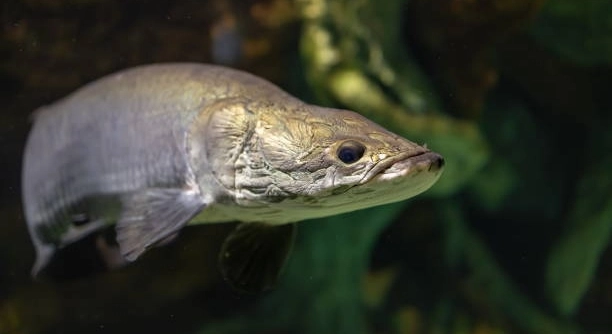
Are your arowanas showing less energy during feeding times, leaving you unsure about the best way to keep them healthy? Many fish owners struggle with creating a consistent routine that meets the nutritional needs of these majestic creatures.
Establishing effective feeding routines for arowanas requires understanding their natural behavior, dietary requirements, and tank environment. Providing balanced meals at regular intervals while monitoring portion sizes ensures optimal growth, health, and overall well-being for these delicate freshwater fish.
Maintaining a proper feeding schedule will help your arowanas thrive while reducing stress and promoting long-term vitality in their aquatic home.
Morning Feeding Routine
Starting your arowanas’ day with a morning feeding can set a stable pattern for their metabolism. Offering small, protein-rich meals in the early hours encourages active swimming and efficient digestion. Many keepers notice that arowanas respond better when fed consistently at the same time each morning. Avoid overfeeding, as excess food can pollute the tank and affect water quality. Dry pellets or frozen foods like shrimp are ideal options for a quick, manageable meal. Observing your fish during feeding allows you to notice changes in appetite or behavior that may indicate health concerns. Maintaining a calm environment during morning feeding reduces stress, letting your arowanas eat comfortably. By keeping portions moderate and feeding times regular, the fish can maintain steady growth without putting strain on their digestive system. Consistency is key, and a predictable routine will improve overall health. Morning feedings also give you a chance to check water parameters after the night cycle.
Morning feeding helps arowanas stay active and supports steady growth. Keeping portions small reduces the risk of water contamination and digestive issues.
Feeding in the morning creates a natural rhythm that matches their behavior patterns. Small, regular meals encourage healthy swimming and improve digestion efficiency. Using a mix of dry and frozen foods ensures nutritional variety. Observing their reactions during these sessions allows for early detection of stress or illness. Maintaining a calm setting during feeding prevents aggressive behavior and reduces competition among tank mates. Over time, a stable morning routine helps the fish become more predictable and easier to manage, allowing the keeper to monitor their overall condition and health more effectively.
Evening Feeding Routine
Feeding arowanas in the evening helps balance energy levels before nightfall. It is best to provide lighter portions to prevent leftover food from sitting in the tank overnight.
Evening meals should be smaller and easy to digest, focusing on protein and minimal fat to support nighttime activity without polluting the water.
Arowanas benefit from a second feeding later in the day, but the portion should not be as large as the morning meal. Providing a controlled amount in the evening ensures the fish stay nourished while preventing uneaten food from decomposing and affecting water quality. Use easily digestible options like small pieces of shrimp or pellets. Observing the fish during evening feeding allows you to notice changes in appetite and behavior, helping track health over time. Evening feeding also reinforces routine, reducing stress and aggression in the tank. Adjust feeding amounts based on their activity, tank size, and the number of fish present to maintain balance and overall tank health. Consistent evening feedings create a rhythm that promotes growth while keeping the aquarium clean and stable.
Feeding Live Foods
Live foods like small fish or insects provide essential protein and stimulate natural hunting instincts. They keep arowanas active and engaged while offering variety beyond pellets or frozen options.
Providing live food requires careful selection to avoid introducing diseases. Ensure the food comes from a reliable source and is appropriately sized for your arowana. Feeding too frequently can lead to overnutrition, while infrequent feeding may reduce interest and activity. Observe the fish during feeding to prevent aggressive behavior or dominance issues. Rotating live foods with pellets or frozen items ensures a balanced diet and reduces the risk of nutrient deficiency. Maintaining tank hygiene after live feeding prevents leftover food from polluting the water. Using live foods sparingly supports growth while keeping the tank ecosystem stable.
Live feeding is also a form of enrichment for arowanas. Watching them hunt encourages natural behaviors, reduces stress, and improves overall health. Offering variety in live foods alongside other diets ensures nutritional balance.
Seasonal Feeding Adjustments
Adjusting feeding routines according to water temperature and season helps maintain arowanas’ metabolism. Warmer months require slightly more frequent feedings, while colder months call for smaller, less frequent meals to prevent overfeeding and digestive strain.
Seasonal changes impact appetite and energy levels. In summer, increased metabolism allows for more active feeding sessions with protein-rich foods. During winter, arowanas become less active, so feeding should be reduced accordingly. Monitor behavior closely and adjust portion sizes based on swimming activity, appetite, and overall health. Combining dry, frozen, and live foods ensures they receive all necessary nutrients despite seasonal shifts. Maintaining consistent feeding times while adjusting quantity keeps the fish comfortable and reduces stress. Tank temperature and seasonal diet adjustments work together to support growth, immunity, and long-term vitality for arowanas in a controlled environment.
Portion Control
Feeding small, measured portions prevents overfeeding and keeps water quality stable. Overfeeding can cause obesity and poor digestion, while proper portions support steady growth and health.
Observing how much your arowanas consume in a few minutes helps determine the right portion. Adjust based on appetite and activity levels to maintain balance.
Feeding Frequency
Arowanas do best with two to three small meals per day. Regular feeding keeps metabolism steady and prevents digestive issues. Providing food too often or too rarely can stress the fish and affect growth.
Variety in Diet
Rotating between pellets, frozen foods, and live options ensures balanced nutrition. Variety prevents nutrient deficiencies and keeps arowanas interested in meals. Offering different textures and types also encourages natural foraging behavior, supporting both mental stimulation and overall health in the aquarium.
Monitoring Eating Habits
Watch for changes in appetite or unusual behavior during feeding. Early observation helps identify potential health issues before they become serious.
FAQ
How often should I feed my arowana?
Most adult arowanas do well with two meals per day, while juveniles may require three smaller feedings. Maintaining a consistent schedule helps regulate metabolism and digestion. Overfeeding can lead to water quality issues, obesity, and digestive stress, so portion size is as important as frequency. Adjust feeding times slightly if you notice appetite changes due to seasonal or temperature variations. Observing how quickly the fish finish their food provides a good guide for portion adjustments. Consistency and moderation are key to keeping your arowanas healthy and active.
What types of food are best for arowanas?
Arowanas thrive on a mix of protein-rich diets. High-quality pellets designed for carnivorous fish provide essential vitamins and minerals. Frozen foods such as shrimp, krill, or small fish add variety and nutrients. Live foods like feeder fish or insects stimulate natural hunting instincts and encourage activity, but they should be disease-free and offered in moderation. Rotating between pellets, frozen, and live foods ensures a balanced diet and prevents nutritional deficiencies. Avoid feeding processed human foods or fatty meats, as they can harm digestion and overall health.
Can I overfeed my arowana?
Yes, overfeeding is a common problem that leads to obesity, digestive issues, and poor water quality. Arowanas will often continue to eat beyond their needs if food is available. Limiting portions to what they can consume in a few minutes prevents leftover food from decaying in the tank. Observing appetite and adjusting accordingly is essential, especially when changing diets or feeding frequency. Overfeeding also increases the risk of swim bladder problems and other metabolic issues. Stick to small, measured amounts for each meal to maintain healthy growth.
How do I adjust feeding in different seasons?
Arowanas’ activity and appetite change with water temperature. In warmer months, their metabolism rises, so slightly larger or more frequent meals are appropriate. During colder months, arowanas become less active, and overfeeding can cause digestive problems. Reduce portion sizes and monitor appetite closely. Maintaining consistent feeding times while adjusting quantities ensures their nutritional needs are met without stressing their system. Seasonal adjustments help support immunity, growth, and long-term health, reducing the risk of illness caused by overfeeding or underfeeding.
What should I do if my arowana refuses food?
Refusal to eat can signal stress, illness, or changes in water quality. Check water parameters including temperature, pH, and ammonia levels. Observe for signs of disease or parasites. Offering different food types, such as live or frozen options, can stimulate appetite. Reduce feeding temporarily if the fish is not interested, but monitor closely to avoid prolonged fasting. Sudden changes in diet or tank environment often cause temporary refusal. Gradual adjustments and maintaining a calm feeding environment usually encourage normal eating patterns to resume.
How do I know if my arowana is getting enough nutrition?
Healthy arowanas show consistent activity, bright coloration, and regular growth. A proper diet includes protein from pellets, live, or frozen foods, as well as occasional supplementation with vitamins if necessary. Monitoring behavior during feeding helps identify nutritional gaps. If the fish is sluggish, losing weight, or developing unusual markings, it may not be receiving adequate nutrients. Adjusting diet type, portion size, and feeding frequency can correct deficiencies. Regular observation and careful tracking of growth and behavior ensure your arowana’s dietary needs are being met effectively.
Can I mix live and pellet foods in one feeding?
Yes, combining live and pellet foods provides both variety and balanced nutrition. Pellets offer essential vitamins and minerals, while live foods encourage natural hunting behaviors and activity. Introduce live foods in small portions to avoid overfeeding or aggressive competition. Observing interactions during feeding helps prevent injuries or dominance issues. Rotating meal types daily or weekly supports long-term health and keeps arowanas engaged. This combination is especially helpful for juveniles to promote growth while maintaining proper nutrition and tank hygiene.
How important is observing feeding behavior?
Watching your arowana eat allows early detection of illness, stress, or appetite changes. Behavioral cues such as hesitation, spitting out food, or aggressive eating can indicate health or environmental problems. Monitoring also ensures portions are appropriate and reduces leftover food. Regular observation builds familiarity with your fish’s normal behavior, making it easier to notice subtle changes. Adjustments to diet or feeding routines can be made based on these observations to maintain optimal health. Careful attention during feeding times supports both the well-being of the arowana and the overall stability of the tank environment.
What are the signs of overfeeding?
Overfed arowanas often become lethargic and show rapid weight gain. Uneaten food may accumulate in the tank, leading to poor water quality. Digestive problems such as bloating, constipation, or swim bladder issues can occur. Aggressive behavior or competition for excess food may also appear. Limiting portion sizes, spacing meals appropriately, and maintaining proper tank hygiene are crucial to prevent these issues. Monitoring appetite and adjusting the feeding routine ensures growth without health risks. Proper feeding practices reduce stress on the fish and improve long-term vitality.
Is fasting necessary for arowanas?
Occasional fasting, such as skipping one feeding per week, can aid digestion and prevent overnutrition. It helps the fish process accumulated nutrients, particularly in juvenile arowanas that receive multiple daily meals. Fasting should be brief and carefully timed, with continued monitoring of activity and appetite. Do not fast for prolonged periods, as underfeeding can weaken the fish and affect growth. Implementing a controlled fasting routine supports digestive health and overall balance in the tank, contributing to better long-term well-being and reducing the risk of metabolic issues.
How do I safely introduce new foods?
Introduce new foods gradually to avoid digestive upset. Mix small amounts of the new food with the regular diet and observe the fish for any reactions. If tolerated well, gradually increase the quantity over several days. Sudden changes can stress arowanas and lead to refusal or illness. Offering variety gradually ensures nutritional balance and prevents sudden metabolic strain. Monitor behavior and stool consistency during the transition. Once the new food is accepted, you can incorporate it into the regular feeding routine. Gradual introduction helps maintain stability in appetite, digestion, and overall health.
Final Thoughts
Maintaining arowanas in a home aquarium requires attention to detail, especially when it comes to feeding routines. Proper nutrition is not just about providing food; it is about creating a consistent schedule, offering a balanced diet, and monitoring the fish’s behavior closely. Arowanas are sensitive to overfeeding, underfeeding, and sudden dietary changes, so small, measured portions at regular intervals are essential. Incorporating a mix of pellets, frozen foods, and occasional live options ensures that they receive all the nutrients necessary for growth, immune support, and overall vitality. Observing how your arowanas respond to each feeding helps identify preferences and dietary needs, allowing you to adjust portions and meal types to support long-term health.
Consistency in feeding times is another critical aspect to consider. Arowanas develop a natural rhythm when meals are provided at predictable times, which reduces stress and encourages normal activity levels. Morning and evening feedings, when tailored to their appetite and metabolism, create a healthy balance between energy intake and physical activity. Seasonal adjustments may also be necessary, as temperature and water conditions affect appetite and digestion. Warmer months may require slightly larger or more frequent meals, while cooler months call for smaller, less frequent feedings. By keeping track of their behavior, appetite, and growth patterns, you can prevent overfeeding or nutrient deficiencies while maintaining optimal tank conditions.
Overall, feeding arowanas effectively requires patience, observation, and a willingness to adjust routines as needed. It is important to remember that each fish may have slightly different preferences or needs, and there is no one-size-fits-all approach. Maintaining clean water, providing adequate space, and supporting a varied diet work together to ensure your arowanas thrive. By committing to regular observation, balanced nutrition, and portion control, you can create an environment that promotes their health, growth, and natural behavior. With careful attention to these routines, feeding becomes more than just a task—it becomes a way to support the overall well-being and longevity of your arowanas in a controlled, stable habitat.

Hello,
If you enjoy the content that we create, please consider saying a "Thank You!" by leaving a tip.
Every little bit helps us continue crafting quality advice that supports the health, happiness, and well-being of pets around the world, for pets of all shapes, sizes, and species.
We really appreciate the kindness and support that you show us!