
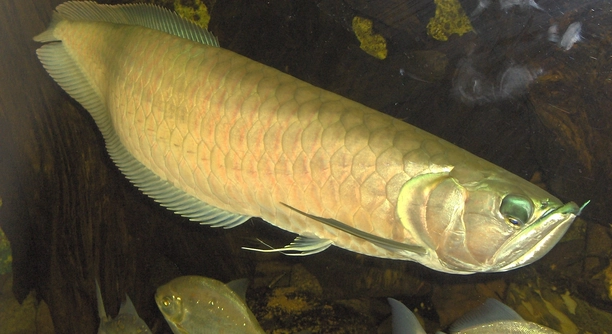
Do you enjoy keeping Arowanas but notice them resting in ways that seem unusual at first glance? Observing your fish’s behavior can help you understand their needs and ensure they remain healthy and stress-free.
A normal resting behavior in Arowanas includes periods of minimal movement, often near the surface or bottom of the tank. These fish may hover or slowly glide, conserving energy while maintaining awareness of their surroundings. Regular rest is essential for their overall well-being.
Recognizing these patterns can help you distinguish between natural rest and potential health concerns in your Arowana’s daily routine.
Understanding Arowana Resting Patterns
Observing your Arowana during rest can reveal a lot about its health. Most Arowanas spend time near the surface or mid-level of the tank, occasionally gliding slowly. They often hover in one spot with minimal movement, which helps them conserve energy. These resting periods are essential for proper digestion and muscle recovery. Lighting, tank size, and water conditions can influence how your fish rests. Some Arowanas prefer dimmer areas, while others are comfortable in well-lit sections. Over time, you may notice slight variations in position, reflecting their comfort or changes in routine. Temperature also plays a role; a cooler tank may encourage slower movements, while warmer water can increase activity. Watching these subtle behaviors gives insight into your fish’s well-being. By providing a stable environment with consistent feeding and clean water, you help your Arowana maintain natural resting patterns and avoid unnecessary stress or irregular behavior.
Resting patterns are normal as long as your Arowana maintains regular swimming and feeding habits.
Tracking these behaviors helps you notice when something deviates from the norm. Understanding movement and position can prevent minor issues from escalating into larger health concerns. Consistent observation ensures your Arowana stays energetic and healthy.
Factors Affecting Rest in Arowanas
Tank conditions directly impact resting behavior. Temperature, lighting, and space influence how and where your Arowana rests.
Proper diet and feeding schedules also play a role. A well-fed Arowana will rest longer and more comfortably, while irregular feeding may lead to restlessness. Water quality is critical—high ammonia or nitrite levels can disrupt normal behavior. Your fish may also respond to stress from sudden noises, frequent tank maintenance, or overcrowding. Different species of Arowanas have slightly different preferences; some enjoy floating near the surface, while others rest lower. Observation is key: by noting where and how your fish rests, you can adjust tank conditions for optimal comfort. Adjusting light cycles, maintaining consistent feeding times, and keeping water parameters stable all contribute to healthier resting habits. Paying attention to these factors ensures your Arowana maintains both physical health and mental well-being. Proper care creates an environment where natural rest becomes a predictable and healthy part of daily behavior.
Common Resting Spots in Arowana Tanks
Arowanas often choose specific areas of the tank to rest. They may stay near the surface, mid-level, or close to the bottom. These spots provide safety, comfort, and easy access to oxygen. Observing where your fish rests helps ensure the tank setup suits its needs.
Surface resting is common, especially for younger Arowanas. They hover just below the waterline, occasionally moving slowly. This position allows easy breathing and quick response to surroundings. Mid-level resting is typical for adults, offering stability and access to all areas of the tank. Bottom resting is less frequent but can indicate comfort with the environment or cooler water preferences. Tank decorations, hiding spots, and lighting can influence where your Arowana chooses to rest, and you may notice changes over time.
Resting behavior can also be influenced by activity patterns. Arowanas may switch locations based on feeding schedules, water conditions, or tank interactions. Tracking these shifts provides insight into your fish’s comfort and health. By maintaining consistent conditions, you can encourage healthy resting patterns and reduce stress. Observing these choices also allows adjustments to lighting, water flow, and decorations to suit your Arowana’s preferred resting spots.
Signs of Healthy Resting Behavior
Regular, calm resting without unusual twitching or erratic swimming indicates good health in Arowanas.
Healthy resting includes smooth, slow movements and occasional gliding. The fish maintains balance, responds to external stimuli, and returns to normal activity after rest. Consistency in timing and location is a good indicator of comfort. Signs of stress or illness include floating sideways, prolonged inactivity, or gasping at the surface. Monitoring resting patterns helps detect early issues and ensures your Arowana thrives.
Observing resting behavior alongside feeding, swimming, and social interactions provides a complete picture of health. Adjusting tank conditions and ensuring proper nutrition supports these natural habits. Consistent water quality, adequate space, and low-stress environments allow your fish to rest naturally and maintain energy for active periods. Recognizing healthy rest patterns helps prevent problems, and regular observation can guide proactive care. Healthy Arowanas display balanced behavior, responsive movement, and predictable rest cycles, all of which indicate proper adaptation to their environment and good overall well-being.
Adjusting Tank Conditions for Better Rest
Proper water temperature helps Arowanas rest comfortably. Maintaining a stable range ensures they are neither too sluggish nor overly active.
Lighting should mimic natural cycles. Dimmed lights during rest periods reduce stress and encourage natural resting behavior. Consistency in the environment is key.
Monitoring Behavior Changes
Sudden changes in resting patterns can signal stress or illness. Increased activity at night or prolonged inactivity should be noted. Observing these behaviors allows early intervention, helping maintain health. Regular checks of swimming patterns, position in the tank, and interactions with other fish can highlight subtle changes.
Feeding and Resting Balance
Feeding schedules influence rest. A well-fed Arowana tends to rest more predictably. Avoid overfeeding, which can disrupt resting and cause health issues.
Recognizing Stress Indicators
Erratic movements, constant surface hovering, or hiding indicate stress. These behaviors often reflect environmental discomfort or illness.
FAQ
How long do Arowanas usually rest each day?
Arowanas rest at different intervals depending on age, activity, and environment. On average, they spend several hours each day in minimal movement. Younger fish may be more active, taking shorter rest periods, while adults often hover in one spot for longer durations, conserving energy for feeding and swimming.
Is it normal for Arowanas to rest near the surface?
Yes, surface resting is common, especially for younger or more active Arowanas. Hovering just below the waterline allows easy access to oxygen and quick reactions to surroundings. This behavior is part of their natural routine and typically indicates comfort and good health.
Why does my Arowana sometimes rest at the bottom?
Bottom resting is less frequent but normal. It often reflects comfort with the environment or cooler water preferences. Some fish use tank decorations or plants for added security. Occasional bottom resting does not usually indicate health problems unless paired with unusual lethargy or other behavioral changes.
Can resting behavior indicate health problems?
Yes. Healthy rest is calm and predictable. Signs of concern include floating sideways, erratic swimming, gasping at the surface, or prolonged inactivity. Observing these behaviors along with feeding patterns and social interactions helps detect issues early and allows timely intervention.
Do Arowanas need complete darkness to rest properly?
Arowanas do not require total darkness but benefit from dim lighting during rest periods. Mimicking natural day-night cycles reduces stress and supports predictable resting patterns. Sudden bright lights or constant illumination can disrupt rest and cause restlessness.
How does feeding affect resting behavior?
Feeding schedules directly influence rest. A well-fed Arowana rests predictably, conserving energy after meals. Overfeeding can lead to discomfort, bloating, and irregular resting. Maintaining consistent feeding times and avoiding excessive portions supports stable resting habits.
Does tank size affect rest?
Yes, tank size plays a role in resting comfort. A spacious tank allows your Arowana to choose preferred resting spots, hover without obstruction, and feel secure. Overcrowded or small tanks may limit movement and cause stress, affecting both resting and general behavior.
What environmental factors influence resting habits?
Water temperature, quality, and flow are key factors. Stable temperatures keep the fish active but not overly energetic. Clean water with proper filtration ensures comfort. Too strong a current or poor water conditions can disrupt rest and lead to stress or illness.
Should I monitor my Arowana while it rests?
Regular observation is beneficial. Noticing patterns in position, movement, and reactions to surroundings helps assess comfort and health. Monitoring resting behavior alongside feeding and swimming gives a complete picture of overall well-being, allowing adjustments to tank conditions if needed.
How can I encourage healthy resting behavior?
Maintain stable water parameters, provide sufficient space, and ensure proper lighting cycles. Avoid sudden disturbances and keep feeding consistent. By creating a predictable and comfortable environment, your Arowana will develop natural rest patterns, conserving energy and reducing stress while supporting long-term health.
This FAQ covers common questions about Arowana resting behavior, helping you better understand their habits and maintain a healthy environment. Observing, adjusting, and providing consistent care ensures your fish thrives while resting naturally.
Arowanas are fascinating fish with distinct behaviors, and understanding their resting patterns is an important part of keeping them healthy. Observing your fish regularly allows you to notice small changes in movement, position, and behavior that can indicate comfort or potential stress. Most Arowanas spend several hours each day in calm, minimal movement, often hovering near the surface, mid-level, or occasionally near the bottom of the tank. These resting periods help them conserve energy, support digestion, and maintain overall well-being. Providing a stable environment with consistent water temperature, proper lighting, and sufficient space ensures that your Arowana can rest naturally without disruption. It is also essential to maintain clean water and appropriate filtration, as poor water quality can lead to stress and irregular resting habits. Paying attention to the preferred resting spots of your fish allows you to adjust tank layout and decorations to suit their comfort. Over time, you will become more familiar with the normal resting patterns of your Arowana, making it easier to recognize signs of irregular behavior or potential health issues.
Feeding and tank conditions play a significant role in resting behavior. A well-fed Arowana tends to rest more predictably, while irregular feeding or overfeeding can cause discomfort and disrupt their natural routine. Consistent feeding schedules, along with a balanced diet, support energy levels and overall health, allowing your fish to engage in regular rest cycles. Tank size and environmental factors, such as water flow and temperature, also influence resting habits. A spacious tank with stable conditions allows your Arowana to choose preferred resting spots and move comfortably without feeling stressed. Lighting that mimics natural day-night cycles encourages calm rest periods, while sudden bright lights or constant illumination can lead to restlessness. Observing these environmental and dietary factors together provides insight into your fish’s overall comfort and well-being. Regular monitoring allows for adjustments that promote healthy, natural resting behavior and prevent potential stress or illness.
Resting patterns can also serve as an indicator of your Arowana’s general health. Healthy rest is characterized by smooth, calm movements, predictable timing, and responsiveness to external stimuli. Signs of stress or illness, such as prolonged inactivity, erratic swimming, gasping at the surface, or unusual positioning, should be noted and addressed promptly. By paying close attention to these behaviors and maintaining a stable, comfortable environment, you can ensure your Arowana thrives. Observing resting habits alongside feeding and general activity provides a clear understanding of your fish’s well-being. Through consistent care, appropriate tank conditions, and careful observation, you support both the physical and mental health of your Arowana. Healthy resting behavior not only contributes to the fish’s energy and vitality but also reflects successful care, allowing you to enjoy the presence of a calm, content, and thriving Arowana in your aquarium.

Hello,
If you enjoy the content that we create, please consider saying a "Thank You!" by leaving a tip.
Every little bit helps us continue crafting quality advice that supports the health, happiness, and well-being of pets around the world, for pets of all shapes, sizes, and species.
We really appreciate the kindness and support that you show us!