
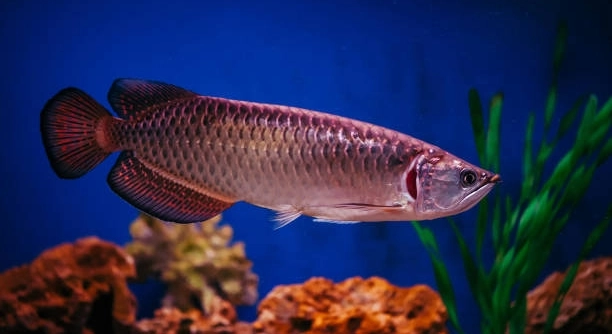
Are your Arowana acting restless or avoiding certain areas of the tank? Many fish keepers overlook how water flow affects their aquatic pets. Proper tank flow is essential for creating a comfortable and healthy environment.
Incorrect flow patterns can stress Arowana, affecting their health and behavior. Strong currents may exhaust them, while stagnant areas reduce oxygen circulation, leading to poor swimming performance, weakened immunity, and uneven feeding distribution throughout the tank.
Identifying and correcting flow mistakes can drastically improve your Arowana’s well-being and tank harmony. Understanding these factors ensures your fish thrive in a stable environment.
Strong Currents That Overwhelm
Many Arowana struggle with overly strong currents. When water moves too fast, they can become exhausted from constant swimming, which affects their growth and energy levels. Aggressive flow can push them into corners, making them avoid open areas of the tank. This stress often shows through erratic swimming patterns, loss of appetite, and diminished color vibrancy. Young or smaller Arowana are especially vulnerable, as their strength may not match the flow. Positioning powerheads or filters incorrectly can create uneven flow zones, leaving parts of the tank too turbulent. Adjusting flow direction and intensity helps them navigate freely. Observing how your fish respond to different speeds allows you to find a balance that encourages natural swimming without strain. Adding gentle circulation in key areas can improve oxygen distribution, reduce waste buildup, and create a more stable environment. Choosing equipment rated appropriately for your tank size is critical to avoid overwhelming your fish.
Strong currents can harm your Arowana’s health, so moderation is key for a peaceful tank environment.
Flow adjustment ensures your Arowana can explore all areas safely without stress or fatigue, improving both their activity and overall tank balance.
Dead Zones With Little Circulation
Dead zones are areas where water barely moves, often found behind decorations or at tank corners. These stagnant areas reduce oxygen levels and can trap debris, creating poor water quality.
Without proper circulation, uneaten food and waste accumulate, increasing the risk of bacterial growth and harmful ammonia spikes. Arowana tend to avoid these areas, limiting their swimming space and natural exploration. Dead zones can be corrected by repositioning filters, adding circulation pumps, or rearranging decorations to allow better water flow. Regular observation helps detect areas with weak movement. Ensuring even circulation throughout the tank promotes consistent oxygenation, reduces debris buildup, and encourages the fish to swim actively. Proper flow distribution also aids in nutrient and heat dispersal, which is important for maintaining water stability. Adjusting flow strategically ensures that both surface and bottom layers receive adequate movement, benefiting all aquatic life in the tank. Consistent maintenance paired with careful equipment placement keeps dead zones from forming and supports a healthier, more active Arowana.
Inconsistent Flow Patterns
Uneven water movement can confuse Arowana and disturb their natural swimming rhythm. Areas with sudden shifts in speed make it difficult for them to navigate smoothly.
Inconsistent flow often results from poorly placed filters or multiple pumps working against each other. When currents clash, fish expend extra energy adjusting their movement, which can lead to stress and reduced immunity. Uneven flow can also cause debris to settle in some areas while others remain overly turbulent, affecting water quality. Observing your tank from different angles helps identify spots where flow is too strong or too weak. Adjusting pump direction or adding deflectors can create a more consistent environment. Consistent circulation ensures Arowana can move comfortably throughout the tank, maintain energy levels, and stay healthy. Regularly testing water movement allows you to make fine-tuned corrections that benefit both fish and overall tank stability.
Properly balanced flow prevents stress, promotes healthy swimming, and keeps all areas of the tank clean and oxygenated.
Even small tweaks in pump placement or flow direction can have a significant impact on the comfort and activity of your Arowana.
Obstructions Blocking Water Circulation
Decorations, rocks, or driftwood can unintentionally block water movement, creating pockets of stagnant water. These obstructions reduce oxygen and trap debris, impacting tank cleanliness and fish comfort.
Blocked circulation can prevent nutrients and heat from spreading evenly, which affects your Arowana’s environment. Fish may avoid obstructed areas, limiting their swimming space and natural behavior. Rearranging tank elements, spacing them properly, or using flow deflectors helps maintain even water movement. Checking the tank regularly ensures no new obstructions have formed due to plant growth or substrate shift. Maintaining clear paths for water encourages better oxygenation, disperses waste, and keeps temperature consistent. Thoughtful placement of ornaments allows Arowana to navigate freely while supporting filtration efficiency. Proper flow around obstacles creates a healthier, more dynamic habitat that supports activity, appetite, and overall well-being. Adjusting flow around obstructions also reduces stress, as fish can swim without constant resistance or confusion from blocked currents.
Flow Directed at Tank Walls
Water currents aimed directly at tank walls can create turbulent pockets that disturb Arowana. Fish may avoid these areas, limiting their swimming space and natural exploration.
Redirection of flow using spray bars or deflectors helps distribute water more evenly. This reduces stress and allows fish to swim comfortably throughout the tank.
Pump Output Too High
Excessive pump output generates strong currents that Arowana cannot handle. Constant swimming against these flows leads to fatigue, loss of appetite, and stress. Adjusting pump speed to match the tank size and fish needs creates a stable environment and promotes healthier behavior.
Lack of Surface Agitation
Insufficient surface movement reduces oxygen exchange, impacting water quality and fish health. Ensuring gentle surface agitation improves oxygenation, supports filtration efficiency, and encourages natural fish activity.
FAQ
How do I know if my Arowana is stressed by tank flow?
Signs of stress from water flow include erratic swimming, hiding in corners, loss of appetite, and faded coloration. Fish that struggle against currents or avoid certain areas are likely uncomfortable. Observing their behavior daily helps identify flow issues early.
Can strong currents harm young or smaller Arowana?
Yes, juvenile or smaller Arowana are less powerful swimmers and can tire quickly in strong currents. Constant resistance can stunt growth, reduce energy, and make them more prone to illness. Adjusting flow to match their size ensures they can swim naturally without strain.
What equipment adjustments can fix uneven flow?
Repositioning filters, pumps, or adding flow deflectors helps create consistent water movement. Spray bars or circulation pumps can spread flow evenly and reduce turbulent zones. Testing from multiple angles ensures no spots are too strong or too weak.
Is it necessary to move decorations to improve flow?
Often, decorations, rocks, or driftwood block circulation. Rearranging these items allows water to move freely and reduces stagnant zones. Spacing ornaments properly prevents debris buildup and ensures oxygen reaches all parts of the tank.
How much surface agitation is enough?
Gentle movement across the water surface is sufficient to increase oxygen exchange without creating overly strong currents. Proper surface agitation also helps evenly distribute heat and nutrients throughout the tank.
Can Arowana adapt to strong currents over time?
Some adaptation is possible, but constant exposure to strong currents is still stressful. Even if they learn to swim against it, their energy is consumed unnecessarily, leading to fatigue, reduced feeding, and potential health problems.
What role does tank size play in flow adjustment?
Larger tanks require more circulation to avoid dead zones, but overpowered flow can overwhelm fish. Choosing pumps and filters rated for your tank size and adjusting output ensures balance, avoiding turbulence or stagnant areas.
How often should flow be checked?
Regular observation is important, especially after equipment changes or adding decorations. Daily visual checks and weekly adjustments help maintain consistent conditions, keeping Arowana comfortable and active.
Will correcting flow improve overall tank health?
Yes. Proper water circulation ensures oxygen distribution, reduces waste accumulation, and encourages natural swimming behavior. This not only benefits Arowana but also supports other aquatic life in the tank, improving overall water quality and stability.
Are there signs of improvement after adjusting flow?
Healthy, active swimming, increased appetite, and brighter coloration indicate that flow adjustments are working. Fish should explore more areas of the tank and show less stress-related behavior, confirming that the environment is now suitable.
Can multiple pumps create problems?
Multiple pumps can clash, creating uneven flow and turbulent pockets. Ensuring they are properly positioned and adjusted to complement each other prevents stress and improves water movement throughout the tank.
Is it better to have slightly weaker flow than too strong?
Yes. Moderate flow allows Arowana to swim comfortably and reduces stress. Slightly weaker currents are safer than excessive force, as fish can always move more actively if needed, but cannot escape constant strong currents.
How do I balance filtration and flow?
Filtration must remove waste effectively while keeping flow suitable for fish comfort. Positioning filters and pumps to distribute water evenly ensures both mechanical filtration and optimal swimming conditions. Proper maintenance prevents stagnant areas without overexerting the fish.
What adjustments help Arowana feel secure in their tank?
Balanced flow, unobstructed swimming paths, gentle surface agitation, and consistent water quality help fish feel safe. Avoiding extreme currents and dead zones encourages natural behavior and reduces stress-related issues.
How long does it take for Arowana to adjust after flow changes?
Adjustment varies by individual fish, but most show improvements in swimming patterns and activity within a few days. Observing gradual changes ensures that modifications are beneficial and not introducing new stress.
Can water heaters or chillers affect flow?
Yes. Placing heaters or chillers incorrectly can disrupt circulation, creating hot or cold spots. Positioning them where water moves evenly ensures consistent temperature and prevents areas of stagnation, supporting overall tank stability.
What is the impact of flow on feeding behavior?
Strong or uneven currents can disperse food unpredictably, making it difficult for Arowana to eat efficiently. Balanced flow helps food reach all areas and allows fish to feed without stress or wasted energy.
Are some Arowana species more sensitive to flow?
Yes. Larger, heavier species may handle stronger currents better, while slender or smaller species are more prone to stress. Understanding the specific species’ swimming strength helps tailor flow adjustments for optimal comfort.
Does substrate type influence flow?
Fine substrates can be disturbed by strong currents, creating debris clouds and reducing water clarity. Coarser substrates or strategic placement reduce sediment movement, helping maintain stable conditions and less stressful swimming environments.
How important is regular maintenance for flow management?
Routine cleaning, pump checks, and observation prevent flow issues from developing. Even small blockages or worn equipment can create dead zones or excessive currents, so consistent maintenance ensures a stable, healthy tank environment for Arowana.
Proper water flow is one of the most important factors in keeping Arowana healthy and comfortable. Strong currents, dead zones, or inconsistent circulation can easily stress your fish, affecting their appetite, behavior, and overall health. Adjusting flow does not need to be complicated, but it requires careful observation and small changes. Watching how your fish respond to different areas of the tank will give you clear clues about what needs fixing. Simple adjustments, like moving pumps, redirecting water, or rearranging decorations, can make a noticeable difference. Consistent, moderate flow allows Arowana to swim naturally, explore their environment, and reduce fatigue. Over time, maintaining proper circulation becomes part of routine tank care and ensures that your fish thrive.
Surface agitation, circulation, and even distribution of water all play critical roles in creating a healthy aquatic environment. Proper surface movement improves oxygen exchange, while balanced circulation reduces stagnant areas where debris and waste can accumulate. This helps maintain water quality, which is essential for both Arowana and any other tank inhabitants. Paying attention to areas where water moves too fast or too slow ensures that your fish are not avoiding corners or constantly struggling against currents. Even small equipment changes, like adjusting pump speed or adding deflectors, can have a major impact. By observing the tank from multiple angles and making gradual improvements, you can create a consistent environment that supports natural behavior and encourages active, healthy swimming.
Flow management is not a one-time task but an ongoing part of aquarium maintenance. Tank conditions change as decorations settle, plants grow, or equipment performance shifts, so regular monitoring is key. Checking water movement, adjusting pumps, and ensuring even circulation will prevent stress before it affects your fish. When flow is optimized, Arowana display brighter colors, improved appetite, and more natural activity throughout the tank. Even subtle improvements in water movement contribute to long-term well-being. By keeping circulation balanced, you provide a safer, more comfortable home for your fish, which is the foundation of a thriving tank. Proper flow not only supports the physical health of Arowana but also enhances their overall quality of life. Regular attention and thoughtful adjustments ensure a peaceful, stable, and healthy environment for these majestic fish.
Word count: 405

Hello,
If you enjoy the content that we create, please consider saying a "Thank You!" by leaving a tip.
Every little bit helps us continue crafting quality advice that supports the health, happiness, and well-being of pets around the world, for pets of all shapes, sizes, and species.
We really appreciate the kindness and support that you show us!