
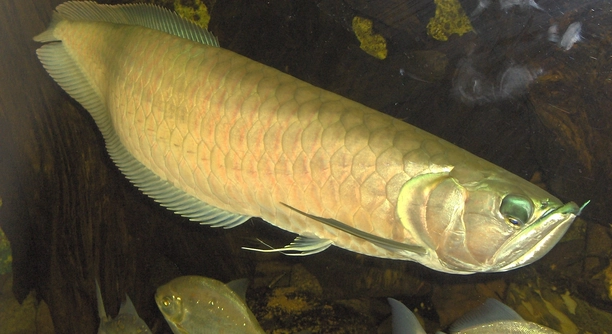
Do you ever notice your arowana swimming nervously under bright aquarium lights or hiding in dark corners for hours? Many owners overlook how lighting affects these graceful fish, impacting their behavior and overall well-being in subtle ways.
Some lighting setups are harmful to arowanas, including overly bright lights, flashing LEDs, improperly timed photoperiods, colored lights that stress fish, and lights placed too close to the water surface. These setups can lead to stress, aggression, and health issues.
Learning which lighting setups to avoid will help ensure your arowana stays calm, healthy, and displays its natural beauty consistently.
Overly Bright Lighting
Many arowana owners think brighter lights make their tanks look better, but intense lighting can harm these sensitive fish. Arowanas are used to moderate natural light, and excessively bright LEDs or fluorescent lights can cause stress. Prolonged exposure may lead to erratic swimming, hiding, or loss of appetite. Fish can also develop skin and eye irritation if lights are too strong or too close to the water surface. It’s important to balance brightness with the natural behavior of arowanas. Observing how your fish reacts during different times of day can help determine the ideal light intensity. Using dimmers or adjustable LED setups allows gradual transitions from daylight to nighttime. Many owners also find that diffused lighting mimics natural conditions better than harsh, direct light. Avoid placing the tank in direct sunlight, as it can intensify stress and promote algae growth, which can further affect water quality and fish health.
Bright lighting may trigger stress responses and reduce feeding activity, impacting overall health and tank harmony for arowanas.
Adjusting lighting gradually can make a noticeable difference in your arowana’s behavior. A calmer fish is more likely to explore the tank, eat properly, and display vibrant colors, making the tank more visually appealing without compromising health. Proper lighting also supports natural circadian rhythms, ensuring your arowana feels secure during day and night cycles.
Fluctuating or Flashing Lights
Flashing or flickering lights can startle arowanas and cause continuous stress. Even occasional flickers from cheap LEDs can affect behavior.
Frequent light changes can disrupt feeding and swimming patterns, causing aggression or hiding. Arowanas need steady, consistent lighting to feel safe. Unstable lighting may also lead to long-term stress, weakening immune responses and increasing susceptibility to disease. Avoid using lights with frequent flicker rates or rapid on/off cycles, as this can create an unnatural environment. Consistency is key. Installing timers ensures lights follow a stable schedule, giving the fish predictable periods of light and dark. When experimenting with color or intensity, changes should be slow to prevent shock. Observing your arowana’s behavior closely will indicate whether lighting adjustments are successful or harmful. Gradual, consistent light is far better than sudden changes, even if they seem minor, because fish are highly sensitive to environmental shifts. Stable lighting helps arowanas feel secure, improving feeding habits and reducing stress-related behaviors.
Colored or UV Lighting
Colored lights may look appealing but can stress arowanas. Blue, red, or UV lights can alter their perception and behavior.
Arowanas rely on natural light cues for feeding and movement. Artificial colors can confuse them, causing erratic swimming or hiding. Overexposure to UV lighting can damage their eyes and skin. Fish may become withdrawn, refusing to eat or interacting less with their environment. Some owners use colored lights for short displays, but prolonged daily use should be avoided. Neutral, white light is safest, closely mimicking natural sunlight. Adjustments should be gradual to reduce stress.
Using colored lights occasionally for photography or short decorative periods is acceptable, but regular, daily use is harmful. Arowanas respond best to stable, natural lighting that supports their circadian rhythm, encourages normal activity, and maintains healthy coloration.
Lights Placed Too Close to Water
Placing lights too close can overheat the water and disturb the fish. This setup creates stress and reduces swimming space.
Close proximity of strong lights can produce hot spots in the tank. Arowanas exposed to concentrated heat or glare may swim away from preferred areas or refuse to eat. Continuous exposure can lead to eye damage or scale discoloration. Lights should be installed at a safe distance, ensuring even distribution and minimal direct glare. Using adjustable mounts or fixtures helps prevent concentrated light zones, keeping the tank temperature stable. Regularly checking water temperature ensures the fish remain in comfortable conditions, preventing stress-induced behaviors.
Proper spacing allows the tank to maintain stable temperature and lighting. Arowanas thrive when the environment is calm, evenly lit, and free from harsh, direct light, encouraging natural swimming, feeding, and interaction with tank décor.
Inconsistent Photoperiod
Arowanas need a regular light and dark cycle. Irregular lighting can confuse their natural rhythms and stress them.
Changing lights at different times each day disrupts feeding and sleeping patterns. A consistent schedule helps maintain calm behavior and overall health.
Flickering Fluorescent Lights
Old or low-quality fluorescent lights may flicker subtly. Even small flickers can irritate arowanas.
Flickering lights cause stress responses like hiding, rapid swimming, and reduced appetite. Ensuring lights are stable or replacing flickering tubes improves comfort and encourages normal activity in the tank.
Nighttime Lighting
Leaving lights on overnight prevents proper rest for arowanas. Continuous illumination affects sleep cycles and growth.
Arowanas require darkness to regulate hormones and maintain immune function. Using timers to switch off lights at night creates a healthy environment.
FAQ
What is the best type of lighting for arowanas?
The safest lighting for arowanas is moderate, neutral white light that mimics natural sunlight. LED lights with adjustable brightness are ideal, as they allow control over intensity. Avoid colored or UV lights for daily use, and ensure the light is evenly spread across the tank. Consistent lighting helps maintain feeding schedules and reduces stress.
How long should lights be on each day?
Arowanas do best with around 10–12 hours of light daily. Using a timer ensures consistency, helping fish maintain their natural circadian rhythm. Gradual transitions from light to dark prevent stress, allowing fish to adapt to changes naturally. Sudden lights on or off can startle them and affect behavior.
Can I use colored lights for decoration?
Colored lights should only be used occasionally for short periods, such as photography. Prolonged exposure to blue, red, or UV lighting can confuse arowanas, alter their behavior, and even damage their eyes or skin. Neutral lighting should remain the primary source in the tank.
Why do arowanas hide under certain lighting?
Hiding is a stress response caused by too-bright lights, flickering fixtures, or colored lighting. Fish may swim less, avoid food, or hide in corners. Adjusting light intensity, ensuring even coverage, and avoiding abrupt changes can reduce hiding behavior and encourage normal activity.
Is it harmful to leave aquarium lights on at night?
Yes. Arowanas need darkness to rest and regulate hormones. Continuous light can disrupt sleep cycles, weaken the immune system, and affect growth. Timers or automated lighting systems are helpful for maintaining consistent day-night cycles without human intervention.
How close should lights be to the water surface?
Lights should not be too close, as concentrated brightness can stress fish and raise water temperature. Adjustable mounts or overhead lighting at a safe distance prevent glare, reduce hotspots, and maintain a stable environment, supporting healthy swimming and feeding behaviors.
Can flickering fluorescent lights affect my arowana?
Even subtle flickers can irritate arowanas. It may cause erratic swimming, hiding, or refusal to eat. Replacing old or low-quality tubes with stable LEDs improves comfort and prevents stress-related behaviors in the tank. Regularly checking lighting equipment helps maintain a stable environment.
Do arowanas need a gradual light transition?
Yes. Gradual dimming and brightening prevent sudden stress. Abrupt light changes can startle fish, causing rapid swimming or hiding. Using dimmers or timers with slow transitions helps arowanas adjust naturally, maintaining calm behavior and encouraging normal activity throughout the day.
Can strong lights affect arowana colors?
Excessive brightness or improper lighting can dull natural coloration. Properly balanced, moderate light enhances colors without causing stress or damage. Observing your fish’s response can guide intensity adjustments for optimal appearance and health.
What are the signs of lighting-related stress in arowanas?
Stress signs include hiding, reduced feeding, rapid swimming, rubbing against objects, or color fading. Addressing lighting intensity, duration, and type can reverse these effects. Consistent, moderate lighting improves behavior, appetite, and overall well-being, creating a healthier environment for your fish.
How can I maintain a consistent lighting schedule?
Using automated timers ensures lights turn on and off at the same time daily. Combining timers with adjustable intensity or dimming functions creates a natural day-night rhythm. Consistency reduces stress, supports feeding and sleeping patterns, and promotes long-term health for arowanas.
Is natural sunlight suitable for arowanas?
Direct sunlight should be avoided, as it can overheat water and encourage algae growth. Indirect natural light can be beneficial, but artificial lighting allows precise control over intensity and duration, keeping conditions stable and safe.
Can changing lighting too often stress my fish?
Frequent adjustments can confuse arowanas and disrupt feeding or sleeping cycles. Gradual changes with careful observation are better. Consistency and stability are critical to maintaining calm, healthy, and active fish.
How do I know if my lighting is too strong?
Signs include hiding, frantic swimming, or avoidance of well-lit areas. Water temperature spikes may also indicate light is too close. Adjusting distance, using diffusers, or lowering intensity helps maintain a comfortable environment.
Does the type of tank décor affect lighting stress?
Yes. Overly reflective surfaces or lack of hiding spots can amplify light stress. Providing plants, rocks, or driftwood allows arowanas to retreat from strong light, helping them feel secure while balancing brightness levels.
Can improper lighting lead to long-term health problems?
Chronic stress from poor lighting weakens immunity, reduces appetite, and slows growth. Eye and skin damage can occur under extreme brightness or UV exposure. Maintaining consistent, moderate lighting supports health, behavior, and coloration for long-term well-being.
How do I adjust lighting for nighttime viewing?
Use low-intensity or dimmed lights for evening viewing, ensuring arowanas still get proper darkness to rest. Timers with gradual dimming functions prevent sudden exposure, keeping fish calm and maintaining natural sleep cycles.
Should I monitor fish behavior after changing lights?
Yes. Observing swimming patterns, feeding, and hiding helps determine if lighting changes are appropriate. Adjust intensity, duration, or position as needed to reduce stress and promote a natural, healthy environment.
Are there energy-efficient lighting options for arowanas?
LED lights are efficient, long-lasting, and provide adjustable intensity. They produce less heat, reducing stress and maintaining stable water temperature. Energy-efficient setups allow precise control without compromising fish comfort or tank aesthetics.
How often should I replace aquarium lights?
Even LEDs lose efficiency over time. Replace lights according to manufacturer recommendations or if flickering, dimming, or color changes occur. Consistent, reliable lighting ensures stable conditions and supports the health and behavior of your arowana.
What is the ideal setup for arowana lighting?
A moderate, neutral white LED setup with adjustable brightness, evenly distributed across the tank, and controlled by a timer is ideal. Lights should not be too close, avoid flickering, and follow a consistent day-night cycle to support natural behavior and long-term health.
Final Thoughts
Arowanas are beautiful and impressive fish, but they are sensitive to their environment. Lighting plays a critical role in their health and behavior. Too bright, too close, flickering, or colored lights can all stress these fish in ways that may not be obvious at first. Stress can show up as hiding, reduced appetite, erratic swimming, or even dull coloration. Over time, chronic stress from improper lighting may weaken the immune system, slow growth, and make the fish more susceptible to illness. Taking the time to set up a proper lighting system is an investment in the long-term health and comfort of your arowana. Moderate, neutral white lights with stable intensity are ideal. Adjustable LEDs are useful for controlling brightness and creating gradual transitions from day to night, which mimic natural light conditions and support arowanas’ natural rhythms. Avoid flashy or colored lights for daily use and ensure lights are not too close to the water surface.
Using a timer for your aquarium lighting is one of the simplest ways to maintain consistency. Arowanas thrive when they have predictable cycles of light and darkness, which helps regulate feeding and sleeping patterns. Sudden changes or irregular schedules can confuse the fish and lead to stress-related behavior. Timers allow the lights to turn on and off at the same time every day without relying on human intervention, which ensures a stable environment. Gradual dimming at dawn and dusk helps fish adjust naturally and avoids sudden shocks. Paying attention to the tank’s layout also supports lighting management. Adding plants, driftwood, or rocks can provide shaded areas where arowanas can retreat if the light feels too intense, creating a more comfortable space for them to explore.
It is important to observe your fish regularly to understand how they respond to the lighting setup. Small adjustments in brightness, distance, or duration can make a big difference. Signs of stress, such as hiding, rubbing against tank surfaces, or refusing food, indicate that changes may be needed. Replacing flickering or aging lights and avoiding prolonged use of UV or colored lights can prevent long-term damage. Consistency and moderation are key—stable lighting supports natural behavior, enhances coloration, and promotes overall health. By providing an environment that closely mimics natural conditions, your arowana will be calmer, healthier, and more active, making the tank both enjoyable to watch and better for the fish’s well-being. Proper lighting isn’t just about aesthetics—it is an essential part of responsible fish care that ensures your arowana can thrive.

Hello,
If you enjoy the content that we create, please consider saying a "Thank You!" by leaving a tip.
Every little bit helps us continue crafting quality advice that supports the health, happiness, and well-being of pets around the world, for pets of all shapes, sizes, and species.
We really appreciate the kindness and support that you show us!