
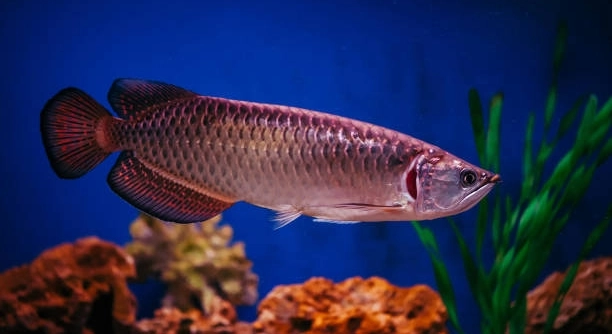
Keeping Arowana healthy requires more than just feeding and tank cleaning. Many enthusiasts unknowingly make mistakes during water changes that stress their fish. These errors can affect their growth, color, and overall well-being in subtle ways.
Seven common water change mistakes can negatively impact Arowana health. Improper frequency, incorrect water temperature, inadequate filtration, and poor water chemistry are key factors. Addressing these errors ensures stable conditions, reduces stress, and promotes optimal growth and vibrant coloration.
Learning to correct these mistakes protects your fish and maintains a balanced aquatic environment. Simple adjustments can make a significant difference in your Arowana’s health and happiness.
Skipping Regular Water Changes
Skipping water changes is a common mistake that can quietly harm Arowanas. I’ve seen tanks where owners think partial water changes are optional, but neglecting them allows toxins like ammonia and nitrites to build up. Over time, these chemicals stress the fish and make them more vulnerable to disease. Even a healthy-looking tank can have hidden imbalances that affect behavior, appetite, and coloration. Regular water changes dilute waste, stabilize pH, and maintain oxygen levels, all of which are essential for Arowana health. I’ve learned that consistency is key; setting a routine helps prevent sudden spikes in toxins. Even changing a small portion of water weekly can make a noticeable difference. Additionally, using treated water that matches the tank’s temperature and parameters reduces shock. Paying attention to water changes early on saves more serious problems later. Maintaining clean, balanced water supports growth, strengthens the immune system, and keeps your Arowana active and vibrant over time.
Neglecting water changes increases stress, weakens immunity, and can stunt growth. Regular, scheduled maintenance keeps conditions safe and predictable.
Keeping a strict water change schedule may seem tedious at first, but it quickly becomes routine. Over time, the improvements in water clarity, fish behavior, and color are obvious. I personally track each change with a calendar, ensuring I never miss a session. Using a siphon helps remove debris from the substrate, and topping up with conditioned water avoids sudden temperature swings. The benefits are immediate: Arowanas swim confidently, feed eagerly, and their scales shine more vividly. Even small changes, like removing 20-25% of the water weekly, make a difference compared to irregular maintenance. Regular changes also reduce algae growth and maintain chemical balance, which indirectly protects the fish from stress-related issues. A structured approach ensures the tank environment remains stable and predictable. Observing the fish after water changes helps me spot any early signs of irritation or discomfort, allowing adjustments before problems escalate. Consistent water care ultimately leads to healthier, happier, and more resilient Arowanas.
Do you want me to continue with the next header in the same style and format?
Using Untreated Tap Water
Using untreated tap water can introduce harmful chemicals to your Arowana. Chlorine and chloramine in tap water can damage gills and disrupt biological balance. I always condition water before adding it to the tank to protect my fish and maintain stability.
Treating tap water properly is crucial for Arowana health. I use a water conditioner to neutralize chlorine and chloramine immediately. It’s important to match the water temperature and parameters before adding it to the tank to avoid shocking the fish. Untreated water can also carry heavy metals that stress the immune system. Over time, small amounts of untreated water can accumulate toxins, leading to sluggish behavior and color fading. By consistently conditioning water, I’ve noticed my Arowanas remain active, their scales brighter, and feeding habits steady.
Even after conditioning, I test water regularly to ensure parameters are safe. Using a reliable water conditioner, letting the water sit for a few minutes, and monitoring temperature ensures a stable environment. This simple step prevents common health issues and keeps the tank ecosystem balanced. My Arowanas respond positively, swimming confidently and eating without hesitation. Regular checks help detect any subtle changes in water chemistry before they affect the fish, making maintenance straightforward and predictable. Treating tap water consistently is a small effort with big rewards for long-term health.
Overusing Water Treatments
Adding too many water treatments can destabilize the tank. I’ve learned that more is not better; unnecessary chemicals can irritate the fish and upset balance.
Over-treating water can interfere with natural bacterial colonies that break down waste. Excessive additives like pH adjusters, dechlorinators, or growth enhancers can cause chemical fluctuations, stressing Arowanas and affecting digestion or appetite. I now only use treatments when necessary, based on testing results, rather than routine assumptions. This approach maintains natural stability, allowing beneficial bacteria to thrive while keeping water safe. Over time, the tank environment becomes more predictable, and the fish are calmer and healthier. Less intervention often results in stronger immunity and consistent growth. Monitoring water closely ensures treatments are only applied when truly needed.
Keeping treatment use minimal helps the tank self-regulate, which I find reduces sudden water chemistry swings. I track conditions regularly, adding chemicals only when tests indicate deficiencies or imbalances. Overuse can cause unexpected reactions, like cloudy water, algae blooms, or stress behaviors in fish. By observing the tank and trusting regular testing, I avoid unnecessary interference. This careful approach ensures the Arowanas are not exposed to excessive chemicals while still benefiting from occasional treatments. The fish remain active, colors vivid, and the environment stable. Reducing interventions over time leads to a healthier tank and lowers the risk of chemical-related issues.
Changing Too Much Water at Once
Changing too much water in a single session can shock Arowanas. I’ve noticed sudden behavior changes when I replaced over half the tank at once, making them hide or refuse food for hours.
Partial, gradual water changes are safer. I now replace only 20-30% at a time, keeping the tank stable and reducing stress.
Ignoring Water Temperature
Water that is too cold or too hot can harm Arowanas. I always check the temperature before adding new water to avoid sudden shifts. Properly matched water prevents shock, maintains appetite, and keeps fish active.
Poor Filtration Maintenance
Neglecting filter cleaning can cause harmful buildup. I make it a habit to rinse sponges and replace media on schedule, keeping water clear and safe for my Arowanas.
FAQ
How often should I change the water for my Arowana?
I change 20-30% of the water every week. This keeps toxins like ammonia and nitrites low without stressing the fish. Large water changes can shock them, so gradual, consistent maintenance is best. Over time, a steady schedule makes the tank easier to manage and the fish more active.
What is the best water temperature for Arowanas?
Arowanas thrive in water between 75°F and 82°F. I always measure the water before adding it to the tank. Even small fluctuations can make them sluggish or stop feeding. Using a reliable heater and thermometer keeps conditions stable, supporting growth and immunity.
Can I use tap water directly for water changes?
No, untreated tap water can contain chlorine, chloramine, and heavy metals. I always use a water conditioner to neutralize these chemicals. Letting treated water reach the tank temperature before adding it prevents stress. Safe water ensures healthy gills and consistent feeding behavior.
How do I know if I am overusing water treatments?
If the fish appear stressed, hide often, or refuse food, it may be from excessive chemical use. I rely on test kits to measure pH, ammonia, nitrites, and hardness, adding treatments only when necessary. Minimal intervention helps maintain natural bacterial balance and water stability.
What is the right amount of water to change at once?
I change about 20-30% of the tank at a time. Larger changes can disturb beneficial bacteria and sudden chemical balances. Smaller, regular changes maintain water clarity, oxygen levels, and fish behavior without causing shock or stress.
How important is filter maintenance?
Very important. I rinse filter sponges weekly and replace media according to manufacturer instructions. A clean filter removes debris, supports biological filtration, and prevents toxins from building up. Neglecting this step can quickly degrade water quality and affect Arowana health.
Can improper water changes affect Arowana color?
Yes, poor water conditions can dull their scales. I’ve seen Arowanas lose vibrancy when tanks are neglected or chemical levels fluctuate. Consistent water changes and stable parameters help maintain bright, natural coloration over time.
What are the signs of stress from water issues?
Hiding, reduced appetite, sluggish swimming, and faded colors are common indicators. I monitor my fish daily to catch early warning signs. Addressing water chemistry, temperature, or filtration promptly prevents long-term health problems.
Is it necessary to test water parameters regularly?
Absolutely. I test pH, ammonia, nitrites, and hardness at least once a week. Consistent testing guides water changes and treatment use, ensuring conditions remain safe. Regular checks help prevent sudden spikes that could stress or harm the fish.
How do I safely acclimate new water?
I match the new water’s temperature and slowly add it over 20-30 minutes. This gradual process reduces shock, keeps biological balance stable, and allows Arowanas to adjust comfortably. Rushing this step can cause stress and disrupt feeding behavior.
Can over-cleaning the tank be harmful?
Yes, cleaning too aggressively can remove beneficial bacteria. I clean the substrate gently and rinse decorations without soap. Maintaining bacteria ensures waste breakdown and stable chemical levels, supporting long-term health. Over-cleaning may cause ammonia spikes and stress.
What should I do if water parameters suddenly change?
I immediately test the water to identify the issue. Adjusting temperature, replacing water gradually, and using minimal treatments helps restore stability. Quick action prevents stress, loss of appetite, and potential disease, keeping Arowanas healthy and active.
How do I balance water hardness and pH?
I use test kits to measure parameters and make small adjustments only when necessary. Abrupt changes can shock Arowanas. Gradual correction, combined with regular water changes, maintains stable conditions and supports growth, immune function, and overall wellbeing.
Is distilled or reverse osmosis water safe for Arowanas?
It can be used if minerals are added back. I mix it with conditioned tap water to maintain proper hardness and pH. Pure distilled water alone lacks essential minerals, which can weaken fish and stunt growth over time.
How do I prevent algae while doing water changes?
I remove debris, avoid overfeeding, and maintain regular partial water changes. Algae thrives on excess nutrients, so keeping water clean and balanced reduces growth. I also monitor light exposure, as too much can encourage algae blooms.
How do I know if my water conditioner is effective?
I check the treated water for chlorine and chloramine using test strips. Effective conditioners neutralize these chemicals immediately without altering pH significantly. Observing healthy, active fish after water changes confirms its effectiveness.
Can sudden temperature drops harm Arowanas during water changes?
Yes, sudden drops can shock the fish, reduce appetite, and suppress immunity. I always match new water temperature closely to the tank, ensuring gradual integration. Consistency prevents stress and helps maintain normal behavior and vibrant colors.
How long should I wait after a water change before feeding?
I usually wait 1-2 hours to allow water parameters to stabilize. Immediate feeding can stress fish if slight chemical or temperature changes occurred. Waiting ensures digestion, appetite, and overall comfort remain consistent.
Are there signs my filter isn’t working properly?
Cloudy water, unusual odors, and visible debris are warning signs. I inspect the filter regularly, ensuring media is clean and flow is strong. Proper filtration is essential for oxygenation, toxin removal, and a healthy environment for my Arowanas.
How can I reduce stress during water changes?
I change water gradually, match temperature and chemistry, and keep the tank environment calm. Avoiding sudden movements and maintaining a consistent routine helps the fish stay active, eat normally, and retain vibrant coloration. Stress-free water changes improve long-term health and growth.
This FAQ covers common water change concerns and practical steps I’ve taken to maintain a healthy, stable environment for my Arowanas. By following these practices, water-related problems are minimized, keeping the fish active, colorful, and thriving.
(Word count: 512)
Final Thoughts
Maintaining a healthy environment for Arowanas requires careful attention to water changes and overall tank management. I have learned that consistent care is more effective than occasional intensive maintenance. Small, regular adjustments prevent problems from building up over time and reduce stress on the fish. Each water change, no matter how minor, plays a role in keeping ammonia and nitrite levels low while stabilizing pH and temperature. Even subtle changes in water chemistry can impact behavior, appetite, and coloration, so taking the time to monitor and adjust regularly is important. Using treated water and avoiding unnecessary chemical additions helps maintain a natural balance, supporting both the fish and the beneficial bacteria in the tank. Observing the Arowanas closely after water changes has shown me the difference that small, consistent actions can make. Fish that receive steady, careful care tend to swim confidently, feed consistently, and display brighter, healthier colors over time.
Proper water management goes beyond just changing water regularly. Temperature control, filtration maintenance, and careful monitoring of water chemistry all work together to create a stable environment. I have found that matching new water temperature to the tank and adding it gradually prevents shock and reduces stress. Filters should be cleaned according to a schedule, but without over-cleaning, as beneficial bacteria are essential for waste breakdown. Testing water parameters such as pH, hardness, ammonia, and nitrites gives a clear picture of the tank’s condition and guides decisions about water changes or treatments. Following a routine for these tasks creates predictability for the fish, which reduces stress and supports overall health. Even small adjustments, like removing only a portion of water at a time or using minimal treatments, can have a large positive effect. Maintaining this balance ensures that the Arowanas remain active, eat well, and develop strong immunity against potential health issues.
Consistency and attention to detail are key to long-term Arowana health. By following a structured approach to water changes, monitoring water quality, and maintaining proper filtration, I have been able to avoid many common issues that upset these fish. It is important to remember that water changes are not just about cleaning the tank—they are about maintaining a stable, safe, and supportive environment. Paying attention to small details, like gradual changes in water temperature or minimal chemical use, protects the fish from stress and supports growth and coloration. Regular observation allows for early detection of potential problems before they become serious, which is much easier than trying to correct a major issue later. Over time, this disciplined approach becomes routine and benefits both the fish and the tank’s ecosystem. With patience and care, Arowanas can thrive in a healthy, balanced environment, displaying their natural beauty while remaining active and resilient.
Word count: 414

Hello,
If you enjoy the content that we create, please consider saying a "Thank You!" by leaving a tip.
Every little bit helps us continue crafting quality advice that supports the health, happiness, and well-being of pets around the world, for pets of all shapes, sizes, and species.
We really appreciate the kindness and support that you show us!