
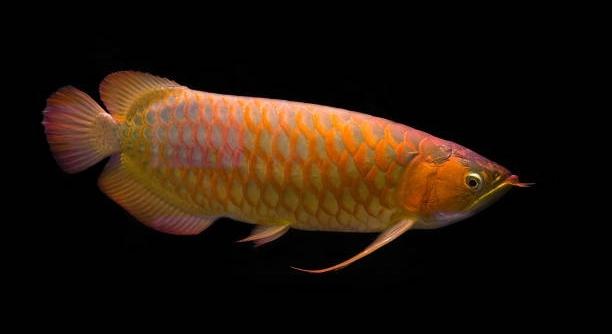
Do you ever find yourself admiring your Arowana gliding gracefully across the tank but wondering how much interaction it actually needs? Observing these elegant fish can be relaxing, yet understanding their natural tendencies is key to proper care.
Arowanas generally prefer minimal disturbance and benefit from being left alone for most of the day. Excessive handling or constant interaction can cause stress, impacting their health, growth, and behavior. Creating a calm, stable environment supports their well-being effectively.
Maintaining a peaceful aquarium environment is essential, but knowing the balance between observation and interference can improve your Arowana’s overall comfort and health.
Understanding Arowana Behavior
Arowanas are naturally solitary and territorial fish. They spend much of their time patrolling their space and assessing their surroundings. Observing them interact with their environment can provide insight into their preferences. For example, they often swim near the surface and remain alert to movement outside the tank. Frequent disturbances can make them skittish or stressed, which may lead to changes in appetite or unusual swimming patterns. Maintaining a stable environment, including consistent lighting, water temperature, and minimal sudden movements, helps Arowanas feel secure. Their instincts drive them to be cautious and selective about interactions. Over time, owners may notice that they respond more to their environment than to direct attention. Providing hiding spots or decorative structures allows them to retreat when needed. Understanding these behaviors can improve tank management and ensure the fish thrives. Careful observation reveals subtle cues about comfort, stress, and overall health in these sensitive creatures.
Giving Arowanas space is vital for their health, reducing stress and promoting natural behavior.
Monitoring water quality, tank size, and feeding routines is equally important. A calm, structured environment allows Arowanas to remain active yet relaxed. Their reactions often indicate comfort levels, guiding adjustments in care and interaction. Consistent routines prevent unnecessary stress.
Interaction Guidelines
Arowanas do not require frequent handling.
Limiting direct interaction preserves their natural instincts and reduces stress. Overhandling can trigger aggression or nervous behavior. Observation from a distance is sufficient to ensure they are healthy and active.
When interacting with Arowanas, patience and minimal interference are essential. These fish thrive under predictable conditions with limited external disturbances. Feeding should follow a set schedule, providing balanced nutrition without overfeeding. Avoid tapping on the glass or creating sudden movements near the tank. Decorations or plants can offer areas to explore and hide, supporting their sense of security. Observing from a distance allows the fish to exhibit normal behaviors, which is crucial for assessing health and detecting early signs of stress or illness. Maintaining a clean, properly filtered tank with stable water parameters ensures that their environment remains comfortable. By respecting their need for space and limiting unnecessary interaction, owners can foster a stable, calm habitat that encourages natural activity and longevity. Arowanas flourish when their environment matches their instincts, balancing visibility with privacy.
Signs of Stress in Arowanas
Arowanas show stress through erratic swimming, loss of appetite, or hiding more than usual. Changes in coloration or frequent rubbing against objects can also indicate discomfort. Recognizing these signs early helps prevent serious health issues and ensures the fish remains active and healthy.
Stress in Arowanas often arises from poor water quality, overcrowding, or constant disturbances. When the tank is too small or lacks hiding spots, the fish may feel threatened and exhibit nervous behavior. Sudden changes in temperature, pH, or lighting can also trigger stress responses. Even well-fed Arowanas may refuse food if they feel unsafe, making monitoring their behavior essential. Providing a calm, consistent environment reduces stress and supports natural activity.
Prolonged stress can weaken an Arowana’s immune system, leaving it vulnerable to disease. Observing behavioral changes and correcting environmental factors early is crucial. Regular water testing, proper tank size, and structured feeding routines all contribute to a stable habitat. Minimizing loud noises and excessive handling further supports their well-being. Stress management is not only about comfort but also about maintaining health and longevity in these sensitive fish. Recognizing patterns in behavior allows for timely interventions that can prevent long-term problems.
Tank Setup Essentials
Proper tank setup is crucial for Arowanas to thrive.
A tank should be large enough to accommodate their size, ideally with at least 250 gallons for adults. Strong filtration and stable water parameters are necessary, as these fish are sensitive to changes. Decorations like driftwood and plants provide security and reduce stress, while open swimming areas support natural behavior.
Temperature and water quality must be consistently monitored. Arowanas require temperatures between 75–82°F and stable pH levels around 6.5–7.5. Frequent water changes prevent the buildup of toxins and maintain oxygen levels. Lighting should mimic natural day-night cycles without sudden shifts, which can startle the fish. Tank covers are recommended, as Arowanas are known to jump. Selecting smooth, durable decorations reduces the risk of injury. Structured feeding areas and routines encourage natural hunting behavior and prevent aggression over food. A carefully planned tank environment ensures Arowanas remain healthy, active, and stress-free, supporting their long-term growth and well-being.
Feeding Habits
Arowanas are carnivorous and prefer live or frozen foods, including shrimp, fish, and insects. Feeding should be controlled to avoid overfeeding, which can cause water quality issues and health problems. Observing their eating behavior helps ensure they remain healthy and active.
Feeding frequency depends on age. Juveniles may require two to three small meals per day, while adults thrive on once-daily feeding. Maintaining a consistent schedule reduces stress and promotes natural hunting instincts.
Social Behavior
Arowanas are generally solitary and may display territorial aggression toward other fish. Tank mates should be carefully chosen to avoid conflicts. Monitoring interactions helps prevent injury and ensures a peaceful environment, especially in community setups.
Handling Tips
Minimize handling to reduce stress. Use nets only when necessary for tank maintenance or health checks, and handle with care to avoid injury.
Environmental Enrichment
Adding plants, rocks, and driftwood can give Arowanas hiding spots and exploration areas. These enrichments help simulate a natural environment, reduce boredom, and encourage natural behaviors like swimming and hunting.
FAQ
Do Arowanas need constant attention?
Arowanas do not require constant attention. They are solitary fish and prefer minimal disturbance. Observing them occasionally is enough to ensure they are healthy and active. Overinteraction can cause stress, affecting behavior, appetite, and overall well-being. Maintaining a calm environment is more beneficial than frequent handling.
Can Arowanas recognize their owners?
While Arowanas may react to movement outside the tank, they do not form bonds like mammals. Their responses are usually based on curiosity or awareness of potential threats. They may become familiar with your presence over time but do not seek social interaction.
How often should Arowanas be fed?
Juvenile Arowanas require two to three meals per day, while adults usually thrive with a single meal. Feeding should consist of protein-rich foods such as shrimp, fish, and insects. Overfeeding can lead to water quality issues and health problems. A regular schedule helps reduce stress and encourages natural feeding behavior.
Is tank size important for Arowanas?
Yes, tank size is critical. Adult Arowanas can grow over two feet long, so a minimum of 250 gallons is recommended. A larger tank provides sufficient swimming space, reduces stress, and prevents territorial aggression. It also helps maintain stable water conditions, essential for long-term health.
How do I know if my Arowana is stressed?
Signs of stress include erratic swimming, loss of appetite, hiding, rubbing against objects, or dull coloration. Stress can result from poor water quality, sudden changes in temperature or pH, overcrowding, or excessive interaction. Early recognition allows for corrective action before health declines.
Can Arowanas live with other fish?
Arowanas are generally territorial and may show aggression toward smaller or similar-sized fish. Choosing tank mates requires caution, ensuring compatible species and sufficient space. Monitoring interactions is necessary to prevent injury or stress in both the Arowana and other fish.
How do I maintain water quality for Arowanas?
Regular water changes, proper filtration, and monitoring temperature and pH are essential. Arowanas are sensitive to toxins and fluctuations. Maintaining stable conditions reduces stress and supports healthy growth. Avoid overcrowding and overfeeding, as these can negatively impact water quality and fish health.
Do Arowanas need hiding spots?
Yes, even though they are large, open-water fish, Arowanas benefit from decorations such as driftwood, rocks, or plants. These structures provide security and allow them to retreat when feeling threatened. Hiding spots reduce stress and encourage natural behavior like exploration and patrolling.
What is the best lighting for Arowanas?
Lighting should mimic natural day-night cycles, avoiding sudden changes. Too bright or harsh lighting can stress the fish, while consistent, moderate lighting encourages normal activity. Timers can help maintain a stable schedule without causing disruption.
How do I handle Arowanas safely?
Minimize handling to reduce stress. Use a soft net only when necessary for cleaning or health checks. Handle carefully to avoid injury, as Arowanas have delicate scales and fins. Frequent handling is unnecessary and may harm their overall health.
Are Arowanas prone to disease?
Arowanas can develop health issues if stressed, overfed, or kept in poor water conditions. Common problems include infections, parasitic infestations, and fin rot. Regular observation, maintaining water quality, and providing a proper diet help prevent disease and ensure longevity.
Can Arowanas jump out of the tank?
Yes, they are strong and agile jumpers. A secure tank lid is essential to prevent accidents. Jumping can occur from stress, sudden disturbances, or feeding excitement. A covered tank protects both the fish and its surroundings.
How long do Arowanas live?
With proper care, Arowanas can live 10 to 15 years, and some even reach over 20. Longevity depends on tank size, diet, water quality, and stress management. Consistent care is essential for a healthy, long life.
Do Arowanas need water heaters?
Yes, they prefer temperatures between 75–82°F. Water heaters help maintain a stable environment, preventing stress from sudden temperature fluctuations. Monitoring with a reliable thermometer ensures ideal conditions are maintained.
Is overfeeding harmful to Arowanas?
Overfeeding can lead to obesity, digestive issues, and poor water quality. Feed measured portions according to age and size. A balanced diet with proper intervals prevents health problems and keeps the tank environment stable.
How can I tell if my Arowana is happy?
A healthy, unstressed Arowana swims steadily, exhibits normal appetite, and explores its environment. Bright coloration and consistent energy are good indicators of well-being. Maintaining a calm, predictable habitat encourages natural activity and reduces the risk of stress-related issues.
This FAQ covers common concerns for Arowana owners, providing practical advice to maintain health, behavior, and comfort in a home aquarium.
Word count: 515
Final Thoughts
Arowanas are fascinating fish that combine elegance with a calm, solitary nature. Their preference for minimal disturbance means they thrive in environments that prioritize stability and predictability. Observing them from a distance allows you to appreciate their natural behavior without causing unnecessary stress. Providing sufficient space, a balanced diet, and a stable tank setup creates the conditions they need to grow and remain healthy. Over time, you may notice subtle changes in their behavior that indicate comfort, curiosity, or mild stress. Paying attention to these details can guide adjustments to their care, ensuring the fish remains active and content in its environment.
Creating the ideal home for an Arowana involves more than just tank size and water quality. Decorations such as driftwood, plants, and rocks provide essential hiding spots and areas to explore, helping the fish feel secure. Temperature and water parameters should remain stable, with minimal sudden fluctuations. Feeding routines should follow consistent schedules using appropriate protein-rich foods to support their natural hunting instincts. Limiting direct interaction while providing opportunities for observation allows the fish to exhibit natural behaviors. A thoughtful, calm approach to care ensures that Arowanas experience low stress levels, which is vital for their longevity and overall well-being.
Understanding and respecting an Arowana’s tendencies is central to successful fishkeeping. These fish are not social in the way smaller species may be, and attempting excessive handling or frequent interaction can be counterproductive. By focusing on providing a stable, enriched, and predictable environment, owners can support both their physical health and psychological comfort. Observing behavior, monitoring for signs of stress, and maintaining consistent care practices allow Arowanas to thrive. These fish reward patience and attentiveness, and the results are visible through healthy growth, vibrant coloration, and confident movement throughout the tank. With proper care, an Arowana can be a long-lived, elegant addition to a home aquarium, combining natural beauty with a calm, independent presence.
Word count: 406

Hello,
If you enjoy the content that we create, please consider saying a "Thank You!" by leaving a tip.
Every little bit helps us continue crafting quality advice that supports the health, happiness, and well-being of pets around the world, for pets of all shapes, sizes, and species.
We really appreciate the kindness and support that you show us!