
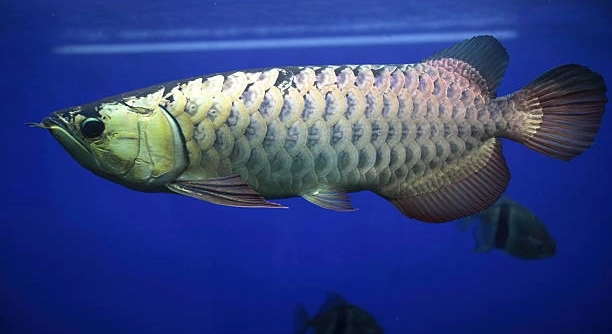
Do you ever notice your Arowana acting differently after changing its tank lighting? Adjusting to a new light can be subtle, and observing these changes closely helps ensure your fish remains healthy and comfortable in its environment.
Arowanas display several behavioral and physical indicators when adapting to new lighting. Changes in swimming patterns, appetite, color intensity, and interaction with tank decor are common. Monitoring these signs allows aquarists to assess stress levels and environmental acclimation effectively.
Recognizing these adjustments early is important for maintaining your Arowana’s well-being and preventing potential health issues caused by improper lighting. Observing closely ensures a smoother transition for your fish.
Changes in Swimming Patterns
When your Arowana is adjusting to a new light, one of the first things you might notice is a shift in its swimming behavior. It may swim closer to the surface or linger near shaded areas, trying to find a comfortable spot. Some Arowanas become more active, exploring areas of the tank they previously avoided, while others may seem hesitant or sluggish. Sudden darting or erratic movements can occur as the fish tests how it reacts to the new lighting conditions. Observing these movements closely helps determine whether your Arowana is simply adjusting or experiencing stress. Providing consistent lighting schedules and avoiding sudden fluctuations can help your fish settle faster. Over time, you will notice a more natural and relaxed swimming pattern emerge, indicating that your Arowana has acclimated to its environment and is feeling secure under the new light.
Gradual shifts in swimming habits are often a reliable indicator that your Arowana is adapting well.
Tracking these patterns over several days allows you to assess your fish’s comfort. Consistency in lighting and minimal disturbances can help prevent stress. Watching the fish interact with its surroundings gives insight into its acclimation, helping you ensure it is adjusting naturally. By noting these behaviors, you can better manage tank conditions and create an environment that supports your Arowana’s health and confidence.
Appetite Changes
Arowanas may show changes in appetite when exposed to new lighting.
Appetite shifts are common as your fish acclimates, ranging from temporary disinterest to sudden eagerness during feeding. Environmental adjustments affect feeding behavior, as lighting influences visibility, activity levels, and perceived safety.
It is important to observe not only whether your Arowana is eating but also how consistently it accepts food. Sudden decreases in appetite can indicate discomfort, while stable or increased feeding suggests proper adjustment. Offering smaller, more frequent meals can help encourage eating without overwhelming the fish. Avoid overfeeding, as it can create water quality issues and increase stress. Watching how your fish interacts with food and responds to feeding routines provides clear insight into its adaptation. Over several days, consistent appetite and normal feeding patterns indicate successful acclimation, while prolonged changes may require minor lighting adjustments or environmental modifications to support the fish’s well-being.
Color Intensity Shifts
Arowanas often show changes in color when adjusting to new lighting. Colors may appear duller at first and gradually brighten as the fish acclimates.
Lighting affects pigmentation, making the scales reflect differently. Arowanas exposed to stronger or differently angled light may display temporary fading or subtle streaks, which is normal. Monitoring the color over days helps confirm whether it is a temporary adjustment. Maintaining stable water conditions and consistent lighting schedules supports the fish’s natural coloration. Sudden, extreme changes in color may indicate stress or health issues unrelated to light and should be checked carefully.
Healthy color shifts indicate proper adaptation and can be complemented by observing other signs like swimming behavior and appetite. Minor fluctuations are common, and over time, the Arowana’s natural vibrancy returns as it grows accustomed to the new environment.
Interaction with Tank Decor
Changes in how an Arowana interacts with its tank decor often reflect adaptation to lighting.
Arowanas may initially avoid decorations, plants, or driftwood as shadows and reflections appear different under new light. Over days, the fish begins to explore previously ignored areas, using them for resting or hiding. Providing safe spaces encourages natural behavior and reduces stress. Observing which areas the fish prefers can guide adjustments in decor placement or lighting angles.
Noting these interactions helps track acclimation progress. A fish that confidently navigates its environment shows comfort and reduced stress. Proper arrangement of decor, paired with stable lighting, encourages natural exploration while allowing the Arowana to feel secure. Continuous observation ensures the fish adapts without compromising its well-being.
Resting Spots
Arowanas may change their preferred resting spots under new lighting. They often move to shaded areas or corners to feel safe while adjusting.
Gradually, they begin to explore more open areas once they feel comfortable. Tracking where your fish rests helps indicate its stress levels and adaptation progress.
Fin and Scale Behavior
Changes in fins and scales can indicate adjustment. Fins may spread more cautiously, and scales might reflect light differently. Observing these subtle changes helps track your Arowana’s comfort level. Regularly monitoring for clamped fins or raised scales ensures early detection of stress or health concerns.
Activity Levels
Activity levels often shift as the Arowana adapts to lighting. Increased exploration or temporary sluggishness is normal and reflects acclimation.
FAQ
How long does it take for an Arowana to adjust to new lighting?
Adjustment time varies depending on the fish and the intensity of the new light. Typically, it takes anywhere from a few days to two weeks for an Arowana to fully acclimate. During this period, observing behavior, swimming patterns, and color changes helps determine if the fish is settling comfortably. Ensuring consistent lighting schedules and avoiding sudden fluctuations can reduce stress and shorten the adjustment period.
What signs indicate that the Arowana is stressed by the new light?
Stress can appear in several ways. Common signs include clamped fins, erratic swimming, hiding excessively, and loss of appetite. Scale discoloration or sudden darkening may also occur. Monitoring these indicators allows you to adjust the environment or lighting gradually to support the fish’s well-being.
Can changing the type of light help my Arowana adjust faster?
Yes, using a light that mimics natural daylight or gradually increasing intensity can ease adaptation. Avoid abrupt transitions or very bright lighting, which can cause shock. Soft LED lighting or adjustable fixtures can provide a controlled environment that allows the fish to acclimate at its own pace.
Is it normal for my Arowana to hide more under new lighting?
Yes, hiding is a natural response to unfamiliar conditions. Fish often seek shaded or sheltered areas until they feel secure. Over time, as the Arowana becomes comfortable, it will resume normal exploration and interact more with its environment. Providing safe resting spots supports this process.
Will my Arowana’s appetite be affected during adjustment?
Temporary appetite changes are common. Some Arowanas may eat less initially, while others maintain normal feeding patterns. Offering smaller, frequent meals and maintaining a quiet, stable environment helps encourage regular feeding. Monitoring consumption ensures nutritional needs are met without overfeeding.
Do color changes mean my Arowana is unhealthy?
Not necessarily. Dull or slightly faded colors are often temporary as the fish adapts. Brightening and returning to normal coloration usually follow a stable adjustment period. Persistent or extreme color loss may indicate stress, water quality issues, or illness, which would require closer attention.
How can I make the transition easier for my Arowana?
Maintaining a consistent lighting schedule, gradually increasing light intensity, and providing shaded or sheltered areas are key strategies. Ensuring clean water, stable temperature, and minimal disturbances further supports a smoother adjustment. Observing your fish’s behavior daily allows for timely intervention if issues arise.
Should I move decorations or plants during this adjustment?
It’s best to keep the tank layout consistent while the Arowana acclimates. Sudden changes in decor can increase stress. Once the fish is comfortable with the new lighting, minor adjustments can be made to encourage exploration, but stability during the initial period is crucial.
Is it necessary to monitor water parameters during light changes?
Yes, water quality directly affects how your fish responds to lighting changes. Stable pH, temperature, and cleanliness reduce stress and support overall health. Regular testing ensures that the Arowana can focus on adapting to the new light rather than coping with poor water conditions.
How often should I observe my Arowana during this period?
Frequent but calm observation is recommended. Watching behavior, feeding, and interactions with the environment at least once daily helps identify stress or discomfort early. Avoid tapping the glass or creating sudden disturbances, as this may interfere with the adaptation process.
What if my Arowana does not adjust after two weeks?
If adjustment seems prolonged, review lighting intensity, placement, and overall tank conditions. Consider reducing brightness or providing additional shaded areas. Persistent issues may require consultation with a specialist to rule out health problems or environmental stressors affecting acclimation.
Can new lighting affect my Arowana’s interactions with other fish?
Yes, lighting changes can temporarily alter social behavior. Some fish may become more cautious or hide, while others may explore more. Maintaining balanced light exposure and stable tank conditions helps reduce tension and encourages natural interactions over time.
Is gradual light change better than immediate full brightness?
Gradual transitions are generally safer and less stressful. Slowly increasing intensity over days or weeks allows the Arowana to adapt without triggering sudden behavioral changes, reduced appetite, or stress-related health issues. This method supports a smoother and more predictable acclimation.
How do I know when my Arowana has fully adjusted?
Full adjustment is indicated by normal swimming patterns, stable appetite, natural coloration, and confident interaction with the environment. When these behaviors consistently return, the fish has likely adapted to the new lighting conditions and is comfortable in its tank.
Are there any risks if my Arowana struggles with new lighting?
Prolonged stress from improper lighting can affect immune function, feeding, and overall health. Early detection through careful observation allows intervention, whether adjusting the light, providing shelter, or checking water quality, preventing long-term complications.
Final Thoughts
Adjusting to new lighting is a natural process for Arowanas, but it requires careful observation and patience. Each fish responds differently, and changes in behavior, color, swimming patterns, and appetite are common during the adjustment period. Recognizing these signs early helps you provide the right support and ensures your fish remains healthy. It is important to remember that temporary changes are normal, and over time, most Arowanas will settle comfortably into their environment. Maintaining stable conditions, such as consistent light schedules, clean water, and proper temperature, reduces stress and allows your fish to adapt more smoothly. Small adjustments in lighting intensity or placement can make a noticeable difference in comfort, especially for fish that are sensitive to bright or sudden changes.
Monitoring your Arowana during this period is essential. Watching how it interacts with tank decor, where it chooses to rest, and how it responds to feeding gives valuable insights into its well-being. Some fish may hide more, swim cautiously, or temporarily reduce food intake, but these behaviors generally improve as the fish becomes accustomed to the light. Gradual improvements in color and activity levels indicate successful adaptation. Providing shaded areas, driftwood, or plants can help create safe spaces that encourage natural behavior and reduce anxiety. Avoiding sudden disturbances or rapid changes to the environment further supports the fish’s comfort. Patience is key; forcing adjustments too quickly can lead to stress or health issues.
Ultimately, understanding your Arowana’s responses to new lighting helps create a healthier and more stable environment. Consistent observation, gentle adjustments, and attention to detail allow the fish to thrive while minimizing risks associated with stress or poor acclimation. The process is not immediate, and small changes over time are more effective than abrupt interventions. By carefully tracking behavior, appetite, color, and interaction with the tank, you can ensure your Arowana remains confident and secure in its home. This attentive approach not only supports physical health but also encourages natural behaviors, creating a balanced and comfortable environment where your fish can flourish under new lighting conditions.

Hello,
If you enjoy the content that we create, please consider saying a "Thank You!" by leaving a tip.
Every little bit helps us continue crafting quality advice that supports the health, happiness, and well-being of pets around the world, for pets of all shapes, sizes, and species.
We really appreciate the kindness and support that you show us!