
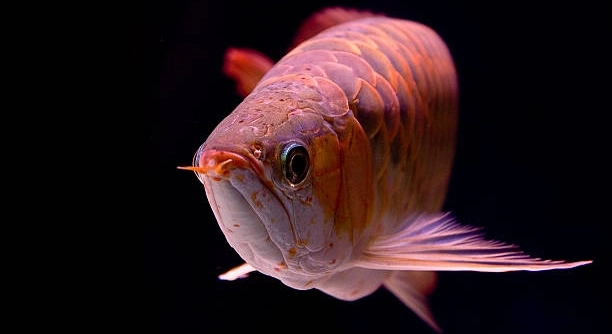
New Arowanas are beautiful and majestic fish, but introducing them to a tank can be tricky. Proper preparation and understanding of their needs help ensure a smooth transition and reduce stress for both the fish and the owner.
Successful introduction of a new Arowana requires careful attention to water conditions, tank size, and acclimation methods. Ensuring compatibility with existing tank mates and monitoring health during the first days is essential for long-term survival and growth.
Following these tips can prevent common mistakes and create a healthier, calmer environment for your Arowana to thrive in its new home.
Preparing the Tank
Before bringing a new Arowana home, it is crucial to ensure the tank is ready. The tank should be large enough to accommodate the fish’s full-grown size, with secure covers to prevent escapes. Water conditions must be stable, including temperature, pH, and hardness. Adding hiding spots or driftwood helps the fish feel safe, reducing stress during the first days. Filters should be tested to handle the increased waste load, and regular water changes should be scheduled. Lighting should be moderate, avoiding sudden changes that could startle the fish. Preparing the tank in advance prevents sudden adjustments that can affect the Arowana’s health.
Proper tank preparation helps the fish adapt quickly. A calm and stable environment reduces stress and promotes better health during the transition period.
Setting up a tank properly can prevent many health and behavior issues. Ensuring adequate space, stable water conditions, and enrichment items prepares the tank for a healthy, thriving Arowana. Taking the time to carefully check every aspect of the tank, from filters to décor, is a key step that influences how well the fish settles in. Observing the tank’s conditions for several days before introducing the fish allows for any adjustments, ensuring a smooth introduction.
Acclimating the Arowana
Acclimation is essential for minimizing stress when introducing a new fish. Gradually adjust the fish to the tank’s water by floating it in a bag or slowly mixing tank water. This prevents sudden shocks.
Slow and careful acclimation protects the fish’s immune system and promotes a healthy transition.
The acclimation process should be done over one to two hours. Begin by floating the sealed bag in the tank for about 15–20 minutes. Next, add small amounts of tank water into the bag every 10 minutes. Observe the fish for signs of stress, such as rapid gill movement or erratic swimming. Once the water in the bag closely matches the tank water, gently release the fish using a net, avoiding pouring the bag water into the tank. This process reduces stress and allows the Arowana to adjust gradually, minimizing the risk of shock or illness. Consistent monitoring after release helps ensure the fish settles comfortably and begins exploring its new environment naturally.
Monitoring Water Quality
Regularly testing water is critical for Arowanas. pH, ammonia, nitrite, and nitrate levels should be checked frequently. Maintaining stable water parameters reduces stress and prevents illness, supporting the fish’s health.
Water quality directly affects an Arowana’s well-being. Fluctuations in pH or ammonia spikes can lead to health problems, including weakened immunity or fin damage. Using a reliable test kit, performing partial water changes, and monitoring filter performance helps maintain stable conditions. Additionally, avoid overfeeding, as uneaten food decomposes and impacts water quality. Keeping detailed records of test results can help identify trends and prevent potential issues before they become serious. Proper maintenance creates a healthier and calmer environment.
Frequent monitoring allows for early detection of potential problems. Observing changes in water clarity, smell, or fish behavior gives clues about the tank’s condition. Immediate corrective actions, such as adjusting filtration, performing water changes, or treating the water, help keep your Arowana safe. Consistency in testing and responding to fluctuations ensures the fish remains healthy and stress-free.
Feeding Practices
A balanced diet is necessary for Arowanas to grow and stay healthy. Feeding too much or too little can cause health issues and affect water quality.
Feed Arowanas a variety of foods, including live, frozen, or high-quality pellets. Avoid overfeeding, as excessive food can pollute the tank and harm the fish. Offer smaller meals two to three times a day, adjusting portions according to size and activity. Observing the fish while feeding helps ensure each meal is consumed and prevents leftovers from fouling the water. Rotate protein sources to provide nutrients and encourage natural hunting behavior, keeping the Arowana active and healthy.
Proper feeding also supports growth and coloration. Fresh or frozen foods such as shrimp, small fish, and insects provide essential proteins and vitamins. Pellets designed for carnivorous fish can supplement their diet. Monitor your Arowana’s body condition regularly, adjusting feeding amounts as it grows. Maintaining a consistent feeding routine improves digestion and reduces waste accumulation, which contributes to water quality management. Feeding at consistent times helps the fish recognize feeding schedules and reduces stress, while occasional treats can provide enrichment and encourage natural behaviors, enhancing both physical health and mental stimulation.
Tank Mates
Choose tank mates carefully, as Arowanas can be aggressive toward smaller or slow-moving fish. Avoid overcrowding and incompatible species to reduce stress and potential injury.
Introducing peaceful, similarly sized fish helps maintain harmony. Monitor interactions closely to ensure no bullying or chasing occurs, adjusting the setup if needed.
Observing Behavior
Watch your Arowana daily for changes in activity, appetite, or appearance. Early detection of stress or illness can prevent serious health issues.
Gradual Adjustments
Make changes to water parameters or tank décor slowly. Sudden shifts can stress the fish and trigger illness.
FAQ
How often should I feed my Arowana?
Arowanas should be fed small amounts two to three times daily. Juveniles need more frequent feedings for growth, while adults can be fed less often. Monitor how much they consume to avoid leftover food, which can harm water quality and lead to health problems.
What is the ideal tank size for a new Arowana?
A single adult Arowana requires at least a 250-gallon tank, as they grow large and need space to swim. A spacious tank helps reduce stress, allows natural behaviors, and prevents injuries from bumping into tank walls or décor.
Can Arowanas live with other fish?
Yes, but tank mates must be carefully selected. Choose similarly sized, peaceful species to avoid aggression. Avoid small or slow-moving fish, as Arowanas may see them as prey. Always monitor interactions for signs of bullying or stress.
How do I acclimate my new Arowana?
Float the fish in a sealed bag for 15–20 minutes, then slowly mix tank water into the bag every 10 minutes over an hour or two. This gradual adjustment prevents shock from sudden water parameter changes and reduces stress during introduction.
How do I maintain water quality?
Test water frequently for pH, ammonia, nitrite, and nitrate levels. Perform regular partial water changes, clean the filter, and avoid overfeeding. Stable water conditions are crucial for preventing illness and supporting the Arowana’s immune system.
What should I feed my Arowana?
Feed a mix of high-quality pellets, frozen or live foods such as shrimp, insects, or small fish. Rotate protein sources to provide balanced nutrition. Feed only what the fish can consume within a few minutes to prevent overfeeding and water contamination.
How can I tell if my Arowana is stressed?
Signs include rapid gill movement, hiding, refusal to eat, or erratic swimming. Stress can result from poor water quality, incompatible tank mates, or sudden changes in the environment. Observing behavior daily helps identify problems early.
How often should I perform water changes?
For a healthy tank, perform partial water changes of 20–30% weekly. This helps remove toxins, replenish minerals, and maintain stable water conditions, supporting the fish’s overall health and growth.
Can Arowanas jump out of the tank?
Yes, they are powerful jumpers. Always use a secure lid to prevent escapes and injuries. Avoid placing objects that the fish could use to leverage a jump, and ensure the tank is covered completely.
How long does it take for an Arowana to settle in?
It can take several days to a couple of weeks. Proper acclimation, stable water parameters, and a calm environment help the fish adjust. Monitor behavior, appetite, and activity levels to ensure a smooth transition.
Is lighting important for Arowanas?
Moderate lighting supports natural behavior without causing stress. Avoid sudden changes, as Arowanas may be startled. Provide some shaded areas or décor to allow the fish to hide and feel secure.
What are signs of illness?
Look for clamped fins, lethargy, loss of appetite, unusual swimming patterns, or visible wounds. Early detection allows for prompt treatment and reduces the risk of serious health problems.
How do I handle aggression?
Separate aggressive individuals or adjust tank décor to provide hiding spots. Choose compatible tank mates and avoid overcrowding. Observing behavior closely allows timely intervention before injuries occur.
Can Arowanas tolerate different water temperatures?
They prefer 75–82°F. Rapid changes or prolonged exposure outside this range can stress the fish, weaken immunity, and increase disease risk. Use a reliable heater or chiller to maintain stable temperature.
How often should I clean the tank?
Regular maintenance includes partial water changes, filter cleaning, and removing uneaten food or debris. Avoid full water changes unless necessary, as they can disrupt beneficial bacteria and stress the fish.
How do I promote growth and coloration?
Provide a varied diet rich in protein and vitamins, maintain stable water conditions, and ensure adequate space. Proper lighting also enhances natural coloration without stressing the fish. Consistent care over time encourages healthy development.
Can I keep multiple Arowanas together?
Only in very large tanks with careful planning. Space, tank size, and monitoring are crucial to prevent aggression. Introduce fish simultaneously when possible, and provide hiding spots to reduce territorial disputes.
Are supplements necessary for Arowanas?
Supplements are only needed if the diet lacks essential vitamins or minerals. A balanced mix of pellets, live, and frozen foods usually provides sufficient nutrition. Monitor the fish’s health and coloration to determine if supplementation is required.
What should I do if my Arowana stops eating?
Check water quality, temperature, and stress factors. Offer a variety of foods, and observe for illness or injuries. Persistent loss of appetite may require veterinary advice to prevent serious health issues.
How do I prevent jumping during feeding?
Feed carefully and avoid startling the fish. Use slow movements, avoid tapping the tank, and ensure a secure lid. This reduces accidents and keeps both the fish and tank environment safe.
How often should I observe my fish?
Daily observation helps identify behavior changes, stress signs, or health issues early. Note any unusual activity, appetite loss, or interactions with tank mates. Early intervention keeps the fish healthy and minimizes problems.
Is water hardness important?
Moderate hardness supports Arowana health. Extremely soft or hard water can cause stress, affect osmoregulation, and lead to illness. Regular testing and adjustments maintain optimal conditions.
How long do Arowanas live?
With proper care, they can live 10–15 years or more. Stable water conditions, proper diet, and stress reduction are key to longevity. Regular observation and maintenance ensure the fish thrives over time.
Can I breed Arowanas in a home tank?
Breeding is possible but challenging. It requires a large tank, optimal water conditions, and compatible pairs. Careful monitoring of behavior, diet, and tank environment is essential for successful reproduction.
How do I introduce a new Arowana to an established tank?
Acclimate the new fish slowly using a floating bag or gradual water mixing. Monitor interactions with existing fish closely, providing hiding spots if necessary. Adjust tank mates and environment to prevent aggression and stress during the first days.
What equipment is essential for Arowana care?
A large, secure tank, quality filter, heater, lighting, water test kits, and nets are essential. Optional décor provides hiding spots, while proper maintenance tools ensure clean and stable conditions. Reliable equipment supports long-term health and well-being.
How can I tell if the tank is overcrowded?
Signs include aggressive behavior, frequent hiding, poor water quality, or stunted growth. Ensure the tank provides enough space for each fish’s size and swimming needs. Adjust stocking levels to maintain a balanced environment.
Can Arowanas coexist with bottom dwellers?
Yes, but select species carefully. Avoid small or slow-moving bottom fish, as they may be attacked. Peaceful, robust species like large catfish or plecos are usually compatible. Always monitor interactions to prevent conflicts.
How do I maintain stable pH?
Use buffers if necessary and avoid sudden water changes with different pH levels. Consistency is more important than hitting an exact number. Stable pH reduces stress and supports overall health.
What is the best water temperature for Arowanas?
Maintain 75–82°F using a reliable heater. Sudden changes can stress the fish, weaken immunity, and cause illness. Consistent temperature supports natural behavior and digestion.
How do I prevent disease outbreaks?
Maintain stable water parameters, avoid overfeeding, quarantine new fish, and observe for illness signs. Early detection and preventive care reduce the risk of outbreaks and support a healthy tank environment.
Can Arowanas recognize their owners?
They can learn feeding routines and may respond to movement near the tank. Recognition is linked to association with feeding and interaction rather than social bonding.
Is tank décor necessary?
Yes, décor provides hiding spots and reduces stress. Driftwood, rocks, or plants allow the fish to feel secure and explore, promoting natural behaviors. Proper arrangement prevents injuries while enhancing the environment.
How do I know if my Arowana is growing properly?
Monitor size, weight, and body condition over time. A healthy Arowana grows steadily with a balanced diet, stable water, and minimal stress. Irregular growth may indicate diet or health issues requiring attention.
What is the best lighting schedule?
Provide 10–12 hours of moderate light daily. Consistency supports natural behavior, coloration, and stress reduction. Include shaded areas for hiding to allow rest and comfort.
How often should I inspect equipment?
Check filters, heaters, and lights weekly to ensure proper function. Malfunctions can affect water quality, temperature, and overall fish health. Regular inspections prevent emergencies.
Are live foods better than pellets?
Both have benefits. Live foods stimulate hunting behavior and provide nutrients, while high-quality pellets ensure balanced nutrition. A combination offers the best diet for growth and health.
How can I prevent tank stress during water changes?
Perform partial changes slowly, avoid drastic temperature shifts, and minimize disturbance. This reduces stress and maintains stable water parameters, ensuring the fish remains healthy and calm.
How do I handle aggressive behavior between Arowanas?
Provide space, hiding spots, and adjust tank mates. Separate fish if aggression persists. Observing behavior daily allows intervention before injuries occur. Proper management prevents stress and ensures a safer environment for all fish.
What are common mistakes when introducing a new Arowana?
Rushing acclimation, poor water quality, incompatible tank mates, and overfeeding are common errors. Careful preparation and monitoring prevent stress, aggression, and health issues, supporting a successful introduction.
How important is tank filtration?
Essential. A strong, efficient filter removes waste, maintains water quality, and supports beneficial bacteria. Proper filtration reduces stress, prevents disease, and creates a stable environment for growth and well-being.
Can Arowanas tolerate lower light conditions?
Yes, but moderate lighting is preferable for natural behavior and coloration. Provide shaded areas to prevent stress while maintaining enough light for feeding and exploration.
How do I manage tank odors?
Regular water changes, removing uneaten food, and proper filtration prevent buildup of waste and bacteria. Good maintenance practices keep the tank clean and the water clear.
What should I do if my Arowana injures itself?
Clean the affected area, maintain pristine water conditions, and observe for infection. Severe injuries may require veterinary care. Preventing hazards in the tank reduces the risk of future injuries.
Can Arowanas adapt to new foods?
Yes, but introduce changes gradually. Mixing new foods with familiar items encourages acceptance without causing stress or digestive issues.
How do I ensure long-term health?
Maintain stable water quality, provide a balanced diet, monitor behavior, and prevent stress. Consistent care, observation, and preventive measures support growth, coloration, and lifespan.
Is quarantine necessary for new fish?
Yes, a quarantine period prevents introducing diseases to the main tank. Observe the new fish for signs of illness and ensure proper acclimation before release.
How can I prevent jumping during tank maintenance?
Keep a secure lid and move slowly around the tank. Avoid startling the fish during cleaning, feeding, or water changes to reduce accidents.
What temperature fluctuations are safe?
Small, gradual changes of 1–2°F are generally safe. Rapid or large swings can stress the fish, affecting immunity and behavior. Maintain stable conditions for health.
How often should I test water parameters?
At least once a week, or more frequently during changes, acclimation, or health concerns. Frequent testing ensures stability and prevents potential issues before they affect the fish.
Can Arowanas coexist with shrimp or small invertebrates?
Generally no. They may see them as food. If included, choose robust species and monitor interactions closely to prevent predation.
How do I reduce stress in a new Arowana?
Provide a calm, stable environment with proper acclimation, suitable tank mates, and minimal sudden changes. Stress reduction supports health, feeding, and adaptation.
Is it necessary to remove uneaten food immediately?
Yes, leftover food decomposes and affects water quality. Removing it promptly prevents ammonia spikes and supports a clean, healthy environment.
How can I encourage natural behavior?
Offer a mix of live foods, hiding spots, and adequate swimming space. Structured feeding routines and environmental enrichment stimulate activity and reduce boredom.
Can Arowanas tolerate tap water?
Only if treated and conditioned properly. Chlorine, chloramine, and heavy metals must be removed to prevent stress and health problems. Regular testing ensures safety.
How do I prevent fin damage?
Maintain adequate space, smooth décor, and stable water conditions. Avoid overcrowding and rough handling to keep fins healthy and intact.
Is water movement important?
Moderate water movement supports oxygenation and filtration. Too strong currents can stress the fish, while stagnant water reduces oxygen levels. Balance is key for a healthy environment.
Can Arowanas recognize feeding times?
Yes, they can learn routines and associate movements near the tank with feeding. Consistent schedules reduce stress and encourage natural responses.
How do I choose the right filter size?
Select a filter rated for at least the tank’s volume. Strong filtration ensures water clarity, removes toxins, and maintains stable conditions essential for Arowana health.
What should I do if the fish shows abnormal swimming?
Check water quality, temperature, and tank mates. Observe for illness, stress, or injury. Prompt intervention prevents further health issues and supports recovery.
Can Arowanas live in slightly acidic water?
Slightly acidic conditions are tolerable if stable. Sudden changes can stress the fish. Maintaining consistent parameters is more important than precise pH values.
How do I prevent overcrowding?
Provide sufficient tank space based on the fish’s adult size. Limit the number of tank mates, ensuring each fish has room to swim, feed, and establish territory.
How often should I observe for health issues?
Daily observation is recommended. Watch for appetite changes, unusual swimming, color loss, or injuries. Early detection allows timely intervention and treatment.
What are signs of poor acclimation?
Erratic swimming, hiding, loss of appetite, and rapid gill movement indicate stress. Address water parameters, temperature, and environment immediately to help the fish settle.
How do I maintain a stress-free environment?
Stable water conditions, compatible tank mates, hiding spots, and consistent feeding routines reduce stress. Minimize sudden changes in temperature, lighting, or décor.
Is tank size more important than décor?
Both matter, but adequate swimming space is critical. Proper décor provides enrichment and hiding spots, but space prevents injuries and stress in large, active fish.
Can I use airstones for Arowanas?
Yes, they help oxygenate water but avoid strong currents. Moderate bubbles improve water quality and oxygenation without stressing the fish.
How do I prevent disease from live food?
Use reputable sources, quarantine or freeze before feeding, and avoid contaminated items. Proper handling reduces the risk of introducing pathogens to the tank.
Are there seasonal care adjustments needed?
Maintain stable water temperature year-round. Adjust heating or cooling gradually. Seasonal changes in light or feeding may require small adjustments to support health and activity.
How do I introduce new tank mates safely?
Quarantine new fish, acclimate slowly, and observe interactions. Provide hiding spots and space to reduce aggression and stress during introductions.
How do I know if the Arowana is comfortable?
Active swimming, regular feeding, vibrant coloration, and calm behavior indicate comfort. Monitor daily for changes to catch stress or illness early.
What should I do if water tests are off?
Perform partial water changes, check filtration, and adjust parameters slowly. Avoid sudden shifts, and retest frequently until conditions stabilize.
Can Arowanas tolerate different lighting colors?
Yes, but natural or moderate lighting is best. Extreme colored lighting may cause stress or alter behavior. Provide shaded areas for comfort.
How do I handle tank maintenance safely?
Use slow, gentle movements, secure lids, and avoid startling the fish. Partial water changes and filter cleaning should minimize disruption and stress.
Can Arowanas adapt to other diets over time?
Yes, gradually introducing new foods helps acceptance. Mixing familiar and new items reduces digestive upset and ensures proper nutrition.
What are the early signs of parasites?
Scratching against surfaces, clamped fins, lethargy, and visible spots or worms indicate parasites. Prompt treatment prevents serious health complications.
How do I ensure a safe environment for juvenile Arowanas?
Provide ample swimming space, secure lids, gentle water flow, and suitable tank mates. Monitor feeding and growth closely for healthy development.
Are Arowanas sensitive to noise or vibrations?
Yes, loud sounds or strong vibrations can stress them. Keep tanks in stable, quiet areas away from constant disturbances.
How do I prevent ammonia spikes?
Regular water changes, controlled feeding, and proper filtration prevent ammonia buildup. Monitor water quality consistently to maintain a safe environment.
Can Arowanas coexist with aggressive species?
No, aggressive tank mates can stress or injure them. Carefully select peaceful, compatible species to ensure a calm environment.
What should I do if my Arowana refuses food?
Check water conditions, temperature, and stress factors. Offer a variety of foods and observe for illness. Persistent refusal may require professional advice.
How do I maintain tank stability during vacations?
Use automatic feeders, ensure filter and heater reliability, and ask someone to monitor water conditions. Stability prevents stress and health issues.
Can Arowanas tolerate different water hardness levels?
Moderate hardness is ideal. Extreme soft or hard water can stress the fish. Regular testing and adjustments maintain suitable conditions.
How do I improve Arowana coloration naturally?
Balanced diet, stable water, and moderate lighting enhance color. Protein-rich foods and occasional treats support vibrancy over time.
Is tank location important?
Yes, place tanks away from direct sunlight, drafts, or vibrations. A stable, quiet location reduces stress and supports health.
How can I prevent aggression during feeding?
Distribute food evenly, feed in small amounts, and avoid overcrowding. Monitor interactions to prevent dominance or bullying.
What should I do if water becomes cloudy?
Check filtration, perform partial water changes, and remove uneaten food. Cloudiness often indicates bacterial blooms or debris accumulation.
Can Arowanas tolerate slightly brackish water?
Occasionally, but they prefer freshwater. Sudden salinity changes can stress or harm them. Maintain mostly stable freshwater conditions.
How do I handle sudden illness?
Is
Final Thoughts
Introducing a new Arowana to a tank is a careful process that requires attention, preparation, and patience. These fish are sensitive to changes in their environment, and even small mistakes can cause stress or health problems. Ensuring the tank is properly set up before the fish arrives is the first step. This includes maintaining clean water, stable temperature, adequate space, and suitable tank mates. Taking the time to check all equipment, test the water, and prepare a secure environment reduces the chances of problems after the introduction. A well-prepared tank gives the Arowana a safe place to explore, feed, and grow, which is essential for its long-term health.
Acclimation is one of the most important steps when adding a new Arowana. A gradual introduction to the water prevents sudden shocks to the fish’s system. Floating the fish in a bag, slowly mixing tank water, and observing for stress are practical measures that help the fish adapt comfortably. Feeding, water quality, and monitoring behavior all play a role during the first days. Paying close attention to these details helps the fish settle in without unnecessary stress. By observing the fish carefully, changes in appetite, swimming patterns, or appearance can be noticed quickly. Addressing small issues early prevents more serious problems from developing, ensuring the Arowana remains healthy and active.
Long-term care involves maintaining consistent routines and creating a stable environment. Feeding a balanced diet, monitoring water parameters, and providing a suitable tank environment help the fish thrive over time. Avoiding overcrowding and incompatible tank mates reduces aggression and stress, while regular observation allows early detection of health concerns. Tank décor, lighting, and enrichment contribute to the fish’s well-being by providing places to hide, swim, and explore. Overall, careful planning, patience, and consistent care are key to successfully introducing a new Arowana. Following these steps supports the fish’s health, encourages natural behavior, and allows it to flourish in a calm, safe, and enriching environment for years to come.

Hello,
If you enjoy the content that we create, please consider saying a "Thank You!" by leaving a tip.
Every little bit helps us continue crafting quality advice that supports the health, happiness, and well-being of pets around the world, for pets of all shapes, sizes, and species.
We really appreciate the kindness and support that you show us!