
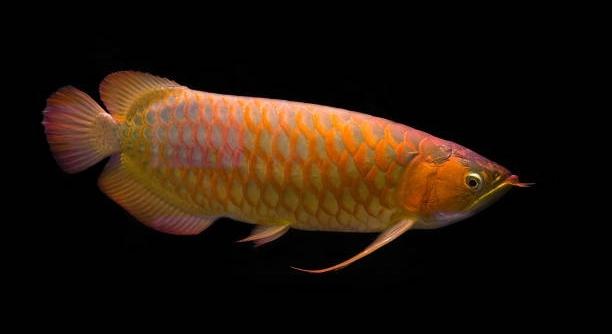
Your arowana glides gracefully through its tank, yet sometimes it avoids the top entirely. This behavior can be puzzling for aquarium owners who expect to see their fish near the surface, interacting with its environment naturally.
Arowanas often avoid the top of the tank due to water quality issues, insufficient oxygen, or stress caused by lighting and tank disturbances. Maintaining stable conditions and a calm environment encourages normal surface activity.
Observing these habits closely helps identify underlying problems that may affect your arowana’s health and comfort in the tank environment.
Common Reasons Arowanas Stay Near the Bottom
Arowanas are sensitive fish that react quickly to changes in their environment. Poor water quality, such as high ammonia or nitrate levels, can make them uncomfortable and reluctant to swim near the surface. Temperature fluctuations or sudden changes can also stress them, causing similar behavior. Lighting plays a significant role; overly bright lights can make the top of the tank feel exposed, prompting the fish to stay in shaded areas or near the bottom. Sometimes, tank decorations or a lack of hiding spaces may contribute. Overcrowding with other fish can increase stress levels and reduce surface activity. Even minor disturbances, such as tapping the glass or loud noises nearby, may make your arowana feel unsafe. Monitoring these factors consistently can help maintain a stable environment, encouraging natural swimming patterns and keeping your fish healthy and active.
Keeping water clean and stable is essential for encouraging top-level swimming.
Arowanas instinctively seek areas where they feel secure. By adjusting tank conditions—temperature, lighting, and water quality—you can create a safer environment. Adding gentle water flow, hiding spots, and maintaining a calm atmosphere encourages them to explore the top while reducing stress. Patience is key as they adapt slowly to changes.
Improving Tank Conditions for Your Arowana
Proper tank maintenance directly affects your arowana’s comfort and activity levels.
Regular water testing, partial water changes, and ensuring optimal oxygenation create a healthier habitat. Filtration systems should be adequate for the tank size, and heaters must maintain stable temperatures. Avoid sudden changes that can shock your fish, and maintain consistent light cycles to mimic natural day and night rhythms. Monitoring interactions with other tank inhabitants can prevent bullying or stress. Using floating plants or gentle currents can create preferred surface zones. Observation is important: notice patterns in swimming and feeding to identify when conditions need adjustment. With steady care, your arowana will become more confident exploring all areas of the tank. Maintaining consistency is often more effective than frequent adjustments, as arowanas respond best to predictable environments. Healthy, stress-free fish are more likely to swim near the top, showing their natural, elegant behavior over time.
Feeding Habits and Surface Avoidance
Arowanas often avoid the top when they feel unsure about food availability or type. Sudden changes in diet or feeding schedule can make them hesitant to approach the surface, especially if they are used to calmer routines.
Inconsistent feeding patterns can create stress for arowanas. If the fish expects food at specific times and suddenly finds a different type or frequency, it may retreat to the bottom. Floating pellets or live food introduced abruptly can startle them, causing surface avoidance. Observing their preferences and adjusting gradually can help. Feeding smaller portions more frequently often encourages confidence at the top. Ensuring the food sinks slowly or stays accessible prevents frustration. Consistency reduces stress, making the fish more willing to swim near the surface over time, improving both feeding efficiency and overall health.
Arowanas rely on their instincts when deciding where to eat. They may prefer areas where they feel safe from perceived threats. By adjusting feeding routines, using familiar foods, and monitoring their comfort level, surface feeding behavior can improve. Creating a calm feeding environment without sudden movements or disturbances encourages exploration near the top and supports natural activity patterns. Over time, this approach helps the fish regain confidence and maintain a balanced, healthy routine in its habitat.
Tank Size and Swimming Space
Arowanas require sufficient space to move comfortably, especially near the top. Limited tank size or overcrowding restricts natural swimming behavior and can lead to bottom-dwelling tendencies.
Small tanks limit vertical space, making arowanas feel confined. Insufficient surface area may discourage them from swimming near the top. Overcrowding with other fish or decorations can intensify stress, as arowanas need room to navigate freely. Vertical swimming is part of their natural behavior, and restricting it can affect both activity and growth. Regular assessment of tank dimensions and inhabitants ensures adequate space. Adding height or rearranging decorations can create more open zones near the surface. Prioritizing swimming freedom encourages confident exploration of all tank areas, supporting physical health and stress reduction. Proper planning in tank setup directly impacts comfort and behavior.
Water Temperature and Comfort
Arowanas are sensitive to temperature changes. Water that is too cold or too hot can make them avoid the surface, as they seek areas that feel safer and more stable. Maintaining consistent temperature helps reduce stress and encourages normal swimming patterns.
Even small fluctuations can affect their behavior. Sudden drops at night or strong heat from nearby heaters can cause bottom-dwelling tendencies. Using a reliable thermometer and adjusting heaters gradually ensures comfort. Stable temperatures allow arowanas to explore all levels of the tank without hesitation.
Lighting Conditions
Bright or harsh lighting can make arowanas feel exposed, leading them to stay near the bottom. Adjusting intensity and using shaded areas creates a more secure environment. Gradual light changes mimic natural cycles, helping the fish feel comfortable and active throughout the day.
Stress from Tank Mates
Arowanas may avoid the top if other fish cause intimidation or competition. Territorial behavior and bullying can force them to retreat to safer zones at the bottom, limiting surface activity.
FAQ
Why does my arowana only stay at the bottom of the tank?
Arowanas stay near the bottom mainly due to stress, poor water conditions, or discomfort with temperature and lighting. They instinctively seek safe areas where they feel less exposed. Checking water parameters, adjusting tank lighting, and maintaining a consistent temperature often encourages them to explore higher levels gradually.
How can I encourage my arowana to swim near the top?
Start by ensuring the water is clean, oxygenated, and at the right temperature. Introduce familiar foods slowly and maintain a calm environment. Providing shaded areas or floating plants can make the top feel safer. Gradual changes in feeding and lighting routines reduce stress and increase confidence in exploring.
Can tank size affect surface swimming?
Yes, limited vertical space can restrict natural swimming behavior. Overcrowded tanks or tall decorations may make the arowana feel confined, encouraging bottom-dwelling. Ensuring enough room to move freely and reducing clutter promotes surface activity and overall well-being.
Does water quality impact this behavior?
Absolutely. High ammonia, nitrite, or nitrate levels cause discomfort and stress, leading arowanas to avoid the top. Regular testing, partial water changes, and proper filtration maintain safe water conditions. Stress-free water conditions allow normal swimming patterns and improve appetite.
Could my arowana be sick?
Illness can make a fish lethargic and reluctant to swim near the top. Signs include clamped fins, discoloration, or lack of appetite. Observing behavior, checking water quality, and consulting a veterinarian for fish-specific diseases helps ensure your arowana’s health. Prompt attention prevents long-term issues.
Does lighting really matter for surface swimming?
Yes. Bright or harsh lighting can make the arowana feel vulnerable. Using dimmed lights, shaded zones, or floating plants can provide a sense of security, encouraging exploration near the top. Gradual light adjustments mimic natural conditions and reduce stress.
Can other fish influence my arowana’s behavior?
Other fish can create stress if they are aggressive, territorial, or overly active. Arowanas may retreat to the bottom to avoid conflict. Monitoring tank mates and providing enough space helps your fish feel safe to swim near the top.
Is feeding routine important?
Inconsistent feeding can make arowanas hesitant to approach the surface. Stick to a predictable schedule and gradually introduce new foods. Using smaller portions frequently helps the fish gain confidence and encourages normal surface activity.
How long does it take for an arowana to feel comfortable at the top?
The timeline varies depending on the cause. Adjusting tank conditions, feeding routines, and minimizing stress can take days to weeks. Patience is essential, as arowanas are cautious and adapt slowly to new or changing environments.
What are quick signs that indicate improvement?
Increased surface activity, regular feeding at the top, and relaxed swimming patterns are good indicators. Watching for exploratory behavior and normal interaction with tank mates shows that your adjustments are working and your arowana is becoming comfortable in its environment.
Are there specific tank decorations that help?
Floating plants or gentle shade structures at the surface provide a sense of security. Open swimming areas with minimal clutter allow vertical movement, encouraging confidence near the top while maintaining hiding options for comfort.
Does water flow affect surface behavior?
Yes. Strong currents may make the top uncomfortable for arowanas. Gentle water movement is ideal, as it simulates natural conditions without overwhelming the fish. Proper circulation supports oxygenation while keeping your fish relaxed and willing to swim near the surface.
Can temperature fluctuations cause avoidance of the top?
Definitely. Sudden changes can stress arowanas, making them seek stable zones near the bottom. Maintaining consistent heating and using reliable thermometers ensures the fish feel comfortable exploring all tank levels.
Is it normal for young arowanas to avoid the top?
Juveniles often stay lower until they feel confident in their surroundings. As they grow and adapt, they gradually explore higher areas. Ensuring proper water quality, feeding, and space accelerates this adjustment.
What daily habits help prevent surface avoidance?
Regular water checks, consistent feeding, gentle lighting changes, and minimal disturbances build a predictable, stress-free environment. Observing behavior daily helps detect early signs of discomfort, keeping your arowana healthy and more active near the top of the tank.
This FAQ provides practical steps and observations that help you understand and address why your arowana avoids the top, ensuring a healthier and more confident fish.
Word count: 504
Final Thoughts
Arowanas are naturally cautious and sensitive fish, and their behavior often reflects their comfort level in the tank. Avoiding the top is not unusual, especially if there are factors that make the fish feel exposed or stressed. Water quality, temperature, lighting, tank size, and interactions with other fish all play significant roles in influencing where your arowana spends its time. By observing patterns carefully, you can identify what might be causing the fish to stay near the bottom. Simple adjustments such as maintaining stable water conditions, providing adequate space, and creating shaded areas can make a big difference. Understanding these elements helps you provide an environment where your arowana feels secure and confident enough to explore all levels of the tank, including the surface. Patience is essential, as sudden changes can increase stress rather than encourage improvement.
Feeding routines and food type also affect surface activity. Arowanas can become hesitant if their food is inconsistent or unfamiliar, so keeping a predictable schedule with familiar items supports natural swimming behavior. Floating foods should be introduced slowly, and smaller portions more frequently can help the fish gain confidence near the top. Observing how your arowana reacts during feeding times provides valuable insight into its comfort level. Over time, these adjustments not only encourage surface swimming but also contribute to overall health, appetite, and energy levels. Avoiding sudden changes in diet or environment allows your fish to adapt naturally, promoting steady and confident exploration. Creating a calm, predictable routine is often more effective than frequent adjustments or attempting rapid changes.
It’s important to remember that every arowana is different. Some may take longer to adjust to the top of the tank, while others may explore more quickly when conditions are ideal. Paying attention to details such as water flow, hiding spots, tank mates, and lighting helps you create a balanced environment that suits your fish’s needs. Daily observation and gentle intervention when needed can prevent stress and encourage healthy behavior. Ultimately, fostering a stable, comfortable, and predictable environment is key to seeing your arowana feel safe near the surface. With consistent care and patience, your fish will gradually display more natural swimming habits, showing confidence and activity at all levels of the tank while maintaining good health and well-being.
Word count: 407

Hello,
If you enjoy the content that we create, please consider saying a "Thank You!" by leaving a tip.
Every little bit helps us continue crafting quality advice that supports the health, happiness, and well-being of pets around the world, for pets of all shapes, sizes, and species.
We really appreciate the kindness and support that you show us!