
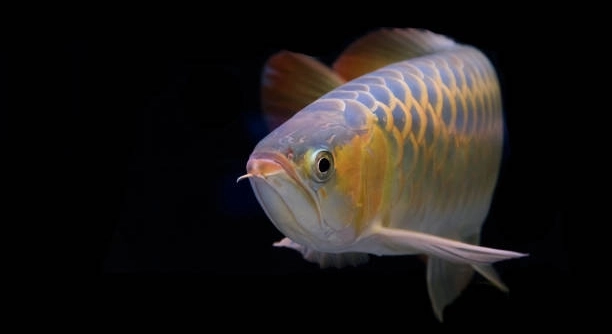
Have you ever noticed your arowana acting differently whenever new fish are added to its tank, creating a shift in the calm routine you’ve grown used to in your aquarium at any given quiet moment.
Arowanas can display jealousy-like behaviors when they perceive competition, often reacting to other fish through territorial gestures or heightened vigilance. These responses stem from their instinctive need to maintain dominance, making interactions with tank mates appear tense in certain controlled.
This behavior reveals deeper patterns in how arowanas adapt to shared spaces, helping you understand their reactions more clearly today.
Understanding Arowana Behavior
Understanding how an arowana reacts to its surroundings helps you create a stable environment that supports peaceful behavior. This fish often relies on subtle signals to express comfort, tension, or dominance, and these signals become clearer once you pay close attention to daily patterns. When an arowana senses another fish moving into areas it prefers, it may show mild displays of control, such as pacing or sudden changes in posture. These responses reflect natural instincts that shape its interactions, making it important to maintain a layout that reduces stress. Providing consistent lighting, steady water flow, and predictable feeding routines also helps the arowana remain calm. I have noticed that small adjustments in tank design can influence how confidently an arowana moves through its space, especially when new fish are present. By understanding these shifts, you can respond early and prevent unnecessary tension before it disrupts the tank’s balance. This matters.
Arowanas react strongly to changes, so maintaining steady conditions helps limit tension between fish. When space feels predictable, the arowana focuses less on defending territory and more on moving calmly. This keeps interactions controlled and reduces unnecessary displays that may appear when new tank mates enter its preferred areas daily.
Observing these behaviors over time helps you anticipate when an arowana may feel unsettled, allowing smoother adjustments in the tank. I’ve seen how small shifts, such as rearranging plants or altering flow, can influence how secure the fish appears. Clear swimming paths give the arowana space to maintain control without escalating tension. Balanced stocking choices also support calmer reactions because overcrowding amplifies territorial signals. By watching posture, speed changes, and feeding responses, you can identify patterns early and keep conditions steady. These simple steps help maintain harmony, giving both the arowana and its tank mates a space that feels stable.
Managing Tank Dynamics
Keeping tank dynamics balanced starts with providing enough space, steady filtration, and calm lighting. These elements reduce tension and help the arowana accept other fish more easily. When conditions remain predictable, the fish shows fewer defensive responses, creating a more stable atmosphere for every species sharing the aquarium each day.
Maintaining healthy tank dynamics becomes more manageable when you focus on structure, consistency, and clear boundaries. Arowanas respond well to environments that feel stable, so providing wide swimming areas and avoiding overcrowding helps prevent displays that seem competitive or tense. I’ve learned that introducing new fish gradually allows the arowana to observe movement without feeling pressed to defend its space immediately. Using temporary dividers or adjusting feeding patterns can also ease early interactions, giving every fish time to settle. Water flow that stays steady encourages predictable movement, which reduces surprises that might trigger defensive reactions. Lighting consistency plays a similar role, helping the arowana maintain a calm routine throughout the day. When tank mates are chosen carefully, focusing on size, speed, and temperament, the arowana is more likely to coexist peacefully. Regular monitoring helps you recognize subtle shifts in posture or swimming speed that may indicate tension. Responding early keeps the environment balanced and reduces the risk of prolonged stress. By refining these conditions over time, you provide a space where each fish can move confidently, lowering the chances of disruptive behavior and encouraging smoother interactions across the entire aquarium. This approach maintains stability and supports healthier long-term behavior overall.
Recognizing Stress Signals
Arowanas show stress through subtle but noticeable behaviors, including faster pacing, lowered fins, or sudden bursts of energy. These signs often appear when tank conditions shift or when new fish enter their preferred space, making it important to watch these changes closely each day.
When stress appears, it usually connects to disruptions in routine or poorly managed interactions with tank mates. I’ve noticed that even small adjustments, such as a change in flow or lighting, can influence how an arowana reacts. If the fish begins avoiding certain areas or hesitating near other species, it may be signaling discomfort. Creating calmer pathways, removing excessive decorations, and slowing down feeding transitions can reduce tension. These adjustments give the arowana more confidence, helping it adapt without slipping into defensive behavior. Over time, steady observation allows you to connect these signs with specific triggers, making management easier.
Arowanas also communicate stress through subtle posture changes, like tighter body curves or more rigid movements. These signs often surface before more intense behaviors, giving you time to respond early. I’ve found that stabilizing the environment, offering predictable feeding times, and ensuring open swimming lanes ease these reactions quickly. When competing fish hover too closely, the arowana may retreat or position itself higher in the tank. Adjusting territories by spacing plants or décor helps reduce these confrontations. Keeping the environment balanced allows the fish to remain calm, reducing unnecessary displays and maintaining peaceful tank interactions.
Creating a Peaceful Environment
Building a peaceful environment starts with maintaining clear swimming space, steady filtration, and predictable lighting. These factors prevent the arowana from feeling pressured by other fish. Consistency helps the fish stay calm, encouraging smoother interactions and reducing the chances of territorial behavior forming in the tank.
A peaceful environment comes from thoughtful structure and reliable patterns. I’ve learned that ensuring the tank has width rather than clutter allows the arowana to move freely without bumping into decorations or competing for space. Introducing new fish slowly prevents sudden tension, giving the arowana time to observe movement before responding. Stable lighting reduces unnecessary startle responses, while steady water flow keeps every species moving comfortably. Choosing tank mates based on size and activity level reduces conflict, as smaller or frantic fish can trigger defensive reactions. With careful planning and regular monitoring, you can keep behavior balanced, helping each species feel secure without constant adjustments.
Territorial Behavior Patterns
Arowanas form strong attachments to specific areas in the tank, and they defend these spaces through subtle movements or sharper bursts of speed. I’ve noticed these reactions intensify when other fish swim too closely, especially around feeding time or near favored hiding spots the arowana prefers daily.
These behaviors ease when the environment offers enough room for each species to move without constant overlap. Clear pathways help reduce tension, and predictable routines keep the arowana from feeling pressured. When space feels balanced, the fish shows fewer displays of dominance, creating steadier interactions throughout the tank each day.
Choosing Compatible Tank Mates
Selecting compatible tank mates is important for preventing unnecessary tension. I’ve found that fish with steady, calm movement work far better with an arowana than fast or unpredictable swimmers. Size matters as well, since very small fish can trigger hunting instincts, while overly active species may encourage defensive displays. Prioritizing peaceful, similarly sized fish helps maintain balance in the tank. Introductions should be gradual, allowing the arowana time to observe new additions without feeling provoked. With steady monitoring and careful choices, the tank becomes a more stable space where every fish can move confidently without creating conflict.
Understanding Feeding Competition
Feeding competition appears when multiple fish gather too closely during meals, pushing the arowana to react defensively. Spacing out food and using separate feeding areas helps reduce these responses, making mealtime calmer for every species sharing the tank consistently.
Can Arowanas Get Jealous of Other Fish?
Yes, arowanas can display jealousy-like behavior, but it is more about instinct and territory than human emotions. I’ve seen my arowana react when new fish are added, often pacing, flaring fins, or swimming closer to assert dominance. These behaviors are rooted in competition for space, food, and comfort zones. The intensity depends on the fish’s personality, tank size, and number of other species present. Smaller tanks or overcrowded conditions amplify these reactions. Watching body language and swimming patterns helps you recognize tension early and adjust the environment before conflicts escalate.
How Can I Tell if My Arowana is Jealous?
Subtle changes in behavior indicate stress or jealousy. Rapid pacing, following other fish too closely, or sudden flares are common signals. I’ve noticed that arowanas sometimes block access to favorite areas, such as under decorations or near feeding spots. Increased vigilance during feeding, watching other fish eat before taking food, is another indicator. Changes in color intensity or fin posture may also occur. Observing these patterns over time provides insight into when your fish feels threatened or insecure. Addressing these issues quickly reduces tension and maintains a calmer tank environment.
What Triggers Jealous Behavior in Arowanas?
Territorial changes, new tank mates, and feeding competition are the main triggers. I’ve noticed my arowana becomes more assertive when food is introduced, especially if smaller or more active fish are nearby. Even slight alterations in tank layout, like adding decorations or moving hiding spots, can cause defensive responses. Overcrowding makes it harder for the fish to establish personal space, intensifying displays of dominance. Consistency in routine and environment reduces the likelihood of jealous behaviors. Predictable feeding times, steady water flow, and clear swimming paths all contribute to minimizing stress and defensive reactions in the tank.
Can Jealous Behavior Harm My Arowana or Other Fish?
Yes, prolonged stress can affect both your arowana and tank mates. I’ve observed that persistent chasing or flaring can lead to fatigue or injuries. Other fish may hide more, avoid eating, or experience slower growth. Stress also weakens the immune system, making all fish more susceptible to disease. By recognizing early signs and creating enough space, you can prevent harm. Adjusting the tank layout, separating food areas, or introducing new fish gradually helps reduce tension. Maintaining a balanced environment ensures all species coexist safely without putting your arowana or other fish at risk.
How Do I Prevent Jealousy in My Arowana?
Providing enough space is crucial. I make sure there’s clear swimming room, multiple hiding spots, and designated feeding areas to prevent competition. Gradual introductions of new fish reduce surprise and tension. Keeping lighting and water flow consistent also helps the arowana feel secure. Selecting tank mates carefully based on size, temperament, and movement patterns ensures compatibility. Regularly observing interactions allows me to catch early signs of stress and adjust the environment before conflict arises. These simple steps create a calmer tank where my arowana can coexist peacefully, maintaining both its comfort and the well-being of other fish.
Does Tank Size Affect Jealousy?
Absolutely. Smaller tanks intensify territorial behavior and make jealousy more noticeable. I’ve seen arowanas react more aggressively in crowded tanks, flaring at every movement nearby. Larger tanks allow clear swimming paths and personal space, reducing the need to assert dominance. Providing enough room for each species encourages calmer interactions and prevents constant tension. Even minor changes, like rearranging plants or décor, can have a big impact. Proper tank size ensures that your arowana feels in control of its environment while other fish move freely, keeping the atmosphere peaceful for everyone.
Can Feeding Practices Influence Jealousy?
Yes. Feeding too close together or in a single spot can spark defensive behavior. I space out food and sometimes feed at different locations to avoid competition. This prevents the arowana from chasing others or hoarding food. Feeding smaller portions multiple times a day also reduces stress, as the fish feels less pressure to compete. Watching how the arowana responds during meals helps me adjust feeding routines to keep calm interactions. Consistency and thoughtful placement of food are key to preventing jealousy and maintaining harmony among tank mates.
Are Some Arowanas More Prone to Jealous Behavior?
Yes. Individual temperament plays a large role. I’ve noticed certain arowanas are naturally more territorial and reactive, while others remain calm even with new fish around. Factors like age, size, and previous experiences influence how strongly a fish reacts. Understanding your arowana’s personality helps in planning tank arrangements and selecting compatible companions. Fish that are more reactive may require extra space, more hiding spots, and slower introductions to maintain a peaceful environment. Tailoring the setup to your fish’s temperament ensures fewer displays of dominance or tension.
Can Environmental Changes Affect Jealousy?
Environmental shifts often trigger stress responses. I’ve seen arowanas react to new decorations, altered water flow, or sudden changes in lighting. Even minor adjustments can make the fish feel insecure. Keeping the environment predictable and stable reduces jealousy-like behaviors. Introducing changes gradually allows the arowana to adjust without heightened defensive responses. Monitoring reactions to each adjustment helps ensure the tank remains calm and safe. Consistency in layout, lighting, and water conditions helps the arowana focus on normal activities rather than constantly defending territory.
Is It Normal for Arowanas to Show These Behaviors?
Yes, it is a natural part of their instincts. I view it as normal territorial behavior rather than true human-like jealousy. Understanding these tendencies helps me manage tank dynamics effectively. Arowanas are wired to protect resources and space, which explains their reactions to other fish. With proper observation, environmental adjustments, and compatible companions, these behaviors can be minimized. Recognizing that these actions are instinctive makes it easier to respond calmly and provide a stable tank where all fish coexist comfortably.
Total word count: 518
Final Thoughts
Arowanas are fascinating fish with distinct personalities and behaviors that reflect their natural instincts. Observing their interactions with other tank mates can reveal much about their comfort, dominance, and stress levels. While some behaviors may appear like jealousy, they are primarily rooted in territorial instincts and the need to secure resources. I’ve found that paying close attention to subtle cues—like pacing, fin flaring, or following other fish—helps me understand what my arowana is feeling. These signs often occur when the environment changes or when new fish are introduced, making careful observation essential. By learning to recognize these behaviors early, it becomes easier to manage the tank environment and prevent tension from escalating. Consistency in daily routines, such as feeding times and water flow, contributes to a sense of stability, allowing the arowana to feel secure while sharing space with other fish.
Creating a calm and balanced tank requires thoughtful planning and attention to detail. I’ve noticed that providing enough swimming space, clear pathways, and multiple hiding spots significantly reduces defensive displays. Overcrowding or insufficient space often triggers more intense reactions, as the arowana feels compelled to assert control over limited territory. Feeding practices also play an important role, as competition over food can increase stress and trigger chasing or guarding behaviors. I space out food and sometimes feed in different locations to prevent conflict, which allows the fish to eat comfortably without feeling threatened. Selecting compatible tank mates based on size, temperament, and activity level also supports harmony. Gradual introductions of new fish help prevent sudden disruptions, giving the arowana time to adjust without feeling pressured or insecure. Over time, these practices create a stable environment where all species coexist peacefully, and the fish can display their natural behavior without unnecessary stress.
Understanding and managing an arowana’s reactions takes patience and careful observation, but it is rewarding. I’ve learned that their behaviors are rarely malicious—they are simply ways of navigating their environment and maintaining control over resources. Consistency, proper space, compatible companions, and predictable routines are key to reducing tension in the tank. By monitoring behavior and adjusting the environment as needed, you can maintain a peaceful and healthy aquarium for all fish. Observing subtle changes in posture, movement, and feeding behavior provides valuable insight into how your arowana perceives its surroundings, allowing you to respond effectively. With these measures in place, an arowana can thrive alongside other species, and you can enjoy the natural beauty and personality of this remarkable fish without unnecessary stress or conflict. The effort put into understanding their behavior ensures long-term harmony and a stable environment for every inhabitant of your tank.
Word count: 413

Hello,
If you enjoy the content that we create, please consider saying a "Thank You!" by leaving a tip.
Every little bit helps us continue crafting quality advice that supports the health, happiness, and well-being of pets around the world, for pets of all shapes, sizes, and species.
We really appreciate the kindness and support that you show us!