
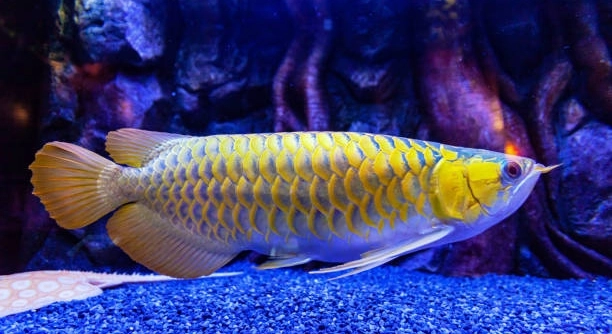
Do you ever find yourself watching your adult arowana and noticing small changes in its behavior that seem easy to overlook? These gentle shifts can reveal meaningful insights into its overall mood and day-to-day comfort.
Adult arowana display subtle mood shifts through variations in swimming patterns, appetite, coloration, and responsiveness. These adjustments often indicate environmental stressors, health fluctuations, or territorial responses, providing behavioral markers that help assess the fish’s state and well-being within its habitat.
These gentle indicators help you better understand your arowana’s behavior, offering clarity that supports a more comfortable aquatic environment overall.
Recognizing Early Behavioral Shifts
When adult arowana begin displaying small behavioral changes, it often reflects something meaningful happening in their environment. I pay close attention to the way they glide through the water, noticing whether their movements feel smooth or slightly hesitant. Subtle tension in their swimming style can reveal early discomfort that may go unnoticed at first. I also watch for changes in appetite, since arowana tend to respond quickly to water quality shifts or emotional stress. When they slow down during feeding, it usually signals that something needs tending. Light color changes can appear during these moments, giving a soft hint that mood is shifting. I find that monitoring these details helps me keep their space stable and supportive. The more I observe with intention, the easier it becomes to detect early signs before they grow into larger concerns. These gentle signals offer a clearer understanding of how they feel each day.
These early signs make it easier to adjust their environment before stress becomes noticeable. I rely on these small cues to maintain balance in their tank, ensuring they remain comfortable. Paying attention to these details encourages steady habits that support long-term stability in their daily care and overall routine maintenance.
As adult arowana continue to adapt to their surroundings, their mood shifts become easier to interpret when you are familiar with their patterns. I find that staying consistent with monitoring helps create a clearer picture of what influences their behavior. Small adjustments to lighting, filtration, or feeding schedules often bring noticeable improvements. When I track these changes over time, I can better understand what keeps them steady and comfortable. This steady awareness allows me to respond quickly and keep their habitat supportive. Observing these subtle signs strengthens the connection I have with their care and helps maintain their overall well-being.
Environmental Factors That Influence Mood
Adult arowana respond strongly to the conditions around them, making their environment an essential part of their behavior. I focus on stability first, making small adjustments when needed. These steady efforts help reduce stress and support clear behavioral patterns that reflect their day-to-day comfort within their aquatic space each day.
Maintaining a balanced environment for adult arowana requires steady attention to multiple factors that influence their mood. I start by watching the water parameters closely, since even small fluctuations can shift their behavior. Consistent temperature, pH, and clarity create a space where they remain calm and responsive. I also pay attention to filtration because arowana react quickly to debris or shifting flow. Keeping the flow gentle helps them move comfortably without unnecessary strain. Lighting plays an important role as well, since harsh brightness can make them uneasy. I prefer soft, even lighting that supports natural movement throughout the tank. Feeding practices also influence their behavior, and I try to maintain predictable routines that keep them grounded. When their meals are consistent, they tend to display steadier patterns during the day. I avoid sudden changes whenever possible, giving them time to adjust to small improvements rather than overwhelming them with multiple changes at once. These steady practices help shape a stable environment that supports behavioral clarity. Over time, I have found that maintaining this balance not only helps prevent stress but also encourages natural movement and healthy interaction with their surroundings. With gentle attention, they remain comfortable and expressive each day.
Identifying Stress Through Subtle Movements
Small shifts in an adult arowana’s movements often reveal early signs of stress. I watch for slower glides, brief pauses, or uneven swimming, as these gentle changes usually indicate discomfort forming before it becomes more noticeable in their daily rhythm.
I rely on these observations to understand what needs adjusting in their environment. When an arowana begins to move with less confidence, I check water quality first since minor fluctuations can influence their comfort quickly. Soft flicking motions or slight tilts during swimming also help me pinpoint when something is off. These delicate signs often guide me toward timely corrections that support their stability without overwhelming them. Keeping track of these patterns gives me a clearer view of how they respond to small shifts in their habitat, allowing me to support their well-being in a steady and consistent way.
Color changes often appear alongside subtle movement shifts, giving additional insight into how they feel. When the tones soften or appear slightly dull, I take it as a sign that they may need more support. These changes usually reflect mild stress, and noticing them early helps prevent larger issues from forming. Pairing these observations with consistent tank maintenance allows me to create a space where they remain comfortable and expressive. Over time, I’ve found that watching these gentle cues helps maintain steady patterns in their behavior and strengthens the overall care they receive.
Tracking Social Responses and Daily Interactions
Adult arowana often express mood changes through their responsiveness, especially when adjusting to new routines or minor environmental shifts. I watch the way they react to movement outside the tank or during feeding, as these reactions help me understand their comfort and engagement each day.
Their interactions often reveal how balanced their environment feels. When an arowana becomes slightly withdrawn, I check whether recent changes may have influenced its sense of security. Calm, predictable behavior usually reflects stable conditions, while sudden hesitations or reduced responsiveness suggest it may need support. I try to keep external disturbances low, as loud sounds or abrupt shadows can affect them more easily than expected. Maintaining consistency in their feeding routine also helps reduce uneasiness. Over time, tracking these interactions provides a clearer picture of their overall mood. By paying attention to these subtle responses, I can adjust their care in ways that support steady comfort and natural expression.
Monitoring Feeding Behavior Shifts
Feeding behavior often reflects how an adult arowana feels. When appetite slows or feeding becomes hesitant, I take it as a sign that something in their environment may need adjustment to help them return to a more comfortable routine.
I also pay attention to how quickly they approach food. A slight delay or softer response usually indicates mild stress. These small shifts help me understand when to check water quality, adjust lighting, or reassess their feeding schedule to keep them steady and supported.
Understanding Resting Patterns and Calm Moments
Resting behavior provides meaningful insight into an adult arowana’s mood. When they linger near the surface or stay still longer than usual, I consider whether recent changes may have influenced their comfort. Observing these calm pauses helps me track their daily rhythm and identify patterns that feel out of place. I try to maintain a stable environment, avoiding sudden adjustments that might disrupt their sense of security. Gentle consistency in lighting, flow, and feeding helps them settle into predictable habits. By watching these quieter moments closely, I can make thoughtful adjustments that support their comfort and help maintain balanced behavior throughout the day.
Interpreting Reactions to Subtle Environmental Noise
Adult arowana react noticeably to quiet shifts in ambient sound, and even soft disruptions can influence their mood. I monitor how they respond during these moments, since small flinches or brief hesitations often reveal when they need a calmer and more stable atmosphere.
FAQ
Why does my adult arowana suddenly become less active even when the environment seems stable?
Adult arowana often reduce their activity when something subtle disrupts their comfort. Even if the environment appears stable, small shifts in temperature, pH, or lighting can influence their behavior. I’ve noticed that even a slight imbalance in water clarity can cause them to move more slowly or pause more frequently. These changes are not always dramatic, but they still affect how secure they feel. When this happens, I check each parameter carefully and make small, steady adjustments rather than large changes. This gentle approach helps them regain confidence without overwhelming them with abrupt corrections.
What does it mean when my arowana’s appetite decreases without any obvious signs of illness?
A reduced appetite in an adult arowana is often one of the earliest indicators of stress. They respond quickly to shifts in their surroundings, even ones that may not seem noticeable at first. I’ve found that slight changes in lighting or water flow can affect their desire to eat. When their feeding slows down, I start by checking for subtle environmental inconsistencies. Keeping the feeding routine predictable also helps them remain grounded. If environmental conditions are stable and appetite still remains low, it may be helpful to observe their behavior more closely for additional signs that something in their space needs adjusting.
Why does my adult arowana change color at different times of the day?
Color changes occur for several reasons, and many are related to mood and stress levels. Adult arowana often adjust their color depending on lighting, water conditions, and their emotional state. When I notice their tone becoming softer or slightly dull, it usually means they need more stability. This doesn’t always signal a serious issue, but it often reveals that something in their surroundings has shifted enough to influence their comfort. Tracking these moments helps me identify patterns and make calm, timely improvements that support their overall well-being.
How do environmental noises influence an adult arowana’s behavior?
Even soft ambient noises can affect an adult arowana more than expected. They respond to subtle vibrations and sudden shifts in sound, often flinching or pausing when they sense something unfamiliar. I try to keep their environment calm, especially during feeding and resting times. Reducing sudden sounds around their tank helps them maintain consistent patterns. Over time, I’ve noticed that a quieter space strengthens their sense of stability and allows them to settle into smoother daily habits.
Why does my arowana seem more sensitive during certain routine changes?
Adult arowana rely heavily on consistency, so even minor changes can influence how they behave. Adjustments to lighting schedules, feeding times, or filtration flow often affect them more than expected. When I introduce changes slowly and predictably, they adapt with less hesitation. Sudden shifts, even ones that seem small, can disrupt their comfort and lead to subtle stress responses. Keeping changes gradual helps them stay balanced and prevents unnecessary tension in their behavior.
What should I look for when trying to understand early signs of stress?
Early stress signs appear in small ways: slower movement, subtle color changes, slight shifts in appetite, or brief hesitations during swimming. These signs may seem minor, but they reveal a great deal about how an adult arowana feels in its environment. I’ve learned that observing these gentle cues helps prevent larger issues from forming. By watching their daily rhythm closely, it becomes easier to identify when something needs adjustment. Small corrections made early often keep them steady and well-supported.
How can I maintain stability in their environment long-term?
Consistency is the key to keeping an adult arowana comfortable. I focus on steady water parameters, predictable feeding routines, and gentle lighting. Regular maintenance helps prevent sudden fluctuations that may unsettle them. I also avoid making multiple adjustments at once, choosing instead to introduce changes slowly. This approach gives them time to settle, helping them maintain a calm, expressive presence in their tank. With patience and observation, long-term stability becomes much easier to manage.
Final Thoughts
Caring for an adult arowana becomes more meaningful when you learn to recognize the small signals that reveal how it feels each day. These fish express themselves through delicate shifts that can easily blend into their routine, yet each movement, pause, or change in behavior carries a purpose. I’ve found that staying patient and observant creates a clearer connection to their needs. Their comfort depends heavily on quiet stability, steady routines, and environments that remain predictable. When I pay attention to the slight variations in swimming, feeding, or coloration, I begin to understand how deeply they respond to even the mildest adjustments around them. This awareness builds confidence in caring for them, helping me provide gentle guidance that keeps them at ease. The more time spent watching these subtle signals, the more natural it becomes to interpret their moods without overthinking each moment. Their calm movements, when understood thoughtfully, reveal the rhythm that supports their well-being and brings harmony to their aquatic space.
Maintaining this level of attentive care requires consistency, but it doesn’t need to feel overwhelming. I’ve learned that simple habits often make the largest difference: regular water checks, soft lighting, predictable feeding times, and minimal disturbances around the tank. These small efforts help adult arowana settle into a routine where they feel secure and expressive. When subtle stress signs appear, addressing them early prevents larger issues from forming. Adjusting one element at a time keeps changes gentle and easier for them to accept without becoming unsettled. A balanced approach allows them to move naturally, respond calmly, and display the healthy behaviors that reflect their comfort. Over time, these steady practices shape an environment that feels safe for them, helping their mood remain consistent even when external conditions shift slightly. This thoughtful attention becomes part of a stable relationship built through observation and quiet understanding, allowing both the caretaker and the fish to move with greater confidence and ease.
In the end, observing an adult arowana’s subtle mood shifts becomes an ongoing practice rather than a task. Their expressions are soft and easy to miss, but when viewed with care, they reveal how deeply connected these fish are to their surroundings. I appreciate the way each small cue—whether a gentle pause, a softened color tone, or a change in appetite—offers guidance on how to support their comfort. These signals help shape a more mindful approach to their care, one that respects their sensitivity and natural rhythm. With patience, consistency, and a willingness to adjust when needed, it becomes easier to maintain a stable space where they can thrive. Their calm presence adds a sense of quiet beauty to daily life, reminding me of the value in watching closely, responding gently, and creating an environment that allows them to feel secure. Through these efforts, caring for an adult arowana becomes a steady, grounding experience that reflects the connection formed through attentive and thoughtful observation.

Hello,
If you enjoy the content that we create, please consider saying a "Thank You!" by leaving a tip.
Every little bit helps us continue crafting quality advice that supports the health, happiness, and well-being of pets around the world, for pets of all shapes, sizes, and species.
We really appreciate the kindness and support that you show us!