
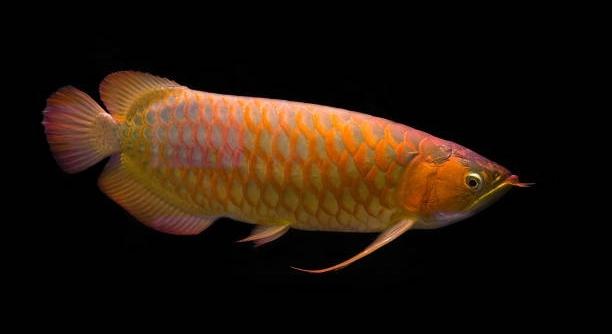
Many arowana owners notice their fish reacting suddenly to shadows or quick movements near the tank. These large, elegant fish are naturally cautious, and their sensitive eyesight makes them easily startled by sudden changes in light or motion around them.
Arowanas flinch at shadows primarily due to instinctive survival behavior. Shadows can mimic predators or sudden threats, triggering a startle response. Ensuring a calm, stable environment with consistent lighting and minimal external disturbances helps reduce this flinching behavior.
Observing these subtle reactions is important, as understanding your arowana’s behavior can improve both its comfort and your enjoyment as an owner.
Understanding Arowana Instincts
Arowanas are naturally cautious fish with strong survival instincts. Their flinching at shadows is not unusual, especially in home aquariums where lighting and sudden movements can seem threatening. In the wild, these fish rely on keen eyesight to detect predators, so even small shadows can trigger a startle response. Flinching is a normal reaction that helps them avoid potential danger. Tank setup also plays a role; bright lights, reflections, or even a person walking nearby can cause repeated sudden movements. Observing your arowana closely helps identify what triggers these reactions. Over time, you can create a more stable environment, such as adjusting lighting or limiting rapid movements near the tank. This allows your fish to feel more secure, reducing stress. A calmer arowana will display more natural behaviors like gliding gracefully across the tank and exploring its environment without constant alertness.
Flinching is usually harmless but signals that your fish is highly alert.
Being aware of triggers and adjusting the tank setup can help your arowana feel more secure, reducing stress-related reactions and promoting healthier behavior overall.
Adjusting the Tank Environment
Small changes in lighting or decorations can make a big difference.
Maintaining a consistent, soft light level is key to reducing shadow-induced flinching. Avoid placing the tank near windows or areas with frequent movement, which can cast shifting shadows that startle the fish. Adding plants or background panels can help block external distractions and create a sense of security. Decorations should be arranged thoughtfully, providing hiding spots and open swimming areas, so the fish feels safe but not confined. Overhead lights should be gentle and avoid sudden bright flashes, which can cause stress. Arowanas also respond to reflections, so reducing glass glare or repositioning the tank may help. Observing their reactions over time allows you to fine-tune the environment for comfort. Regular maintenance, like cleaning the tank and checking water conditions, also contributes to a stable habitat. A calm, predictable environment encourages natural behavior and minimizes unnecessary flinching, helping your arowana thrive in your care.
Feeding and Shadow Reactions
Arowanas can become more jumpy around feeding time. Shadows cast by hands or feeding tools may trigger flinching, even if food is present. Consistency in feeding routines helps reduce these reactions and makes the fish more comfortable.
Using the same schedule for meals helps the arowana anticipate feeding times. Sudden movements above the tank, like dropping pellets quickly, can startle the fish. Gently placing food in the water and minimizing shadows during feeding encourages calmer behavior. Watching the fish gradually adjust to your routine is reassuring, as it shows the fish is learning to feel secure despite minor visual disturbances. Over time, this reduces unnecessary flinching and helps create a stable environment where the arowana can feed confidently without stress.
Fluctuations in feeding techniques or irregular schedules often worsen shadow sensitivity. Keeping tools, food, and timing predictable allows your fish to develop trust and reduces instinctive startle responses, fostering a calmer daily environment.
Water Quality and Tank Conditions
Water clarity and temperature have a direct impact on arowana behavior. Murky water or sudden temperature changes can make shadows appear sharper, causing frequent flinching. Proper filtration and consistent heating help maintain a stable, calm environment.
Monitoring water parameters, like pH, ammonia, and temperature, is crucial. Arowanas are sensitive to even small changes, which can increase stress and make them more reactive to shadows. Regular water changes and filtration maintenance ensure clean, clear water, reducing startling reflections or distortions. Stable temperature prevents sudden discomfort that might trigger rapid movements or flinching. Observing the fish’s behavior alongside water conditions helps identify correlations between environmental factors and reactions. Providing a calm and consistent aquatic environment encourages natural swimming patterns, lowers stress levels, and reduces unnecessary flinching caused by visual or physical disturbances.
Tank Placement and Surroundings
Placing the tank in a quiet area with minimal foot traffic reduces shadows and sudden movements that startle your arowana. Avoid locations near windows where changing sunlight can create unpredictable patterns. A stable environment helps your fish feel safer and less reactive.
Keeping the tank away from doors, vents, or high-activity spaces also minimizes stress. Shadows from people walking by or objects moving near the aquarium can trigger flinching. Consistency in surroundings allows the arowana to establish a sense of security, making it more relaxed and confident in its habitat.
Lighting Adjustments
Using soft, consistent lighting prevents sharp contrasts that scare the fish. Avoid bright overhead lights or sudden changes in illumination. Gradual light transitions help the arowana adapt and reduce stress responses.
Observing Body Language
Pay attention to tail flicks, fin clamping, or rapid swimming. These are signs your fish is startled or stressed. Early detection helps you adjust the environment to prevent repeated flinching.
Minimizing External Disturbances
Limit visitors, tapping, or movement near the tank. A calm environment encourages natural behavior and reduces unnecessary flinching.
FAQ
Why does my arowana flinch at shadows even when the tank is quiet?
Arowanas have very sensitive eyesight and strong survival instincts. Even minor changes in light or small shadows can look like threats. Quiet surroundings help, but shadows from reflections or moving objects inside the room may still trigger flinching. Over time, consistent conditions reduce this reaction.
Can feeding make my arowana more jumpy?
Yes. Shadows cast by hands, feeding tools, or floating pellets can startle them. Using a consistent feeding routine with gentle placement of food allows your fish to anticipate meals without sudden visual triggers. This helps reduce stress during feeding times.
Does tank lighting affect shadow reactions?
Absolutely. Harsh overhead lights, reflections on glass, or sudden light changes make shadows more noticeable. Soft, consistent lighting with gradual transitions helps your arowana feel secure and reduces frequent startle responses caused by visual disturbances.
Do reflections in the tank contribute to flinching?
Reflections can confuse or alarm your arowana, making them think another fish or predator is nearby. Minimizing reflective surfaces, adjusting light angles, or using background panels can reduce these visual triggers and create a calmer environment.
Can tank placement influence flinching?
Tank location matters. Areas with high foot traffic, nearby doors, or strong sunlight create moving shadows and sudden light changes. Placing the aquarium in a quiet, stable area helps your fish feel safer and less reactive to passing shadows.
Does water quality impact shadow sensitivity?
Yes. Murky water or sudden temperature changes make shadows appear sharper or distort light. Clean, clear water and stable temperature reduce visual stress, allowing your arowana to react less to shadows while promoting healthier behavior overall.
Are young arowanas more likely to flinch than adults?
Juvenile arowanas are often more sensitive because their instincts are heightened, and they are still learning their environment. Adults can still react, but repeated exposure to a calm, stable environment helps them become more confident and less startled over time.
Can decorations reduce flinching?
Strategically placed plants, rocks, or backgrounds give your arowana hiding spots and break up sudden visual changes. Open swimming areas balanced with secure spaces allow the fish to feel safe while exploring the tank naturally, which reduces overall stress and flinching.
Is flinching a sign of illness?
Not usually. Flinching is mostly a natural instinct. However, sudden excessive flinching combined with lethargy, loss of appetite, or abnormal swimming may indicate health issues. Monitoring both behavior and tank conditions helps ensure the fish remains healthy and stress-free.
Will consistent daily care help?
Yes. Maintaining a stable routine with regular feeding, consistent lighting, clean water, and minimal disturbances teaches your arowana to feel secure. Over time, predictable conditions reduce stress responses like flinching and support healthier, calmer behavior in the tank.
How can I tell if my arowana is too stressed by shadows?
Signs of stress include rapid swimming, hiding frequently, clamped fins, and repeated flinching. Noticing these behaviors early allows you to adjust lighting, surroundings, or tank placement to create a calmer environment that reduces fear-based reactions.
Are some arowanas more sensitive than others?
Yes. Individual temperament varies. Some arowanas are naturally more cautious and easily startled, while others are more relaxed. Understanding your fish’s personality helps tailor care, including tank setup, feeding methods, and lighting adjustments to minimize flinching.
Do sudden noises contribute to shadow flinching?
Noises alone can startle an arowana, but combined with moving shadows, they amplify stress. Keeping the aquarium area quiet and avoiding tapping on glass or sudden loud sounds helps reduce both visual and auditory triggers for flinching.
Can I train my arowana to ignore shadows?
Arowanas can adapt gradually. Repeated exposure to calm, consistent light and gentle movements teaches them there is no real threat. Patience and consistent environmental management help reduce overreaction to shadows without forcing the fish or causing stress.
Does tank size make a difference?
Larger tanks give the arowana space to avoid perceived threats, which can reduce stress-related flinching. Adequate space combined with proper décor, lighting, and stable water conditions encourages natural behavior and lowers overall reactivity to shadows.
How long does it take for an arowana to feel secure?
It varies by fish and environment. Some arowanas adjust within weeks with consistent care, while others may take months. Observing behavior, maintaining stable routines, and reducing triggers helps your fish gradually feel safer and less prone to startle responses.
What role does human presence play?
Frequent movement near the tank or casting shadows with hands can startle the fish. Staying calm and minimizing sudden movements while observing helps the arowana feel more comfortable, which encourages calmer behavior and reduces flinching over time.
Are there signs that shadow sensitivity is improving?
Yes. The fish swims calmly, explores the tank more, and shows fewer sudden startle reactions. Gradual improvement in behavior indicates that environmental adjustments and consistent routines are helping the arowana feel more secure in its habitat.
Can other fish in the tank affect shadow reactions?
Yes. Other active or aggressive fish can increase stress levels. Shadows cast by their movements or sudden interactions may startle your arowana. Monitoring tank mates and ensuring compatible species helps reduce stress and unnecessary flinching.
Should I consult a veterinarian for frequent flinching?
Only if flinching is accompanied by other signs of illness, such as unusual swimming, discoloration, or loss of appetite. Regular behavioral observation and proper tank maintenance are usually enough to manage shadow sensitivity without medical intervention.
Is it normal for flinching to persist occasionally?
Yes. Even with ideal conditions, arowanas may flinch occasionally due to instinctive caution. The goal is to reduce frequency and intensity, not eliminate the behavior entirely, as it is part of their natural survival instincts in both wild and home environments.
Final Thoughts
Arowanas are elegant, intelligent fish with strong survival instincts. Their flinching at shadows is a natural behavior rooted in caution and awareness of potential threats. In the wild, any sudden movement or dark shape could signal a predator, so these responses are built into their instincts. Even in a calm home aquarium, arowanas may react to small changes in light, reflections, or movements around the tank. Recognizing this behavior as normal is important for understanding your fish and managing your expectations. Instead of seeing flinching as a problem, it can be viewed as a sign that your arowana is alert and responsive to its environment.
Creating a stable and predictable habitat is key to reducing frequent flinching. Lighting should be consistent and soft, avoiding sudden brightness or harsh overhead lights. Tank placement matters too, keeping the aquarium away from high-traffic areas, doors, and windows that produce shifting shadows. Decorations like plants, rocks, and background panels provide security while allowing open swimming areas. Feeding routines should be regular and calm, with careful placement of food to avoid casting shadows. Water quality and temperature should be monitored and maintained, as disturbances in these areas can increase sensitivity. When combined, these steps create an environment where your arowana feels safer, allowing it to move and explore with less stress.
Patience and observation are important for any arowana owner. Flinching is unlikely to disappear completely, but careful attention to tank conditions, surroundings, and daily routines can significantly reduce how often it occurs. Watching your fish adapt over time and gradually become calmer is rewarding, showing that the measures you take are effective. Each arowana has its own temperament, so responses will vary, but maintaining consistency in care helps build trust between you and your fish. A calm, secure environment benefits not only the arowana’s physical health but also its overall behavior and comfort. Understanding and supporting these natural instincts helps create a more enjoyable and harmonious experience for both the fish and the owner.

Hello,
If you enjoy the content that we create, please consider saying a "Thank You!" by leaving a tip.
Every little bit helps us continue crafting quality advice that supports the health, happiness, and well-being of pets around the world, for pets of all shapes, sizes, and species.
We really appreciate the kindness and support that you show us!