
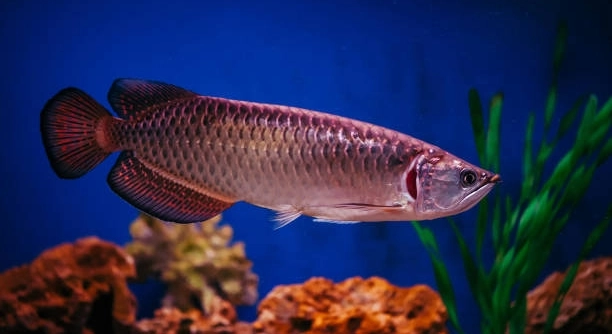
Have you ever struggled to introduce new tankmates to your arowana, only to find the usually calm environment turning tense and unpredictable as the fish resists sharing its space with unexpected stress and persistent conflict?
Arowana often refuse new tankmates due to territorial behavior and stress from environmental changes, making careful acclimation essential. Providing ample space, stable water conditions, and gradual introductions reduces aggression and increases the likelihood of successful cohabitation in a aquatic environment.
Learning how to manage these challenges helps create a safer setup, guiding you toward smoother interactions and a peaceful aquarium.
Understanding Why Arowana Reject New Tankmates
Arowana are naturally territorial, and introducing new fish into their space can create tension that appears quickly and intensely. Their instincts make them protective of their environment, especially if the tank is smaller or lacks clear boundaries. When unfamiliar species enter the aquarium, an arowana may react with defensive behavior, chasing, flaring, or even refusing food due to stress. These reactions can be confusing, but they often reflect discomfort rather than aggression for no reason. By recognizing these signs early, you can respond with calm adjustments instead of making abrupt changes. This approach not only helps your arowana relax but also supports a healthier environment for every fish in the tank. Small improvements in layout, lighting, or flow can reduce tension and make the space feel safer. Over time, consistency and patience become key factors in helping your arowana accept new tankmates without unnecessary disruptions.
Arowana react to sudden changes, so maintaining stability in the aquarium helps prevent stressful behavior. A calm environment supports better acceptance of new companions and reduces conflict during early introductions.
Creating the right setup gives your arowana more control over its space, lowering stress and supporting smoother interactions. By observing behavior patterns and adjusting tank conditions, you can create an environment where the arowana feels safe, allowing new fish to settle in more easily without unwanted tension.
Steps to Improve Tankmate Introduction
Introducing new fish slowly allows the arowana to observe changes without feeling overwhelmed. A stable routine supports better behavior, especially when tank conditions are monitored carefully and adjusted as needed.
Arowana respond best when changes are made in small, controlled steps. Begin by placing the new fish in a separate acclimation container within the main tank so the arowana can see them without direct contact. This visual exposure helps reduce defensive reactions and allows both sides to adjust to each other’s presence. After a day or two, release the new fish during a calm period, ideally when the lights are dim. This reduces the intensity of the moment, making interactions less stressful. Ensure the tank has enough space and hiding areas so smaller fish can avoid confrontation if needed. Keep feeding consistent, as food-related tension can trigger territorial behavior. Monitoring these early interactions helps you intervene quickly if problems arise, giving both the arowana and new tankmates the best chance for peaceful coexistence.
Adjusting the Environment for Better Compatibility
Creating a stable environment helps your arowana feel secure, which makes tankmate introduction smoother. Simple changes like reducing bright lighting, improving water flow, and adding more structure can ease tension and prevent defensive reactions that disrupt the balance of the aquarium.
Arowana respond well when the tank layout offers clear territories and unobstructed swimming paths. Adding tall plants, driftwood, or rock formations creates visual breaks that help reduce direct confrontation between fish. Steady water parameters also play a major role, so maintaining proper temperature, pH, and filtration becomes essential. These adjustments support calmer behavior and encourage your arowana to accept new companions over time. Consistency helps prevent stress, allowing the entire tank to function more peacefully without sudden conflicts triggered by environmental instability.
When the tank feels cluttered or lacks hiding spaces, tension tends to increase. Improving spacing and rearranging décor can reduce stress for both the arowana and its new tankmates. Extra structure gives smaller fish areas to retreat, while wider swimming lanes prevent the arowana from feeling cramped. These simple shifts help create a smoother transition during early introductions and support long-term compatibility.
Monitoring Behavior After Introduction
Close observation helps you recognize early signs of stress before they escalate. Watching how the arowana moves, responds to food, and interacts with other fish gives you a clearer picture of whether the introduction is going well or needs adjustments to keep the environment safe.
Some arowana may take longer to adapt, so steady monitoring becomes important during the first few days. Look for subtle changes such as reduced appetite, pacing, or excessive flaring, as these can indicate discomfort. If tension rises, temporarily separating the fish can prevent injury and give the arowana time to calm down. Adjusting lighting or feeding routines may also help soften the atmosphere. By staying attentive, you can manage small issues before they grow, guiding the tank toward smoother behavior patterns and safer long-term interactions.
Feeding Strategies During the Adjustment Period
Feeding smaller portions more frequently helps reduce tension, especially when the arowana feels uncertain around new tankmates. Keeping meals predictable supports calmer behavior and prevents competition that could make the arowana more territorial during the early stages of adjustment.
Offering food in different areas of the tank limits direct interaction between fish. This simple approach helps the arowana focus on eating instead of reacting to movement around it. Spreading out meals also gives new tankmates space to eat without feeling threatened.
When Separation Becomes Necessary
If the arowana shows persistent stress or aggression, a temporary divider can protect the other fish while allowing everyone to remain in the same environment. This gentle separation gives the arowana time to settle without causing further disruption or risk to the new arrivals.
Choosing the Right Tankmates
Selecting species that can tolerate the arowana’s size, movement, and temperament helps reduce conflict. Calm, sturdy fish with enough speed to avoid unwanted attention stand a better chance of settling in smoothly alongside a more dominant companion.
FAQ
Why does my arowana seem aggressive toward new tankmates?
Arowana often react strongly to change because they are territorial by nature. When another fish enters their space, they may see it as a threat. This can lead to chasing, flaring, or even sudden bursts of speed meant to intimidate the newcomer. Their size and confidence make these reactions look intense, but they usually stem from discomfort rather than true hostility. By recognizing this early and adjusting lighting, layout, or feeding routines, you can help ease tension and guide the arowana toward calmer behavior.
How long does it take for an arowana to accept a new tankmate?
Each arowana behaves differently, but most need several days to a couple of weeks to adjust. During this time, you may notice cautious swimming, hesitation, or extra alertness. These actions are normal as the arowana learns to share its environment. Keeping water conditions stable and avoiding any major changes helps shorten this period. Steady routines build trust, making it easier for the fish to adapt without unnecessary stress.
What signs should I watch for if the introduction is not going well?
Look for early indicators such as pacing, refusing food, sudden lunges, or excessive flaring. These behaviors show the arowana is uncomfortable and struggling with the change. If the new fish hides constantly, loses color, or avoids open spaces, it may be feeling threatened. When these signs appear, it’s best to slow down the process. A divider, dimmer lighting, or shifting décor can help calm the environment and prevent issues from escalating.
Can tank size affect how well an arowana accepts new fish?
Tank size plays a major role. Arowana need plenty of space to swim comfortably, and limited room makes them more defensive. A small or crowded tank increases tension, especially when new fish enter. Larger tanks create natural separation and help the arowana feel less pressured. Adequate swimming lanes and open areas can make introductions smoother, reducing the chance of conflict. Even a slight increase in space can have a noticeable impact on behavior.
Should I rearrange the tank before adding new fish?
Rearranging the tank can help reset territorial boundaries. When décor shifts, the space feels unfamiliar to the arowana, preventing it from clinging too tightly to specific areas. New hiding spots give smaller fish safe zones, and visual breaks help reduce direct confrontation. Avoid drastic changes, but gentle adjustments can create a more balanced environment that encourages acceptance rather than defensive behavior.
What types of fish usually do well with arowana?
Fish that are calm, sturdy, and fast enough to avoid unwanted attention tend to adapt better. Medium to large species that neither provoke nor challenge the arowana create a more stable atmosphere. Avoid fish that nip fins, move erratically, or look small enough to be mistaken for food. Matching compatibility based on size, temperament, and activity levels helps prevent problems before they begin.
Is it normal for an arowana to skip meals after new fish are added?
Yes, temporary loss of appetite is common. Stress affects feeding behavior, and the presence of new fish can make the arowana more cautious. Keeping meals small and consistent helps encourage eating again. Avoid offering excessive food, as this can create unnecessary tension. Once the environment feels stable, appetite usually returns on its own.
When should I consider removing the new tankmate permanently?
If repeated attempts at adjustment fail and the arowana continues showing intense aggression, it may be best to separate them for good. Injuries, constant hiding, or severe stress are clear signs the pairing isn’t working. Prioritizing the safety of all fish is important, and some combinations simply aren’t compatible. Recognizing this early helps protect your aquarium from long-term problems.
Final Thoughts
Caring for an arowana can feel rewarding, but it also comes with moments where patience and careful observation matter more than anything. When new tankmates enter the picture, the environment shifts in ways that your arowana immediately notices. These changes can create tension, and you may find yourself adjusting many small things just to keep the peace. It helps to remember that an arowana is sensitive to movement, space, and routine, so even minor disruptions can influence how it behaves. Staying consistent with water quality, lighting, and feeding helps create a calmer atmosphere where new fish have a better chance of settling in without unnecessary stress. Over time, small habits like watching body language or noticing how the tank flows can help you understand what your arowana needs to feel secure. These efforts may seem slow, but they build a foundation that makes the aquarium safer and more peaceful for every fish inside it.
Introducing new tankmates is rarely a simple process, especially with a naturally territorial species. You might face moments where the arowana reacts strongly, and it’s easy to feel discouraged when the fish seems unwilling to cooperate. Still, taking the process step by step makes a big difference. Using gradual introduction methods, allowing visual contact first, and giving the new fish space to move without pressure helps ease tension. It also helps to create a layout that encourages separation when needed, with hiding areas and clear swimming paths that reduce the likelihood of direct confrontation. Sometimes the aquarium may need rearranging or small environmental adjustments to keep everything balanced. These changes don’t just protect the new fish—they help the arowana stay relaxed and avoid unnecessary stress. Watching how your fish respond to each shift gives you better insight into what works, helping you make decisions that support a healthier environment for everyone involved.
Even with careful planning, not every introduction will go smoothly, and that’s completely normal. Some arowana simply take longer to adjust, while others may never accept certain tankmates. Recognizing these limits can save you from repeated frustration and protect your fish from stress or harm. What matters most is paying attention, responding early to warning signs, and giving your arowana the environment it needs to feel comfortable. With steady routines, gentle adjustments, and patience, many fishkeepers find that their arowana eventually becomes more tolerant of new tankmates. The experience teaches you to read subtle patterns and create conditions that support long-term stability. In the end, your efforts help build a balanced aquarium where your arowana can thrive while still allowing room for carefully chosen companions.

Hello,
If you enjoy the content that we create, please consider saying a "Thank You!" by leaving a tip.
Every little bit helps us continue crafting quality advice that supports the health, happiness, and well-being of pets around the world, for pets of all shapes, sizes, and species.
We really appreciate the kindness and support that you show us!