
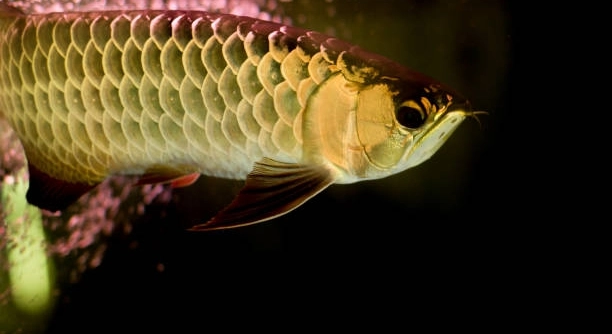
Do you ever find yourself watching your arowana make a quick flashing movement before suddenly becoming completely still in the water? This behavior can seem unusual, especially when your fish appears otherwise healthy and calm in its environment.
Arowanas commonly flash and then freeze due to stress, irritation, or environmental discomfort. Rapid flashing often indicates skin or gill irritation, while freezing can follow as a defensive response. Water quality issues, parasites, or sudden changes in surroundings are the most frequent causes of this behavior.
Understanding what triggers this pattern helps you respond with proper care, creating a calmer and healthier space for your arowana to thrive.
Common Triggers Behind Flashing Behavior
Understanding what leads to flashing is important when trying to support a calmer arowana. This behavior often begins with something in the environment irritating your fish, making it react with sudden movement. Water conditions that shift too quickly, such as changes in temperature or pH, can overwhelm your arowana and trigger a physical response. Even small amounts of ammonia or nitrite can create discomfort, pushing the fish to rub or flash to relieve irritation. External parasites may also be involved, especially when flashing becomes more frequent over time. Strong lighting, sudden shadows, or fast movements around the tank can startle the fish and cause a quick reaction followed by a freeze. Because arowanas rely heavily on stability, they are sensitive to disruptions that seem minor to us. By watching how environmental details influence behavior, you can better understand what your fish is communicating through these abrupt movements.
Flashing that appears occasionally may not indicate a serious problem, but frequent or repeated flashing often signals irritation that needs attention. Observing small environmental changes helps you identify patterns that point to the source of discomfort.
When you become familiar with what your arowana considers stressful, addressing flashing behavior becomes much easier. Stability in water quality, lighting, and movement around the tank provides reassurance for your fish. Over time, these adjustments help reduce sudden reactions, allowing your arowana to feel more secure in its space.
How Freezing Connects to Stress Responses
Freezing after a sudden flash often occurs when the arowana feels overwhelmed or startled by something in its environment. This stillness can be a natural response used to assess surroundings, especially when the fish senses unfamiliar changes.
Freezing is usually tied to the arowana’s need to process what just happened after the initial flash. When a stimulus feels threatening, the fish may pause completely to reduce attention from potential predators or disturbances. In home aquariums, this response can appear when water movement becomes too strong, lighting shifts abruptly, or tank maintenance disrupts the usual routine. Arowanas that feel watched, exposed, or crowded may also use freezing to cope with overstimulation. Providing stable water parameters, predictable lighting, and gentle surroundings helps reduce these reactions. Consistent maintenance, slow movements, and a calm environment give your arowana fewer reasons to feel unsettled. Over time, the fish becomes more confident, showing smoother and more relaxed behavior throughout the day.
Environmental Factors That Increase Irritation
Water that shifts in temperature, pH, or clarity can quickly bother an arowana, causing sudden flashing followed by a pause. Even minor fluctuations affect how the fish feels, making stability essential. Consistent testing and gentle changes help lower irritation before it develops into repeated reactions.
Uneven filtration, leftover waste, and inconsistent cleaning routines can create small spikes in ammonia or nitrite that bother your arowana. These irritants may not be visible, but they influence skin and gill comfort, encouraging rapid rubbing or sudden body movements. Keeping filters maintained, cleaning debris before it builds up, and avoiding abrupt adjustments helps keep irritation low. Proper aeration also supports stable oxygen levels, giving the fish a comfortable space. When water remains predictable, your arowana responds with calmer, steadier behavior and fewer abrupt movements.
Light intensity also influences comfort. Strong overhead lighting, reflections, or sudden shadows may startle the fish and trigger a flash. Softening lighting, reducing glare, and keeping the surrounding area calm help your arowana feel more secure. Over time, these changes reduce stress-related behaviors tied to visual disturbances.
Behavioral Signs That Suggest Deeper Discomfort
Repeated flashing paired with prolonged freezing often indicates discomfort that goes beyond simple environmental irritation. These patterns suggest the fish is trying to cope with stimulus overload or internal stress. Observing the timing, frequency, and conditions surrounding each episode helps you understand what consistently triggers the behavior and when the fish feels most unsettled.
When freezing becomes a common response, the fish may be reacting to social pressure, lack of hiding spaces, or uncertainty in its surroundings. Arowanas prefer clear swimming routes and gentle movement around their tank. Overcrowding, strong currents, or frequent activity near the glass can amplify stress. Providing open swimming space, reducing fast movement near the tank, and ensuring a calm environment encourages steadier behavior. By focusing on predictability and comfort, you help the arowana feel more in control, reducing the need for sudden movements or long pauses as coping mechanisms.
Parasites and Physical Irritation
External parasites such as flukes or lice can irritate the skin and gills, causing sudden flashing as the fish tries to relieve discomfort. These organisms attach themselves quietly, so symptoms often appear before you notice anything unusual in the tank.
When irritation becomes consistent, the fish may combine flashing with freezing as it tries to recover from the discomfort. Treating the tank with appropriate parasite control and improving overall cleanliness helps remove these irritants. Maintaining a stable environment afterward lowers the chance of reinfection.
The Role of Stress and Sudden Disturbances
Stress increases when the arowana experiences sudden changes around its tank, including movement, loud noises, or rapid adjustments to equipment. These disturbances overwhelm the fish’s sense of safety, prompting quick flashing followed by a freeze. Predictable surroundings, slow movements, and a calm environment help reduce this pattern. Stability allows the fish to adjust without reacting abruptly and improves overall behavior.
When Behavior Signals Something More
Frequent episodes of flashing and freezing may indicate deeper issues that require closer attention. Identifying patterns early helps you understand your arowana’s needs before discomfort becomes more intense.
FAQ
Why does my arowana flash only at certain times of the day?
Arowanas are sensitive to light, activity, and environmental changes. Flashing at specific times often relates to shifts in lighting, feeding schedules, or household activity near the tank. Morning or evening flashes may occur when lights turn on or off, creating sudden brightness changes. Adjusting light gradually or using a timer can reduce these episodes and create a more predictable routine.
Can poor water quality alone cause flashing and freezing?
Yes, water quality is a major factor. Ammonia, nitrite, and high nitrate levels irritate gills and skin, prompting flashing. Freezing often follows as a defensive response. Regular testing, consistent water changes, and stable filtration are essential to maintain arowana comfort and prevent repeated behavior.
Are flashing and freezing signs of illness?
They can be, especially if paired with other symptoms like clamped fins, loss of appetite, or lethargy. Parasites, fungal infections, and bacterial diseases often trigger irritation. Observing other signs alongside flashing helps determine whether medical attention or water adjustments are necessary.
How does tank size affect this behavior?
Arowanas require ample swimming space. Small tanks increase stress, making them more likely to flash and freeze. Larger tanks with open swimming areas allow natural movement and reduce environmental stressors. Proper tank design, including hiding spots and stable decor, supports calmer behavior.
Can feeding habits influence flashing and freezing?
Yes. Overfeeding or sudden diet changes can cause internal discomfort or water contamination, triggering flashing. Uneaten food decomposes, altering water chemistry and irritating the fish. Maintaining a consistent feeding schedule with measured portions helps prevent stress-related behavior.
Do sudden movements near the tank trigger flashing?
Absolutely. Arowanas are highly alert and may react to fast movements outside the tank. This startle response often leads to a flash followed by freezing as they assess potential threats. Minimizing sudden activity near the aquarium reduces these episodes.
Is lighting a common trigger for this behavior?
Yes. Bright or shifting light can startle the fish. Reflections on the glass or overhead lights can create stress. Using adjustable lighting or diffusers to soften intensity provides a more stable environment and reduces flashing incidents.
Can other fish cause my arowana to flash and freeze?
Yes. Aggressive tank mates or overcrowding can stress your arowana. Flashing may occur during interactions, while freezing follows as a defensive measure. Providing sufficient space, compatible species, and hiding spots helps minimize stress and repeated behavior.
How long does it take for arowanas to calm down after stress?
Recovery depends on the source of stress and tank stability. Minor disturbances may resolve in minutes, while chronic environmental issues can take days or weeks to correct. Monitoring behavior and consistently maintaining water quality supports faster adjustment.
Should I treat flashing and freezing immediately?
It’s important to identify the cause first. Immediate treatment for parasites, water quality issues, or environmental stress is essential. Observation helps determine whether behavior is temporary or signals deeper problems. Quick action reduces long-term discomfort and supports overall health.
Can temperature changes cause this behavior?
Yes. Arowanas are sensitive to sudden temperature shifts, which can trigger flashing and freezing. Maintaining a stable, appropriate temperature for the species ensures comfort and reduces unnecessary stress responses. Gradual adjustments are better than sudden changes.
Do decorations or tank setup influence this behavior?
Yes. Sharp objects, unstable ornaments, or sudden changes in decor can startle the fish. Smooth surfaces, consistent placement, and sufficient swimming space create a calmer environment. Avoid frequent rearrangement to prevent repeated stress-induced flashes.
Can flashing and freezing be completely eliminated?
While some responses are natural, consistent care, stable water, proper tank size, and minimal disturbances greatly reduce frequency. Understanding triggers and maintaining a predictable environment helps your arowana feel secure, making these behaviors less common over time.
Are young arowanas more prone to this behavior?
Yes, younger fish are often more sensitive to changes and stress. They may flash and freeze more frequently as they adjust to their surroundings. Extra care with water parameters, tank layout, and handling helps young arowanas adapt smoothly.
What role does social stress play?
Arowanas can feel stressed in crowded tanks or around aggressive fish. Flashing and freezing act as coping mechanisms. Ensuring adequate space, compatible companions, and clear swimming paths reduces social stress and supports calm behavior.
This FAQ section provides detailed guidance on identifying triggers, managing environmental factors, and supporting an arowana’s comfort to minimize flashing and freezing behavior.
Final Thoughts
Flashing and freezing in arowanas are behaviors that often indicate stress or discomfort. These movements are not random but usually responses to environmental conditions, irritation, or sudden disturbances. Understanding what your arowana is signaling helps you create a stable and comfortable tank environment. Consistent water quality, predictable lighting, and minimal sudden activity around the tank are the foundation for reducing these behaviors. Observing your fish closely allows you to identify patterns, such as specific times of day or changes in surroundings that trigger flashing or freezing. Over time, this observation becomes an important part of ensuring your arowana’s well-being.
Environmental stability is one of the most effective ways to minimize these responses. Temperature, pH levels, and water cleanliness should be regularly monitored and maintained. Even small spikes in ammonia or nitrite can irritate the fish, causing repeated flashing or prolonged freezing. Tank setup also plays a role; adequate swimming space, smooth decorations, and a predictable layout help the arowana feel secure. Strong lighting, sudden shadows, or reflections can startle the fish, so soft or diffused lighting is preferable. Additionally, avoiding overcrowding and ensuring compatible tank mates reduces stress-related behavior. By paying attention to these details, you create an environment where the arowana can feel safe, and its natural behaviors are expressed without distress.
Feeding habits and overall care also impact flashing and freezing. Overfeeding, sudden dietary changes, or leftover food that contaminates the water can irritate the fish and contribute to these behaviors. Consistent feeding schedules with measured portions help prevent water issues and internal discomfort. External parasites or infections can also trigger flashing, and addressing them quickly with proper treatment is necessary to maintain health. Observing the fish’s reactions, combined with stable tank conditions, reduces the likelihood of repeated stress responses. Gradual adjustments, careful monitoring, and consistent maintenance ensure the arowana can thrive. By focusing on these elements, you support both the fish’s physical health and emotional comfort, making flashing and freezing less frequent and helping the arowana live in a calm, secure environment.

Hello,
If you enjoy the content that we create, please consider saying a "Thank You!" by leaving a tip.
Every little bit helps us continue crafting quality advice that supports the health, happiness, and well-being of pets around the world, for pets of all shapes, sizes, and species.
We really appreciate the kindness and support that you show us!