
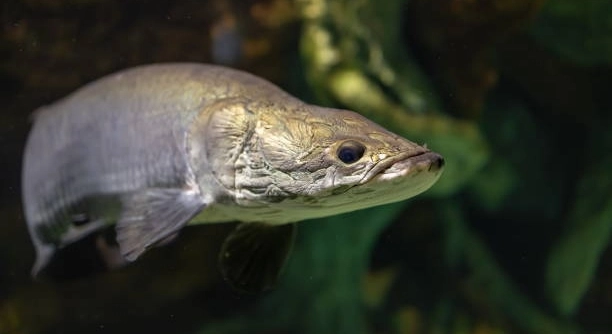
Is your arowana swimming back and forth near the edges of its tank, appearing alert and purposeful? Many fish owners notice this behavior and feel unsure about what it means for their pet’s daily routine.
Arowanas often patrol their tanks as a natural territorial behavior. This activity allows them to monitor their surroundings, maintain dominance over their space, and stay alert to potential threats or changes in the environment.
Observing your arowana’s movements more closely can reveal patterns that help you support its health and comfort in the tank.
Understanding Arowana Patrolling Behavior
Arowanas are naturally territorial fish, which means they feel a strong need to monitor their surroundings. This patrolling is part of their instinct, helping them feel secure and in control of their environment. When your arowana swims back and forth along the tank edges, it is often marking its territory. Observing this behavior closely can help you understand its comfort level and stress triggers. Tanks that are too small, lack hiding spots, or have sudden changes in lighting or movement can make your arowana more vigilant. Providing adequate space and stable conditions reduces unnecessary stress and allows your fish to patrol in a more relaxed manner. Decorations, driftwood, and plants can help break up the space, giving your arowana defined areas to claim. Over time, you may notice patterns, such as more frequent patrolling during certain times of the day or after feeding. Understanding these patterns is key to maintaining a healthy, confident arowana.
Patrolling is a sign your arowana feels the need to oversee its surroundings. This is normal and usually indicates its territorial instincts are active.
Monitoring your arowana’s patrolling closely can give clues about its overall well-being. Regular tank checks and observing its reactions to movement, feeding, and lighting can help identify stress points. Ensuring proper tank size, maintaining water quality, and providing visual barriers can make your fish feel secure. Some arowanas may patrol more if other fish are present, as they assert dominance or avoid conflicts. You may notice your arowana slows down or changes routes when comfortable, showing it feels safer in its space. Even slight adjustments to tank setup can influence its behavior, making patrolling less constant. Understanding these patterns allows you to provide a stable, enriching environment, supporting both physical and mental health. By watching closely and making small, intentional changes, your arowana can feel confident and reduce stress without disrupting its natural instincts.
Common Reasons for Increased Patrolling
Arowanas patrol more when they perceive changes or threats in their environment. These changes can be subtle, like new decorations, sudden light shifts, or movement outside the tank.
Environmental stress, tank size, and social dynamics can all influence how frequently your arowana patrols. A smaller tank limits space and increases the need to assert territory constantly. Poor water quality or sudden temperature changes can also make your fish more alert and active. When other fish are present, patrolling may increase as your arowana establishes hierarchy and dominance. Even routine maintenance like water changes can temporarily trigger patrolling, as the fish reassesses its surroundings. Consistency in feeding schedules and minimizing disturbances help your arowana feel more secure. Over time, a balanced environment encourages natural movement while reducing excessive patrols. Observing the frequency, duration, and patterns of patrolling provides insight into your arowana’s comfort level and stress response, allowing for better care and a more harmonious tank environment.
Tank Setup and Space
Arowanas need plenty of swimming space to patrol comfortably. A cramped tank can increase stress and lead to aggressive or restless behavior. Proper tank size and layout are key to helping your fish feel secure and confident while moving around its territory.
Arowanas thrive in long, wide tanks that allow them to swim freely without feeling trapped. Decorations should provide hiding spots and visual boundaries rather than crowd the space. Smooth surfaces and sturdy plants help reduce accidental injuries during fast swimming. Open areas in the middle combined with structured corners give your arowana options for exploration and resting. A balanced setup encourages natural patrolling behavior while minimizing stress and territorial conflicts. Monitoring the fish’s movements helps determine if the tank arrangement suits its needs.
Water quality and temperature directly affect arowana activity. Clean, well-oxygenated water keeps the fish healthy and more relaxed while patrolling. Regular filtration and consistent temperature maintenance create a stable environment that reduces erratic or overly aggressive movements. Sudden changes in water chemistry or temperature spikes can trigger increased patrolling or hiding behavior. Adding floating plants or driftwood can break lines of sight, giving your arowana a sense of security. Observing reactions to changes allows you to fine-tune the tank setup, ensuring your fish feels comfortable while maintaining its natural routines.
Feeding and Patrolling Patterns
Feeding routines influence how often an arowana patrols. Hunger or anticipation of food can trigger increased activity and alert movements in the tank. Consistent feeding schedules help regulate this behavior.
Arowanas are instinctively alert when it comes to feeding. They may patrol or circle the tank more vigorously before being fed, signaling readiness and awareness of food sources. Offering varied, high-quality food ensures nutritional needs are met, reducing restless behavior. Overfeeding can lead to lethargy, while underfeeding may increase patrolling and stress. Observing your arowana’s behavior around feeding times helps identify patterns and preferences, allowing you to adjust portions and timing. Maintaining predictable feeding schedules also reinforces trust and reduces unnecessary anxiety. Tracking these habits over weeks gives insight into energy levels and overall well-being, helping you create a more stable environment that balances natural instincts with care.
Social Interaction and Tankmates
Arowanas can be sensitive to other fish in the tank. Presence of tankmates may increase patrolling as the fish asserts territory or monitors potential competitors. Proper spacing and compatible species reduce stress and overly aggressive behavior.
Aggressive or overly active tankmates can trigger constant patrolling. Observing interactions helps identify if your arowana feels threatened or stressed, allowing adjustments to tank layout or selection of companions.
Health and Stress Indicators
Frequent or erratic patrolling can indicate stress or health issues. Poor water quality, parasites, or illness may increase alertness and movement. Monitoring water parameters and fish condition is essential to ensure well-being.
Environmental Enrichment
Adding decorations, plants, and hiding spots helps your arowana feel secure. Structured environments encourage natural movement while providing areas to rest, reducing unnecessary patrolling and stress.
FAQ
Why does my arowana patrol more at certain times of the day?
Arowanas are naturally more active during specific periods, often in the morning or late afternoon. These times mimic natural feeding and hunting cycles. Increased patrolling can also occur when the tank is quieter, or when there is less human activity, making the fish feel the need to monitor its surroundings more closely.
Is constant patrolling a sign of stress?
Not always. Some patrolling is normal and shows territorial instincts. However, if the patrolling is continuous, frantic, or paired with other signs like clamped fins, loss of appetite, or hiding, it could indicate stress or discomfort. Check water quality, temperature, and tank conditions to identify possible stressors.
Does tank size affect patrolling behavior?
Yes. Arowanas need large tanks with ample swimming space. Smaller tanks restrict movement and make the fish feel confined, increasing territorial patrolling. A tank that is at least six feet long for adult arowanas helps them patrol naturally without stress, allowing more balanced behavior.
Can tankmates influence my arowana’s patrolling?
Absolutely. Other fish can trigger increased patrolling if your arowana feels threatened or competitive. Aggressive species may provoke constant vigilance, while compatible tankmates that stay in separate areas reduce the need for excessive patrolling. Observing interactions can guide adjustments in tank layout or companions.
Does feeding schedule impact patrolling frequency?
Yes, feeding times can directly influence activity. Arowanas may patrol more before meals, signaling alertness and anticipation. Consistent feeding schedules reduce erratic movements, while overfeeding or underfeeding can disrupt patterns, either causing lethargy or increased patrols. Monitoring feeding behavior helps manage natural activity.
Can environmental enrichment reduce patrolling?
Providing plants, driftwood, and hiding spots creates structured territory and reduces stress. These features allow your arowana to patrol in a more relaxed manner, offering visual boundaries and rest areas. Enrichment encourages natural behaviors while preventing excessive patrolling caused by insecurity or boredom.
How do water quality and temperature affect patrolling?
Poor water quality or fluctuating temperature can make your arowana more restless. Stable conditions with proper filtration, regular water changes, and consistent temperature reduce unnecessary patrolling. Monitoring pH, ammonia, nitrite, and nitrate levels ensures the fish is comfortable and less likely to display stress-induced patrolling.
Is patrolling behavior different between young and adult arowanas?
Yes. Juvenile arowanas may patrol less aggressively, as they are still establishing territory. Adult arowanas show more purposeful patrolling due to stronger territorial instincts. Understanding these developmental differences helps you set up the tank appropriately for both size and activity levels.
Can illness cause excessive patrolling?
Sometimes. Illness or parasites may make your arowana restless, swimming erratically or increasing patrol frequency. Other signs often accompany this behavior, including loss of appetite, discoloration, or labored breathing. Promptly addressing health issues and consulting with a vet ensures your fish returns to normal patrolling patterns.
What is the best way to observe patrolling patterns?
Regular observation at different times of day helps track behavior. Note frequency, duration, and triggers of patrolling. This practice allows you to identify stress factors, evaluate tank conditions, and ensure your arowana’s environment supports natural, healthy activity.
How can I safely reduce excessive patrolling?
Focus on tank size, water quality, enrichment, and compatible tankmates. Stable feeding schedules, structured territory, and proper environmental conditions reduce unnecessary patrolling. Avoid sudden changes in lighting or decorations that may trigger alert behavior. Consistency is key for a calm, confident arowana.
Are there signs that my arowana is comfortable while patrolling?
Yes. Relaxed patrolling includes smooth, steady swimming with occasional pauses near decorations or plants. Fins are fully extended, appetite remains normal, and the fish interacts calmly with tankmates. Observing these signs confirms your arowana is confident in its territory and not stressed.
Can patrolling be part of normal play or exploration?
Definitely. Patrolling is sometimes a form of exploration and exercise, helping the fish learn its environment and maintain muscle tone. Providing a stimulating tank allows your arowana to engage naturally without excessive stress-driven behavior.
Final Thoughts
Arowanas are unique fish with strong territorial instincts, and patrolling is a natural part of their behavior. Observing your arowana move around the tank can give you valuable insight into its comfort and health. When patrolling is steady and calm, it usually indicates the fish is confident and secure in its environment. Providing adequate space, clean water, and structured territory helps support these instincts in a healthy way. Over time, you will notice patterns in your arowana’s movements, such as preferred areas to swim or rest, which reflect its personality and daily routine. Understanding these behaviors allows you to make small changes to the tank that improve the fish’s well-being without interfering with its natural habits.
Maintaining proper tank conditions is essential for reducing stress-related patrolling. Clean water with consistent temperature, stable pH, and good filtration creates a comfortable environment for your arowana. A tank that is too small or overcrowded can increase territorial behavior, making patrolling more frequent and sometimes aggressive. Decorations like driftwood, rocks, and plants provide visual boundaries and resting areas, which break up open spaces and give your fish a sense of security. These small adjustments can make a noticeable difference in behavior, helping your arowana feel confident and less anxious while moving around. Tankmates also play a role, as compatible species reduce unnecessary territorial disputes and stress, allowing your arowana to patrol naturally without feeling threatened.
Feeding routines and environmental enrichment also influence how your arowana behaves. Consistent feeding schedules reduce erratic patrolling and help the fish feel more secure. A varied diet ensures proper nutrition, preventing restlessness caused by hunger or insufficient food. Adding plants, rocks, or floating decorations encourages natural movement and provides safe spots to explore or retreat. Regular observation of your arowana’s patrolling patterns can help you identify changes in behavior that may indicate stress or health issues. By paying attention to its movements and adjusting the environment as needed, you support a balanced, healthy life for your fish. Over time, understanding your arowana’s natural instincts and providing proper care will result in a confident, active fish that patrols its tank comfortably, showing a sense of security and well-being.

Hello,
If you enjoy the content that we create, please consider saying a "Thank You!" by leaving a tip.
Every little bit helps us continue crafting quality advice that supports the health, happiness, and well-being of pets around the world, for pets of all shapes, sizes, and species.
We really appreciate the kindness and support that you show us!