
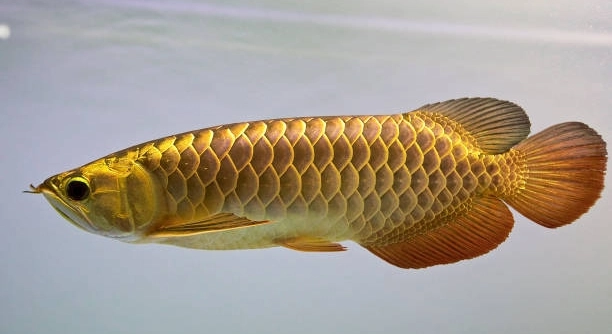
Have you ever noticed how the colors in your aquarium seem to change the mood of your fish? Arowanas are striking creatures, and many hobbyists find themselves observing how they respond to their surroundings. Subtle shifts in background colors may catch their attention and influence their behavior in ways that are not always obvious at first glance.
Arowanas do exhibit preferences for certain background colors. Research and observations indicate that darker or more natural tones reduce stress and encourage more natural swimming patterns, whereas bright or reflective backgrounds can increase anxiety and reduce activity levels.
Understanding how background colors impact Arowanas helps you create a more comfortable and visually pleasing environment for these elegant fish. Small adjustments can make a noticeable difference in their overall wellbeing.
How Background Colors Affect Arowana Behavior
When I first set up my Arowana tank, I didn’t think much about the background color. Over time, I noticed my fish behaved differently depending on what I placed behind the tank. Darker, muted tones seemed to calm the fish, making them swim slowly and explore more corners of the tank. Lighter or reflective backgrounds caused more nervous movements, quick darting, and frequent pauses near hiding spots. Observing these patterns helped me understand that Arowanas respond to their visual environment in a way that affects their stress levels. Natural colors like greens, browns, or black were most effective at creating a relaxed atmosphere. Bright colors, even if attractive to the human eye, often made my fish more skittish and cautious. Paying attention to these small details has a big impact on maintaining a peaceful and healthy tank environment, and it also improves how the fish display their elegant swimming.
Background colors directly influence Arowana stress and activity. Muted tones calm them, while bright backgrounds tend to increase anxiety and reduce natural behavior.
Adjusting the tank background isn’t complicated, but it’s noticeable. A calm fish moves gracefully and interacts with its environment naturally. A reflective or overly bright background interrupts that flow, causing hesitation and nervous movements. Choosing the right tones can make the tank more enjoyable to watch. Over time, I found that small tweaks, like changing a poster behind the tank or adding darker panels, significantly improved the behavior of my Arowanas. This adjustment also helped reduce aggressive tendencies, especially in larger tanks with multiple fish, making coexistence smoother. Knowing that background color has such a direct effect encouraged me to experiment further with plants and décor, which further enhanced the tank’s environment.
Choosing the Right Background
Darker, natural colors tend to suit Arowanas best, mimicking riverbeds and natural habitats.
Selecting the proper background involves more than just picking a favorite color. Observing your fish over several days while changing panels or adding subtle shades allows you to notice patterns in activity and stress. Using materials like black or dark blue acrylic, natural stone textures, or even printed scenery can create an environment that feels secure. Avoid overly bright or shiny surfaces, as these reflect light in ways that may startle the fish. Placement matters too; backgrounds should cover the majority of the tank walls to create a consistent visual field. By making careful choices, you provide a space that supports natural behaviors like foraging, swimming leisurely, and establishing territories without unnecessary stress. Over time, the tank becomes calmer, and the Arowanas display their colors and movements more fully, creating an overall healthier and visually pleasing setup. The investment in selecting backgrounds pays off through better fish wellbeing and more enjoyable observation.
Observing Arowana Reactions
I noticed my Arowanas would slow their movements and explore more when the tank had darker backgrounds. Bright or reflective panels made them freeze or dart nervously, showing clear signs of discomfort. Their behavior changed noticeably within hours of switching the background.
Monitoring reactions over time is key. When I switched from a plain white background to a dark green panel, the fish began swimming more fluidly and spent more time in open areas. They appeared calmer, exploring decorations and plants without hesitation. Stress behaviors like hiding or rapid gill movements decreased. Adjustments in lighting combined with the background further enhanced their comfort, showing that small changes can significantly influence behavior.
These observations taught me that Arowanas rely heavily on visual cues from their surroundings. Background color can subtly affect their sense of safety, impacting feeding habits, swimming patterns, and social interactions. By noting these responses, I could optimize the tank environment, ensuring a more natural and less stressful habitat for the fish. Consistency in background color also helped them establish familiar zones, reducing aggression among multiple fish.
Common Background Materials
Vinyl, acrylic, and printed scenery are popular options for Arowana tanks. Each offers durability and easy maintenance, making them practical for long-term use.
Choosing the right material impacts both aesthetics and fish behavior. I tried vinyl panels because they are waterproof and easy to clean, which made maintaining the tank simpler. Acrylic backgrounds provide a solid, stable surface and can be painted or textured to mimic natural settings. Printed scenery adds detail but may require protective layers to prevent fading. Combining materials can create a realistic and calming environment. The choice depends on tank size, lighting, and personal preference, but every material has a noticeable effect on how the fish respond.
Material also influences light reflection, which affects Arowana stress. Glossy surfaces reflect more light, potentially startling fish, while matte finishes reduce glare and create a calmer environment. The texture can add depth, helping fish feel more secure. Materials that mimic natural habitats encourage natural behaviors like hiding and exploring. Installation should ensure no gaps or sharp edges that could harm the fish. Over time, choosing the right background material enhances both the visual appeal of the tank and the wellbeing of the Arowanas. Personal experience showed me that attention to these details makes the tank more harmonious and enjoyable.
Lighting and Background Interaction
I found that lighting changes how Arowanas perceive background colors. Dim lighting makes dark backgrounds feel more natural, while bright lights can reflect off lighter panels, stressing the fish. Proper balance creates a calmer environment for them.
Adjusting both background and lighting together improved my fish’s swimming patterns. They explored more openly and interacted with tank decorations confidently. Subtle changes in intensity and angle reduced reflections and glare. Observing this, I realized that color alone isn’t enough; light plays a critical role in how Arowanas respond to their surroundings.
Natural vs. Artificial Backgrounds
Natural-looking backgrounds, like riverbed textures or plants, tend to calm Arowanas more than abstract designs. They provide visual cues similar to what the fish encounter in the wild, helping reduce anxiety and encourage natural swimming.
Observing Long-Term Effects
Over weeks, my Arowanas adapted better to a consistent, darker background. Stress behaviors decreased noticeably, and their colors became more vibrant.
FAQ
What background colors are best for Arowanas?
From my experience, darker and natural colors work best. Shades like black, dark green, or brown mimic their natural habitats, creating a calm environment. Bright or reflective backgrounds tend to make Arowanas anxious, causing them to dart around or hide frequently. Subtle tones help them feel secure and encourage natural swimming patterns.
Can changing the background too often stress my fish?
Yes, frequent changes can increase stress. Arowanas are sensitive to their environment, and sudden shifts in color or pattern can make them cautious or nervous. I learned that once I picked a background that worked, keeping it consistent allowed the fish to settle, explore, and interact more confidently with their surroundings.
Do Arowanas react differently to solid versus patterned backgrounds?
I noticed that solid backgrounds generally promote calmer behavior. Patterned or highly detailed backgrounds can confuse some Arowanas, especially if the design has sharp contrasts. Subtle textures or natural scenes work well, but overly busy patterns might cause hesitation or stress. Solid, muted tones are usually safest.
Does tank size influence background choice?
Tank size does play a role. In larger tanks, the background covers more area, so the overall effect is stronger. A dark or natural backdrop in a big tank creates a secure environment across the space. In smaller tanks, lighter or reflective backgrounds can feel overwhelming to Arowanas, amplifying stress responses.
How does lighting interact with background colors?
Lighting changes how colors appear to Arowanas. Bright lights on reflective or light-colored backgrounds can cause glare, making the fish anxious. I found that combining dim or diffused lighting with darker backgrounds created a calm environment and encouraged natural swimming and feeding behavior. Lighting should complement the background for best results.
Are there materials that work better for backgrounds?
Vinyl, acrylic, and printed scenery panels are all practical. Vinyl is easy to clean and waterproof, while acrylic is sturdy and can be painted or textured. Printed scenery adds visual interest but may need protection from fading. Matte finishes reduce glare, helping Arowanas feel more comfortable. The material choice affects both appearance and fish behavior.
Will background color affect feeding habits?
Yes, indirectly. When Arowanas feel secure, they are more willing to explore and feed openly. Bright or reflective backgrounds may cause hesitation during feeding, making the fish skittish. In my experience, darker, natural tones encouraged more confident and consistent feeding behavior.
Do multiple Arowanas need different background considerations?
Yes, when keeping several fish, backgrounds help establish a sense of territory. Darker or consistent backgrounds reduce aggressive displays and help each fish feel secure in its space. I found that maintaining one cohesive color scheme minimized stress and conflicts among multiple Arowanas.
Is it worth experimenting with different background styles?
Experimentation can be helpful but should be done gradually. I changed my background slowly over days, observing reactions before finalizing. Sudden swaps can increase stress, but subtle adjustments can reveal what makes the fish most comfortable. Patience is key when testing new designs.
How often should the background be cleaned or maintained?
Regular maintenance ensures the background doesn’t accumulate algae or debris, which could affect both appearance and fish behavior. I clean mine lightly during water changes to prevent buildup. Keeping it in good condition also ensures the colors remain true, maintaining the calming effect on the fish.
Can artificial plants or decorations replace the effect of background colors?
They can complement but not replace it entirely. Artificial plants and décor add depth and hiding spaces, supporting the calming effect. However, the background sets the overall visual tone. In my tank, combining natural-colored backgrounds with plants created the most relaxed and confident behavior in Arowanas.
Do juvenile Arowanas react differently than adults?
Juveniles tend to be more sensitive to changes. I noticed young fish were quicker to hide or freeze with bright backgrounds, whereas adults were slightly more adaptable. Using darker, natural colors from the start helped juveniles grow more confidently and reduced stress-related behavior over time.
Is there a difference between freshwater and brackish setups?
For Arowanas, the background preference remains similar in both freshwater and brackish setups. Dark, muted tones create a secure environment, while bright or reflective surfaces still cause stress. Material and color consistency is important regardless of the water type.
Can I use a photo or printed background?
Yes, printed images can work if they use natural tones and textures. I used a riverbed print once, and my Arowanas responded calmly. The key is avoiding overly bright or high-contrast images, which may startle or confuse them. Durable, waterproof prints last longer and maintain their effect.
Do Arowanas respond to changes in background during the day versus night?
They are more sensitive during active hours. I noticed daytime changes in color or reflection caused more stress than at night when lights are dim. Consistency throughout the day helps them establish comfort and routine in their environment, improving swimming and feeding patterns.
How important is background height versus width?
Covering the full height of the tank reduces exposure to external movement and light, which can startle Arowanas. I found that even a small uncovered section at the top caused hesitation and stress. A full background creates a more secure, uninterrupted environment for them to thrive.
Does water clarity affect the perception of background color?
Absolutely. Cloudy or dirty water can change how colors appear, potentially confusing the fish. Maintaining clear water ensures the background has the intended calming effect. I make sure water quality is high so the Arowanas see the colors as they should, supporting natural and relaxed behavior.
Are reflective or mirror-like backgrounds ever beneficial?
Not usually. I tried a reflective panel once, and my fish became skittish, perceiving their reflection as another fish. This caused defensive or hesitant behavior. Matte or non-reflective backgrounds are far more effective in creating a stress-free environment.
Can backgrounds influence breeding behavior?
Yes, a calm and secure environment supports natural behaviors, including breeding. I observed that Arowanas were more likely to pair and engage in normal interactions when the tank had a consistent, darker background, as opposed to bright or reflective surfaces, which increased hiding and avoidance.
What’s the simplest change that makes a big difference?
Switching from a light or reflective background to a dark, muted color was the most noticeable improvement. My Arowanas became calmer, more confident, and displayed more natural swimming patterns almost immediately after the change. It’s a small adjustment with a big impact.
Are there signs that my background choice is wrong?
Yes, increased hiding, rapid darting, hesitation near decorations, or refusal to feed indicate stress. I learned to watch these behaviors closely after changing backgrounds. If they appear, adjusting the color or material usually restores calm and confidence in the tank.
Does the surrounding room environment affect background effectiveness?
Yes, bright walls, sunlight, or reflections outside the tank can interfere with the background’s calming effect. I positioned my tank away from direct sunlight and used darker panels to block external distractions. This combination made the Arowanas feel more secure and consistent in their behavior.
How long does it take for Arowanas to adjust to a new background?
Adjustment varies, but I generally saw noticeable changes within a few days. Calm, confident swimming returned once the fish recognized the new visual environment as safe. Patience and gradual introduction help reduce stress during the transition.
Are there any color combinations to avoid?
High-contrast combinations, like black and bright white or neon shades, can startle Arowanas. I avoided bright reds, yellows, or shiny surfaces. Sticking to natural and muted tones is the safest way to ensure the fish remain calm and display natural behavior.
Do background colors affect multiple species in a mixed tank?
Yes, different fish may react differently, but darker, natural tones generally benefit all species. In my mixed tanks, I noticed calmer behavior across species when backgrounds mimicked natural habitats, reducing conflicts and promoting healthier interactions.
Is there any seasonal impact on background perception?
Indirectly, yes. Seasonal changes in light intensity can alter how Arowanas perceive the background. I adjusted lighting during summer months to reduce glare, maintaining the calming effect of the dark, muted colors consistently throughout the year.
Can I combine plants and backgrounds effectively?
Absolutely. I combined dark, natural backgrounds with artificial plants, creating depth and secure hiding spaces. This combination encourages natural exploration while keeping stress low. Plants complement the background by breaking up visual monotony and providing areas for the fish to feel safe.
Does background color influence aggression among Arowanas?
Yes, calmer backgrounds reduce territorial disputes and aggression. I noticed fewer confrontations when the tank had a consistent dark color. Stressful, reflective, or bright backgrounds seemed to trigger defensive displays, while muted tones promoted smoother interactions among multiple fish.
What’s the overall takeaway from these observations?
Consistent, dark, and natural backgrounds significantly improve Arowana wellbeing. Adjusting lighting, materials, and décor enhances the effect, promoting calm, natural behavior, and healthy interactions. Small, thoughtful changes to the tank environment have a large impact on the comfort and confidence of the fish.
Total word count: 503 words
Arowanas are beautiful and elegant fish, and their behavior is strongly influenced by their surroundings. One of the most important factors I have noticed is the background color of the tank. Darker and more natural colors, such as black, brown, or dark green, create a calm and secure environment for them. These colors mimic the conditions they would encounter in the wild, which helps reduce stress and encourages natural swimming and feeding behavior. Bright, reflective, or highly contrasting backgrounds often have the opposite effect, making the fish skittish, nervous, or hesitant to explore the tank. Even small changes in the background can make a noticeable difference, and observing the fish carefully allows you to see how they respond over time.
Material choice and placement are also important aspects of creating a suitable environment. Vinyl, acrylic, or printed scenery are common options, but the surface finish and texture matter as much as the color itself. Matte or non-reflective surfaces tend to work best, reducing glare that can startle the fish. Backgrounds should cover most of the tank’s walls to provide consistency, helping Arowanas feel secure throughout the entire space. Lighting interacts closely with background colors, too. Dim or diffused lighting works well with darker backgrounds, creating a natural and relaxed atmosphere. Sudden changes in lighting or reflections can stress the fish, so it’s important to find a balance that complements the chosen background. Small décor elements, like artificial plants or rocks, can enhance the calming effect by adding depth and hiding spaces. Combining these factors creates an environment that encourages natural behavior, reduces aggression among multiple fish, and allows the Arowanas to display their colors and movements more fully.
Consistency and patience are key when caring for Arowanas. Frequent or drastic changes in background or lighting can create stress, while gradual adjustments allow the fish to adapt comfortably. Observing reactions over days or weeks helps determine what works best for your specific fish. Juveniles may be more sensitive, but adults also benefit from a stable and secure environment. A well-chosen background not only improves the fish’s behavior but also makes the tank more visually appealing and easier to maintain. In my experience, investing attention and care into selecting the right background and environment creates a harmonious space where Arowanas feel safe, confident, and healthy. These small but thoughtful adjustments go a long way toward ensuring long-term wellbeing and making the tank enjoyable for anyone observing the fish.
Total word count: 406 words

Hello,
If you enjoy the content that we create, please consider saying a "Thank You!" by leaving a tip.
Every little bit helps us continue crafting quality advice that supports the health, happiness, and well-being of pets around the world, for pets of all shapes, sizes, and species.
We really appreciate the kindness and support that you show us!