
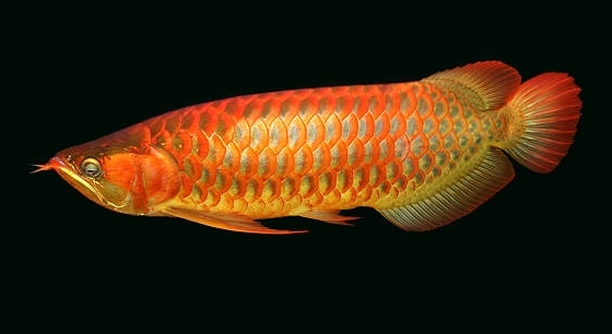
Arowanas are beautiful fish known for their shimmering colors that brighten any aquarium. Many fish owners notice their arowana’s colors can fade over time, leaving them looking less vibrant than when they first arrived. Feeding plays a big role in this.
Certain types of food can enhance an arowana’s natural coloration. High-quality pellets with carotenoids, live or frozen shrimp, krill, spirulina-enriched foods, and other protein-rich options provide essential nutrients that strengthen pigmentation and bring out red, gold, and silver hues in these ornamental fish.
Choosing the right combination of food consistently can significantly impact your arowana’s color. A well-planned diet ensures both health and vibrancy for these striking fish.
Shrimp
Shrimp are one of the best foods to bring out arowana colors. They are rich in natural pigments called carotenoids, which enhance red and orange tones in the fish. I like to feed my arowana small, fresh shrimp a few times a week. Frozen shrimp also works well, but make sure it is fully thawed before feeding. Some owners prefer baby shrimp, while others give adult shrimp, depending on the size of their fish. Shrimp are not only good for coloring but also provide a solid protein source. Feeding too much shrimp at once can cause water quality issues, so portion control is important. It’s also helpful to alternate shrimp with other protein sources to prevent monotony. Over time, consistent feeding of shrimp noticeably improves the vibrancy of the arowana’s scales. Many fishkeepers see a brightening of the red, gold, or silver shades within a few weeks of adding shrimp regularly.
Shrimp improve arowana coloration effectively and are easy to prepare for feeding. Small portions work best.
Including shrimp in your fish’s diet can create a natural color boost without artificial additives. Pairing it with other nutritious foods helps maintain overall health while enhancing the vivid shades of your arowana. Rotating types of shrimp and occasionally mixing in other protein-rich foods keeps the fish interested and ensures balanced nutrition. Over time, the scales become brighter and more reflective, making the fish look healthier and more attractive in the tank. Regular observation helps gauge how much shrimp is optimal, and adjusting quantities based on appetite prevents overfeeding. Feeding shrimp along with pellets enriched with vitamins and minerals supports both color development and general well-being. Combining frozen and live options adds variety and prevents the fish from becoming selective. Overall, shrimp are a practical and reliable choice for anyone looking to maintain arowana vibrancy, providing both visual appeal and essential nutrients in a simple feeding routine.
Krill
Krill are highly nutritious and help intensify arowana colors naturally. They are small, easy to digest, and packed with carotenoids that enhance reds and oranges.
Krill provide a rich source of protein and pigmentation compounds. Regular feeding of krill ensures a steady boost in coloration.
Feeding krill to your arowana not only helps with color but also supports growth and vitality. I usually alternate frozen and dried krill to give some texture variety, which the fish appreciates. Krill are small, so even juvenile arowanas can consume them without choking. The carotenoids in krill strengthen the natural red and orange pigments in the scales, while proteins contribute to muscle development and energy. Feeding them two to three times per week is sufficient, as overfeeding can lead to water cloudiness or digestive issues. Pairing krill with high-quality pellets and occasional vegetables or spirulina creates a balanced diet that keeps the fish both colorful and healthy. Consistent feeding over a month or two often shows visible improvements in scale brightness and overall appearance. Adjusting portions based on appetite helps maintain a stable water environment and prevents waste accumulation.
Spirulina
Spirulina is a blue-green algae that boosts green and golden tones in arowanas. I add it to pellets or flakes, and it works well when fed a few times a week, supporting both color and immunity.
Spirulina is rich in natural pigments like phycocyanin and beta-carotene, which help intensify the yellow, gold, and green shades on an arowana’s scales. I usually mix spirulina powder into small portions of pellets or buy spirulina-enriched flakes for convenience. Feeding it regularly strengthens color without relying on artificial dyes. It also contains proteins and vitamins that improve digestion and overall health. Arowanas seem to enjoy the slight texture change, and it keeps them active and alert during feeding. Balancing spirulina with shrimp or krill provides a varied diet that supports both pigmentation and growth, preventing nutrient deficiencies that could dull their natural shine.
I have noticed that when spirulina is part of the weekly feeding routine, the arowana’s gold highlights become brighter, and the scales appear more reflective. It also encourages appetite and maintains healthy gut function, reducing the chances of bloating or constipation. Mixing spirulina with other foods prevents monotony, ensuring the fish eagerly consumes all its meals. Consistency is key, and feeding moderate portions prevents water pollution. Overall, spirulina is a simple, natural addition that consistently improves the vividness of colors while promoting general health.
High-Quality Pellets
High-quality pellets provide a balanced diet and support vibrant colors. I select brands enriched with carotenoids and essential vitamins to keep my arowana healthy.
Pellets are a reliable source of nutrients and pigments for arowanas. They usually contain proteins, fats, and vitamins designed for ornamental fish, ensuring the fish gets everything needed for growth and coloration. I rotate pellet brands to prevent nutritional gaps and feed them daily in small portions. Using pellets as a staple makes supplementing with shrimp, krill, or spirulina easier, as the fish receives consistent protein and color-boosting compounds. Feeding too many pellets at once can cloud the tank or cause digestive issues, so portioning is important. Quality pellets also reduce reliance on live food alone, which can sometimes be inconsistent in nutrient content.
Combining high-quality pellets with other foods ensures a balanced diet and stronger colors. I feed my arowana two to three small portions of pellets daily and rotate in shrimp or spirulina several times a week. This routine maintains bright reds, golds, and silvers while supporting growth and vitality. Pellets enriched with carotenoids provide long-term benefits for pigmentation, while their protein content contributes to muscle development. I make sure the fish finishes the pellets quickly to prevent water contamination, keeping the tank clean and healthy. Overall, pellets are the backbone of a diet that enhances color safely and consistently.
Bloodworms
Bloodworms are rich in protein and natural pigments that enhance red and pink tones. I usually feed them frozen or live, giving small amounts a few times a week to maintain color.
They are highly digestible and keep my arowana active during feeding. Overfeeding can cause water issues, so portion control is important.
Small Fish
Feeding small feeder fish occasionally provides natural nutrients and boosts arowana coloration. I make sure the feeder fish are healthy and disease-free.
Feeder fish contain proteins, fats, and natural pigments that help intensify the red, gold, and silver tones in arowanas. I usually thaw frozen feeder fish before offering them, or feed live ones from trusted sources. They provide variety and stimulate natural hunting behavior, which keeps the fish engaged and active. Feeding feeder fish in moderation prevents overnutrition and maintains water quality, while their natural pigments gradually improve scale brightness. I balance this with pellets and shrimp, ensuring the diet stays nutritious and supports both color and growth.
Krill Oil
Krill oil supplements enhance pigmentation and overall health. I add small drops to the feeding routine a few times per week.
FAQ
How often should I feed my arowana foods that enhance color?
I feed my arowana color-enhancing foods like shrimp, krill, and spirulina two to three times a week. Regular feeding ensures the pigments in these foods work effectively. Overfeeding can cloud the water and affect digestion, so I always give small portions.
Can arowanas get too much pigment from food?
No, arowanas cannot get “too much” pigment naturally. However, overfeeding pigment-rich foods may upset their digestion or water quality. I balance these foods with pellets and occasional live feed to maintain color without harming the fish.
Are frozen foods as effective as live foods for color?
Yes, frozen shrimp, krill, and bloodworms retain most nutrients and pigments. I often use frozen foods because they are safer and easier to manage. Live foods are great occasionally but can carry diseases if not sourced carefully.
Do pellets really affect arowana coloration?
High-quality pellets enriched with carotenoids and vitamins significantly support pigmentation. I make sure to feed pellets daily in small portions. They form the base of my arowana’s diet while other foods provide extra color enhancement.
Is spirulina necessary for every arowana?
Spirulina is not strictly necessary, but it helps brighten green, gold, and yellow shades. I use it a few times a week because it improves scale shine and adds protein and vitamins, which support overall health.
How long does it take to see color improvement?
With consistent feeding of color-enhancing foods, noticeable changes usually appear within four to six weeks. I observe my arowana weekly to track improvements in red, gold, or silver tones. Consistency and variety in the diet make the most difference.
Are bloodworms good for all arowanas?
Yes, bloodworms are safe and effective for all arowana types. They are rich in protein and natural pigments. I give them in small amounts two or three times a week to avoid overfeeding and water issues.
Can I use supplements like krill oil safely?
Krill oil works well in small doses to support color and overall health. I add drops to food occasionally, making sure not to overdo it. Supplements complement the main diet but should not replace regular protein-rich foods.
Do small feeder fish really help with color?
Feeder fish provide natural pigments and stimulate hunting behavior, which keeps the arowana active. I feed them only occasionally and ensure they are healthy and disease-free. Moderation is key to maintaining water quality and proper nutrition.
Should I rotate color-enhancing foods?
Yes, rotating foods like shrimp, krill, spirulina, and bloodworms ensures balanced nutrition and prevents the fish from getting bored. I rotate these foods throughout the week, keeping meals interesting while promoting even color development.
What foods should I avoid for coloration?
I avoid processed foods with artificial dyes and low-quality fillers. These do not enhance color and may harm health. Fresh or high-quality frozen options provide the nutrients and pigments necessary for vibrant scales.
Can arowanas lose color if I stop feeding color-rich foods?
Yes, without consistent pigment-rich foods, arowanas may gradually lose some vibrancy. I always maintain a balanced diet of pellets plus shrimp, krill, or spirulina to keep their colors bright.
How do I prevent water quality issues while feeding these foods?
I portion food carefully, remove uneaten items, and maintain regular water changes. Overfeeding high-protein foods like shrimp or bloodworms can cloud water, so I monitor consumption closely and adjust portions as needed.
Are there age differences in color enhancement?
Juvenile arowanas often show faster color changes because their growth is rapid. Adult arowanas still benefit, but changes are slower. I adjust portion sizes based on age and size to ensure safe and effective feeding.
Can combining several color-enhancing foods be harmful?
No, combining shrimp, krill, spirulina, and pellets is safe if portions are controlled. I make sure not to overfeed any single type and keep the diet balanced, which helps maximize color without affecting health or water quality.
Do natural pigments affect overall fish health?
Yes, foods with carotenoids, phycocyanin, and other pigments also provide antioxidants, proteins, and vitamins that support immunity, growth, and energy. I’ve seen arowanas become more active and healthy when color-enhancing foods are included consistently.
How do I know if my arowana’s diet is working?
Brightening scales, healthy appetite, and active swimming indicate success. I watch for dulling or faded colors, which may signal a need to adjust the feeding routine. Regular observation helps maintain both color and overall well-being.
Can arowanas eat human food for color?
I avoid feeding human food because it lacks proper nutrients and may harm the fish. Focusing on high-quality pellets, shrimp, krill, spirulina, and occasional feeder fish provides all necessary pigments safely.
Is it better to feed small portions multiple times a day?
Yes, feeding small amounts two to three times a day ensures the fish digests food properly and keeps water quality stable. I follow this routine to prevent overfeeding and maintain consistent color development.
Do different arowana species respond differently to foods?
Some species may develop red, gold, or silver tones more easily, but all respond well to shrimp, krill, spirulina, and high-quality pellets. I adjust portions and monitor results to meet the needs of each specific type.
How important is consistency in feeding color-enhancing foods?
Consistency is key. Sporadic feeding may provide temporary color boosts, but steady, balanced meals ensure long-term vibrancy. I stick to a schedule and rotate foods to maintain bright, healthy scales over time.
This FAQ covers the main questions I have experienced while feeding my arowana, helping ensure vibrant color and overall health through a balanced, thoughtful diet.
Arowanas are stunning fish that naturally draw attention with their bright colors and graceful movements. Maintaining their vibrant scales requires more than just clean water and a well-maintained tank; diet plays a critical role in highlighting their reds, golds, and silvers. Feeding arowanas foods rich in natural pigments, like shrimp, krill, bloodworms, spirulina, and high-quality pellets, provides the nutrients necessary to enhance their coloration. I have noticed that when these foods are included regularly, the arowana’s scales become noticeably more reflective, and the overall brightness of their colors improves. Even small, consistent efforts in providing the right diet can make a significant difference in the long-term appearance and health of the fish.
It is also important to consider variety and moderation when feeding arowanas. While pigment-rich foods are essential for color development, relying solely on one type can lead to imbalances in nutrition. I mix pellets with live or frozen shrimp, krill, or spirulina to ensure the fish receives a full range of vitamins, proteins, and minerals. Portion control is crucial, as overfeeding can affect water quality and digestive health. By feeding smaller amounts several times a week and rotating the types of foods, I have observed that my arowana remains active, healthy, and maintains a steady growth rate while gradually improving in coloration. This approach also helps prevent the fish from becoming bored with its diet, which can sometimes result in selective feeding habits or reduced appetite.
Consistency and patience are key to achieving vibrant arowana colors. Changes in scale coloration do not happen overnight, and it often takes several weeks of careful feeding to notice visible improvements. I keep track of the feeding schedule and adjust portions based on appetite, size, and activity level. Observing the fish regularly allows me to see when certain foods are having the best impact and when adjustments are needed. Combining proper nutrition with good tank maintenance, clean water, and sufficient space ensures that the arowana not only looks its best but thrives in its environment. A thoughtful and consistent approach to feeding can result in striking, long-lasting colors that highlight the beauty of these remarkable fish.

Hello,
If you enjoy the content that we create, please consider saying a "Thank You!" by leaving a tip.
Every little bit helps us continue crafting quality advice that supports the health, happiness, and well-being of pets around the world, for pets of all shapes, sizes, and species.
We really appreciate the kindness and support that you show us!