
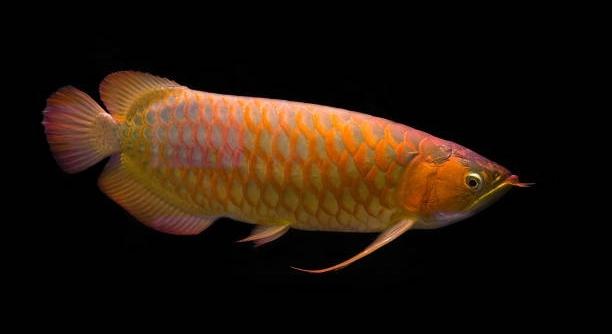
Arowanas are beautiful and striking fish, admired for their graceful movements and shimmering scales. Many owners spend time arranging aquariums thoughtfully, hoping to create a comfortable and safe environment for their prized pets. Adjusting to changes can take time.
Arowanas can adapt to a new room setup if the transition is gradual and the environment maintains stable water conditions. Providing familiar decorations, consistent lighting, and a controlled temperature supports their adjustment and reduces stress during relocation.
Observing your arowana’s behavior during the change is important, as subtle cues can indicate comfort or stress in the new surroundings.
Preparing Your Arowana for a Room Change
Before moving your arowana, it is important to prepare both the fish and the new room environment. Gradually adjust the lighting and temperature in the new space to match the old setup as closely as possible. Slowly rearranging decorations or plants allows the fish to feel familiar surroundings even in a new location. During transport, use a secure container filled with water from the original tank to minimize stress. Avoid sudden changes in water chemistry or temperature, as arowanas are sensitive to fluctuations. Observing your fish for signs of stress, such as rapid swimming or hiding, helps you react quickly. Providing a calm environment, minimizing loud noises, and ensuring stable water parameters will support a smooth transition. Consistent feeding schedules also reinforce a sense of normalcy. Overall, careful planning and attention to detail significantly increase the likelihood of your arowana adjusting comfortably.
Preparing ahead reduces stress and makes the move smoother for both the fish and the tank setup.
Gradual adaptation, consistent care, and monitoring behavior help ensure your arowana feels secure in the new room. Familiar water and decorations are key.
Monitoring Behavior After the Move
After relocating your arowana, keep a close eye on its daily behavior. Immediate reactions may include hiding, decreased activity, or reduced appetite. These behaviors usually indicate the fish is adjusting to the new environment.
Behavior changes can reveal health or environmental concerns. Stress can weaken immunity, making the fish vulnerable. It is important to maintain water quality by testing parameters such as ammonia, nitrate, and pH levels. Keep feeding consistent but avoid overfeeding, as this can cause water contamination and digestive issues. Observing swimming patterns, appetite, and interaction with tank decorations provides clues about adaptation progress. If stress persists, consider using natural plants, hiding spots, or rearranging decorations gradually. Regularly checking temperature and lighting consistency reduces environmental shocks. Patience and careful observation during the first few weeks are critical for long-term health. Adjustments made slowly over time help your arowana settle, regain normal behavior, and thrive in its new surroundings without unnecessary stress.
Adjusting Water Conditions
Maintaining stable water conditions is essential when moving your arowana. Sudden changes in temperature, pH, or hardness can cause stress and illness. Using water from the original tank and monitoring parameters carefully ensures the fish adjusts safely to the new setup.
Check the new tank’s temperature and pH before introducing your arowana. If necessary, adjust gradually to match the old environment. Avoid strong chemical treatments or rapid changes in water chemistry. Consistent filtration and aeration help maintain oxygen levels and water clarity, reducing stress. Frequent small water tests allow you to spot issues before they affect the fish. By keeping water conditions stable, the transition becomes smoother, and your arowana is less likely to experience health problems.
Introducing familiar elements from the previous tank, such as substrate or decorations, can also help maintain consistent water chemistry. This reduces shock and allows the fish to acclimate more naturally. Observing behavior during this adjustment period ensures any early signs of distress are addressed quickly.
Feeding and Nutrition During Transition
Feeding routines should remain consistent during a move, as sudden changes can upset digestion and increase stress. Stick to familiar food types and portion sizes to keep your arowana comfortable.
Monitor appetite closely, as a reduced interest in food often indicates adjustment stress. Offer high-quality protein options, including pellets, frozen, or live foods that the fish is used to. Avoid overfeeding, which can pollute the water and worsen stress. Providing a calm environment during feeding encourages regular intake. If appetite does not return within a few days, check water parameters and tank conditions for issues. Maintaining a balanced, familiar diet helps support immunity and overall health while the fish acclimates to the new room.
Creating a Comfortable Environment
Provide hiding spots and decorations to help your arowana feel secure. Familiar objects from the previous tank can reduce stress and encourage exploration of the new setup.
Maintain moderate lighting and a calm room atmosphere. Sudden changes in light or noise can startle the fish and slow adjustment.
Observing Stress Indicators
Watch for signs of stress such as erratic swimming, hiding excessively, or loss of appetite. Early detection allows for quick interventions to support the fish. Maintaining stable water parameters and consistent care reduces prolonged stress and promotes adaptation.
Maintaining Consistent Routine
Keep feeding times and maintenance schedules the same as before. Predictable routines help your arowana feel secure and adapt faster to the new room.
FAQ
How long does it take for an arowana to adjust to a new room?
Adjustment time varies depending on the fish and the degree of change in its environment. Most arowanas begin showing signs of comfort within one to two weeks, but some may take longer. Gradual transitions, stable water parameters, and consistent routines help speed up the adaptation process. Patience is essential, as rushing changes or frequently altering the setup can increase stress and delay full acclimation. Observing behavior daily allows you to track progress and make small adjustments as needed.
What are the most common signs of stress in arowanas after a move?
Signs include reduced appetite, hiding for long periods, erratic swimming, clamped fins, and pale coloration. Some arowanas may also show rapid gill movement or attempt to jump. Behavioral changes often indicate environmental discomfort, water quality issues, or difficulty adjusting to the new room. Regularly checking water parameters and maintaining a calm environment can help prevent prolonged stress. Providing hiding spots and familiar objects from the previous tank can also help your arowana feel more secure.
Can changing the tank decorations affect my arowana?
Yes. Arowanas are territorial and accustomed to certain layouts. Removing or rearranging decorations suddenly can cause confusion and stress. Introducing new decorations gradually or keeping some familiar elements from the old tank can reduce anxiety. Ensure decorations are safe, smooth, and free from sharp edges. Avoid overcrowding the tank, as too many objects can restrict swimming space and create tension. A balance between hiding spots and open swimming areas helps the fish feel secure while maintaining normal activity.
Should I change the water when moving the tank to a new room?
Partial water changes are recommended, but avoid complete replacement during the move. Use water from the original tank to fill the new setup, keeping temperature and chemistry consistent. Sudden changes in water composition can shock the fish and weaken its immunity. Testing parameters such as pH, ammonia, nitrite, and nitrate levels is important before and after relocation. Gradually replacing water over several days allows the arowana to acclimate while keeping the environment safe. Consistent filtration and aeration help maintain stability during this period.
How do I maintain feeding during the transition?
Stick to the same feeding schedule and type of food the arowana is used to. Offering familiar pellets, frozen, or live foods reduces stress. Avoid overfeeding, as uneaten food can degrade water quality and create further complications. Monitor appetite closely; reduced feeding is normal initially but should improve within a few days. If the fish refuses food for an extended period, check water conditions and tank environment for issues. Keeping routines consistent helps your arowana feel secure and supports overall health while adjusting.
Is it necessary to monitor water temperature more closely during a move?
Yes. Temperature fluctuations are a major stress factor for arowanas. The water in the new room should match the previous environment as closely as possible. Using a heater or thermometer ensures consistency. Rapid changes in temperature can lead to illness, reduced appetite, or lethargy. Maintaining steady conditions along with stable pH and filtration creates a safe environment for adjustment. Regular checks help catch potential problems early and keep your fish comfortable throughout the transition period.
What can I do if my arowana seems stressed after the move?
Provide familiar decorations, maintain stable water parameters, and minimize disturbances. Reduce noise and avoid sudden lighting changes. Ensure hiding spots are available, and keep feeding consistent. Observing behavior and making small gradual adjustments helps the fish regain comfort. If stress signs persist beyond two weeks, consult an aquatic veterinarian to rule out health issues.
Can I introduce new tank mates immediately after moving?
It is better to wait until your arowana is fully comfortable in the new environment. Adding new fish too soon can increase stress and provoke aggression. Ensure the arowana shows normal behavior, appetite, and swimming patterns before considering companions. Introduce any new tank mates gradually, with careful observation to prevent conflict.
Final Thoughts
Relocating an arowana to a new room can be challenging, but with careful planning, it is manageable. The key is to minimize stress by keeping as many factors consistent as possible. Water temperature, pH levels, and filtration should remain stable to prevent sudden shocks to the fish. Even small changes, like different lighting or a new type of substrate, can affect how the arowana responds. Using water from the original tank when filling the new setup helps maintain familiarity and reduces potential health risks. Observing your fish’s behavior during and after the move provides valuable information on how well it is adjusting. Signs like hiding less, swimming confidently, and showing normal appetite indicate that the fish is adapting successfully. While each arowana may react differently, patience and careful monitoring often lead to a smooth transition, allowing the fish to settle into its new surroundings comfortably.
Feeding routines play an important role in keeping your arowana secure during a room change. Continuing the same type of food and maintaining regular feeding schedules helps create a sense of stability. Abrupt changes in diet can add unnecessary stress, which may affect the fish’s overall health. It is also important to avoid overfeeding, as uneaten food can degrade water quality and increase stress. Providing familiar decorations, hiding spots, and areas for exploration encourages confidence and reduces anxiety in the new tank. Gradually introducing minor adjustments rather than making sudden changes allows the fish to acclimate at a comfortable pace. Monitoring the fish for behavioral signs, such as reduced appetite, erratic swimming, or clamped fins, is essential. Addressing any issues promptly ensures that small problems do not escalate into health concerns, supporting a smoother transition. By combining consistent care, careful observation, and a stable environment, your arowana can adapt well to the changes.
The adjustment process may take days or even weeks, depending on the fish and the extent of changes in the new room. Remaining patient and attentive is crucial, as pushing the fish too quickly or making frequent alterations can prolong stress. Maintaining a calm environment, consistent feeding, and stable water conditions are the most effective strategies for helping your arowana feel secure. Gradual introduction of new elements, such as decorations or tank mates, should only occur once the fish displays normal behavior and appetite. Regular testing of water parameters, combined with observing the arowana’s responses, provides insight into its comfort level and overall health. Ultimately, careful planning, a structured routine, and attention to environmental stability make the relocation process less stressful. With these steps in place, your arowana is likely to adjust successfully, continuing to thrive in its new room setup while maintaining its natural behaviors and vibrant appearance.

Hello,
If you enjoy the content that we create, please consider saying a "Thank You!" by leaving a tip.
Every little bit helps us continue crafting quality advice that supports the health, happiness, and well-being of pets around the world, for pets of all shapes, sizes, and species.
We really appreciate the kindness and support that you show us!