
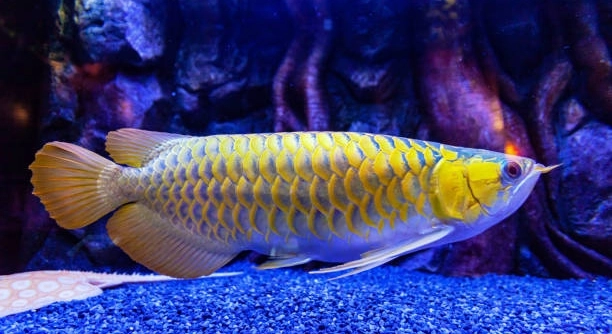
Setting up an Arowana tank requires more than just filling it with water and decorations. Many new owners overlook subtle aspects that affect the fish’s comfort, behavior, and overall well-being in their aquatic environment. Proper placement is key.
Improper tank placement can stress Arowanas, disrupt their swimming patterns, and negatively impact water quality. Common mistakes include placing the tank near vibrations, direct sunlight, or high-traffic areas. Correct positioning ensures stable conditions and promotes the fish’s health and natural behavior.
Learning how small adjustments influence your Arowana’s happiness can transform your aquarium into a thriving, serene environment for your fish to flourish.
Placing the Tank Near Windows
Placing an Arowana tank near windows seems convenient for natural light, but it can create more problems than benefits. Direct sunlight causes temperature fluctuations and excessive algae growth. Even indirect sunlight can warm parts of the tank unevenly, stressing the fish. Arowanas are sensitive to sudden changes in their environment. Bright light can also trigger aggressive behavior or make the fish hide more often. Using blinds or curtains can reduce some impact, but the safest solution is to place the tank in a room with consistent, controlled lighting. Artificial lights designed for aquariums provide better control over day and night cycles. Monitoring water temperature regularly ensures the environment remains stable. Small adjustments, like moving the tank slightly away from the window, can dramatically improve the fish’s well-being. Over time, consistent lighting helps maintain their coloration and activity levels. The goal is to create a calm, stable environment that supports healthy swimming patterns and reduces stress.
Avoiding sunlight keeps temperature stable and prevents algae growth, which supports a healthier habitat for Arowanas.
Controlling light exposure also affects feeding behavior and stress levels. Arowanas can become lethargic under inconsistent lighting, and sudden changes can lead to illness. By planning tank placement thoughtfully, you maintain stable conditions. Even minor shifts in temperature or light can disrupt their immune system and reduce appetite. Proper placement reduces these risks, creating a predictable environment where fish feel secure. Artificial lighting schedules allow you to mimic natural cycles without the dangers of sunlight. Positioning the tank away from windows also helps maintain consistent water chemistry. Stability in these conditions allows Arowanas to swim naturally and display their best colors. Over time, carefully managing light exposure strengthens overall health, making the fish less prone to stress-induced diseases. This controlled approach benefits both the fish and the owner by reducing maintenance and unexpected complications, ensuring a long-lasting, balanced aquarium environment.
Avoiding High-Traffic Areas
High-traffic areas near the tank can startle Arowanas and disrupt their routine. Sudden movement, noise, and vibrations cause stress.
Continuous disturbances reduce appetite, interfere with swimming, and increase susceptibility to disease. Limiting external activity improves the fish’s comfort and confidence.
Arowanas are large, active fish that need calm surroundings. Placing the tank in a quiet room, away from constant human movement or household equipment like washing machines, helps maintain stability. Vibrations from doors, footsteps, or nearby electronics can startle them, triggering erratic swimming or hiding. Over time, repeated stress may weaken their immune system and affect growth. Creating a peaceful area with minimal disturbance encourages natural behavior, improves feeding, and promotes strong coloration. Even slight adjustments, such as moving furniture or redirecting foot traffic, can have significant effects. A stable environment allows Arowanas to thrive, making care easier and reducing potential health problems. Choosing the right location is as important as water quality, diet, or filtration, directly influencing the fish’s well-being every day.
Placing the Tank on an Unstable Surface
A tank on an uneven or unstable surface can lead to stress and structural risks. Even small shifts may cause water to slosh or decorations to topple, making the fish nervous and increasing the likelihood of accidents or tank damage.
Ensuring the tank sits on a sturdy, level stand is essential. Wood or metal stands designed for aquariums distribute weight evenly and reduce pressure points. Uneven surfaces can stress seams, leading to leaks or cracks over time. An Arowana’s size and strength make stability crucial, as any sudden movement or vibration can startle them. Regularly checking the stand for stability and wear keeps the tank secure. Adding a cushioning layer, like foam, can further distribute weight and absorb minor vibrations. Stability protects both the fish and the tank structure, creating a safe environment.
A stable surface also prevents unnecessary stress, allowing Arowanas to swim freely without constant alerts or sudden disturbances. Proper placement supports long-term health and prevents accidents.
Keeping the tank level improves water circulation, preventing debris buildup in corners. Uneven placement may also affect filtration efficiency and water flow, reducing oxygen distribution. When the tank is stable, equipment functions properly, maintaining consistent temperature and cleanliness. This simple adjustment ensures the Arowana experiences minimal stress while swimming, feeding, and interacting with its environment. Over time, a level, secure setup reduces maintenance issues and improves the longevity of both the tank and its inhabitants.
Positioning Near Heavy Appliances
Placing an Arowana tank near washing machines, speakers, or air conditioners exposes the fish to vibrations. These disturbances can increase stress levels and interrupt normal swimming patterns.
Continuous vibration can cause anxiety, making the fish hide or become aggressive. Even brief periods of movement may negatively affect feeding habits and immune response.
Arowanas are highly sensitive to environmental vibrations. Placing a tank close to heavy appliances can produce low-frequency tremors that are imperceptible to humans but highly noticeable to fish. This can lead to erratic swimming, loss of appetite, and heightened stress, which may reduce their overall health. Separating the tank from these sources or using vibration-dampening pads helps protect the fish. Appliances like washing machines, heaters, or large speakers create constant background movement, which can accumulate over time and impact behavior. Ensuring the tank is in a quiet, stable area promotes calm activity, healthier feeding patterns, and improved coloration. Small changes in location can dramatically enhance the fish’s comfort and long-term well-being.
Blocking Access to Maintenance
Placing the tank where it is hard to reach makes cleaning and maintenance inconvenient. Limited access can result in skipped water changes, delayed filter cleaning, and neglected inspections, all of which affect Arowana health.
Easy access encourages regular upkeep. Arowanas thrive in consistently clean water, and any difficulty reaching the tank increases the likelihood of stress or disease.
Overcrowding the Surrounding Space
Surrounding a tank with too many objects or furniture limits airflow and visibility. Restricted space can trap heat, reduce oxygen circulation, and make monitoring the fish more difficult. Proper clearance around the tank ensures better water conditions, ease of maintenance, and a calmer environment for the Arowana.
Placing Decorations Too Close
Decorations placed too close together limit swimming space for Arowanas. These fish need open areas to move freely, and tight setups can cause stress, accidental injuries, and aggressive behavior. A balanced layout with adequate swimming room improves activity, feeding response, and overall health.
Ignoring Temperature Stability
Temperature fluctuations can quickly stress Arowanas. Placing the tank near drafty areas, heaters, or air vents may lead to uneven water temperatures, impacting their immune system and behavior.
FAQ
What is the ideal location for an Arowana tank?
The best location is a quiet room with minimal vibrations and consistent lighting. Avoid placing the tank near windows, doors, or heavy appliances. A controlled environment helps maintain water temperature, reduces stress, and supports natural swimming patterns. Keeping the tank in a low-traffic area ensures the fish feel secure.
How far should the tank be from windows?
Position the tank at least several feet away from direct sunlight. Even indirect light can create temperature fluctuations and encourage algae growth. Using blinds or curtains can help, but the most reliable solution is a location with stable artificial lighting. Controlled light cycles support feeding and activity patterns.
Can vibrations really stress Arowanas?
Yes, even subtle vibrations from washing machines, speakers, or heavy foot traffic can disturb them. Continuous exposure may cause hiding, erratic swimming, loss of appetite, and weakened immunity. Using vibration-dampening pads and selecting a stable, quiet area is essential for their well-being.
Why is tank stability important?
Arowanas are large, powerful fish. An uneven or weak stand can risk structural damage or sudden shifts. Stability prevents accidents, reduces stress, and protects water circulation. Even minor wobbling can make fish anxious and may compromise filtration and equipment performance over time.
Is it necessary to leave open swimming space?
Absolutely. Arowanas are active swimmers and need clear areas for exercise. Crowding decorations or plants reduces their freedom and may trigger stress or aggressive behavior. Balancing décor with open swimming space supports mental and physical health while maintaining a visually appealing setup.
How do I maintain temperature stability?
Avoid placing tanks near drafty windows, doors, or heating/cooling vents. Use reliable aquarium heaters and thermometers to monitor water consistently. Sudden changes can weaken their immune system and alter behavior. Maintaining steady temperatures ensures the Arowana remains active, healthy, and stress-free.
Can tank placement affect feeding habits?
Yes, Arowanas may become shy or refuse food if the tank is in a high-traffic area or near vibrations. Stress influences appetite, so a calm, stable environment encourages consistent feeding patterns. Proper placement supports growth, energy levels, and overall health.
How often should I inspect the tank setup?
Regular inspections are crucial. Check for uneven surfaces, loose stands, water quality, and proper light cycles. Consistent monitoring helps identify potential issues early and ensures the environment remains safe and stable for the fish. Small adjustments can make a significant difference in comfort.
Are there signs that tank placement is stressing my Arowana?
Yes. Common signs include erratic swimming, hiding, aggression, loss of appetite, or dull coloration. Noticing these behaviors early allows for adjustments in placement, lighting, or surrounding activity to reduce stress and support the fish’s well-being.
What is the single most important factor in choosing a tank location?
Minimizing stress is key. The location should be quiet, stable, and easy to access for maintenance. Reducing vibrations, temperature fluctuations, and external disturbances creates a safe environment where the Arowana can thrive and display natural behavior.
How does accessibility impact tank health?
Easy access ensures regular water changes, cleaning, and equipment checks. A tank tucked into a tight corner may lead to skipped maintenance, deteriorating water quality, and increased stress for the fish. Proper placement balances convenience for the owner and safety for the Arowana.
Can small adjustments improve tank conditions?
Yes. Shifting the tank slightly away from windows, adding vibration-absorbing pads, or rearranging furniture can stabilize the environment. Even minor improvements in location and layout can enhance comfort, feeding, swimming patterns, and long-term health of the fish.
What role does light control play in tank placement?
Light affects stress levels, behavior, and algae growth. Consistent, controlled lighting supports natural activity cycles. Avoiding direct sunlight prevents overheating and algae issues. Artificial lights with timers offer predictable day and night cycles, keeping the fish healthy and active.
Why should I avoid placing the tank near heavy appliances?
Appliances produce constant low-frequency vibrations that are imperceptible to humans but stressful to Arowanas. Over time, these vibrations can cause anxiety, disrupted feeding, and erratic swimming. Separating the tank from these sources ensures a calm, secure environment.
How can I balance décor and swimming space?
Place larger decorations along the sides and leave central open areas for swimming. Avoid overcrowding with ornaments or plants. Proper balance provides hiding spots without restricting movement, supporting natural behavior and reducing stress.
What is the impact of high-traffic areas on Arowanas?
Frequent movement, noise, and vibrations from people or pets can make the fish anxious. Stress from constant disturbances affects feeding, coloration, and overall health. Selecting a quiet, low-traffic spot allows the fish to feel secure and behave naturally.
How do I know if my tank is properly set up?
Signs of a well-placed tank include stable water temperature, clear swimming areas, calm behavior, regular feeding, and vibrant coloration. The fish should swim confidently without hiding or showing signs of stress. Regular observation and adjustments maintain this ideal environment.
What is the most common mistake in tank placement?
Ignoring environmental factors like light, vibrations, temperature, and accessibility. Many owners focus on décor or tank size but overlook how surroundings impact the fish’s health. Addressing these factors ensures a safe, stress-free habitat where the Arowana can thrive.
Can placement affect long-term health?
Yes, consistently poor placement can lead to chronic stress, reduced immunity, and slower growth. Choosing a stable, quiet, and accessible location with proper light and swimming space promotes longevity, vibrant colors, and overall well-being for the fish.
This FAQ addresses common placement issues, helping owners provide a safe, comfortable environment that supports Arowanas’ natural behavior and long-term health. Proper attention to location, stability, light, and accessibility ensures their tank remains a thriving aquatic space.
Word count: 507
Final Thoughts
Proper tank placement is one of the most overlooked aspects of caring for Arowanas. Many owners focus on decorations, filtration, or diet, but the surrounding environment plays an equally important role in the fish’s health and behavior. A stable location reduces stress, prevents accidents, and maintains water quality. Choosing a spot that is quiet, easily accessible, and free from direct sunlight or vibrations ensures the Arowana can swim naturally and maintain normal feeding patterns. Even small adjustments, like moving the tank a few feet away from a window or adding vibration-dampening pads, can make a significant difference in their comfort. Over time, this stability not only supports physical health but also allows the fish to display its natural colors and activity levels, which is one of the most rewarding aspects of keeping Arowanas.
In addition to stability, proper spacing and accessibility are key considerations. Arowanas need open swimming areas to thrive, and overcrowding with decorations can create stress or limit movement. Balanced décor provides hiding spots and visual interest without restricting space. Easy access to the tank allows regular maintenance, including water changes, filter checks, and monitoring of temperature and lighting. Neglecting these tasks due to poor placement can have long-term consequences on water quality and fish health. Keeping the tank in a location that is convenient for upkeep ensures that maintenance becomes part of a consistent routine. Regular observation of the fish can also alert the owner to early signs of stress or illness, making placement and accessibility essential for preventative care.
Overall, attention to tank placement affects every aspect of an Arowana’s well-being. Proper positioning, consistent lighting, minimized vibrations, and adequate space all contribute to a calm and healthy environment. Owners who take the time to consider these factors can reduce stress, improve feeding behavior, and support growth and immunity. While it may seem like a small detail, placement has long-term implications for both the fish and the tank setup. A stable, accessible, and thoughtfully positioned tank makes daily care easier, reduces unexpected problems, and allows the Arowana to thrive. With these considerations in mind, creating a supportive environment becomes a straightforward process, ensuring the fish can live comfortably, actively, and vibrantly in its home.
Word count: 406

Hello,
If you enjoy the content that we create, please consider saying a "Thank You!" by leaving a tip.
Every little bit helps us continue crafting quality advice that supports the health, happiness, and well-being of pets around the world, for pets of all shapes, sizes, and species.
We really appreciate the kindness and support that you show us!