
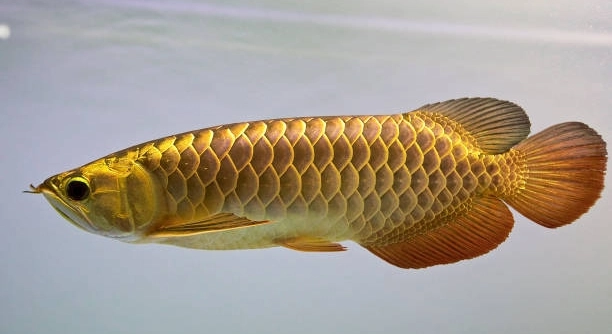
Arowanas are admired for their vibrant colors and graceful movements, making them a prized addition to any aquarium. Observing a sudden darkening in their scales can be concerning and may indicate underlying health or environmental issues.
Arowana darkening is typically caused by stress, poor water quality, nutritional deficiencies, or illness. Immediate steps include checking water parameters, ensuring proper diet, maintaining stable lighting, and isolating the fish if necessary to prevent further deterioration and address potential causes effectively.
Monitoring your arowana closely and understanding these key factors can help restore its natural color and promote a healthier, more vibrant fish over time.
Common Causes of Arowana Darkening
Arowanas are sensitive to their environment, and several factors can trigger their scales to darken. Poor water quality is a leading reason, as high ammonia, nitrite, or nitrate levels can stress the fish. Improper lighting can also affect coloration, especially if the tank is too dim or exposed to inconsistent light cycles. Nutrition plays a crucial role as well; diets lacking essential vitamins and minerals can dull an arowana’s natural colors. Stress from overcrowding or aggressive tank mates can cause temporary or lasting darkening. Illnesses, including bacterial or parasitic infections, may present as darker patches on the body or fins. Regular observation, routine water testing, and careful feeding habits are key in preventing these changes. Consistent tank maintenance and providing a calm environment will help the arowana maintain its vibrant appearance and overall well-being, reducing the likelihood of sudden darkening.
Monitoring water quality and feeding habits carefully can prevent many issues that lead to darkened scales.
Arowanas respond quickly to changes in their environment. Adjusting water temperature, performing regular partial water changes, and ensuring a balanced diet can gradually restore their bright colors. Observation is important; look for subtle changes in behavior or appetite that may signal stress or illness. Using proper lighting, avoiding sudden temperature fluctuations, and reducing overcrowding in the tank all contribute to healthier coloration. Early intervention is crucial, as prolonged stress or poor conditions can have lasting effects. Isolation may be necessary if illness is suspected to prevent spreading. Over time, with proper care and attention, an arowana’s natural color can return, and its activity levels and health will improve, making the tank more enjoyable to observe and creating a stable environment for continued growth.
Adjusting Diet and Supplements
A balanced diet is essential for an arowana’s color and health. Offering high-quality pellets, live or frozen foods, and occasional supplements provides necessary nutrients.
Introducing varied food options can enhance pigmentation. Foods rich in carotenoids, like krill or shrimp, support natural coloration. Vitamins and mineral supplements ensure the fish receives adequate nutrition that might be missing from a standard diet. Feeding smaller portions multiple times a day can prevent overfeeding while maintaining energy levels. Observing how the fish responds to new foods is important to ensure it is eating properly. Consistency in diet, combined with water quality management, helps prevent stress-related darkening and promotes overall vitality. Proper diet is one of the most effective tools to maintain vibrant scales, enhance immunity, and support growth. By paying attention to nutrition and gradually introducing dietary improvements, an arowana’s natural luster can return, and it will display healthier, more active behavior in the aquarium over time.
Maintaining Proper Tank Conditions
Regular water testing is essential to keep an arowana healthy. Checking pH, ammonia, nitrite, and nitrate levels ensures the tank remains stable. Temperature should stay consistent, ideally between 75–82°F, to reduce stress and maintain coloration.
Cleaning the tank and performing partial water changes prevents buildup of harmful substances that can darken scales. Using a reliable filter helps maintain clear water, and avoiding overcrowding reduces stress and aggression. Proper tank size is critical; arowanas need ample swimming space to stay active and display natural colors. Consistency in lighting, temperature, and water parameters keeps the fish comfortable and minimizes sudden darkening. Small adjustments can make a significant difference in maintaining their vibrant appearance and overall well-being, while regular monitoring allows early detection of issues.
Tank decorations and plants should be arranged to provide hiding spots and swimming space. Proper aeration improves oxygen levels, which supports metabolism and color retention. Monitoring behavior alongside water parameters ensures the fish thrives.
Observing Behavior and Health
Regular observation allows early detection of stress or illness. Watch for changes in appetite, swimming patterns, or interaction with other fish, as these signs can indicate underlying problems.
Behavioral changes often precede visible color changes. Arowanas may become lethargic, hide frequently, or display erratic swimming when stressed or ill. Immediate intervention, such as adjusting water conditions or isolating the fish, can prevent worsening health. Tracking feeding habits and response to new foods helps identify nutritional deficiencies that may contribute to darkening. Monitoring behavior alongside water quality and tank conditions ensures timely corrective action, protecting both color and overall health.
Noting subtle signs, including fin clamping, rubbing against surfaces, or unusual aggression, provides insights into well-being. Keeping a daily log of observations helps track improvements or deteriorations, enabling better long-term care decisions.
Stress Reduction Techniques
Minimizing stress is key to preventing arowana darkening. Avoid sudden movements near the tank and limit loud noises that may startle the fish. Maintaining a stable environment helps the fish feel secure and reduces color loss caused by stress.
Proper tank layout and compatible tank mates reduce conflicts. Providing hiding spots and open swimming areas allows the fish to feel safe. Consistency in feeding times and water conditions further supports a calm environment. Observing the fish’s reactions helps identify stress triggers early, ensuring interventions can be applied before darkening becomes severe.
Lighting Adjustments
Proper lighting enhances natural coloration. Use consistent light cycles, ideally 10–12 hours daily, to mimic natural conditions and reduce stress.
Bright or inconsistent lighting can cause stress and dull colors. Adjustable LED lighting allows control over intensity and duration. Ensuring the tank is not exposed to direct sunlight prevents overheating and algae growth, maintaining both health and coloration. Regularly checking the fish under lighting ensures changes are noticed early. Consistency in light helps the arowana maintain its natural vibrancy and encourages normal activity patterns.
Temperature Management
Stable temperature is crucial for an arowana’s health. Sudden changes can cause stress, weaken immunity, and affect coloration.
Maintaining the tank between 75–82°F supports metabolic function and vibrant scales. Using a reliable heater and thermometer ensures consistency. Gradual adjustments prevent shock, keeping the fish healthy and active.
FAQ
Why is my arowana turning dark suddenly?
Sudden darkening in arowanas is usually a sign of stress, poor water quality, illness, or dietary deficiencies. Changes in tank conditions, temperature fluctuations, or aggressive tank mates can trigger this response. Monitoring water parameters, behavior, and diet can help pinpoint the exact cause.
Can darkening be reversed?
Yes, darkening can often be reversed if the underlying cause is addressed promptly. Correcting water quality, improving diet, reducing stress, and treating illnesses can restore the fish’s natural coloration over time. Patience is necessary, as color changes may take weeks to fully recover.
How often should I check water quality?
Water should be tested weekly for ammonia, nitrite, nitrate, and pH levels. Keeping records allows you to spot trends and prevent conditions that could stress your arowana. Regular partial water changes and proper filtration complement testing.
What foods help improve coloration?
Foods rich in carotenoids, like shrimp, krill, and certain high-quality pellets, enhance natural coloration. Vitamins and mineral supplements can fill dietary gaps. Feeding smaller, frequent portions ensures proper digestion and nutrient absorption without overfeeding.
Can tank mates affect my arowana’s color?
Yes, aggressive or incompatible tank mates can stress an arowana, causing darkening. Overcrowding increases competition for space and food. Observing interactions and providing ample swimming space or isolating the fish can help reduce stress.
Does lighting affect arowana coloration?
Consistent lighting is important. Too dim or fluctuating light can dull colors. A controlled light cycle of 10–12 hours daily mimics natural conditions. Adjustable LED lighting allows proper intensity, and avoiding direct sunlight prevents temperature spikes and algae growth.
How do I know if darkening is due to illness?
Look for additional signs like lethargy, clamped fins, loss of appetite, or unusual spots. Sudden darkening accompanied by behavioral changes often indicates disease, requiring isolation and treatment to prevent worsening and protect other tank inhabitants.
Is temperature important for preventing darkening?
Absolutely. Stable temperatures between 75–82°F support metabolism and maintain vibrant coloration. Sudden drops or spikes can stress the fish. Using a reliable heater and thermometer ensures consistency, and gradual adjustments prevent shock.
Should I use supplements regularly?
Supplements can be helpful if the diet is lacking essential nutrients. Vitamins and minerals support immune function and color development. However, over-supplementing can be harmful, so moderation and monitoring are key.
How long does it take for arowana color to return?
Recovery time varies depending on the cause and the fish’s health. With proper care, improvements can be seen within weeks, but full restoration of natural color may take several months. Patience, consistent care, and monitoring are essential for long-term results.
Can stress alone cause permanent darkening?
If stress is prolonged or severe, it can have lasting effects on coloration and overall health. Early intervention by reducing stress factors and maintaining optimal conditions prevents permanent changes.
Is partial water change enough to improve color?
Partial water changes help maintain water quality and reduce toxins, which supports healthy coloration. Combined with monitoring, diet improvements, and stress reduction, water changes play a crucial role in restoring vibrant scales.
What signs indicate recovery?
The arowana will show brighter, more consistent coloration, improved activity, and regular feeding behavior. Monitoring these indicators helps gauge the effectiveness of interventions and ensures long-term health.
How often should I feed my arowana?
Feeding smaller portions two to three times daily prevents overfeeding and promotes digestion. A varied diet with high-quality pellets, live, or frozen foods supports natural color and overall health.
Can tank environment alone change coloration?
Yes, consistent water quality, proper lighting, temperature stability, and stress-free surroundings all influence arowana coloration. Even with good nutrition, poor environmental conditions can lead to dull or darkened scales.
Are all darkened arowanas stressed or sick?
Not always. Some darkening is temporary, caused by minor stress or normal adaptation to light changes. Persistent or sudden changes combined with behavioral or health issues usually indicate stress or illness.
Does isolation help with darkening?
Isolating a stressed or sick arowana can prevent aggression from other fish and allow focused care. It also reduces stress, helping the fish regain color while monitoring diet, water quality, and health closely.
Can frequent handling affect color?
Yes, excessive handling or moving the fish frequently causes stress, which may lead to temporary darkening. Minimizing disturbance and observing from a distance supports calm behavior and helps maintain vibrant scales.
How important is observation for color management?
Observation is critical. Noticing changes in behavior, appetite, and appearance early allows prompt action. Daily monitoring ensures water quality, diet, and stress factors are addressed before darkening becomes severe.
What long-term practices maintain arowana color?
Consistent water quality, stable temperature, proper lighting, a balanced diet, stress reduction, and regular health monitoring are essential. Combining these practices creates a stable environment that supports natural coloration and overall vitality indefinitely.
This FAQ addresses the most common concerns about arowana darkening and offers practical steps to maintain their vibrant color and health. Regular care and attention can prevent most issues before they become serious.
Word count: 520
Final Thoughts
Caring for an arowana requires attention to detail and consistent maintenance. Observing your fish closely helps identify early signs of stress, illness, or environmental issues that may affect its coloration. Water quality is one of the most important factors to monitor regularly. Testing for ammonia, nitrite, nitrate, and pH ensures that the tank remains stable and safe for the fish. Partial water changes and proper filtration prevent harmful substances from accumulating, supporting both health and vibrant scales. Temperature consistency is equally important, as sudden fluctuations can weaken immunity and trigger darkening. Using a reliable heater and thermometer allows you to maintain a stable environment, which reduces stress and supports natural behavior.
Diet plays a key role in the overall well-being of an arowana. Providing a variety of foods, including high-quality pellets, live or frozen options, and occasional supplements, ensures that the fish receives the necessary vitamins and minerals. Foods rich in carotenoids, like shrimp and krill, help enhance natural coloration over time. Feeding smaller portions multiple times per day can prevent overfeeding while maintaining energy levels. Observing how your arowana responds to different foods also provides insight into its nutritional needs and health. Maintaining a balanced diet, combined with proper tank conditions, creates a foundation for sustained vitality and helps the fish recover from any temporary darkening caused by stress or deficiencies.
Stress management is essential to maintaining an arowana’s natural colors. Overcrowding, aggressive tank mates, and sudden environmental changes can all lead to darkening. Providing a spacious tank with areas to swim freely and hiding spots reduces anxiety and encourages normal activity. Consistent lighting, stable temperature, and minimal disturbances further support a calm environment. Observing behavior regularly, including swimming patterns, appetite, and interactions, allows you to address problems before they escalate. Even small adjustments in the tank layout, feeding schedule, or lighting can have a noticeable impact on the fish’s appearance and overall health. By paying careful attention to water quality, nutrition, and stress reduction, you can maintain a vibrant, healthy arowana that thrives in its environment and displays its natural colors consistently.
Word count: 409

Hello,
If you enjoy the content that we create, please consider saying a "Thank You!" by leaving a tip.
Every little bit helps us continue crafting quality advice that supports the health, happiness, and well-being of pets around the world, for pets of all shapes, sizes, and species.
We really appreciate the kindness and support that you show us!