
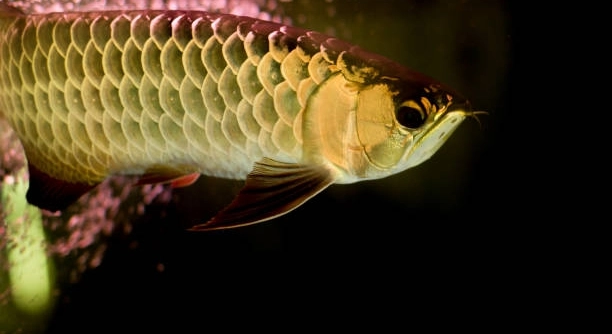
Arowanas are striking freshwater fish that thrive in well-maintained aquariums. Their natural instincts and activity levels benefit greatly from a carefully arranged environment that supports both physical exercise and mental stimulation.
Providing enrichment for an arowana’s environment involves introducing elements that encourage natural behaviors such as swimming, hunting, and exploring. Appropriate tank decorations, live or artificial plants, floating structures, and controlled water flow can significantly enhance their overall well-being and reduce stress.
Arowanas respond positively to thoughtful environmental adjustments, making their aquarium more engaging and comfortable. Creating the right setup can lead to healthier, more active fish.
Choosing the Right Tank Size
Arowanas grow large and need ample space to swim comfortably. Selecting a tank that accommodates their full length and allows for easy movement is essential. A minimum of 250 gallons is recommended for adult arowanas, though larger tanks are preferable. Proper space prevents stress and reduces aggressive behavior, making your fish healthier and more active. Along with size, the tank’s shape matters. Long, rectangular tanks provide better swimming paths than tall, narrow ones. Placement of filtration and aeration systems should allow water to circulate evenly without creating strong currents that tire your fish. Providing hiding spots and open swimming areas helps the arowana feel secure while encouraging natural exploration. Overcrowding with other large fish should be avoided, as it can lead to territorial disputes. Regular monitoring of water quality, including pH, ammonia, and nitrate levels, ensures the environment remains stable and suitable for growth. A well-sized, thoughtfully arranged tank sets the foundation for a thriving arowana.
A larger tank promotes natural behaviors and reduces stress. Your arowana will be more active and exhibit healthier swimming patterns.
By choosing the proper tank size and shape, you create an environment where the arowana can thrive. Strategic placement of decorations and filtration ensures balance between swimming space and hiding spots. Consistent water maintenance helps maintain a stable habitat. This combination supports physical health and mental stimulation, allowing your arowana to display natural behaviors freely. A well-prepared tank reduces aggression, encourages exploration, and enhances feeding responses. Careful planning in tank setup ultimately leads to a long-lived, content fish that demonstrates its full potential.
Adding Enrichment Elements
Enrichment elements keep an arowana engaged and active. Floating logs, driftwood, and smooth rocks give areas for exploration. Live or artificial plants can provide cover and visual interest, promoting curiosity. Movement and interaction with these features stimulate mental activity.
Structured enrichment supports activity levels and reduces boredom, helping your fish remain healthy.
Introducing a variety of enrichment items gradually allows your arowana to adapt and explore confidently. Consider rotating items periodically to maintain novelty. Floating objects create vertical exploration opportunities, while anchored decorations encourage horizontal swimming. Incorporating items that reflect their natural habitat, like slow-moving currents or plant clusters, can trigger instinctual behaviors such as hunting or territory marking. Monitor interactions to ensure the fish does not injure itself on sharp edges. Balanced enrichment also contributes to reduced stress levels and improved immune function. Over time, a thoughtfully enriched environment enhances both the physical and mental well-being of your arowana, promoting natural behaviors, reducing aggression, and supporting overall longevity. The investment in creating stimulating surroundings is rewarded with a more vibrant and active fish.
Maintaining Water Quality
Consistent water quality is crucial for arowanas. Regular testing of ammonia, nitrite, nitrate, and pH levels helps prevent stress and illness. Clean water supports healthy growth and reduces the risk of disease in the aquarium environment.
Filtration systems should be strong enough to handle large volumes and remove debris effectively. Partial water changes of 20–30% weekly keep conditions stable. Dechlorinated water should be used to avoid chemical damage. Monitoring temperature between 75–82°F ensures the arowana remains comfortable. Skimmers, bio-media, and mechanical filters all contribute to cleaner water and stable parameters. Clean water encourages natural feeding behaviors and active swimming.
Observing your arowana’s behavior provides additional clues about water quality. Lethargy, loss of appetite, or unusual swimming patterns can indicate imbalances. Maintaining proper filtration, performing scheduled water changes, and checking chemical levels reduces stress and supports long-term health. A proactive approach prevents disease outbreaks and promotes a thriving aquatic environment. This attention to detail helps ensure your arowana remains strong, vibrant, and active in its habitat.
Feeding and Diet
A balanced diet directly influences your arowana’s vitality and growth. Offer a mix of pellets, live foods, and occasional frozen items to provide essential nutrients. Varying food types prevents dietary deficiencies and encourages natural hunting instincts.
Feeding should occur 1–2 times daily, adjusting amounts based on size and age. Overfeeding can pollute the water and lead to obesity. High-quality pellets ensure consistent nutrition, while live foods like small fish or insects provide enrichment. Introducing occasional treats stimulates natural behavior and keeps feeding time engaging. Proper diet enhances coloration, boosts immunity, and supports skeletal development.
Supplemental vitamins and minerals can prevent deficiencies, especially in captive environments. Observe your arowana during feeding to ensure all individuals are receiving adequate nutrition. Uneaten food should be removed promptly to maintain water quality. By combining consistency, variety, and careful portioning, you create a feeding routine that supports both health and enrichment, promoting long-term vitality for your arowana.
Lighting and Day-Night Cycle
Proper lighting helps regulate an arowana’s natural rhythm. A consistent day-night cycle supports feeding habits, activity levels, and overall well-being. Avoid sudden bright lights that may stress the fish.
Soft, diffused lighting simulates natural conditions. Using timers ensures a stable schedule. Gradual transitions between light and dark prevent shock and encourage normal behavior.
Tank Decorations
Decorations provide physical and mental stimulation. Driftwood, rocks, and plants create areas for exploration and resting. Avoid sharp or rough edges that could injure the arowana.
Water Flow and Aeration
Moderate water flow supports healthy swimming without exhausting the arowana. Proper aeration maintains oxygen levels and encourages active behavior.
FAQ
How often should I clean my arowana’s tank?
Cleaning should be consistent to maintain water quality. Partial water changes of 20–30% weekly are recommended. Remove uneaten food and debris daily. Filters should be checked and cleaned regularly to prevent clogs and maintain proper circulation. A clean environment reduces stress and promotes healthy growth.
What is the best diet for arowanas?
A varied diet ensures proper nutrition. High-quality pellets form the base, supplemented with live foods such as small fish, insects, or shrimp. Frozen foods can also be offered occasionally. Avoid overfeeding, as it can lead to obesity and deteriorate water quality. Balanced feeding promotes coloration, strong bones, and overall vitality.
Can arowanas live with other fish?
Compatibility depends on size, temperament, and tank space. Arowanas are territorial and may show aggression toward smaller or similarly sized fish. Tank mates should be chosen carefully, ideally larger, peaceful species. Monitoring interactions is crucial to prevent injury and stress. Providing hiding spots helps reduce territorial disputes.
How important is tank size for arowanas?
Tank size is critical because arowanas grow large and require space to swim. A minimum of 250 gallons is recommended for adults. Larger tanks provide room for exercise, reduce aggression, and allow for proper decoration and enrichment. Adequate space supports natural behavior and long-term health.
What water conditions are ideal for arowanas?
Maintain water temperature between 75–82°F and a pH of 6.5–7.5. Ammonia and nitrite levels should be kept at zero, while nitrates should remain low. Proper filtration, regular water changes, and careful monitoring of chemical levels ensure a stable and safe environment for the fish.
How do I introduce new enrichment items safely?
Introduce items gradually and monitor how the arowana interacts with them. Start with smooth decorations to avoid injuries. Rotate or change items periodically to maintain interest. Ensure items are securely anchored and do not disrupt water flow. Observation helps prevent stress and encourages natural exploration.
Why is lighting important for arowanas?
Lighting regulates the fish’s day-night cycle. Consistent, gentle lighting supports feeding, activity, and rest patterns. Timers can help maintain a stable schedule. Sudden bright lights should be avoided to reduce stress. Gradual transitions mimic natural conditions and encourage normal behavior.
Can arowanas recognize their owners?
Arowanas can observe and remember patterns in their environment. While they may not form attachments like mammals, they respond to regular feeding and movement, recognizing familiar routines. This behavior can be used to monitor their health and encourage interaction during feeding or maintenance.
How do I prevent aggression in arowanas?
Provide ample space, enrichment, and carefully selected tank mates. Avoid overcrowding and monitor interactions. Structured enrichment, proper feeding, and consistent water quality reduce stress and territorial behavior. Aggression is often linked to boredom or insufficient space, so maintaining these factors is key to a peaceful environment.
What signs indicate my arowana is stressed or unhealthy?
Lethargy, loss of appetite, unusual swimming, clamped fins, or discoloration are common stress indicators. Water quality issues, poor diet, or tank overcrowding often contribute. Prompt action, including testing water parameters and adjusting conditions, helps restore health and prevent long-term complications.
How often should I monitor water parameters?
Weekly testing of pH, ammonia, nitrite, and nitrate is recommended. Temperature should be checked daily. Frequent monitoring allows for early detection of problems, ensuring a stable environment. Consistency supports health, reduces stress, and promotes natural behavior and growth in the arowana.
Are live plants safe for arowanas?
Yes, as long as they are smooth and securely anchored. Live plants provide cover, improve water quality, and stimulate natural behavior. Some arowanas may nibble on plants, so choose hardy species. Alternating with artificial plants can also maintain enrichment while reducing maintenance.
How can I encourage natural swimming behavior?
Provide open swimming areas, moderate water flow, and enrichment elements like driftwood or floating structures. A well-arranged tank encourages horizontal and vertical movement. Observing the fish and adjusting decorations helps promote exercise, reduces stress, and supports healthy muscle development and overall well-being.
Is it necessary to supplement vitamins?
Supplements are helpful, especially in captive environments where diet may lack variety. Vitamins and minerals support coloration, immunity, and growth. Over-supplementation should be avoided, and products should be designed for carnivorous fish. Balanced nutrition combined with supplements ensures arowanas maintain optimal health.
How can I tell if my tank setup is adequate?
Observe behavior and health. Active swimming, bright coloration, regular feeding, and minimal aggression indicate a suitable environment. Proper tank size, enrichment, clean water, and compatible tank mates all contribute. Adjustments may be needed based on behavior or growth patterns to maintain optimal living conditions.
What is the best way to acclimate a new arowana?
Float the bag in the tank for 15–20 minutes to equalize temperature. Gradually mix small amounts of tank water into the bag over 30–60 minutes. This reduces stress from sudden changes in temperature or water chemistry. After acclimation, release the fish carefully, ensuring minimal disturbance.
How can I prevent diseases in arowanas?
Maintain water quality, provide a balanced diet, and avoid overcrowding. Quarantine new fish before introduction to prevent transmission of pathogens. Regular observation and early intervention for any unusual signs help minimize the risk of illness. Clean equipment and proper hygiene further reduce exposure to harmful organisms.
Can arowanas jump out of the tank?
Yes, arowanas are strong jumpers. A secure, tightly fitted lid is essential to prevent escapes. Providing floating decorations or visual barriers near the surface may reduce jumping attempts. Ensuring calm water conditions and avoiding sudden disturbances also lowers the risk of jumping accidents.
How do I handle aggression toward tank mates?
Separate aggressive individuals if necessary. Provide hiding spaces and monitor interactions. Avoid pairing similarly sized, territorial species in a confined tank. Adjusting enrichment and feeding routines can reduce stress-related aggression. Observing the arowana regularly helps manage conflicts before injuries occur.
What is the ideal temperature range for arowanas?
Keep water between 75–82°F. Temperatures outside this range can stress the fish and reduce immune function. Use reliable heaters and thermometers to maintain stability. Consistent temperature supports metabolism, feeding, and activity levels while preventing health issues associated with sudden fluctuations.
How often should decorations be cleaned?
Clean decorations periodically to prevent algae buildup and maintain water quality. Remove items during water changes and scrub gently with a soft brush. Avoid harsh chemicals that could harm the arowana. Rotating or rearranging decorations also encourages exploration and mental stimulation.
Can arowanas recognize reflections or other arowanas?
They may respond to their reflection or other arowanas in the tank. This behavior can indicate territoriality or curiosity. Careful observation helps identify stress or aggression triggered by reflections. Adjusting tank layout or adding visual barriers can reduce potential conflicts and promote a calmer environment.
How do I maintain long-term tank stability?
Regular maintenance, consistent feeding, water monitoring, and proper enrichment are essential. Avoid overcrowding and introduce changes gradually. Stability supports health, growth, and natural behavior. A proactive approach reduces stress, prevents disease, and creates a safe, thriving environment for your arowana over the years.
What signs show my arowana is thriving?
Bright coloration, active swimming, healthy appetite, and minimal stress behaviors indicate a thriving fish. Regular observation of these signs confirms that tank size, water quality, diet, and enrichment are appropriate. Adjustments can be made if any negative changes are noticed. A thriving arowana displays natural behaviors consistently.
Can I breed arowanas in a home aquarium?
Breeding is challenging and requires a large, well-maintained tank, proper pairing, and controlled water conditions. Male and female arowanas must be compatible. Providing hiding spots and monitoring interactions is critical. Successful breeding requires experience, patience, and careful observation to ensure the health of both adults and fry.
How do I manage seasonal changes in the tank?
Maintain stable temperature, lighting, and water conditions year-round. Avoid drastic changes in water chemistry or temperature. Seasonal variations outside the tank should not affect the arowana. Using heaters, timers, and proper insulation helps keep the environment consistent, ensuring stress-free living conditions.
Is it necessary to rotate enrichment items?
Yes, rotating items maintains interest and encourages exploration. Periodic changes prevent boredom and promote mental stimulation. Introducing new textures or positions challenges the arowana to investigate and adapt. Consistent observation ensures that rotated items are safe and do not disrupt tank stability or water flow.
How do I reduce stress in arowanas?
Provide proper tank size, enrichment, stable water conditions, and compatible tank mates. Avoid sudden disturbances, overcrowding, or rapid environmental changes. Gradual introductions of new items or companions help the fish adapt. Reduced stress improves health, feeding, and overall behavior.
Can arowanas live long in captivity?
With proper care, arowanas can live 10–20 years or more. Long life depends on consistent water quality, balanced nutrition, adequate space, enrichment, and stress reduction. Regular monitoring, proper maintenance, and attentive care support longevity and ensure the fish remains active and healthy over time.
What equipment is essential for an arowana tank?
A reliable filtration system, heater, thermometer, secure lid, and aeration setup are essential. Decorations and enrichment items support natural behavior. Proper tools for water testing, cleaning, and maintenance are necessary to maintain a stable and safe environment for long-term care.
How do I monitor growth effectively?
Measure or visually track size regularly. Observe changes in behavior, appetite, and body condition. Maintaining notes can help detect growth issues early. Adequate space, nutrition, and water quality ensure steady, healthy development, supporting overall well-being and activity.
What precautions should I take when introducing new tank mates?
Quarantine new fish, assess temperament, and introduce them gradually. Monitor interactions closely. Ensure tank space and hiding spots are sufficient. Proper preparation reduces stress, prevents aggression, and minimizes the risk of disease transmission between the arowana and new tank mates.
How can I tell if my arowana is happy?
Active swimming, regular feeding, exploration of decorations, and minimal signs of stress indicate a happy arowana. Bright coloration, consistent energy, and engagement with the environment are strong indicators that the tank conditions meet its needs and support overall well-being.
What should I do if my arowana stops eating?
Check water quality, temperature, and tank conditions first. Observe for signs of illness or stress. Adjust diet gradually, offering live or high-quality foods. Stress, poor water conditions, or disease are common causes. Timely intervention ensures health is restored quickly and feeding behavior returns to normal.
Can arowanas recognize feeding routines?
Yes, they learn patterns and respond to consistent schedules. Regular feeding at the same time encourages anticipation and natural hunting instincts. Consistent routines also make it easier to monitor health and activity while promoting mental stimulation in a structured environment.
Is it safe to use artificial decorations?
Yes, if smooth and non-toxic. Artificial plants and rocks can provide enrichment, hiding spots, and visual interest. They require less maintenance than live plants and can be rotated to maintain novelty. Ensure all items are securely placed to avoid injuries or water flow disruption.
How do I encourage interaction without causing stress?
Observe from a distance and offer enrichment or feeding opportunities. Avoid sudden movements, tapping on glass, or overcrowding the tank. Gradual introduction of items or gentle interaction encourages curiosity without causing anxiety, supporting natural behavior and mental stimulation.
What are common mistakes to avoid with arowanas?
Overcrowding, poor water quality, inconsistent feeding, sharp decorations, and neglecting enrichment are common issues. Ignoring signs of stress or disease can lead to long-term health problems. Proper planning, monitoring, and care prevent these mistakes and promote a thriving fish.
How can I ensure long-term health and happiness?
Maintain consistent water quality, provide a balanced diet, ensure proper tank size, offer enrichment, and monitor behavior. Regular observation, cleaning, and proactive care create a stable environment. These measures support physical health, mental stimulation, and natural behavior, ensuring the arowana remains active and content.
How do I know if my arowana is stressed by tank mates?
Signs include chasing, hiding, clamped fins, or refusal to eat. Observing interactions closely allows for early intervention. Adjusting tank setup, increasing space, or separating aggressive fish reduces stress and prevents injuries. Ensuring compatibility promotes a peaceful environment for all inhabitants.
Can arowanas adapt to changes in tank layout?
Yes, if changes are gradual. Introducing new decorations or adjusting existing ones slowly allows the arowana to explore safely. Sudden, drastic changes may cause stress. Observing behavior during adjustments ensures a smooth transition while maintaining mental stimulation and comfort in the tank.
How do I prevent algae buildup?
Maintain proper lighting, avoid overfeeding, and perform regular water changes. Introducing live plants can compete with algae for nutrients. Manual cleaning of surfaces and decorations keeps algae under control. Balanced maintenance preserves water quality and ensures a visually appealing, healthy habitat.
Is it normal for arowanas to be territorial?
Yes, they are naturally territorial. Providing ample space, hiding spots, and enrichment reduces aggressive behavior. Monitoring interactions with other fish and avoiding overcrowding helps manage territory disputes and ensures a calmer, healthier environment.
Can arowanas live in cooler temperatures?
Arowanas tolerate minor fluctuations but prolonged exposure below 75°F can stress them and reduce immune function. Heaters should maintain consistent temperatures. Stable, appropriate water conditions support metabolism, activity, and overall health, preventing illness or lethargy.
How do I choose safe live foods?
Select disease-free, appropriately sized live foods like small fish, insects, or shrimp. Avoid wild-caught prey that may carry parasites. Introducing live foods gradually allows observation of response and prevents overfeeding. Proper selection supports nutrition, hunting instincts, and enrichment.
What should I do if my arowana injures itself?
Remove the fish to a quarantine tank if necessary. Clean the wound with safe antiseptics and monitor for infection. Ensure water quality is optimal and reduce environmental stressors. Seek professional advice for severe injuries. Early action helps recovery and prevents long-term issues.
How do I keep enrichment interesting long-term?
Rotate decorations, adjust water flow, and introduce new textures or hiding spots periodically. Observe interactions to ensure safety. Gradual changes prevent boredom and maintain mental stimulation. A dynamic environment encourages natural exploration, activity, and overall well-being for the arowana.
Can arowanas recognize their reflection in glass?
Yes, they may respond defensively or curiously. Reactions vary and may indicate territorial behavior. Using visual barriers or adjusting tank lighting can reduce stress caused by reflections. Monitoring behavior ensures a calm environment and prevents aggression or injury.
Is aeration necessary for all tank sizes?
Aeration helps maintain oxygen levels and water movement. While larger tanks with strong filtration may provide sufficient circulation, additional aeration benefits overall health, supports active swimming, and prevents stagnant areas. Proper aeration contributes to a stable and thriving environment.
How can I tell if my arowana is thriving socially?
Observe interactions with tank mates and engagement with enrichment. Minimal aggression, regular exploration, and consistent feeding behavior indicate positive social adaptation. Adjustments to space or decoration may improve interactions, ensuring a balanced, harmonious environment.
What is the best way to introduce new enrichment items?
Start with simple, smooth items and gradually add more complex features. Monitor interactions to prevent injury or stress. Rotating or rearranging items keeps exploration engaging. Proper introduction maintains safety and encourages mental stimulation without disrupting tank stability.
How do I manage water evaporation?
Top off evaporated water with dechlorinated water regularly. Monitor levels to prevent sudden changes in water chemistry. Consistent monitoring maintains stability in temperature, pH, and other parameters, supporting the arowana’s health and well-being.
Can arowanas recognize feeding cues?
Yes, they learn routines and anticipate feeding times. Regular schedules stimulate natural hunting instincts and allow observation of appetite and health. Consistent cues reinforce behavior and improve engagement with the environment.
How do I monitor growth and development effectively?
Track size and weight periodically. Observe behavior, coloration, and body condition. Adequate space, diet, and water quality support steady growth. Keeping records helps detect issues early and ensures the arowana develops healthily in a stable environment.
What are the signs of overfeeding?
Uneaten food, cloudy water, weight gain, and sluggish behavior indicate overfeeding. Adjust portion sizes and feeding frequency accordingly. Proper management prevents water quality issues, obesity, and stress, supporting long-term health.
How often should I rearrange tank decorations?
Periodic rearrangement every few months maintains interest and encourages exploration. Introduce changes gradually to avoid stress. Observation ensures safety and engagement, keeping the environment dynamic and mentally stimulating.
Can arowanas live alone comfortably?
Yes, they can thrive alone if provided with enough space, enrichment, and proper care. Solitary living reduces territorial conflicts, making management easier. A well-maintained tank ensures activity, stimulation, and health even without tank mates.
How can I prevent tank injuries?
Use smooth decorations, secure items, and avoid overcrowding. Monitor interactions with tank mates and maintain clean, stable water. Proper arrangement and careful observation minimize risks and support safe swimming and exploration.
Is regular observation important?
Yes, monitoring behavior, appetite, swimming, and interactions helps detect early signs of stress, illness, or environmental issues. Regular observation ensures prompt action and maintains a healthy, thriving habitat.
How do I balance enrichment and safety?
Select smooth, stable items and introduce changes gradually. Observe interactions and remove hazards. Providing varied textures, hiding spots, and swimming areas encourages natural behavior while maintaining a safe environment.
Can arowanas recognize different people?
They may distinguish familiar feeding patterns but do not form emotional attachments like mammals. Recognition is primarily behavioral, responding to consistent routines. Observing this can help in monitoring health and behavior.
How can I encourage exercise?
Provide open swimming areas, moderate currents, and enrichment objects. Rotating decorations or creating vertical and horizontal paths promotes activity. Adequate exercise supports muscle development, reduces stress, and improves overall health.
What should I do if my arowana becomes lethargic?
Check water quality, temperature, and diet first. Observe for illness or stress. Adjust conditions and provide enrichment to stimulate activity. Prompt intervention prevents further health issues and restores normal behavior.
How important is a stable routine?
Consistency in feeding, lighting, and water maintenance reduces stress and encourages natural behavior. Stable routines support physical health, mental stimulation, and overall well-being in the arowana.
**Can
Final Thoughts
Caring for an arowana requires attention to both the physical and mental aspects of its environment. These fish are active, intelligent, and can be sensitive to changes in their surroundings. A properly sized tank, consistent water quality, and balanced diet form the foundation of their care. Ensuring these basics are maintained helps reduce stress and promotes natural behaviors, which are essential for their health. Decorations and enrichment items, such as driftwood, rocks, and plants, provide stimulation and prevent boredom. Rotating these elements or adding new textures occasionally encourages exploration and mental engagement, supporting overall well-being. The combination of space, water quality, and environmental enrichment allows the arowana to thrive and display its natural elegance and energy. Consistency in routine—feeding, lighting, and maintenance—also contributes to a stable, healthy habitat. Arowanas respond well to predictable conditions, showing improved appetite, activity, and coloration when their environment is well-managed.
Monitoring behavior is equally important in maintaining a healthy environment. Observing swimming patterns, appetite, and interaction with enrichment elements provides insight into their physical and emotional state. Signs of stress, such as lethargy, clamped fins, or loss of appetite, should not be ignored, as they often indicate issues with water quality, diet, or tank setup. Prompt adjustments and proactive care can prevent minor problems from becoming serious health concerns. Additionally, managing tank mates carefully and providing sufficient space reduces aggression and territorial disputes. Ensuring compatibility and providing hiding spots or visual barriers helps create a calm environment for multiple fish. By paying attention to these details, you can maintain a balanced ecosystem that supports both physical activity and mental stimulation. Over time, careful observation and regular maintenance allow you to fine-tune the tank setup and feeding routine to match the arowana’s needs, supporting long-term health and vitality.
Long-term success with arowanas depends on planning and ongoing commitment. A well-maintained environment encourages natural behavior, reduces stress, and allows these fish to reach their full potential. The combination of proper tank size, enrichment, diet, water quality, and consistent care ensures the fish remain active, healthy, and visually striking. Taking the time to understand their preferences, behaviors, and environmental needs creates a rewarding experience for both the fish and caretaker. By following a structured approach to care, you provide an environment that promotes longevity and happiness. Thoughtful management of all aspects of the aquarium—space, water, enrichment, and routine—supports a thriving habitat where the arowana can flourish. Attention to detail and patience in maintaining the tank not only enhances the health of the fish but also allows for a more enjoyable and fulfilling experience as a caretaker. In the end, dedication to consistent care and environmental enrichment ensures that your arowana remains vibrant, active, and resilient for years to come.

Hello,
If you enjoy the content that we create, please consider saying a "Thank You!" by leaving a tip.
Every little bit helps us continue crafting quality advice that supports the health, happiness, and well-being of pets around the world, for pets of all shapes, sizes, and species.
We really appreciate the kindness and support that you show us!