
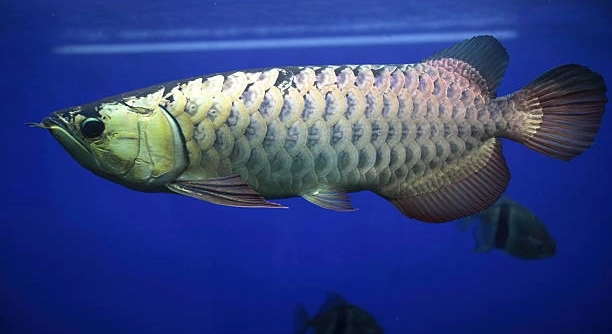
Have you ever noticed your Arowana swimming anxiously or hiding in the corners of its tank? Observing such behavior can be concerning, especially when you want your fish to feel calm and comfortable in its environment.
Creating a secure environment for Arowanas involves adjusting tank conditions, adding proper decorations, maintaining consistent water quality, and ensuring appropriate lighting. Each of these factors contributes to the fish’s sense of safety and reduces stress effectively.
Implementing these simple changes can greatly enhance your Arowana’s well-being and create a more harmonious aquarium atmosphere for both you and your fish.
Maintain Stable Water Conditions
Arowanas are sensitive to sudden changes in water temperature, pH, and hardness. Keeping these factors stable helps reduce stress and promotes overall health. Frequent water testing is essential, along with partial water changes to remove accumulated waste. Avoid overfeeding, which can increase ammonia and nitrite levels. Using a reliable heater and filter system ensures that water remains at the correct temperature and is properly oxygenated. Sudden shifts, even by a few degrees, can cause the fish to become nervous, hide, or refuse food. Arowanas thrive in slightly acidic to neutral water, around 6.5–7.5 pH, with temperatures between 75–82°F (24–28°C). Regular observation allows you to notice early signs of stress, such as erratic swimming or gasping at the surface. By keeping a consistent schedule for water maintenance, your fish can establish a sense of security and adapt better to its environment, making your tank a calmer and healthier space.
Stable water conditions are essential for reducing stress and supporting long-term health in Arowanas.
Proper water quality not only reduces stress but also prevents common diseases. Regular testing of ammonia, nitrite, and nitrate ensures the environment remains safe. Using gentle water flow, avoiding sudden chemical treatments, and keeping temperature fluctuations minimal all contribute to the Arowana’s sense of security. When the water feels familiar and safe, the fish are more likely to exhibit natural behaviors, such as exploring the tank, interacting with tank features, and feeding reliably. Consistency is key: even minor deviations can cause anxiety or aggression. By establishing and maintaining these conditions, your Arowana can thrive in a comfortable, stable environment, leading to a happier and longer life. Observing and responding to small changes promptly allows the aquarium to remain a secure habitat where your fish can grow and flourish without unnecessary stress.
Provide Hiding Spots
Arowanas feel safer when they have places to retreat, such as driftwood, rocks, or plants.
Adding hiding spots reduces stress, allowing the fish to feel protected from perceived threats while encouraging natural behaviors.
Using smooth driftwood, dense plant clusters, or carefully positioned rocks creates areas where the fish can rest or explore safely. Avoid sharp objects that could injure the Arowana. Placing decorations strategically helps break open spaces, providing the fish with visual boundaries that mimic a natural environment. Even a few simple hiding spots can transform the tank into a more secure habitat. Over time, the fish learns these areas are safe zones, reducing erratic swimming or aggression. Observing how your Arowana interacts with these spots helps determine if adjustments are needed, such as adding more cover or rearranging decorations to suit its preferences. Hiding spots are not just for security—they also enrich the tank, encouraging natural exploration and promoting mental stimulation, which contributes to a calmer, healthier fish.
Maintain Proper Lighting
Arowanas respond well to a consistent day-night cycle. Proper lighting supports their natural rhythm and reduces stress.
Avoid sudden bright lights or frequent changes, which can startle the fish. A balanced schedule with moderate brightness encourages natural activity during the day and rest at night. Using a timer ensures consistency.
Different types of lights serve different purposes. Full-spectrum LED lights simulate natural sunlight, enhancing colors and encouraging feeding. Avoid excessive brightness that causes the fish to hide constantly. Shadows and dim areas in the tank create comfort zones, helping the Arowana feel secure. Observing the fish’s behavior allows you to adjust lighting levels to its preference, creating a stable and safe environment. Lighting is not just aesthetic—it directly influences stress levels, appetite, and overall health. Maintaining a predictable light pattern helps your Arowana feel more in control of its surroundings.
Feed a Balanced Diet
Arowanas need a diet that meets their nutritional requirements. Variety ensures proper growth and health.
Including live, frozen, and pellet foods provides essential vitamins and minerals. Overfeeding or inconsistent feeding schedules can stress the fish.
Feeding habits influence both physical and mental well-being. Arowanas enjoy live foods such as small fish or insects, which encourage natural hunting behaviors. Supplementing with high-quality pellets ensures they receive balanced nutrients. Avoid feeding the same food repeatedly, as it can lead to deficiencies and boredom. Offering food in small portions multiple times a day prevents water contamination and maintains tank quality. Watching how the fish accepts food helps you adjust quantities and types to suit its needs. Consistent, nutritious feeding supports strong immune function, vibrant coloration, and overall comfort in the tank. Proper nutrition is a key factor in making your Arowana feel secure and thrive in its habitat.
Control Tank Noise
Excessive vibrations and loud sounds can stress Arowanas. Minimizing external noise helps them feel secure and calm.
Position the tank away from high-traffic areas and avoid tapping on the glass. Gentle water flow and stable equipment reduce disturbances, keeping the environment peaceful.
Keep Tank Size Adequate
Arowanas need ample space to swim comfortably. A larger tank supports natural behavior and reduces stress.
Providing sufficient swimming room prevents aggression and allows the fish to establish safe zones. Crowded tanks can lead to nervousness and health issues, so investing in an appropriately sized aquarium is essential.
Monitor Water Flow
Strong currents can exhaust Arowanas. Gentle, consistent flow encourages natural swimming without creating stress or fatigue.
Adjust filters and pumps to maintain steady circulation. Observing how the fish navigates the current ensures it is neither overwhelmed nor stagnant.
Regular Observation
Watching your Arowana daily helps detect early signs of stress or illness.
Noticing subtle changes in behavior or appearance allows for quick interventions, maintaining both health and a secure environment.
FAQ
How often should I test the water for my Arowana?
Water testing should be done at least once a week. Checking parameters like ammonia, nitrite, nitrate, pH, and temperature ensures the environment remains stable. Frequent monitoring helps you detect small changes before they stress the fish. Using reliable test kits and recording results allows you to track trends and maintain consistent conditions, which is crucial for your Arowana’s sense of security. Sudden changes in water chemistry can cause nervousness or illness, so establishing a routine makes managing the tank much easier and keeps your fish healthy.
What types of hiding spots work best for Arowanas?
Smooth driftwood, large rocks, and dense plant clusters are ideal. Avoid sharp or rough decorations that could injure the fish. Position items to create shaded areas and open spaces, giving the Arowana both cover and room to swim freely. This arrangement reduces stress and mimics a natural habitat. Over time, the fish learns which areas are safe, improving confidence and comfort in its environment. Adding variety and occasional rearrangement keeps the tank interesting while maintaining secure zones for resting or retreating.
How should I manage feeding schedules?
Feed your Arowana small portions two to three times daily. Rotate between live, frozen, and pellet foods to provide balanced nutrition. Overfeeding can pollute water, while irregular schedules can increase anxiety. Observing appetite helps adjust portion sizes and prevents waste buildup. Consistency in feeding contributes to predictable daily routines, which help the fish feel secure. Using tongs for live foods or controlled portions for pellets ensures the fish remains healthy and reduces competition or aggression, especially in community setups. Proper nutrition directly affects energy, coloration, and overall behavior.
What is the ideal tank size for an adult Arowana?
An adult Arowana requires at least 250 gallons for adequate swimming space. Larger tanks reduce territorial behavior and allow natural exploration. Insufficient space can lead to stress, aggression, and stunted growth. Maintaining ample swimming room also supports proper exercise and reduces the risk of injury. When planning a tank, consider both length and width, as Arowanas prefer horizontal swimming space. Decorations should enhance security without overcrowding. A spacious, well-structured tank helps the fish feel safe and encourages natural, healthy behaviors.
How can I maintain a consistent lighting schedule?
Use a timer to provide a steady day-night cycle, ideally 10–12 hours of light daily. Moderate brightness prevents stress, while dim areas create comfort zones. Sudden changes or excessive light can cause nervousness or hiding. Full-spectrum LED lights enhance coloration and mimic natural sunlight. Observing behavior under different lighting levels ensures the setup suits your Arowana’s needs. Consistency in lighting supports feeding patterns, sleep, and general well-being, reducing anxiety and promoting a calm environment for your fish.
What signs indicate my Arowana is stressed?
Look for hiding frequently, erratic swimming, loss of appetite, or color fading. Gasping at the surface and rubbing against objects are also indicators. Early detection allows you to address water quality, diet, or tank conditions before health declines. Observing daily behaviors helps you notice subtle changes and implement adjustments to lighting, water flow, or decorations, creating a more secure habitat. Regular monitoring ensures the fish remains comfortable and reduces long-term stress-related problems.
How can I safely introduce new decorations or plants?
Rinse all decorations and plants thoroughly before placing them in the tank to remove chemicals or pests. Introduce new items gradually to prevent startling the Arowana. Observe how the fish reacts and adjust placement if it seems hesitant or stressed. Smooth surfaces and stable positioning prevent injury and help the fish explore confidently. Proper integration enhances the tank environment without disrupting the sense of security your Arowana has established.
Is it necessary to quarantine new fish before adding them to the tank?
Yes, quarantining new fish for 2–4 weeks prevents disease transmission. Monitor for signs of illness and maintain stable water conditions during this period. Healthy introduction protects both the existing Arowana and the newcomers. Quarantine also allows observation of temperament, ensuring compatibility and reducing stress in the main tank. This careful approach maintains a safe, secure environment for all inhabitants.
How can I reduce tank noise and vibrations?
Place the tank on a stable surface away from high-traffic areas. Avoid tapping the glass and keep equipment like filters and pumps steady. Minimizing sudden noises or vibrations reduces stress and helps the Arowana feel secure. Observing behavior after adjustments ensures the environment is calm and comfortable.
What is the best way to handle water changes?
Perform regular partial water changes of 20–30% weekly. Match temperature and pH to prevent shocks. Use a siphon to remove debris carefully and avoid disturbing the fish. Consistent water changes maintain clarity, reduce toxins, and promote a healthy environment, contributing to the Arowana’s overall sense of security.
This FAQ section covers the key steps to create a stable, safe, and comfortable environment for your Arowana, addressing both routine care and specific behavioral concerns.
Creating a secure and comfortable environment for your Arowana requires attention to several small but important details. Each factor—from water quality to tank size, lighting, and decorations—plays a role in how the fish perceives its surroundings. Stable water conditions reduce stress, while consistent lighting supports natural activity patterns. Providing hiding spots and gentle water flow gives your fish areas to rest and feel protected. Paying attention to these elements can prevent common behavioral issues, such as hiding constantly, erratic swimming, or loss of appetite, and encourages your Arowana to behave more naturally. Over time, these adjustments help the fish become confident in its tank, which benefits both its physical health and overall well-being. A calm, predictable environment is the foundation for a healthy Arowana, allowing it to thrive without unnecessary stress or anxiety.
Feeding and nutrition are equally essential for creating a sense of security. A balanced diet, offered in small, consistent portions, ensures your Arowana receives the vitamins and minerals it needs for proper growth, energy, and coloration. Including live, frozen, and pellet foods not only provides nutrition but also encourages natural hunting and foraging behaviors, which mentally stimulate the fish and reduce boredom. Overfeeding or irregular feeding schedules can cause stress and water quality problems, so establishing a routine is important. Observing your fish during feeding times helps you understand its appetite and preferences, allowing adjustments to portions or food types as needed. Proper nutrition supports the immune system, reduces vulnerability to disease, and enhances overall comfort, making the fish feel more secure in its home environment.
Daily observation and consistent care are key to maintaining a safe, comfortable habitat. Watching your Arowana’s behavior allows you to notice subtle changes that could indicate stress or health issues early. Simple measures, such as minimizing noise, avoiding sudden tank disturbances, and maintaining stable water conditions, reinforce a sense of security. Introducing new decorations or tank mates gradually helps the fish adapt without fear. Even small adjustments, like creating shaded areas or rearranging hiding spots, can have a positive effect. By committing to regular monitoring, proper feeding, and environmental stability, you create a tank where your Arowana can explore, grow, and thrive with confidence. Over time, these thoughtful steps make a visible difference, leading to a healthier, calmer fish and a more enjoyable experience caring for it.

Hello,
If you enjoy the content that we create, please consider saying a "Thank You!" by leaving a tip.
Every little bit helps us continue crafting quality advice that supports the health, happiness, and well-being of pets around the world, for pets of all shapes, sizes, and species.
We really appreciate the kindness and support that you show us!